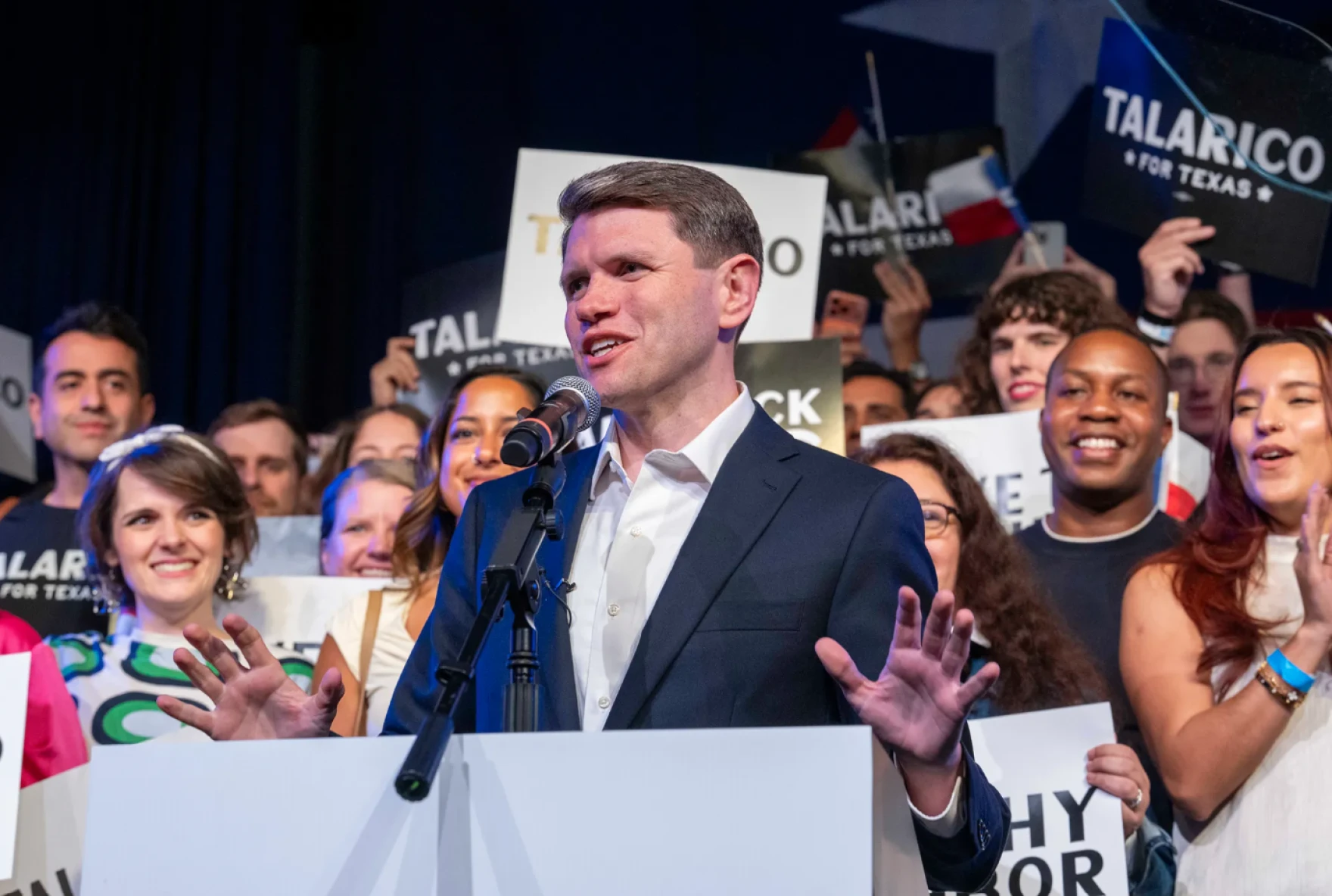
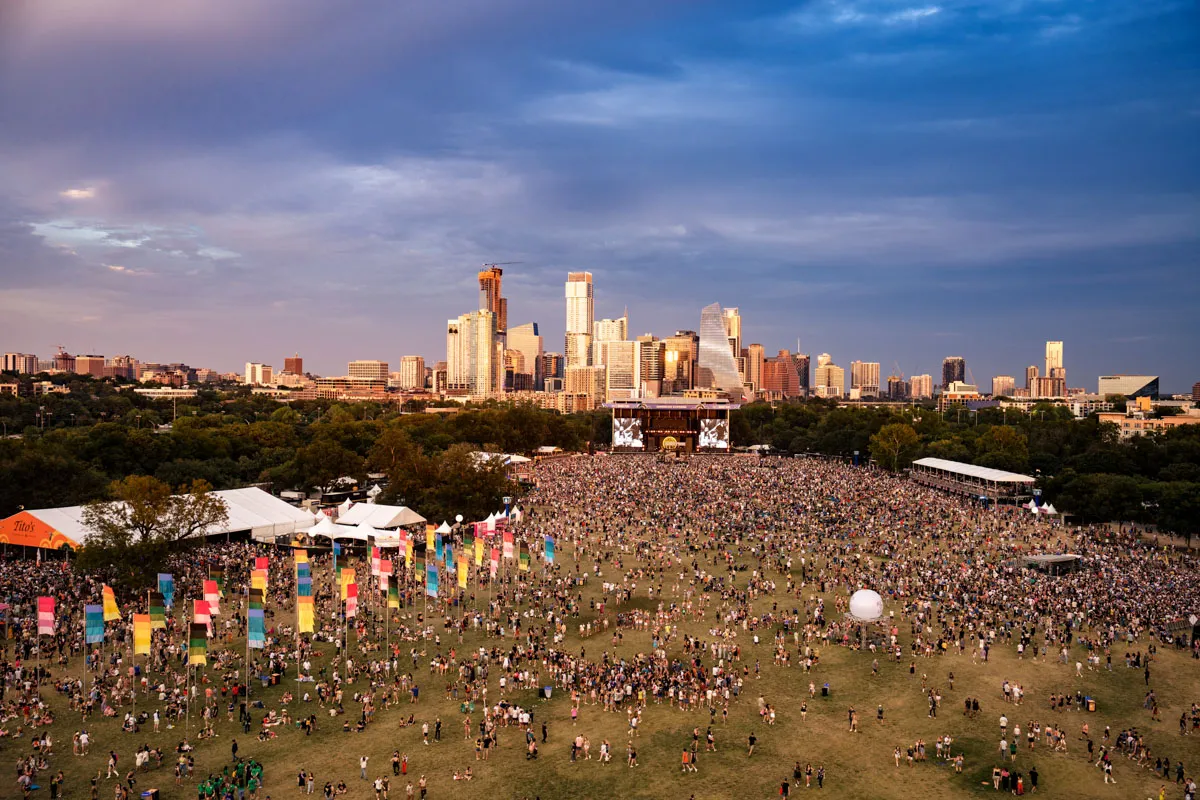
Talarico returns campaign trail was the message his team needed Texas to see Friday. After nearly two weeks without an in-person public event, Democratic U.S. Senate nominee James Talarico reappeared among voters at the Austin City Limits Music Festival in Zilker Park. His campaign released video designed to end a story that had expanded from a candidate's illness into a national political spectacle.
“Hate to disappoint the conspiracy theorists, but James is still alive and meeting with voters at ACL today,” campaign spokesperson JT Ennis wrote with the footage. The line was deliberately dry. It acknowledged how strange the episode had become while trying to turn the Republican attacks into overreach. Talarico told The New York Times that he had been “home sick in bed” with “a nasty case of the flu.”
Showing up settles the narrowest question: Talarico is back in public. It does not recover the days his campaign spent answering questions about where he was, and it does not erase a communications vacuum that President Donald Trump and Republican nominee Ken Paxton filled with jokes, demands and suspicion. Twenty-four days before the November 3 election, the campaign has moved from proving Talarico is present to proving the absence did not knock it off course.
The James Talarico flu absence, day by day
September 26: a final in-person event in Carrollton
Talarico's last reported in-person public event before the gap was a September 26 news conference in Carrollton focused on rising gasoline prices. It was ordinary campaign fare: a candidate using household costs to make a closing argument. In hindsight, the event became the marker from which reporters and opponents measured his absence.
September 28: a New York fundraiser, then the trail goes quiet
Two days later, Talarico attended a fundraiser in New York City with actor Robert De Niro. The travel became fuel for his opponents after the campaign stopped producing normal in-person appearances. Paxton's allies treated the New York trip as the last visible checkpoint and demanded travel details as part of their effort to establish where the Democrat had gone.
September 30: coughing on a virtual forum
Talarico appeared remotely at a U.S. Hispanic Business Council forum on September 30. He was visibly ill, coughed during the session and disclosed that he had the flu. That appearance supports the campaign's explanation, but it did not solve the political problem. A virtual event can confirm that a candidate is speaking; it cannot replace the visual rhythm of rallies, handshakes and local television footage in the final month of a statewide race.
October 1–8: silence becomes an opponent's story
As the days passed without a public return, the absence itself became the headline. Paxton's campaign demanded “proof of life”: video of Talarico holding that day's newspaper, a doctor's note or flight details from New York. Sen. Ted Cruz circulated a milk-carton-style “MISSING” meme. Trump escalated the mockery on Truth Social, calling Talarico “MISSING IN ACTION” and writing, “TalaFREAKo has been missing for 12 days!”
Signal Post News previously covered the disappearance phase and Paxton's debate challenge. Friday's appearance is the resolution: the candidate returned, his team released proof, and the campaign began redirecting attention toward the race.
October 9: Talarico Austin City Limits festival return
The choice of ACL Fest was not neutral. It placed Talarico in a vast Austin crowd rather than behind a lectern, signaling health, informality and cultural fluency. It also put him among younger and urban voters who are central to any Democratic attempt to offset Republican strength across much of Texas. The video did not need a policy announcement. Its job was visual: walking, talking and meeting voters.
The Talarico proof of life Paxton campaign created
How an absence became the story
Campaigns do not control whether a candidate gets sick. They do control the evidence they provide and the expectations they set. The Republican attack worked because it converted missing public events into an unanswered question. Each day without a fresh image made the demand sound less like a joke and more like a test of basic campaign transparency.
Paxton's list — newspaper photo, doctor's note, flight records — was theatrical, not a neutral medical standard. Candidates are not normally expected to release a physician's note for the flu. Yet the demand was politically effective because it was concrete, easy to repeat and impossible to satisfy through another statement saying the candidate was resting.
The TalaFREAKo Trump Truth Social escalation
Trump added national reach and a nickname engineered for repetition. His “MISSING IN ACTION” post did not provide new evidence about Talarico's health; it made the absence useful to Republicans far beyond Texas. The taunt also aligned with Trump's broader campaign style: define an opponent through a memorable insult, then force that opponent to spend time rejecting the frame.
The politics cut both ways. Once Talarico appeared, the most fevered insinuations looked exaggerated. Ennis's “conspiracy theorists” line was built to claim that advantage. But a comeback can expose an attack as overdone while still confirming the vulnerability that gave it life: the campaign allowed others to narrate twelve days of October.
Why this matters
A 12-day gap in July is recoverable. A 12-day gap with 24 days left before Election Day is a campaign emergency. Texas begins in-person early voting on October 19, according to the secretary of state's calendar, leaving Talarico only ten days from his return to the moment many voters can begin casting ballots. The persuasion window is narrower than the calendar makes it look.
The comeback venue matters for the same reason. A conventional rally would have centered party activists and produced predictable political images. ACL Fest offered a broader cultural crowd and a visual argument that Talarico is energetic, accessible and still capable of reaching people outside a campaign hall. That is useful for a Democrat whose path depends on turnout in cities and among younger voters, but it is not a substitute for answering sustained policy questions.
Most important, the episode is a warning about the modern information vacuum. Campaigns once could say a candidate had the flu and expect a short pause. In a social-media contest, silence invites amateur diagnosis, opposition memes and presidential commentary. The burden of proof shifts rapidly from “why doubt the campaign?” to “why has the campaign not shown us?”
Ken Paxton vs James Talarico: two sharply different candidates
Talarico's profile and the Democratic wager
Talarico is an Austin-area state representative who built a national following through plainspoken explanations of policy, a religious vocabulary that does not fit neatly into partisan stereotypes and a campaign style aimed at making Texas competition feel possible rather than symbolic. His supporters see an unusually strong communicator. His critics see a polished national figure whose profile may run ahead of his statewide record.
The Democratic wager is that Talarico can combine metropolitan turnout, suburban movement and enough rural improvement to break a decades-long losing streak in statewide races. That remains an uphill climb. Texas has not elected a Democrat statewide in more than three decades, and recent high-profile Democratic Senate bids have raised enormous sums without finishing first.
Paxton's record, Trump alliance and liabilities
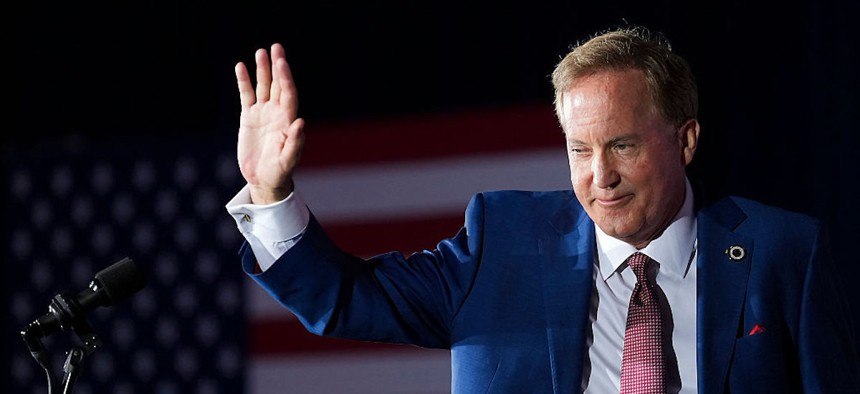
Paxton enters the contest as Texas attorney general and a close Trump ally with deep recognition among Republican voters. He has used the office's litigation power aggressively, particularly against the federal government and large technology companies, giving him a record that supporters call combative conservatism in action.
He also carries years of ethics controversies and legal fights that Democrats will use to argue that Texas should not send him to Washington. Republicans answer that voters have repeatedly rewarded Paxton despite those attacks. Trump has reinforced Paxton's standing, including at the San Antonio midterm rally, and the president's intervention in the disappearance story showed how quickly that alliance can shape the race's daily message.
Who gained, who lost and what critics still ask
Talarico stopped the story, but did not win back the clock
Talarico gained the immediate benefit of ending speculation with direct visual evidence. His team can now portray the most dramatic Republican claims as conspiracy theater. The return also lets him resume the only work that can truly bury the episode: events, interviews and repeated appearances that make his health boring again.
What he lost is time and message discipline. Nearly two weeks that could have been spent attacking Paxton's record instead generated coverage about Talarico's whereabouts. Even if every medical explanation is accepted, the campaign must account for why it did not close the information gap earlier with a short recorded message or a clearer schedule.
Paxton and Trump keep a punchline — or risk overplaying it
Republicans demonstrated that they can force the Democrat onto defensive terrain. They may continue using “missing” language to question stamina and transparency. But the factual premise changed Friday. If the attack ignores visible evidence that Talarico is back, it risks sounding detached from events and could help him cast himself as the target of a manufactured panic.
Critics are entitled to ask why the public response took so long. They are not entitled to replace missing information with unsupported medical claims. The responsible line is straightforward: Talarico says he had the flu, his September 30 appearance showed illness, and he returned in public on October 9. Anything beyond that requires evidence the public reporting has not produced.
Texas Senate race 2026 polls cannot answer the turnout question yet
Public polling can describe a close or competitive moment, but it cannot remove the structural advantage Republicans have built through decades of statewide victories. The more useful question is whether each campaign can assemble the electorate it needs. Talarico requires exceptional Democratic participation and crossover support; Paxton needs the Republican coalition to remain consolidated despite his controversies.
National midterm energy matters as well. Recent Reuters/Ipsos polling on voter enthusiasm illustrates why turnout intensity can matter as much as headline preference. Texas adds its own geography: expensive media markets, enormous distances and distinct regional coalitions make every lost campaign day costly.
Candidate-health absences have hurt campaigns before, particularly when aides offered incomplete or changing explanations. This episode is not evidence of a larger condition and should not be forced into false equivalence with past cases involving hospitalization or concealed diagnoses. The valid comparison is communications, not medicine: when a candidate disappears from view, trust depends on how quickly and clearly the campaign explains the gap.
What happens next
CNN town hall Talarico October 14 is the real comeback test
The next major checkpoint is the October 14 CNN town hall. A festival walk-through can show that Talarico is mobile and engaging. A live, sustained question-and-answer session will test whether he can retake command of the race, explain the absence without feeding it and move voters toward his argument against Paxton.
The campaign says a full schedule will resume. That promise is now measurable. Reporters will watch for consecutive public events, not one appearance. Paxton will try to keep the “proof of life” saga alive; Talarico will try to make every fresh event evidence that the story is over.
Texas Senate early voting 2026 begins October 19
Texas's official calendar sets early voting by personal appearance for October 19 through October 30, followed by Election Day on November 3. The timing leaves five days between the CNN town hall and the opening of early voting. That is the campaign's cleanest opportunity to replace the disappearance narrative with a performance voters can judge directly.
If Talarico handles the town hall well and keeps a visible schedule, Friday at ACL may be remembered as a sharp but temporary October detour. If the campaign remains hesitant or inconsistent, the return video will look less like closure and more like a single rebuttal. The candidate is back. The harder question — whether his campaign can regain control of the final 24 days — is only beginning.
Sources
- New York Post — Talarico's return, campaign response and timeline
- Fox News — return to the trail and Republican attacks
- Newsmax — “proof of life” demands and campaign timeline
- NBC News / NBC DFW — Talarico back on the trail after flu absence
- Texas Secretary of State — 2026 election and early-voting dates
Reporting separates the documented public timeline from campaign claims and political inference.