Super Micro Computer earnings season started early on Tuesday: the San Jose server maker told investors its preliminary first-quarter revenue will land billions of dollars above its own guidance, because demand for its AI platforms is running far hotter than the company itself forecast just weeks ago.
Technology / Markets — a server maker does not miss its own forecast by $4 billion unless the AI build-out is moving faster than anyone planned for
Track it live: live markets tracker
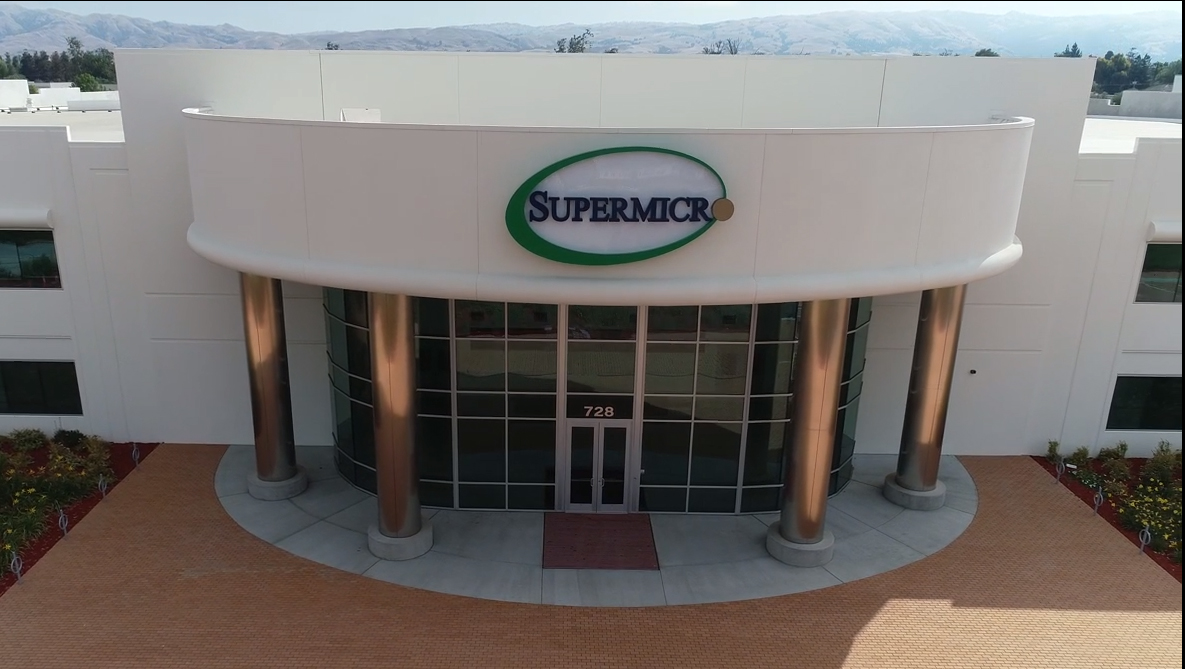
What Supermicro actually said
The update was short, and that is part of what makes it striking. In a Form 8-K furnished to the Securities and Exchange Commission under Item 2.02, with the release attached as Exhibit 99.1, Supermicro raised the midpoint of its quarterly revenue range from $15.0 billion to $19.0 billion — an upward revision of about $4 billion, or roughly 27 percent, in a single announcement. The new range also sits far above the analyst consensus of about $14.9 billion reported by FactSet via the Wall Street Journal and Seeking Alpha, meaning the beat was not against a soft company forecast alone: Wall Street’s models were roughly $4 billion light as well. The figures are preliminary and unaudited, based on management estimates, and the company warned they remain subject to revision as it completes its closing procedures. Full results, with earnings per share and management commentary, are scheduled for a conference call on Tuesday, November 3, 2026, at 5:00 p.m. ET.
The margin line matters as much as the revenue line. Server hardware is a famously thin-margin business, and Supermicro has spent years answering the criticism that it wins AI orders by pricing them cheaply. A gross margin range of 12.0 to 12.5 percent, against guidance of 10.4 to 10.8 percent, points the other way this quarter. Do the arithmetic the release invites: at the midpoints, $19.0 billion of revenue at a 12.25 percent gross margin implies roughly $2.33 billion of gross profit, against roughly $1.59 billion implied by the old guidance — about 46 percent more gross profit than the company planned for, on 27 percent more revenue. Supermicro attributed the improvement primarily to customer and product mix, which in server language means a richer blend of higher-value AI systems in the quarter’s shipments.
Why this matters
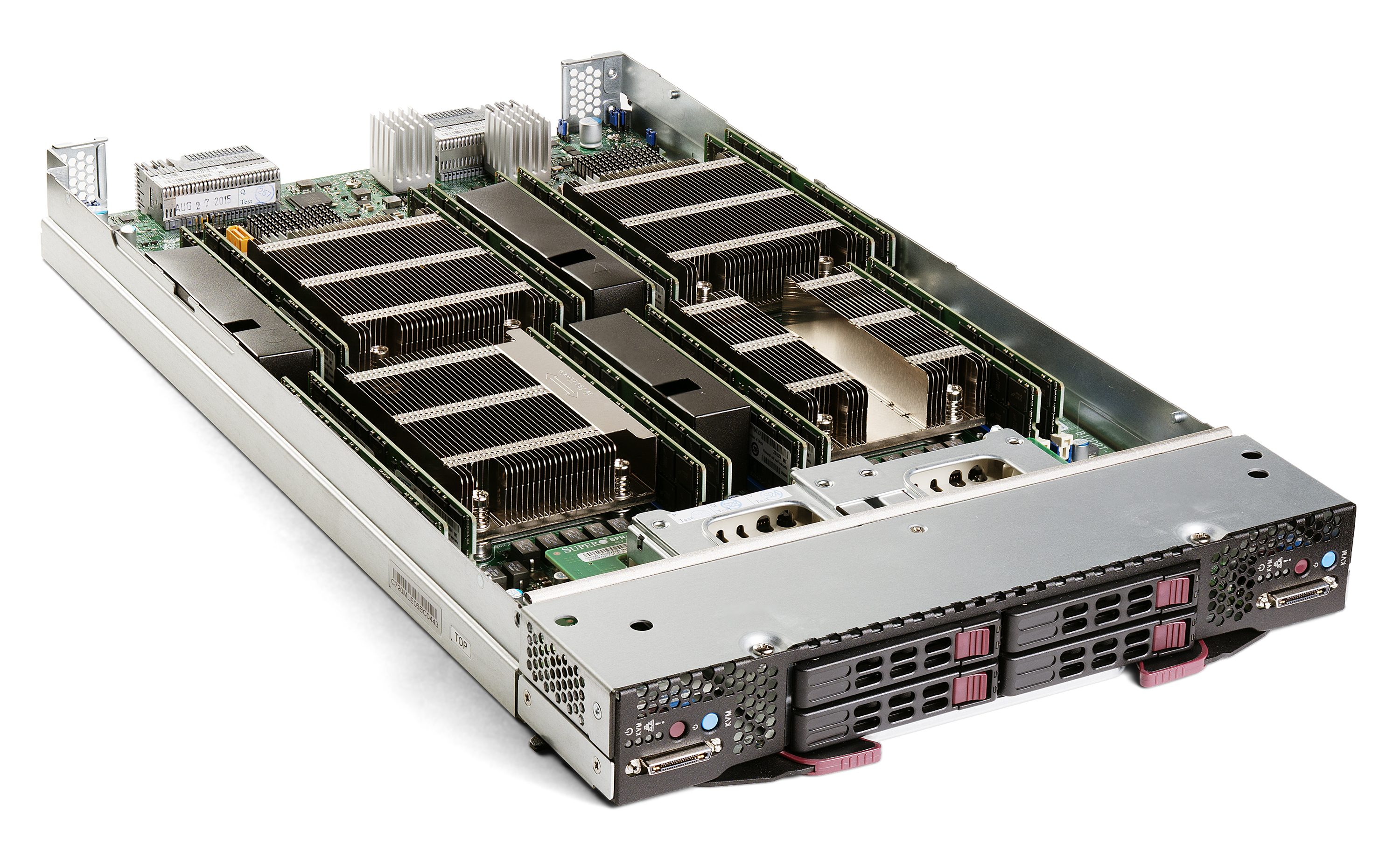
Supermicro is one of the purest read-throughs on the physical side of the AI boom. It does not sell models or subscriptions; it sells the racked, liquid-cooled server systems that data centres install by the row, built around processors such as the next generation of AI chips. When a company in that position under-forecasts a quarter by $4 billion, the miss is information about the whole supply chain: orders are converting to shipments faster, and in larger configurations, than even the seller expected. The same demand wave is visible from the other side of the Pacific in South Korea’s record chip exports, and in the vast single-site build-outs such as Meta’s million-chip Ohio supercluster. Supermicro’s update is the American assembler’s version of those stories, told in one filing.
The market reaction spread exactly the way a supply-chain story should. Dell Technologies rose about 3.3 percent and Hewlett Packard Enterprise about 2.7 percent in early after-hours trading reported by Seeking Alpha and Reuters, as investors marked up the whole AI-server complex on Supermicro’s read-through. That sympathy rally is notable because it landed days after Barclays had downgraded Dell and HPE on valuation and margin concerns, including the risk that server margins compress as memory prices normalise. Supermicro’s print does not settle that argument — its margin gain is company-specific mix, not an industry price list — but it directly contradicts the near-term version of the bear case, in which AI server demand was supposed to be cooling into the end of the year.
There is also a credibility dimension that regular followers of this stock will not miss. Supermicro has had a turbulent two years, including a March 2026 federal case in which authorities charged a co-founder with diverting billions of dollars in Nvidia chips to China — allegations the company itself was not charged over, and which, according to reporting on Tuesday, an independent inquiry cleared senior management of involvement in. Against that background, a clean, quantified, SEC-filed upside surprise — revenue and margin both, with a dated full-results call — is the kind of disclosure that rebuilds institutional trust, provided the November 3 numbers land inside the ranges promised on Tuesday.
What happens next
Everything now waits on November 3. The preliminary release contains no earnings-per-share figure, no cash-flow data and no segment detail, and the gap between a great revenue quarter and a great earnings quarter in this business is usually found in exactly those lines: expedite fees, component costs, and how much working capital a $19 billion shipment quarter consumes. Analysts will also press management on whether the upside was a pull-forward of orders originally expected later in the fiscal year or a genuine step-up in the run rate — the difference between a stock that keeps its after-hours gains and one that gives them back. The consensus figures the release beat — roughly $14.9 billion of revenue and adjusted earnings expectations around a dollar a share cited in Tuesday’s coverage — will be rebuilt within days. For now, the filing says something simple and checkable: in the September quarter, the world bought roughly $4 billion more AI servers from one San Jose company than that company thought it would sell. However the AI investment debate resolves, it did not slow down in the third quarter of 2026.
Sources
Super Micro Computer, Inc., “Supermicro Provides First Quarter of Fiscal Year 2027 Preliminary Business Update” (Business Wire, October 20, 2026; furnished as Exhibit 99.1 to a Form 8-K) — preliminary revenue of $18.5–$19.5 billion versus guidance of $14.5–$15.5 billion, gross margins of 12.0–12.5 percent versus guidance of 10.4–10.8 percent, AI platform demand and customer/product mix as the stated drivers, the unaudited-preliminary caveat, and the November 3, 2026 earnings call. Wall Street Journal / Dow Jones Newswires (October 20, 2026) — shares up 13 percent to $36.63 in after-hours trading, FactSet consensus of $14.95 billion, and the Stocks to Watch summary putting the after-hours move at up to 16 percent. Seeking Alpha (October 20, 2026) — guidance raised by $4 billion at the range, consensus of $14.94 billion, Dell up 3.3 percent and Hewlett Packard Enterprise up 2.7 percent in sympathy. Reuters via Financial News (October 20, 2026) — sympathy gains of 3.5–4.9 percent for Dell and HPE and the prior Barclays downgrade context. Stocktwits / Fiscal.ai (October 20, 2026) — consensus near $15 billion and background on the March 2026 co-founder case and the independent inquiry’s clearance of senior management.