Markets
The stock market today had to hold two ideas at once. The Federal Reserve kept interest rates unchanged at 3.75 to 4.00 percent — yet two of its officials voted to raise them — while a blowout earnings report from South Korea's SK Hynix lit up chip stocks on both sides of the Pacific. The S&P 500 rose 0.28 percent to 7,743.98, the Dow Jones Industrial Average added 0.19 percent to 52,475.10 and the Nasdaq Composite gained 0.27 percent to 26,549.85 — a third straight winning session — even as the 10-year Treasury yield climbed back above 5 percent and oil pushed past $102 a barrel.
Track it live: live market prices and trackers — Signal Post News tracker
The closing numbers
The S&P 500 — the index of 500 of America's largest companies that anchors most 401(k) and index-fund portfolios — rose 21.38 points, or 0.28 percent, to close at 7,743.98. The Dow Jones Industrial Average, the 30-stock blue-chip gauge whose moves are swayed most by its highest-priced shares, rose 97.53 points, or 0.19 percent, to 52,475.10. The Nasdaq Composite, heavy with technology and growth companies, rose 72.04 points, or 0.27 percent, to 26,549.85. Small companies did best of all: the Russell 2000, which tracks 2,000 smaller U.S. firms and is often read as a barometer of domestic risk appetite, rose about 0.7 percent to about 2,839.
It was the S&P 500's third straight gaining session, extending Tuesday's chip-led advance, in which the Nasdaq jumped 1.18 percent. The gains were modest, but they held up against two gathering headwinds — a bond market pushing long-term yields higher and an oil market climbing on war risk. Investors also absorbed fresh trade data: the U.S. goods trade deficit for September printed at $134.9 billion, while wholesale inventories rose 0.6 percent and retail inventories rose 0.3 percent — stores stocked up even as the gap between what America buys from the world and what it sells stayed wide.
The Fed holds — but two officials wanted a hike
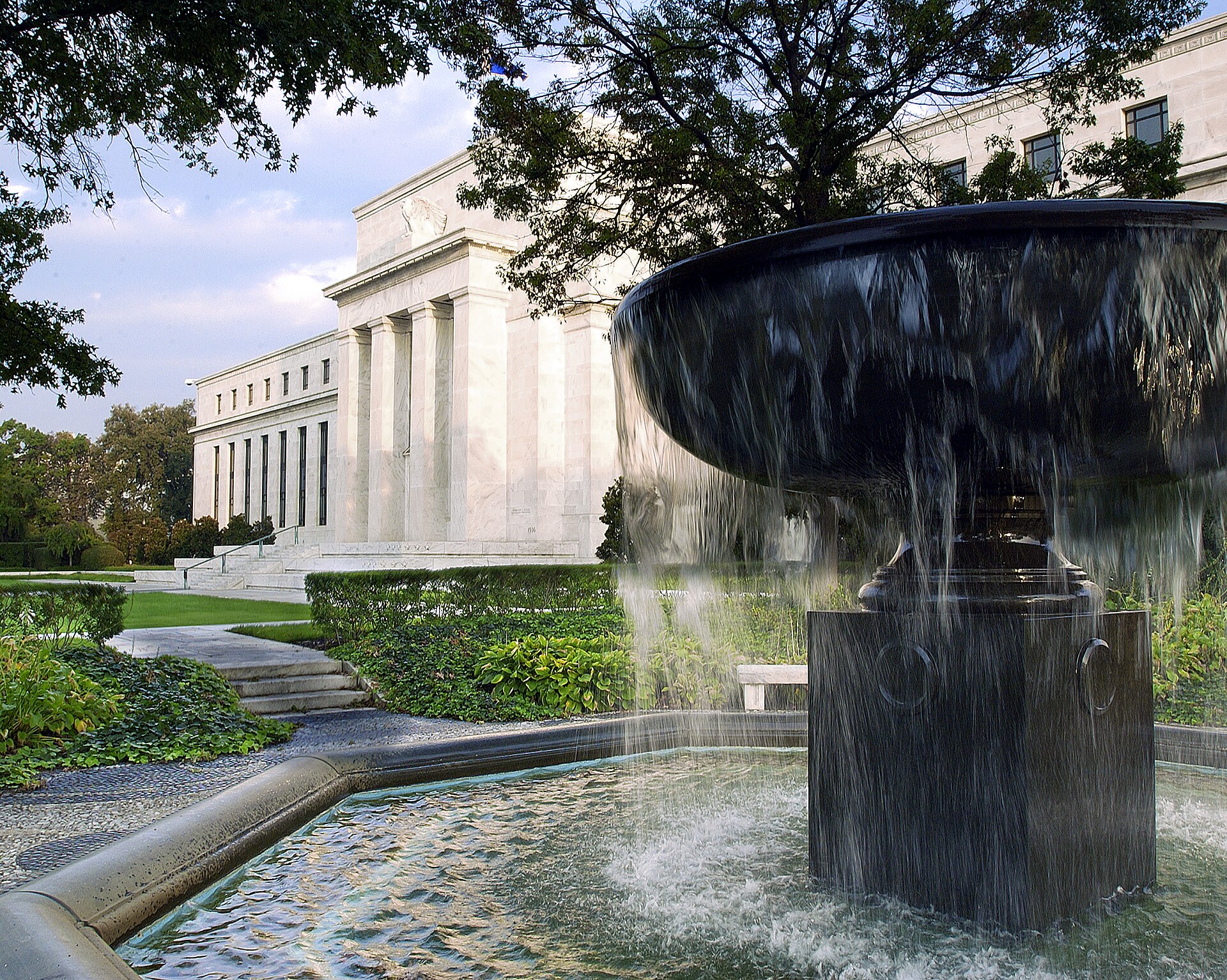
The Federal Open Market Committee voted 10-2 to leave the federal funds target range at 3.75 to 4.00 percent — the benchmark rate that ripples outward into credit cards, auto loans, mortgages and business borrowing across the economy. The surprise was in the dissents: Governor Lisa Cook and Cleveland Fed President Beth Hammack both voted against the decision because they wanted a quarter-point increase, not a cut. In a season when dissents have usually come from officials wanting easier policy, two votes for tighter policy marked a clear hawkish turn inside the room.
The statement matched the votes. The Fed said inflation "remains elevated," upgraded its description of economic expansion to "strong" from "solid," and said accumulating more information will help it decide its next move — vowing that it "will deliver price stability." Chair Kevin Warsh, at his press conference, refused to prejudge the December decision, waved off the split as a "family fight," and described the weeks before the next meeting, on December 9, as an "information rich interval." The Fed had raised rates by a quarter point in September, its first increase since 2023, and Wednesday's hold was a pause, not a pivot.
Markets heard the message. CME FedWatch, which infers expectations from futures prices, put the odds of another quarter-point hike in December at roughly 85 to 88 percent — traders now treat a hike as the base case unless the data soften. A hold paired with hawkish dissents is a particular combination: borrowing costs stay where they are for now, but the central bank is telling households and businesses not to count on relief — and to prepare for the possibility that money gets more expensive before it gets cheaper.
Yields and oil: the two headwinds
Bond investors reacted first. The 10-year Treasury yield — the benchmark that steers mortgage rates and much corporate borrowing — rose 5.2 basis points to 5.044 percent, its biggest one-day rise since September 28, according to the Wall Street Journal. The 30-year yield climbed 5.6 basis points to 5.360 percent, while the 2-year yield, the one most sensitive to Fed expectations, eased slightly to 4.731 percent. Long yields above 5 percent are the market's way of saying it believes the Fed: inflation is sticky, growth is strong, and cheap money is not coming back soon.
Oil supplied the second headwind. West Texas Intermediate crude settled at $102.78 a barrel in New York, up $2.88, or 2.9 percent, and Brent crude finished at about $115.10, up 1.1 percent. Two reports drove the move: the Trump administration is said to be planning a short, intensified military campaign against Iran after the U.S. midterm elections, and Yemen's Houthis claimed to have struck Saudi Arabia's largest oil refinery. Against that backdrop, the Energy Information Administration reported that U.S. commercial crude inventories fell 1.9 million barrels last week while gasoline inventories rose 3.9 million barrels — a draw in crude that underlined how little slack the market has if supply is disrupted. Readers can follow the outlook on our oil price forecast tracker.
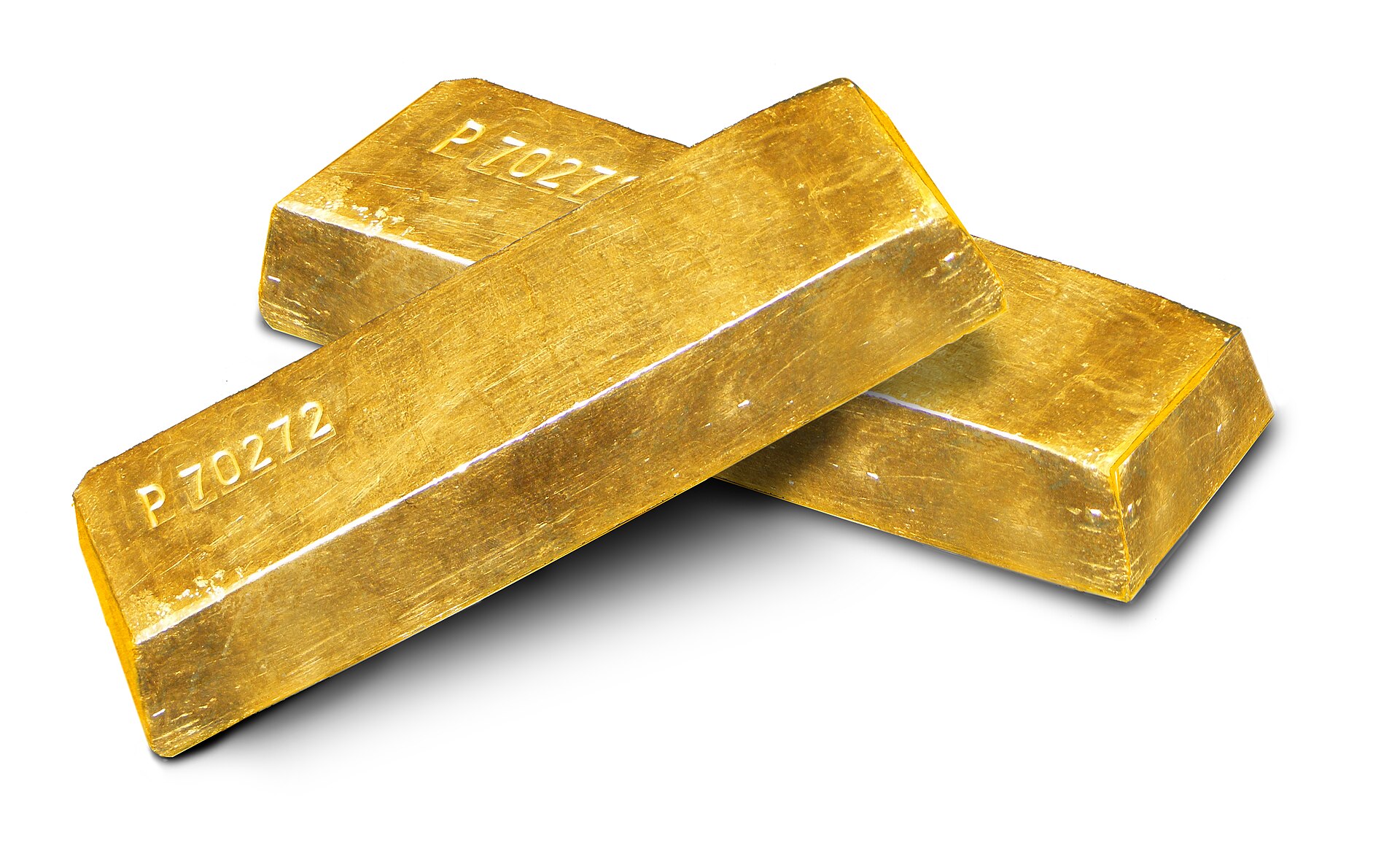
Elsewhere, gold futures settled at $4,036 an ounce, down $22.80, or 0.6 percent. Bitcoin traded around $81,500, slightly higher, and the U.S. dollar index slipped 0.2 percent to 102.14.
Chips carried the day
If bonds and oil were the brakes, semiconductors were the engine. South Korea's SK Hynix — one of the world's dominant makers of the high-bandwidth memory chips that AI data centers consume in vast quantities — posted blowout earnings powered by AI memory demand. Its Seoul-listed shares soared about 11 percent and the Kospi index jumped 6.6 percent; its U.S.-listed shares surged 13 percent. Micron, SK Hynix's American memory rival, rose about 6 percent — the Associated Press called it the strongest single force lifting the S&P 500. The Roundhill Memory ETF (DRAM) jumped 7 percent and the iShares Semiconductor ETF (SOXX) rose 2 percent.
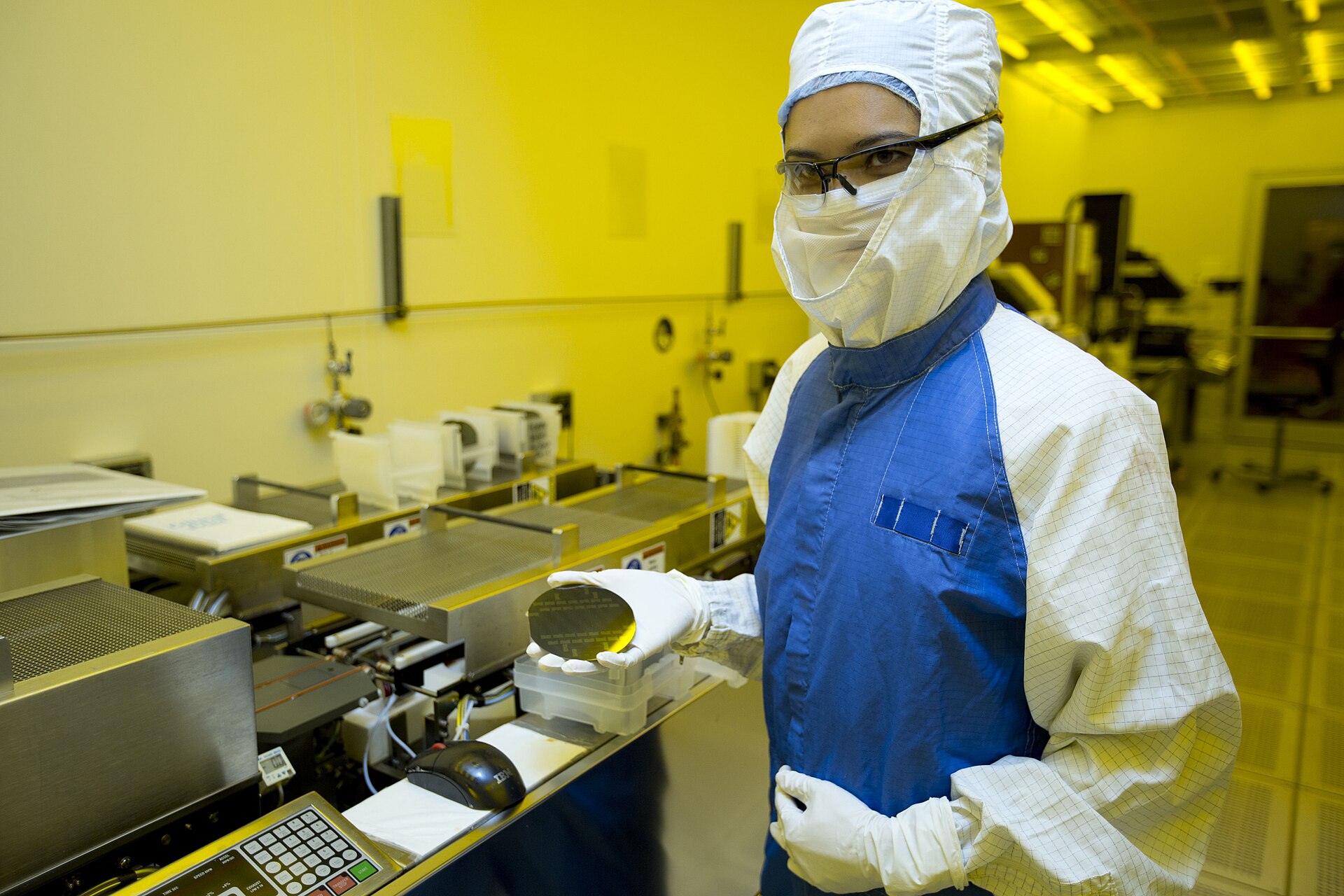
The memory trade spilled into software and infrastructure. Oracle soared 11 percent after issuing a rosy long-term revenue forecast — a reminder that the AI buildout is now as much about the cloud contracts behind the models as the chips inside them. Japan's Nikkei 225 rose 1.1 percent in SK Hynix's wake, while France's CAC 40 was little changed. The pattern of the last two sessions held: whatever anxiety the Fed and the oil market create, demand for anything tied to AI memory keeps pulling the indexes higher.
Winners, losers and the earnings gauntlet
The day's biggest single-stock moves came from earnings and deal news. Vertiv, which makes cooling and power equipment for data centers, soared 16 percent after its results. Wendy's surged 15 percent after Nelson Peltz's Trian Fund Management offered more than $1.4 billion in cash to buy the burger chain. GE HealthCare rose 6.5 percent and PPG Industries added 4.5 percent. Alphabet climbed nearly 1.5 percent ahead of its earnings, due after the close, and Amazon added 0.5 percent before its own report on Thursday.
The losers were led by Enphase Energy, which plunged 16 percent, and Logitech, which sank 12 percent. Boston Scientific fell 5.8 percent after its profit forecast for the current quarter came in short of expectations, and Robinhood dropped more than 3 percent on a profit and revenue miss. Tesla declined almost 1 percent, cooling off after surging more than 9 percent across the week's first two sessions. Meta fell more than 1 percent — a third straight decline — as investors weighed its plan to raise up to $95 billion to fund its AI ambitions, and Microsoft eased about 0.1 percent ahead of its earnings. GE Vernova pulled back almost 2 percent, and the Roundhill MAGS fund of giant technology stocks finished 0.3 percent lower — a sign that even on an up day, the mega-cap trade no longer moves in lockstep.
What this means for regular people
For anyone with a 401(k) or an index fund, Wednesday was a quiet win: a third straight gain for the S&P 500 nudges retirement balances up, and the leadership came from profitable chip and software companies rather than speculation. But the more consequential numbers for household budgets were not in the stock indexes. A 10-year Treasury yield above 5 percent keeps mortgage rates elevated and makes car loans, personal loans and home-equity credit more expensive — while continuing to reward savers, with high-yield savings accounts and certificates of deposit still paying rates that were unthinkable five years ago.
Oil above $100 a barrel is the other household story: sustained crude at these levels feeds through to gasoline prices within weeks and, if it persists, into the cost of everything moved by truck or plane — one reason the Fed is in no hurry to declare inflation beaten. And if the FedWatch odds are right and the Fed does raise rates in December, the first place most families would feel it is on variable-rate credit cards, whose interest charges reset with the federal funds rate. None of this is a reason to change a long-term plan over one day's headlines; it is a reason to know which of your own rates — mortgage, card, savings — are fixed and which float. This is general education only, not financial advice.
What to watch next
The answers start arriving tonight: Alphabet and Microsoft reported after Wednesday's close, and their results — above all, what they say about AI spending and cloud demand — will set the tone for Thursday. Amazon reports Thursday, on the heaviest data day of the week: U.S. GDP and the PCE inflation report, the Fed's preferred price gauge, land the same morning, alongside the European Central Bank's rate decision. Beyond that, the calendar holds the U.S. midterm elections next week and the Fed's next meeting on December 9, where the only question that matters is whether the "family fight" ends in another hold — or in the hike futures markets now expect.
Sources: The Wall Street Journal and Associated Press market wraps; Reuters on the Federal Reserve decision; Investopedia's closing coverage; CME FedWatch; U.S. Energy Information Administration. Closing levels as of the 4 p.m. Eastern close on Wednesday, October 28, 2026. This article is reporting and analysis, not investment advice.