Nasdaq +1.1% / SpaceX posts its first-ever profit, Tesla merger talk — and a 5.12% yield that will not blink
Track it live: Live stock market tracker · Live oil price tracker
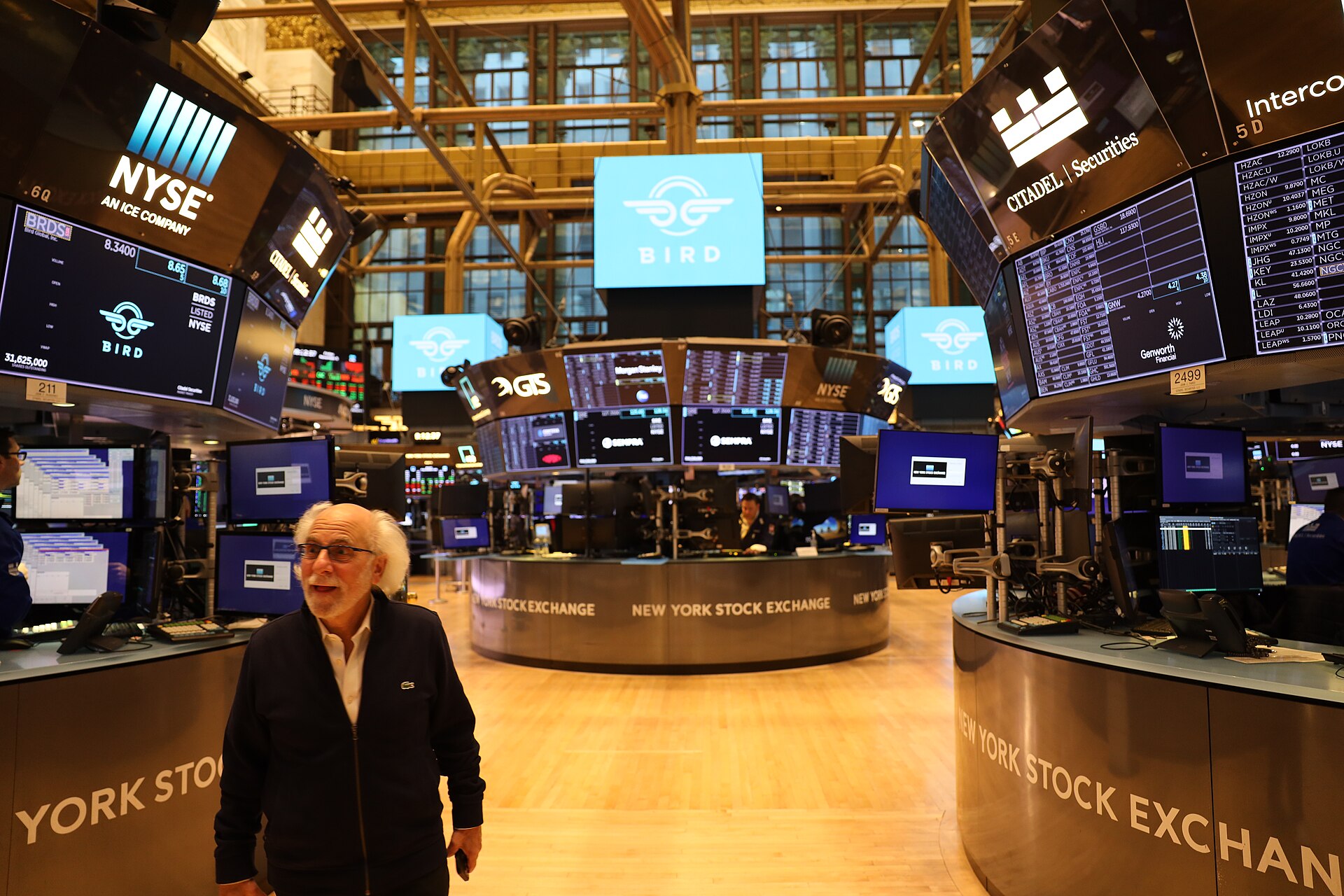
The close in numbers: the S&P 500 finished at 7,757.17, up 44.60 points, or 0.6 percent — its third straight gain, ending the day within 0.8 percent of its all-time high. The Dow Jones Industrial Average climbed 360.21 points, or 0.7 percent, to 52,856.09, and the Nasdaq Composite added 278.04 points, or 1.1 percent, to 26,702.86. The Russell 2000 index of smaller companies edged up about 0.2 percent, trailing the big indexes a day after it led them. Fear, such as it was, kept draining away: the VIX volatility index fell 3.6 percent to 16.68. It was a steadier session than Tuesday's whipsaw rally, and a longer way from Monday's split decision — three sessions that together have carried the market back to the edge of records, with a war premium in oil and a 5 percent bond yield still sitting underneath it.
Oil and bonds: the two numbers that did not join the rally
Energy stayed expensive and money stayed dear. West Texas Intermediate crude eased about 0.4 percent to roughly $97.50 a barrel, but Brent crude settled at $108.82 after trading between $108 and $111 — inside an October range of $97 to $112 that has been set, week after week, by Iran-war uncertainty, as our coverage of oil's break above $110 this autumn has tracked. In the bond market, the 10-year Treasury yield held at 5.12 percent and the 30-year at about 5.43 percent — levels that keep mortgage and corporate borrowing costs pinned near their highs even on a day when stocks celebrate. Gold futures inched up 0.1 percent to $4,145 an ounce, bitcoin held near $84,500, and the dollar index sat at 101.69, nearly flat. The pattern is the same one that has defined October: equities can climb, but they climb with a weight on their backs.
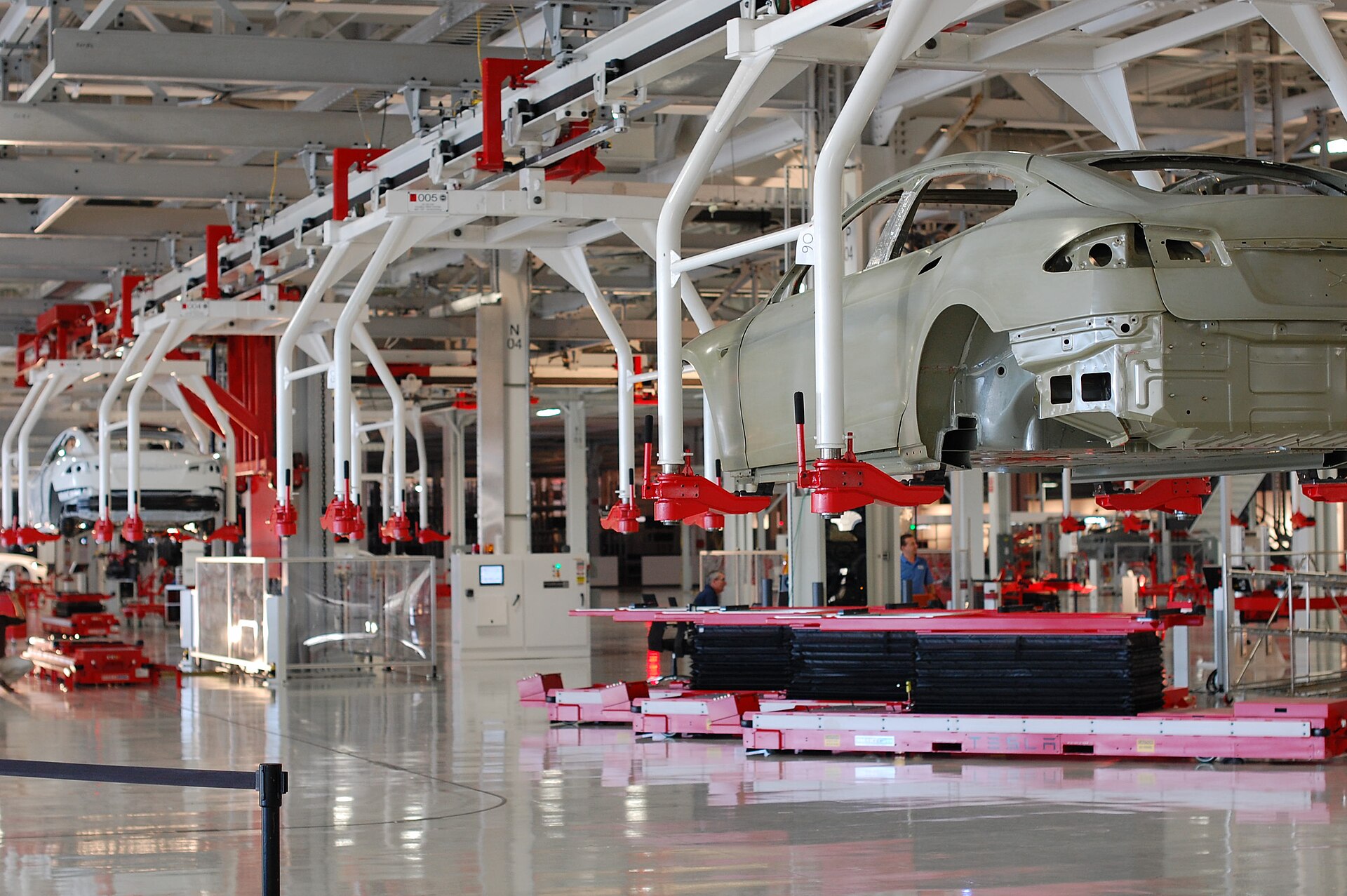
SpaceX posts its first profit — and opens the Tesla merger question
The day's defining company news came from the company that, until recently, barely reported numbers at all. SpaceX gained 7.8 percent after posting the first quarterly profit in its history — a milestone for a business that spent two decades as the world's most valuable cash-burning startup, and a vindication, at least for one quarter, of the starlink-and-launch economics its backers have long promised. Elon Musk then widened the story: he said the boards of SpaceX and of Tesla have each formed committees to discuss a possible merger of the two companies. The talk is preliminary — committees are where mergers go to be studied, not announced — but Tesla shares still rose 3.4 percent on the possibility of a combination that would put rockets, satellites, electric cars and artificial intelligence under one roof and one stock. Investors should keep the sequence straight: what is fact today is a profitable quarter and two board committees; everything beyond that is a negotiation that may never produce a deal, between two companies controlled by the same man, whose other shareholders will have their own say.
AI still carries the index
Underneath the Musk headlines, the artificial-intelligence trade did the index's heavy lifting again. Nvidia rose 2.5 percent and was the strongest single force lifting the S&P 500. Super Micro Computer jumped 9.5 percent after raising its revenue outlook on AI platform demand, the semiconductor fund SOXX gained 2 percent, and the big-tech MAGS fund added about 1 percent. CoreWeave was the exception that proves the theme's volatility: its shares swung between a 4 percent gain and a 4.5 percent loss before closing down 0.5 percent. When one sector supplies both the day's biggest winner and its wildest ride, the market's centre of gravity is not hard to locate.
Earnings season's real test: guidance, not the beat
By the numbers, earnings season is going well — about 86 percent of S&P 500 companies that have reported so far have beaten profit estimates, with roughly 13 percent of the index in by Wednesday morning. But Wednesday showed what this market actually punishes. AT&T beat expectations and fell 6.4 percent anyway, because its guidance disappointed. Netflix beat and fell 5.3 percent, after its fourth-quarter revenue-growth forecast came in short and it lowered its 2026 advertising guidance. Abbott Laboratories slipped 2 percent and Philip Morris 1.5 percent. The winners were companies whose stories pointed forward: Capital One rose 2.5 percent, Winnebago jumped 10.7 percent, and IBM gained about 4 percent ahead of its own results. The lesson of the season so far is precise — a beat is the entry ticket, not the prize; the outlook is the prize.
The 5.12 percent problem
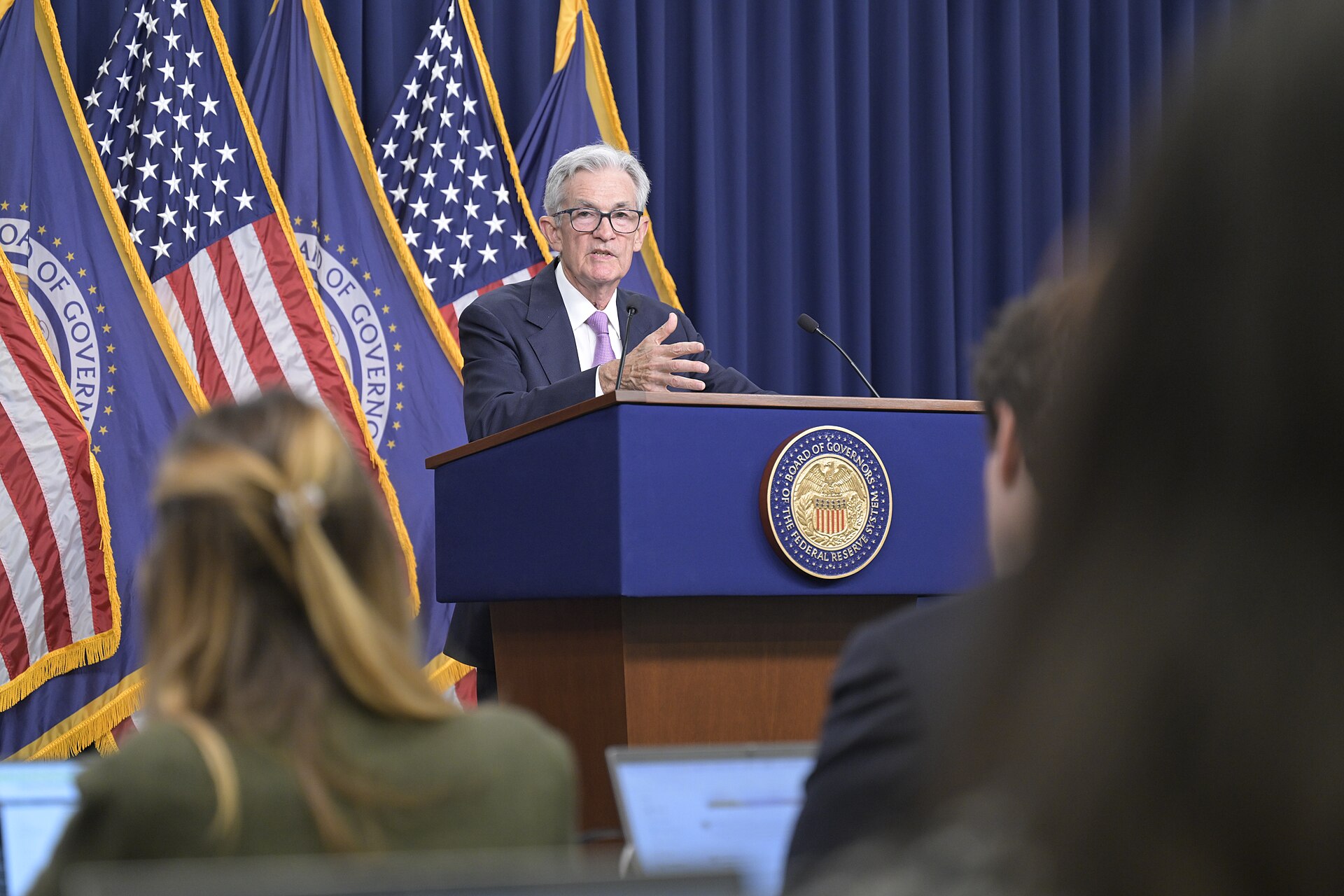
Everything above is happening under a number that refuses to move: a 10-year Treasury yield of 5.12 percent. The Federal Reserve is in its blackout period before the October 27–28 meeting, at which futures markets see roughly 83 percent odds of a hold — and, in the harder question behind it, a December rate hike is seen as likely if energy-driven inflation stays sticky, according to ATFX. Housing is where the yield bites hardest and fastest: September housing starts fell 5.2 percent, extending the slump that Tuesday's 7.3 percent plunge in pending home sales had already flagged. A stock market at the edge of records and a housing market in retreat is an unusual combination, and it persists for one reason — the rally is being carried by a narrow set of very profitable companies, while the cost of money for everyone else is set by a bond market that is pricing a war, an oil price above $100, and a central bank that cannot yet declare victory over inflation.
What it means for regular people
For anyone with a retirement account, Wednesday was quietly good news: a third straight gain leaves the S&P 500 within reach of a record, and the index's rise was broad enough to include banks, industrials and smaller companies, not only the AI giants. For anyone trying to borrow, nothing improved — a 5.12 percent 10-year yield keeps mortgage rates near their highs, September's falling housing starts promise fewer homes to buy, and Brent crude at $108.82 keeps upward pressure on fuel and everything shipped by it. And for savers, the split is the story of the year in miniature: cash and short-term bonds still pay around 5 percent, a return that competes with stocks in a way it has not for a generation — which is precisely why every guidance disappointment now gets punished so quickly. When the risk-free alternative pays 5.12 percent, a stock has to argue for its price every single quarter.
Why this matters
Wednesday matters because it showed a market learning to live at two altitudes at once. At the top, the numbers are genuinely impressive: an index within 0.8 percent of its record, an 86 percent earnings beat rate, the world's most ambitious private company posting its first profit, and its founder openly exploring the largest merger in corporate history. At ground level, the same economy has a 5.12 percent risk-free rate, a shrinking housing pipeline, oil priced for a war, and investors who will sell a company 6 percent in a morning for the crime of guiding cautiously. Both altitudes are real, and the tension between them is the market's defining risk: the rally's leaders are priced for futures that must now arrive on schedule, because the discount rate offers no cushion if they do not. SpaceX's profitable quarter is the day in miniature — a real achievement, years in the making, immediately converted by the market into a much larger bet about mergers and empires. Whether that conversion looks visionary or feverish depends on quarters that have not happened yet.
What happens next
The test resumes within hours. Tesla, Meta, IBM, Lam Research and Texas Instruments all report after Wednesday's close, and Tesla's call will be the first place the merger-committee talk meets detailed questions. Friday brings flash PMI surveys for a read on October's economy in near-real time. Then comes the week's real event: the Federal Reserve's October 27–28 meeting, where a hold is expected but the statement's language on energy inflation will be read line by line — and beyond it, the December meeting at which a hike is openly discussed. Overseas, the tone was supportive on Wednesday, with South Korea's Kospi up 3.3 percent and European markets higher. But the calendar's message is simple: this rally has one week to enjoy itself before the central bank, and the yield that will not blink, take the microphone back.
Sources: Associated Press, Oct. 21, 2026, via TV News Check (closing index levels, Treasury yields, Brent crude settlement, sector and stock moves) — full URL: https://tvnewscheck.com/business/article/dow-climbs-360-nasdaq-adds-278-sp-500-gains-45/ ; Investopedia closing wrap, Oct. 21, 2026 (SpaceX first profit and merger committees, WTI close, earnings-season beat rate, after-hours calendar) — full URL: https://www.investopedia.com/stock-market-today-dow-jones-s-and-p-500-10212026-12185746 . Related on Signal Post News: Stock market, October 20: Dow jumps 600 · Stock market, October 19: Nasdaq rebounds, Dow slips · Oil: Brent and WTI break $110.