South Korea exports October 2026 have set another record: shipments in the first 20 days of the month more than doubled from a year earlier to $61.6 billion, and nearly half of everything South Korea sold to the world was a semiconductor, as the global build-out of artificial intelligence data centres kept pulling Korean memory chips out of the country at a pace no previous October has come close to.
Markets / Asia — semiconductors are now 44.7 percent of everything Korea sells abroad, and the AI boom is rewriting the country's trade map in real time
Track it live: live markets tracker
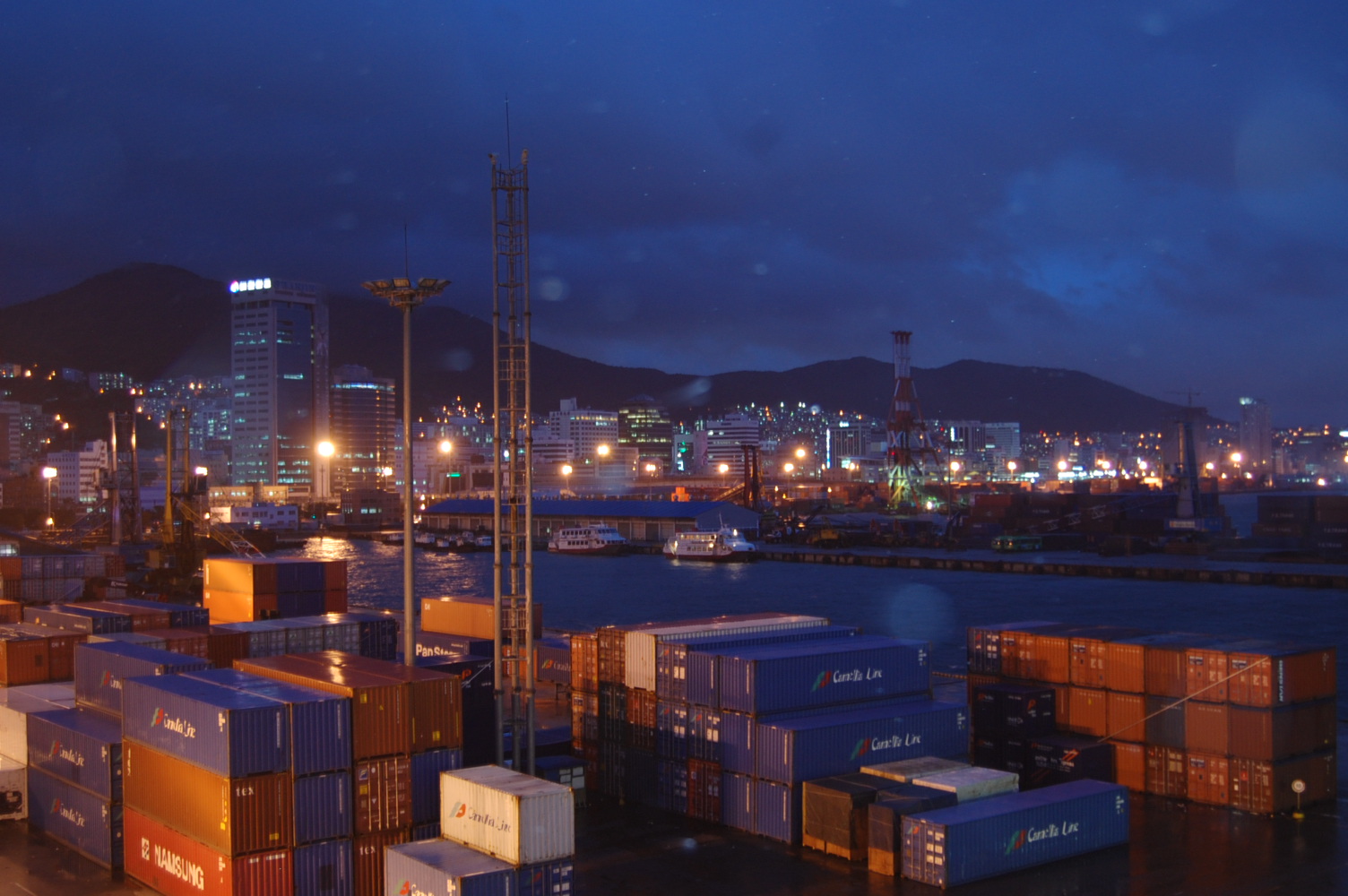
What the customs data shows
The headline number needs one honest adjustment, and the customs service makes it itself. This year’s October 1–20 window contained 13 working days, against 10.5 a year earlier, because of how holidays fell — so part of the 105.4 percent jump is a calendar effect. Strip that out and the boom is still extraordinary: average daily exports rose 65.9 percent to $4.74 billion, the highest daily average ever recorded for the first 20 days of a month, and almost identical to the record $4.75 billion daily pace set in the first 10 days of October. In other words, the surge did not fade as the month went on — it held at full speed.
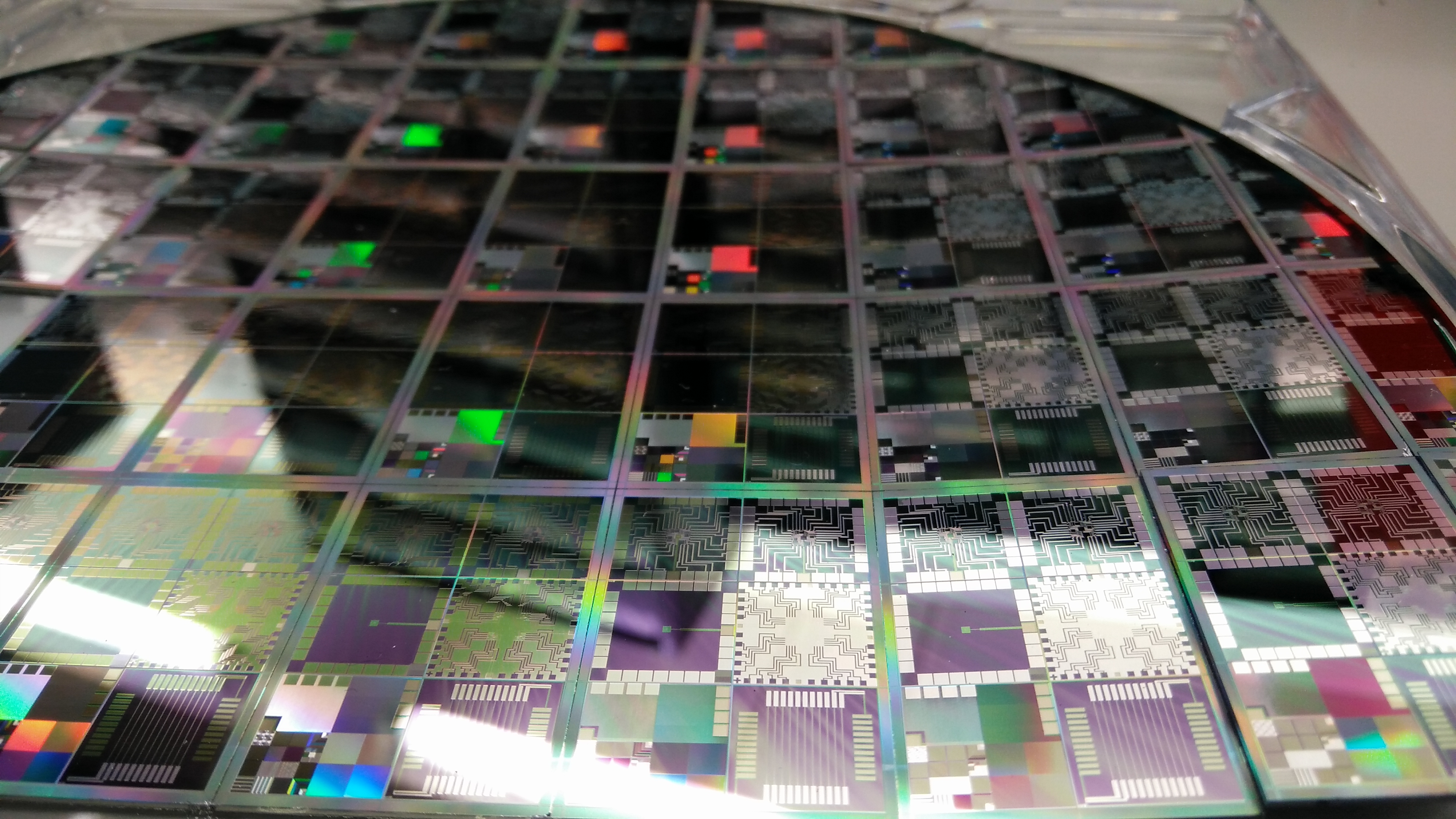
Chips did the heavy lifting. Semiconductor exports of $27.5 billion were up 222.5 percent from a year earlier and lifted the sector’s share of total exports by 16.2 percentage points, to 44.7 percent. But the strength was not chips alone: computer peripheral exports surged 424.0 percent to $2.43 billion, petroleum products rose 68.3 percent to $3.95 billion, passenger car exports increased 40.9 percent to $3.36 billion, steel products rose 42.6 percent and auto parts gained 40.4 percent, according to the customs data carried by Aju Press and MoneyToday.
By destination, the map tilted hard toward Korea’s two biggest customers. Exports to China jumped 154.4 percent to $16.7 billion and exports to the United States rose 154.9 percent to $10.8 billion; shipments to Vietnam rose 74.6 percent to $5.01 billion and to the European Union 78.2 percent to $4.46 billion. China, the United States and Vietnam together took 52.7 percent of everything Korea exported. Imports told the other half of the story: semiconductor imports rose 78.4 percent to $7.57 billion — Korea’s chip industry buys equipment and materials from the same global supply chain it feeds — while crude oil imports rose 42.9 percent and gas imports more than doubled, up 112.4 percent.
Why this matters
Start with the sequence. September was already a landmark month — as we reported at the time, South Korea’s September exports passed $120 billion, with monthly growth of 83.7 percent that Reuters noted was the biggest jump since February 1974. The October 1–20 figures say September was not a one-off spike driven by a single shipment cycle. Two consecutive record months, at a daily pace that is not decaying, is what a structural shift looks like in trade data: the AI investment wave — the same demand behind record orders for next-generation AI processors and the vast data-centre build-out in the United States and China — is being supplied, in large part, by Korean memory.
The concentration cuts both ways, and it is the number in this release that deserves the closest reading. At 44.7 percent, semiconductors are approaching half of all Korean exports. That is a triumph of industrial strategy — decades of support for Samsung Electronics and SK Hynix have put Korea at the centre of the one product the whole world is currently bidding for — and it is also a vulnerability. An economy whose export engine is this concentrated rises faster than its peers while the cycle runs, and falls harder when it turns. Korean policymakers have lived that cycle before: memory prices have boomed and crashed roughly every three to four years for three decades. What is different this time is the buyer. Previous chip booms were driven by consumer gadgets with short replacement cycles; this one is driven by data-centre capital spending, which is planned years ahead — one reason analysts argue the upcycle could prove longer, even if it cannot prove permanent.
There is a geopolitical reading, too. Exports to China and the United States each rose by roughly 155 percent in the same 20 days. Korea is not choosing between its security ally and its largest trading partner in these numbers — it is selling record volumes to both, at the same time, in the middle of a technology rivalry in which chips are the contested ground. That balancing act has been the defining tension of Korean economic policy for years, and a $61.6 billion 20-day export print makes the stakes of getting it wrong larger, not smaller. The $14.5 billion trade surplus in 20 days also matters for the won and for the Bank of Korea: export earnings on this scale support the currency and give policymakers room they would not have if the boom were import-led.
What happens next
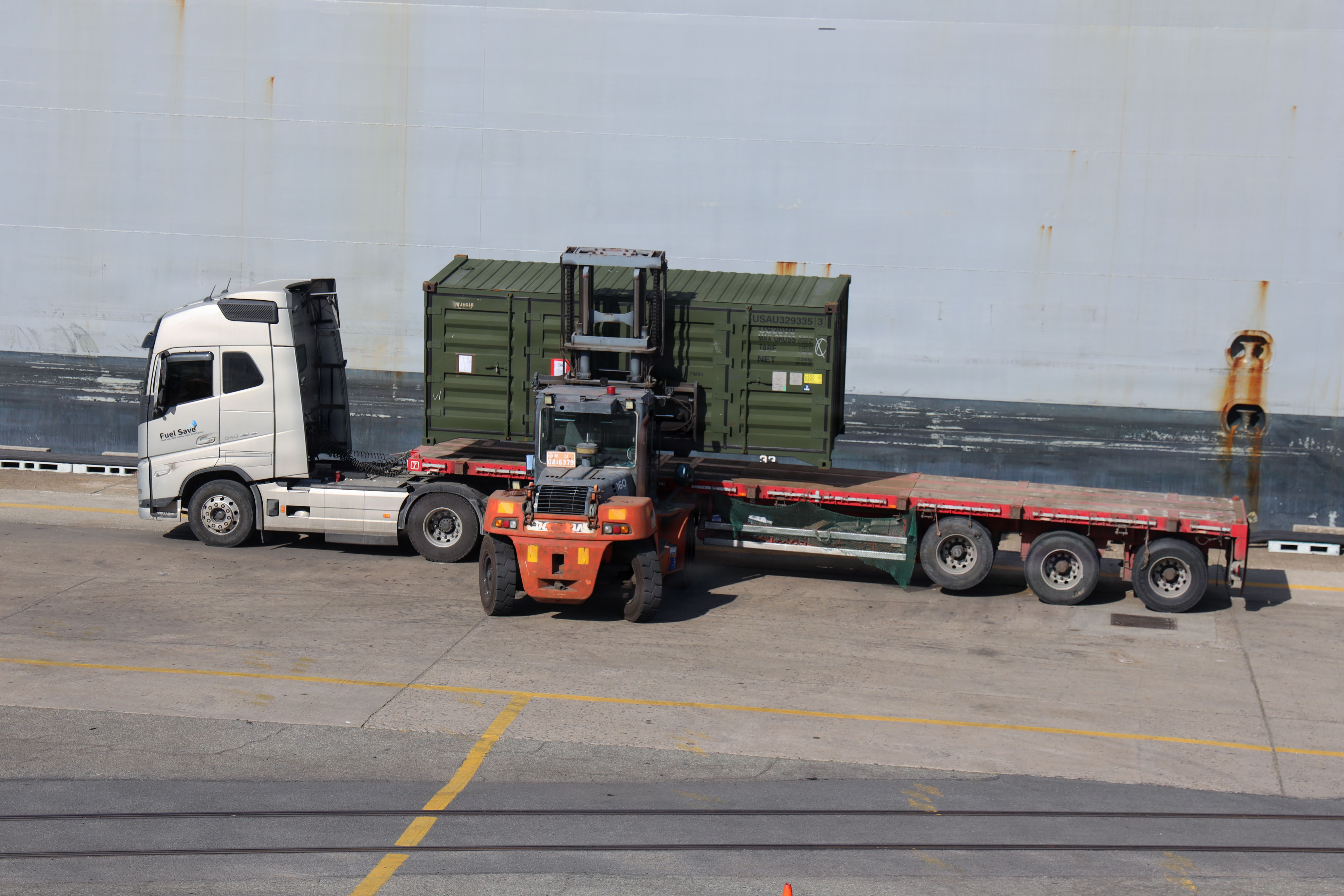
The full-month October figures, due at the start of November, will show whether the daily pace survived the month’s final third — and, more importantly, whether the non-chip categories that joined the surge (cars, steel, petroleum products) can keep growing once the calendar effect washes out. The questions that decide whether this is a peak or a plateau are the ones the customs release cannot answer: how much of the chip demand is data-centre construction that continues into 2027, whether memory prices hold at levels that keep export values tripling, and whether either Washington or Beijing moves to restrict the flows that these numbers show growing at 155 percent a year. For now, the data says something simpler. The AI boom is often described as a story about American software companies and Taiwanese factories. In October 2026, the trade ledger says it is also, to the tune of $4.74 billion a day, a Korean story.
Sources
Reuters, “South Korea October 1-20 exports surge 105% on record chip sales” (October 21, 2026, Seoul) — headline growth, working-day-adjusted daily average of $4.74 billion, semiconductor growth of 222.5 percent and the September comparison. Aju Press, “Korea’s mid-October exports double at fresh high” (October 21, 2026) — full Korea Customs Service breakdown: total exports $61.6 billion, imports $47.1 billion, surplus $14.5 billion, working days 13 vs 10.5, chips $27.5 billion at 44.7 percent of exports, category and destination detail. MoneyToday (October 21, 2026) — corroborating customs breakdown including semiconductor, energy and machinery import figures. Korea JoongAng Daily / Yonhap (October 12, 2026) — the October 1–10 release, for the comparison of daily averages across the month.