SNAP benefits October 2026
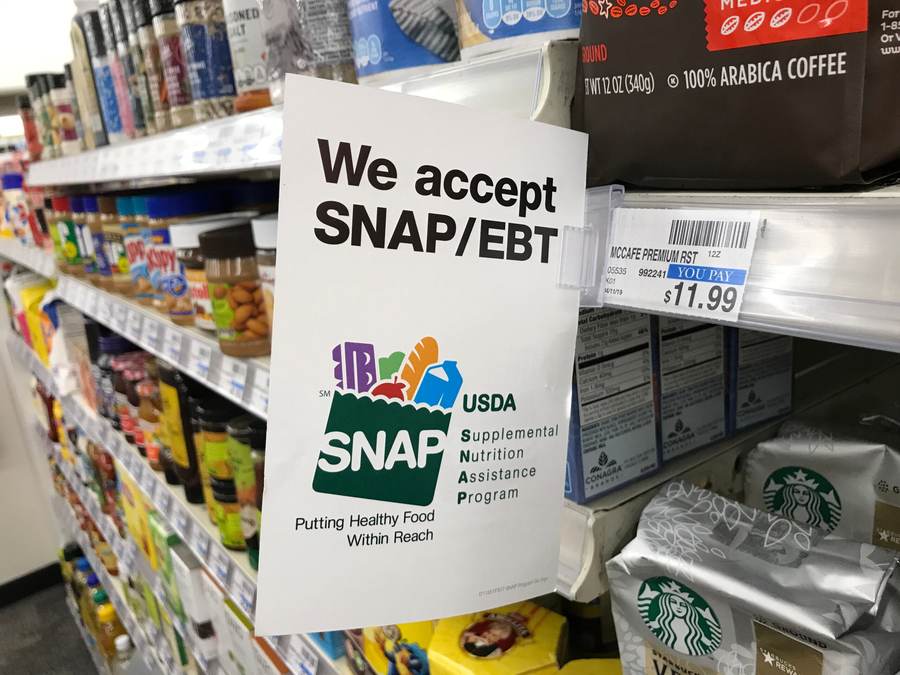
WASHINGTON — SNAP benefits October 2026 begin with an inflation adjustment that raises the maximum monthly allotment for a one-person household in the 48 contiguous states and Washington, D.C., from $298 to $306. A family of four moves from $994 to $1,023, while the minimum benefit rises from $24 to $25. Those numbers are real, immediate and helpful. They are also the smallest part of a much larger policy reset now moving costs from the federal ledger to state budgets.
The new allotments apply from October 1, 2026, through September 30, 2027. A two-person household can receive up to $562, a three-person household $808, a five-person household $1,217 and a six-person household $1,463. The seven- and eight-person maximums are $1,616 and $1,841, with $225 added for each extra person.
That is the consumer-facing half of the story. The administrative half starts today too: states now pay 75% of SNAP administrative costs, up from the previous 50-50 split with Washington. Beginning October 1, 2027, states with payment error rates above 6% will also have to shoulder part of benefit costs for the first time in the program's modern history.
Why this matters: a small COLA sits inside a structural overhaul
A cost-of-living adjustment is designed to prevent inflation from quietly shrinking a benefit. It does not create a windfall. For a four-person household, the maximum rises $29 a month—about 97 cents a day across the household. The one-person increase is $8 a month, or roughly 26 cents a day.
That distinction matters because “increase” can sound larger than the purchasing-power reality. Food prices, rent, utilities and transportation compete for the same low-income household budget. SNAP can be spent only on eligible food, so even a mathematically correct COLA may feel invisible at checkout when grocery prices have already climbed.
The political argument will split along two tracks. Supporters of the adjustment can accurately say benefits rose. Critics can accurately say the rise is modest and arrives alongside eligibility restrictions and a federal spending reduction. The honest reading is both: recipients get a nominal increase this month, while the program's longer-term reach and financing become less secure.
SNAP maximum allotment 2027: what households can receive
The maximum schedule for the contiguous states and Washington, D.C., is $306 for one person; $562 for two; $808 for three; $1,023 for four; $1,217 for five; $1,463 for six; $1,616 for seven; and $1,841 for eight. Each additional household member adds $225. Alaska, Hawaii, Guam and the U.S. Virgin Islands use separate schedules because food costs differ.
Maximums are not typical checks. A household's actual allotment depends on countable income, deductions and household circumstances. The program assumes recipients contribute part of their own net income toward food, then fills some of the gap up to the maximum. A higher ceiling therefore does not mean every recipient sees the full dollar increase.
The minimum rises by one dollar to $25. That matters mostly for eligible one- and two-person households whose income and deductions otherwise calculate to a very small allotment. The figure is politically modest but administratively important: without a minimum, some households could remain technically eligible while receiving almost nothing.
SNAP income limits 2027: the threshold moves too
The gross monthly income ceiling for households subject to the standard 130%-of-poverty test is now $1,729 for one person and $3,575 for a family of four. Gross income is only the first screen. Net-income rules and deductions for shelter, earned income, dependent care and certain medical expenses still shape final eligibility and allotments.
The standard deduction for households of one to three people is $217, while the excess-shelter deduction cap is $769. Countable-asset limits are $3,000 for most households and $4,750 when a member is age 60 or older or has a disability, though categorical eligibility policies can make asset treatment vary by state.
These thresholds are easy to misread as a national promise. SNAP is federally funded but state-administered, and states have discretion in several eligibility pathways. Applicants should use their state agency's current calculator and notice rather than assume the national gross-income table settles the question.
The background: from food stamps to a federal-state pressure test
SNAP has long paired federal benefit funding with shared administration. Washington paid the benefits, while federal and state governments generally divided administrative costs. That arrangement made state agencies operators rather than co-insurers of the benefit itself.
The 2025 One Big Beautiful Bill Act changed the bargain. Starting today, the state administrative share jumps to 75%. The law is projected to shift roughly $17 billion in administrative costs to states over five years. In fiscal 2028—beginning October 1, 2027—states above a 6% payment error rate face a share of benefit costs as well.
Payment error does not mean fraud in every case. It includes benefits paid too high or too low because of incomplete information, delayed reporting, calculation mistakes or agency processing errors. Tying a state's future bill to that rate turns administrative accuracy into a direct budget exposure.
The state-cost angle: pressure will land unevenly
States with strong systems, lower caseload volatility and error rates below the threshold have a clearer path. States above 6% must choose among spending more on staff and technology, tightening verification, accepting a future benefit-cost bill or reducing participation through administrative friction. More than three dozen states currently exceed the threshold cited in national reporting.
The incentive is understandable: if errors carry no state financial consequence, Washington bears nearly all the cost of weak administration. But the remedy can misfire. A rushed effort to drive the rate down may make agencies more conservative, demand more paperwork and close cases that would have been corrected with time or assistance.
That creates a quiet geographic inequality. A household with the same income and family size may encounter a well-staffed office in one state and long waits, more document requests or harder recertification in another. The statutory benefit may be national; practical access is local.
Who wins, who loses and what the numbers mean
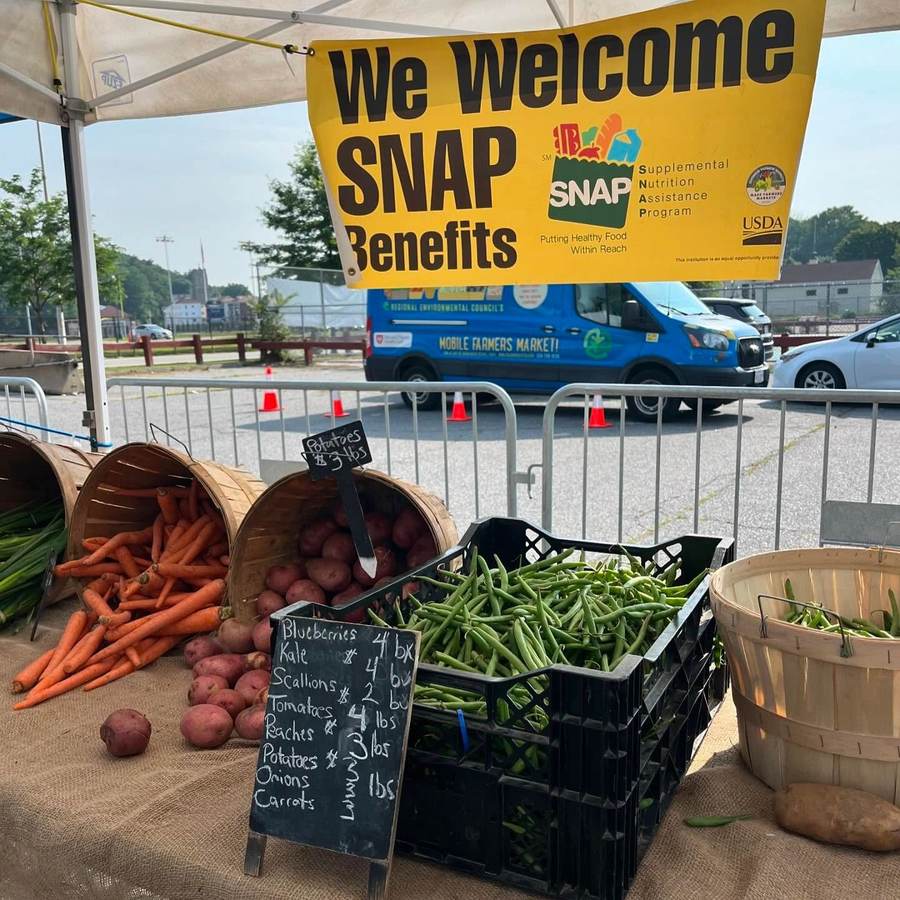
Near-term winners are households that remain eligible and receive the COLA, especially those at the maximum. Grocers and farmers markets benefit at the margin because SNAP dollars are spent quickly in local food economies. States that already control error rates may also gain a comparative advantage.
Near-term losers are state budgets absorbing a larger administrative share, along with agencies that must improve accuracy while processing complex cases. Households close to eligibility or work-rule boundaries face the most uncertainty: a modest COLA is not much protection if a procedural or statutory change ends the benefit altogether.
The Congressional Budget Office estimates the law's SNAP provisions reduce federal spending by roughly $187 billion over 2025 through 2034. That figure is not the value of this year's COLA; it is the cumulative federal reduction from the broader package of eligibility, work-rule and cost-sharing changes. Mixing those two numbers would obscure the policy. The COLA increases scheduled maximums. The law reduces projected federal spending through other mechanisms.
About 37 million people receive SNAP. Even small per-person changes therefore scale into large national sums. The reverse is also true: removing or deterring a fraction of recipients can generate large budget savings while producing concentrated hardship for the households affected.
Work requirements may matter more than the COLA for some adults
The broader law also expands work-related conditions and narrows exemptions for some adults. For people caught by those rules, the relevant October question is not whether the maximum rose by a few dollars; it is whether they can document enough work hours, qualify for an exemption or keep coverage through recertification.
That is why headline comparisons of $298 versus $306 can understate the stakes. Policy changes operate at two levels: benefit adequacy for those who remain enrolled and program access for those at risk of losing eligibility. A fuller assessment must measure both.
Mississippi offers an early warning about scale. Reporting based on USDA data showed participation falling from about 356,700 people in June 2025 to about 312,700 in June 2026. Not every departure has the same cause, but a decline of roughly 44,000 people demonstrates how quickly caseload changes can exceed the value of a small COLA.
What happens next
In the next twelve months, watch state budgets and staffing plans. Legislatures will have to fund the higher administrative share, agencies will work to reduce error rates and advocates will track whether more verification produces fewer mistakes or simply fewer completed applications.
The decisive deadline is October 1, 2027, when benefit-cost sharing begins for states above the error-rate trigger. Before then, states will receive strong incentives to modernize eligibility systems, hire or retrain workers and resolve backlogs. The best outcome is more accurate administration without discouraging eligible households. The worst is a paperwork arms race that saves money by making access harder.
For recipients, the practical checklist is narrower: review the state notice, confirm household and income information, preserve proof of deductions and respond quickly to recertification requests. The federal table sets the outer limits. The state file determines the actual payment.
The October adjustment should be judged for what it is—a maintenance increase, not a new anti-hunger expansion. The larger story is a redesign of accountability. Washington is betting that financial pressure will make states more accurate. States are about to test whether they can meet that demand without making the safety net less reachable.
Sources and reporting notes
- USA Today: October SNAP changes, COLA and federal cuts
- Washington Examiner: maximum allotments and qualifying income by household size
- Clarion Ledger: Mississippi participation and October benefit changes
- The U.S. Sun: household allotment schedule and minimum benefit
- Benefit Guide: FY2027 USDA adjustment figures and deduction limits
Reporting note: Allotments, limits, participation figures, statutory dates and estimates are drawn from the cited reporting and its referenced government data. Daily-dollar comparisons, incentive analysis and forward scenarios are Signal Post News analysis.
Signal Post News will update this report as states publish implementation guidance and budget plans.
Back to all stories