Six Flags Closes Nine Rides After Goliath Death in Georgia
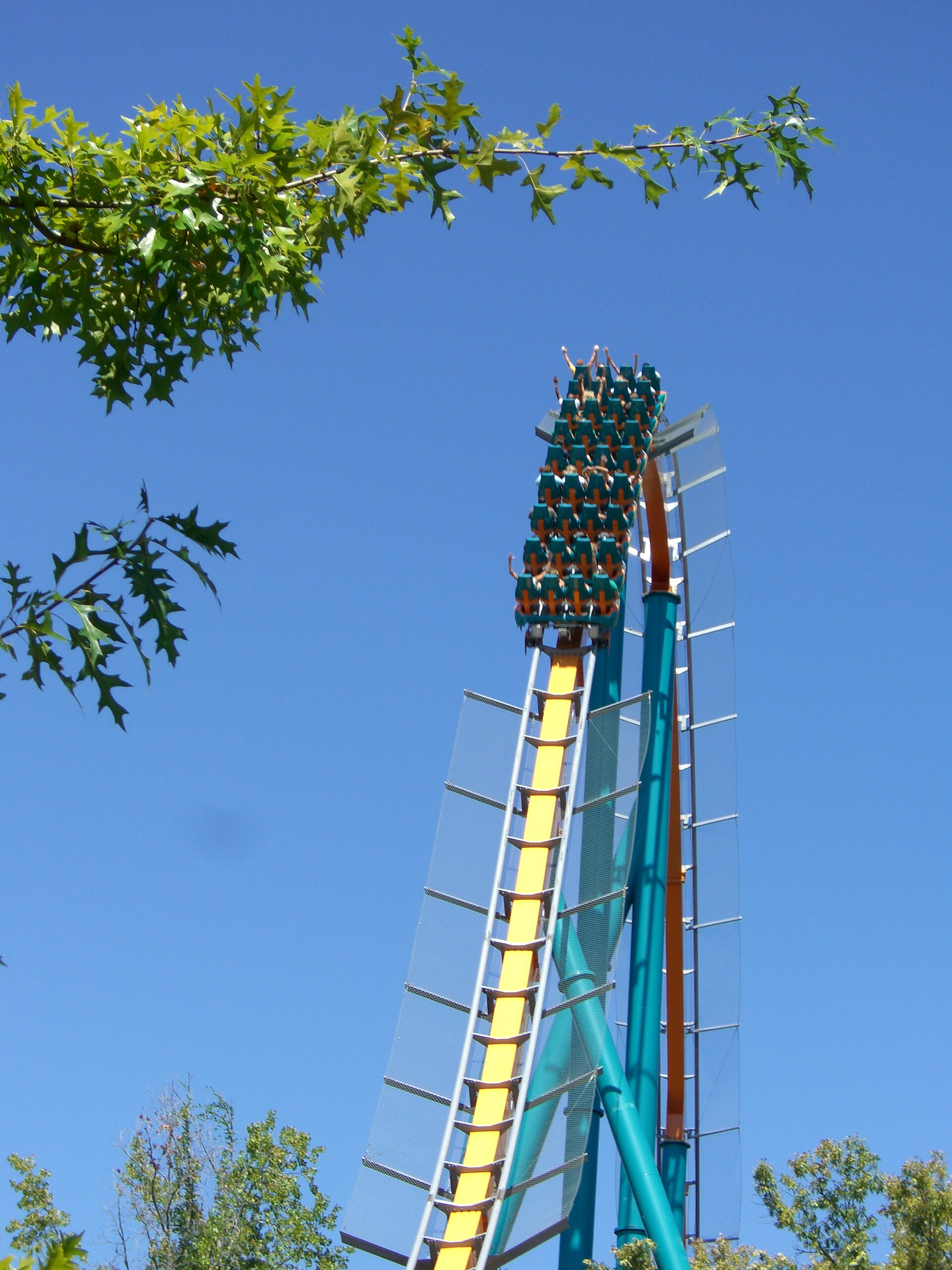
Six Flags closes nine rides across six of its parks in the fallout from Monday's death at Six Flags Over Georgia, in what the company describes as a precaution taken out of an abundance of caution while the investigation continues. This article follows our earlier coverage of the incident itself — a man dies on the Goliath roller coaster at Six Flags Over Georgia — and reports what has happened since: a multi-state ride shutdown, a manufacturer investigation, and a sharp fall in the company's share price. Our first thought, as in that report, is with the family of the guest who died, who has not yet been publicly identified, and with those who were injured.
What is known has not changed since Monday, and it is important to keep it separate from what is not. The incident happened at about 3:58 p.m. on October 12 at the park in Austell, Georgia, about 15 miles northwest of Atlanta. One guest died and several others were injured. The Cobb County Police Department's major crimes unit is investigating. Witnesses reported seeing a man fall from Goliath, the park's 200-foot hypercoaster — but neither the park nor the authorities have officially confirmed how he died, and until they do, the witness accounts remain accounts, not findings. Goliath, which opened in 2006, climbs 200 feet, reaches about 70 mph and runs for roughly three and a half minutes; it is the park's signature ride, and it has not operated since.
Nine coasters, six parks, two countries
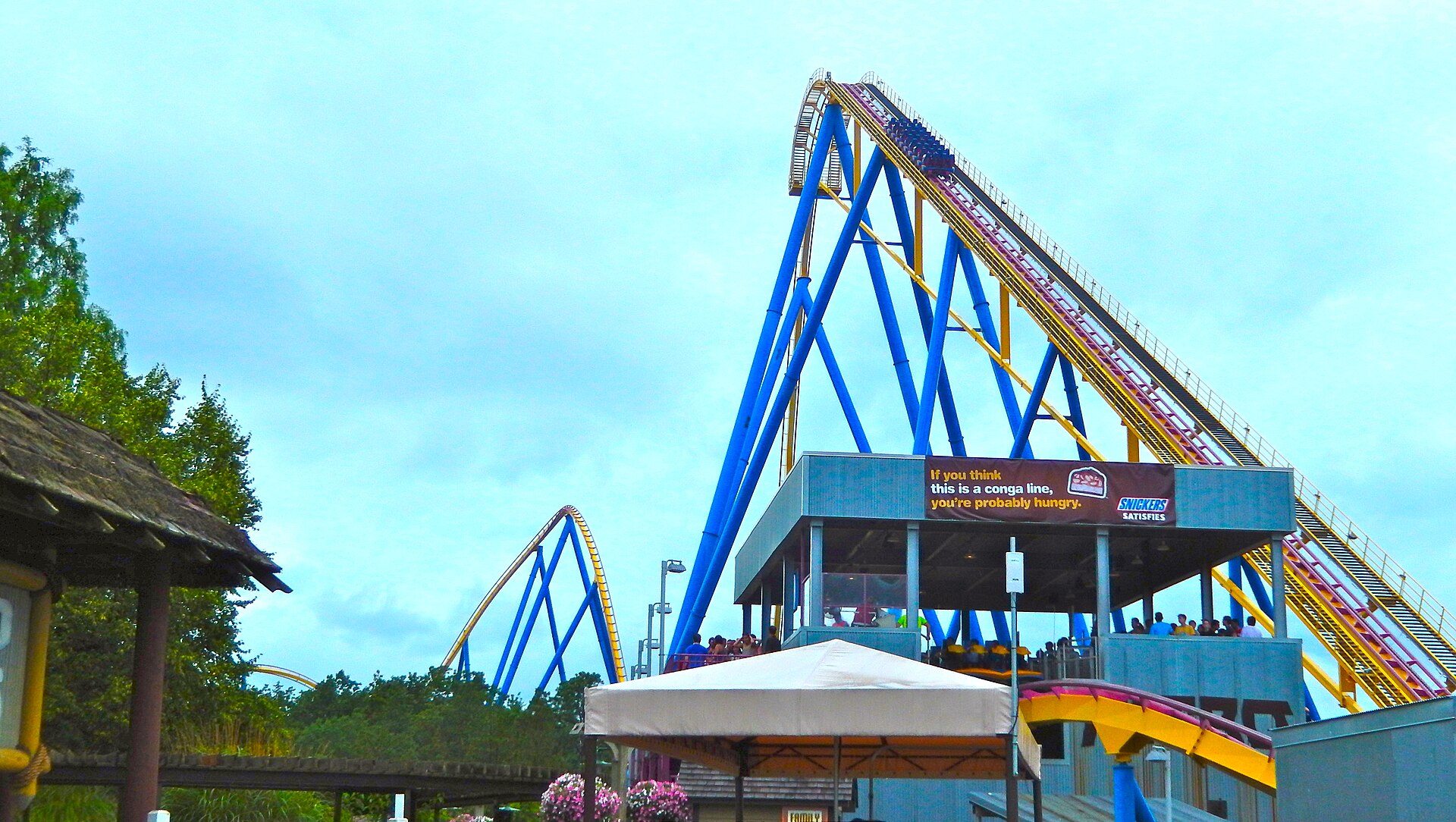
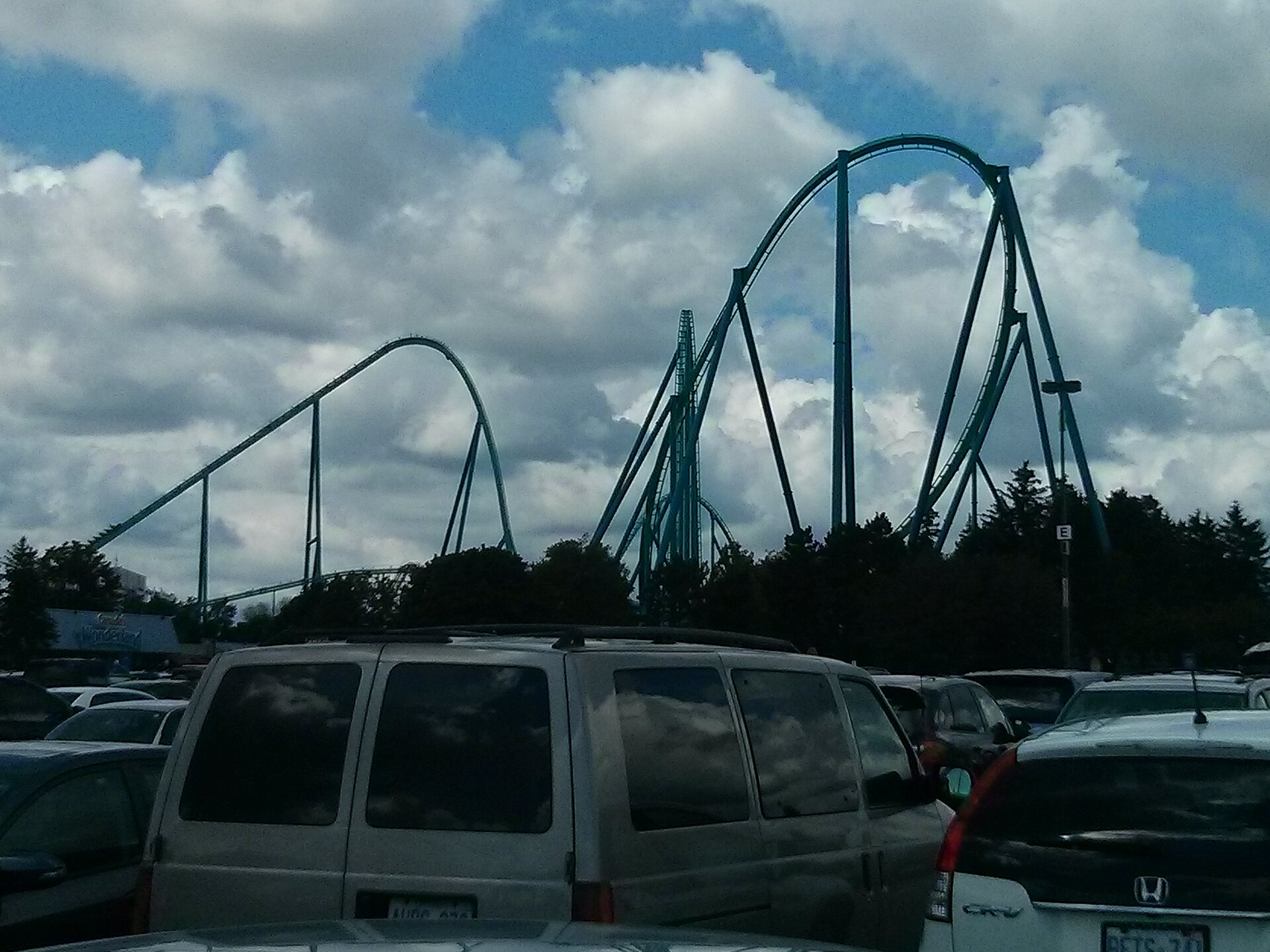
The closures announced since reach far beyond Georgia. Most of the nine rides taken out of service were designed by Bolliger & Mabillard, the Swiss engineering firm whose smooth, tall steel coasters define the modern thrill park — and whose name is now attached to the investigation. The company says it is actively investigating alongside the authorities. The named closures include Nitro at Six Flags Great Adventure in New Jersey and Raging Bull at Six Flags Great America in Illinois — both B&M hypercoasters in Goliath's extended family — and, across the Canadian border, Leviathan and Behemoth at Canada's Wonderland in Ontario, two of the tallest rides in that country.
That geography is the first clue to what the shutdown is and is not. There is no public suggestion that anything went wrong at Nitro, Raging Bull, Leviathan or Behemoth; no incident has been reported at any of them. They are closed because they share design DNA with a ride on which a man died in circumstances nobody has yet explained. In an industry whose entire product is controlled danger, an unexplained death on one machine is treated as a question about every similar machine until it is answered — and the only defensible answer, operationally and morally, is to stop them all and look.
The market reacts, and the questions harden
Investors did not wait for findings. Six Flags shares fell about 12 percent on the news — a drop that prices in not just closed gates and idle rides, but the open-endedness of the timeline. A precautionary closure has no scheduled end; it ends when inspectors and engineers say it ends, park by park and ride by ride, and each reopened coaster will carry Monday's story with it. For the company's recently merged park empire, which sells season passes on the promise of unlimited thrills across a continent of properties, nine silent lift hills are both an operational problem and a symbol.
The harder questions are the investigative ones, and they are only beginning. Cobb County's major crimes detectives will reconstruct the ride cycle, the train, the restraint system and the sequence of decisions on the platform and in the control booth. State ride inspectors will examine the machine itself. Bolliger & Mabillard's engineers — who know the design's tolerances better than anyone — will look for anything in the Georgia ride's configuration or maintenance history that could matter to its siblings. Whether the cause turns out to be mechanical, operational, medical or something else entirely is precisely what cannot be said today, and any account that claims otherwise is ahead of the evidence.
If you have tickets: a practical guide for guests
For readers holding tickets or passes, the useful rules are simple and worth following before any journey. Check before you travel: each park's official app and ride-status pages carry the live closure list, and it can change daily as inspections conclude — a ride closed on Friday may be cleared by Sunday, and the reverse is also possible. Check the specific rides you care about: at the six affected parks, the headline coasters named in this story may be down while the rest of the park operates normally; if your trip was built around one ride, that changes the trip. Know your ticket terms: refund, date-change and rebooking policies vary by park and by ticket type, and weather-or-closure goodwill policies are usually handled through official guest-relations channels — start from the park's own website or app rather than third-party sellers, and keep confirmation emails until your visit is complete. Season-pass holders should watch for official announcements about extensions or make-up benefits; none should be assumed until a park states them. And for any visit this season, build slack into the plan: arrive expecting at least one major ride to be unavailable, and treat anything else as a bonus. Our wider travel coverage, from attraction safety reporting such as the Yorkshire Wildlife Park tiger attack to park-planning guides like the Norwegian Great Tides waterpark guide, follows the same rule: official channels first, always.
Why this matters
Roller coasters are, statistically, among the safest machines the public ever boards. Industry and safety-council estimates in the United States consistently put the chance of a serious injury on a fixed-site amusement ride in the range of one in tens of millions of rides taken, and the country's parks carry hundreds of millions of riders a year with a small number of grave incidents. That record is not an accident of physics; it is the product of exactly the reflex now on display — daily inspections, conservative shutdowns, and an industry culture that grounds first and argues later. The nine closed rides are that culture working as designed, at considerable cost to the company working it.
But statistics are not the whole of trust, and the industry knows it. A theme park sells a single, strange promise: that the fear is theatre and the safety is real. Every guest who straps into a hypercoaster is making an act of faith in restraints, inspections and strangers in uniform — and faith, unlike steel, is damaged by a single unexplained afternoon. The size of this shutdown, spanning six parks and two countries before any cause is known, should be read as Six Flags and Bolliger & Mabillard pricing that faith correctly. Whatever the investigation finds, the closures will have been the cheapest part of this story. The expensive part would have been not closing them.
What happens next
The sequence from here is procedural. Cobb County Police will complete their investigation; the victim's identity is expected to be released once family notifications are done, and officials have said the confirmed circumstances will follow the evidence rather than the speculation. State inspectors must clear Goliath before it can run again, and each of the other eight rides faces its own inspection and sign-off in its own jurisdiction — expect staggered reopenings rather than a single all-clear, each announced through the parks' official channels. Six Flags, for its part, has to manage a Halloween-season calendar with some of its biggest draws dark, and a share price that will keep score. We will update this coverage as official findings are released.
Sources
Associated Press (apnews.com), People (people.com) and CNN (cnn.com), October 12–13, 2026 — the temporary closure of nine coasters across six parks, the named rides at Six Flags Great Adventure, Six Flags Great America and Canada's Wonderland, Bolliger & Mabillard's statement that it is actively investigating, the Cobb County Police major-crimes investigation, and the roughly 12 percent fall in Six Flags shares. Incident details (about 3:58 p.m. on October 12 in Austell; one guest dead, several injured; the victim not yet publicly identified; the mechanism of death not officially confirmed) are as reported by those outlets from official statements, and match our earlier report linked at the top of this article. Goliath's specifications (opened 2006, 200 feet, about 70 mph, roughly 3.5 minutes) are the park's published figures. Ride-safety context is stated in general terms from long-running U.S. industry and safety-council estimates.