is plague contagious
Is plague contagious? In the days since a 28-year-old laboratory worker died of plague in Siberia and Russian health authorities placed roughly 200 of her contacts under medical observation, it has become the most urgent question in public health — and the honest answer is really two answers. The most common form of plague, bubonic plague, does not spread from person to person. But one form, pneumonic plague, does: through infectious droplets at close range. That single distinction is the entire reason Siberia's public-health machinery has gone into overdrive, and understanding it is the difference between informed caution and raw panic.
The death of Darya Shipilova, a technician at the Irkutsk Anti-Plague Institute, has been reported by Russian regional media as a laboratory accident — a broken test tube, severe pneumonia days later, a ventilator, and death during the night of October 1. Russia's chief sanitary physician flew some 2,600 miles from Moscow to oversee the response; a hospital in Shelekhov was quarantined; public gatherings were canceled. Yet even now, federal authorities have not publicly confirmed the exact clinical form of her illness or precisely how she was infected. That uncertainty is not a footnote. It is the whole story — because what you do about plague depends entirely on which plague you are dealing with.
The short answer: it depends on the type
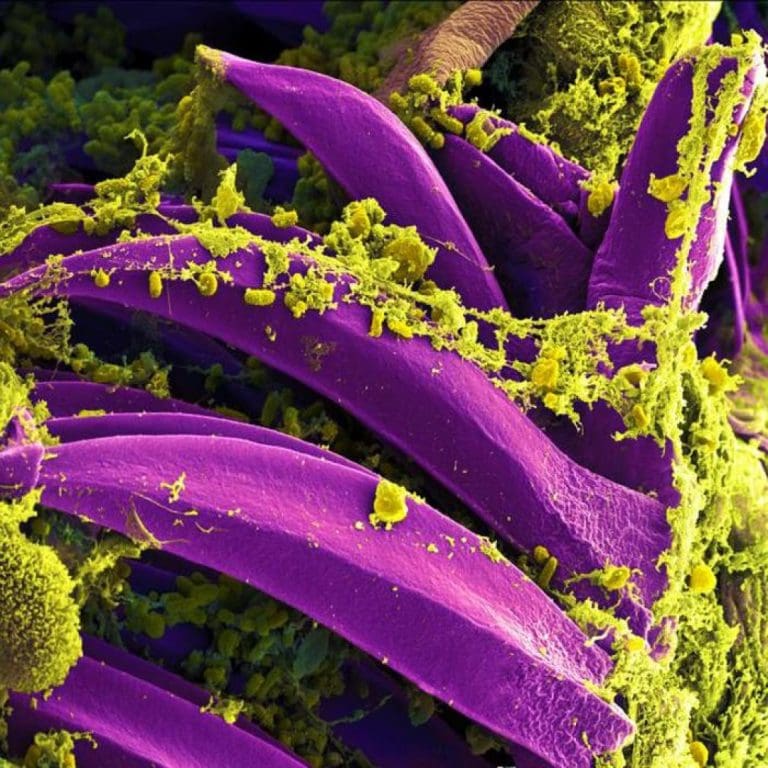
Plague is one disease with three clinical faces, and the contagion question gets a different answer for each. All three are caused by the same bacterium, Yersinia pestis, which circulates naturally in rodents and the fleas that feed on them, according to the U.S. Centers for Disease Control and Prevention. The World Health Organization recognizes bubonic plague — the most common form, marked by painful, swollen lymph nodes called buboes — alongside septicemic plague, an infection of the bloodstream, and pneumonic plague, an infection of the lungs that is the most virulent and the least common of the three.
Hold those three categories in your head, because every public-health decision in Irkutsk right now flows from them. Quarantine for one form would be pointless theater for another, and the authorities' response tells you which form they are taking seriously. Most of what follows is about drawing the lines between these three — because the fear surrounding plague comes almost entirely from blurring them.
Bubonic plague: the flea-bite disease that doesn't spread between people
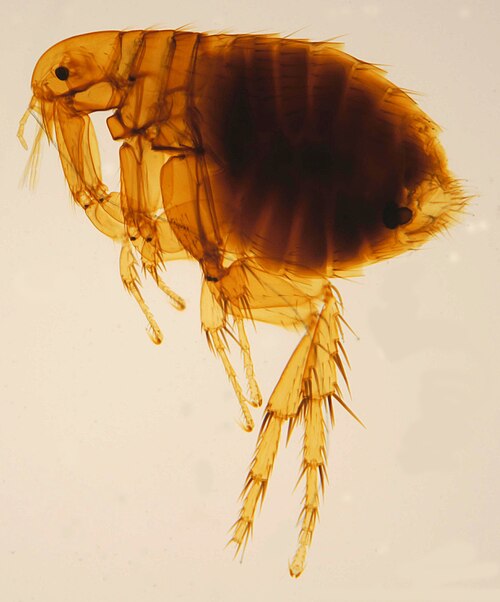
Bubonic plague is the form most people picture when they hear the word plague, and it is also the least contagious. The CDC identifies the bite of infected rodent fleas as the most common transmission route of all: a flea feeds on an infected rodent, picks up Yersinia pestis, and passes it to a human in a later bite. Days later, the victim develops fever and the signature buboes — lymph nodes swollen into painful lumps, usually in the groin, armpit, or neck.
But here is the fact that should reset the fear: sitting beside someone with bubonic plague, nursing them, sharing a meal with them, touching the same doorknob — none of it transmits the disease. Bubonic plague does not move from person to person, full stop. Person-to-person spread of plague has not been documented in the United States since 1924, the CDC reports, and the rare American cases that still occur trace back to fleas or to handling infected animals — not to another patient.
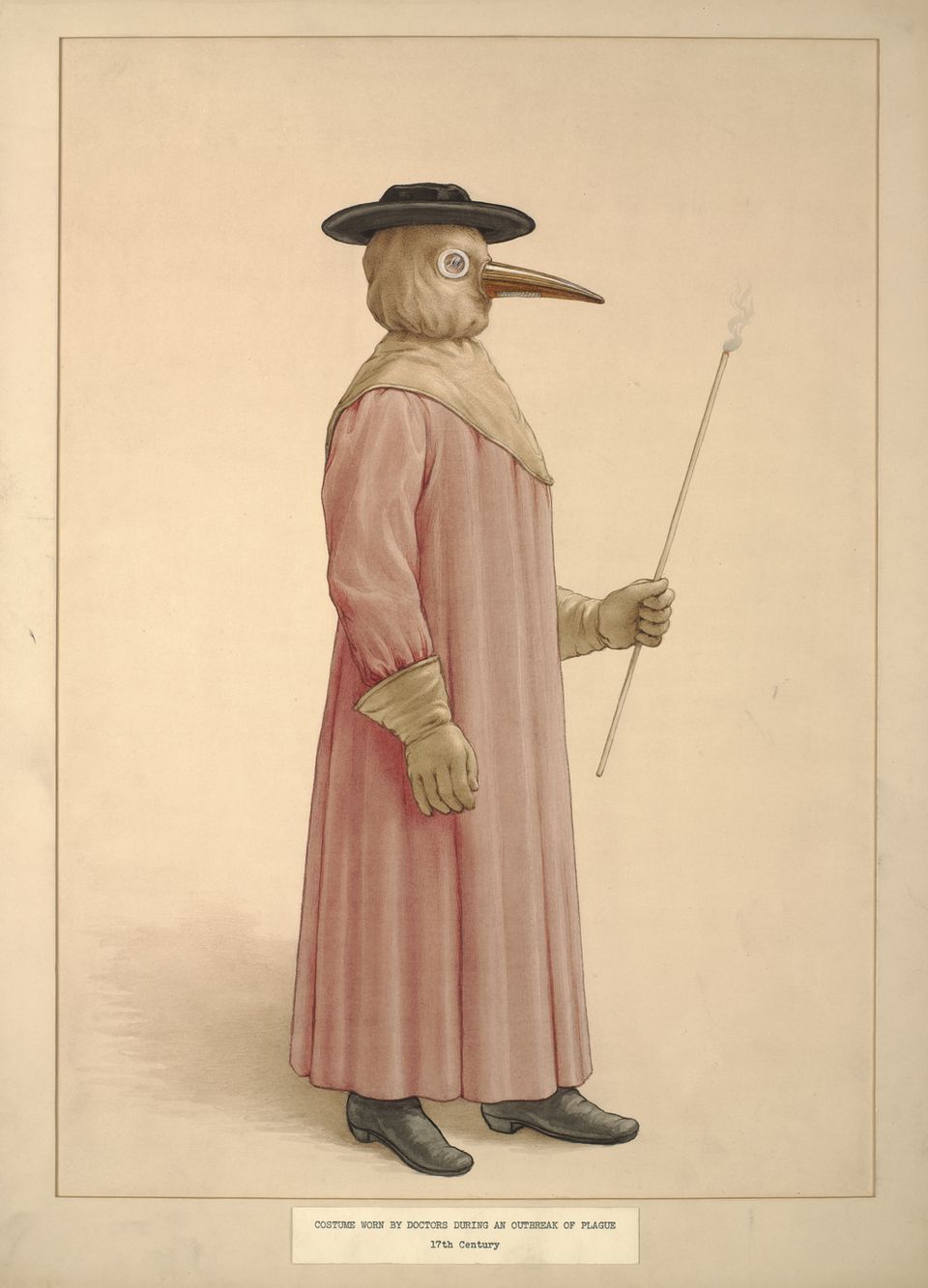
This is also where one of history's most persistent misconceptions collapses. The popular image of the Black Death sweeping through medieval Europe on coughing breath is largely wrong: the pandemic rode fleas on rats, not droplets between people. The 17th-century plague doctor's famous beaked mask, stuffed with aromatics against "bad air," was a guess at a mechanism its wearer could not see.
Septicemic plague: a bloodstream infection, also not person-to-person
Septicemic plague develops when Yersinia pestis multiplies in the bloodstream — sometimes as a complication of untreated bubonic plague, sometimes on its own after a flea bite or after handling an infected animal. It is fast and dangerous, and — like bubonic plague — it does not spread from person to person. The CDC's transmission guidance is unambiguous on this point: the only route by which plague moves between people is the infectious droplets of pneumonic plague.
A septicemic patient is not a contagion risk to their family, their nurses, or their fellow passengers. The danger in septicemic plague is entirely to the patient, and the variable that decides the outcome is the speed of treatment, not the isolation of contacts. That is a distinction with enormous practical consequences: it means families can care for the sick without becoming the next cases, and hospitals can manage these patients without the airborne-precaution machinery a truly contagious respiratory disease demands.
Pneumonic plague: the one form that IS contagious — through droplets, at close range
Then there is pneumonic plague, the exception that drives every quarantine decision. When Yersinia pestis infects the lungs, the patient coughs up infectious droplets — and the CDC states it plainly: "Transmission of these droplets is the only way that plague can spread between people."
Note what that sentence does and does not say. It does not say plague is airborne in the way measles is airborne, drifting through ventilation systems to infect strangers floors away. Droplets are heavy; they fall quickly. Transmission requires direct, close contact with someone who is actively ill — the kind of proximity a caregiver, a family member, or a hospital roommate has, not the kind a fellow shopper has. That physical constraint is why epidemiologists put pneumonic plague's reproduction number near 1.2 to 1.3 — above one, so chains of transmission can grow if nobody intervenes, but far below the reproduction numbers of classic airborne diseases, which is why plague has never produced a COVID-style silent global wave.
In the United States, the rare pneumonic cases that still occur have been traced to sick cats — close, prolonged contact with an infected animal's respiratory secretions, exactly the exposure profile the droplet mechanism predicts. The pattern is consistent: plague spreads between individuals only through the lungs, only at close range, and only from someone already visibly ill.
How bubonic becomes pneumonic: the dangerous progression
If bubonic plague never spreads between people, why do health authorities treat every plague case like it might? Because of the progression documented in the CDC's Emerging Infectious Diseases journal: untreated bubonic plague can advance until the bacteria reach the lungs, producing secondary pneumonic plague. At that moment, a case that was never contagious becomes contagious.
This is the hinge the entire Irkutsk response turns on. Nobody quarantines 200 people over a flea bite. Authorities quarantine 200 people because an unconfirmed case could, in principle, be or become the one form that spreads — and because the cost of waiting to find out is measured in transmission chains. It is also why the single most important sentence in every plague protocol is about timing: treat early, before the lungs are involved, and the contagion question never arises.
What the Siberia case means: why 200 contacts are under observation
Apply that framework to Siberia and the quarantine stops looking like panic and starts looking like protocol. Russian authorities identified roughly 200 people who had contact with Shipilova and placed them under medical observation — hospitalized across several facilities, tested, and watched for symptoms. Here is what that observation actually does.
First, it covers the incubation window. The WHO puts plague's incubation period at one to seven days, so contacts are monitored through the days when symptoms would appear. Second, close contacts receive preventive antibiotics — post-exposure prophylaxis, the same drugs used for treatment, given before anyone is sick. Third, it buys certainty about the clinical form: until investigators confirm whether they are dealing with bubonic, septicemic, or pneumonic plague, the only safe working assumption is the one that requires quarantine. As of the latest reports, none of the observed contacts has shown symptoms and their tests have come back negative — exactly the outcome the protocol is designed to produce.
None of this is evidence that plague is spreading person to person in Siberia. It is evidence that the system is built to act before it could. For the full account of the Irkutsk case as it develops, see our reporting on the lab worker's death and the 200 people under observation, and our comparison of how plague and COVID actually compare as outbreak threats.
How you actually catch plague — and how you don't
Strip away the history and the headlines, and the transmission map is short. You can catch plague from the bite of an infected flea — the most common route worldwide. You can catch it through direct contact with the contaminated fluids or tissues of an infected animal, which is why the CDC warns against handling sick or dead animals with bare hands. You can catch it from the infectious droplets of a person or a pet with pneumonic plague, at close range. And laboratory workers can be exposed to live cultures, which is the reported route in the Irkutsk case.
Now the other column — the one panic gets wrong. You cannot catch bubonic or septicemic plague from another person: not by touch, not by sharing food or drink, not by sitting in the same room, not by handling objects they touched. You cannot catch plague from someone who was merely exposed but is not yet ill. And despite the search queries that spike every time plague trends, plague is not a virus and it is not "airborne" in the airborne-disease sense — it is a bacterial infection, which is precisely why antibiotics defeat it.
Treatment and prevention: why modern plague is beatable
Everything about plague's terror is historical; everything about its treatment is modern. The WHO's fact sheet is blunt about the stakes: untreated bubonic plague kills 30 to 60 percent of those infected, and untreated pneumonic and septicemic plague are "always fatal when left untreated." But the same fact sheet carries the sentence that changed the disease's meaning: "early diagnosis and treatment can save lives."
The antibiotics are not exotic — streptomycin, gentamicin, and doxycycline are established, stockpiled drugs — and when treatment begins promptly, mortality collapses. Close contacts of a pneumonic case do not wait for symptoms; they receive preventive antibiotics as a matter of protocol. Prevention, per the CDC, is equally unglamorous: avoid flea bites, never handle sick or dead animals, keep pets treated for fleas, and control rodents around the home. None of this requires a lockdown, a travel ban, or a miracle drug. It requires recognizing the disease fast and reaching for the medicine cabinet.
What happens next — and the bottom line
What happens next in Siberia is surveillance, not suspense. The roughly 200 contacts will pass through their observation window; investigators will determine how Shipilova was infected and which clinical form killed her; and the negative test results reported so far will either hold or change the response. Zoom out, and the pattern is the one public health has repeated for a century: a disease with a terrifying reputation meets a protocol built from precise knowledge of how it actually moves.
So, is plague contagious? The plague most people get — bubonic, from a flea bite — is not contagious between people at all. The plague that is contagious — pneumonic — spreads only through droplets at close range, is the rarest form, and is stopped cold by early antibiotics and the kind of contact tracing now underway in Irkutsk. Fear the disease's history if you like; respect its treatment, and the question answers itself.
Sources
- World Health Organization: Plague fact sheet — the three clinical forms, incubation period of 1–7 days, fatality rates, and the role of early antibiotic treatment.
- U.S. Centers for Disease Control and Prevention: Plague — causes and transmission — Yersinia pestis in rodents and their fleas; flea bites as the most common route; infectious droplets as the only person-to-person route; no documented U.S. person-to-person spread since 1924.
- CDC Emerging Infectious Diseases: Pneumonic plague transmission model — how untreated bubonic plague can progress to secondary pneumonic plague, and reproduction-number estimates near 1.3.
- New York Post: Suspected plague outbreak erupts in Russia after scientist dies — Darya Shipilova's death at the Irkutsk Anti-Plague Institute, the broken-test-tube account, and the quarantine of contacts.
- WKRC/Fox49: Medical worker dies of plague, 200 under observation after potential exposure — case timeline, hospitalization at Shelekhov, and contacts testing negative with no symptoms.