Saudi tanker insurance Red Sea
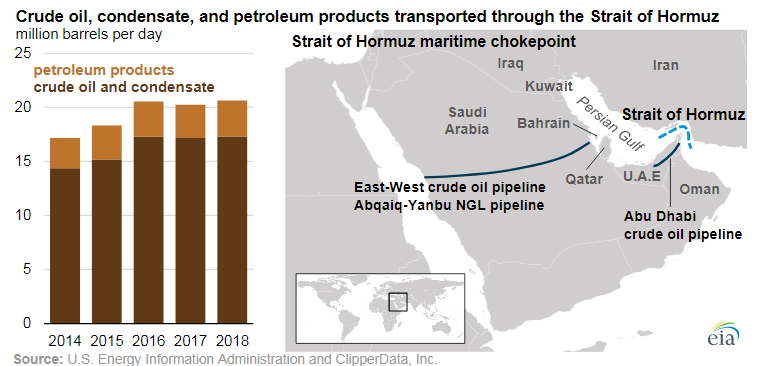
Saudi tanker insurance Red Sea is the central phrase for this report because it captures the specific development readers need to evaluate. War-risk premiums for Saudi-linked tankers calling at Yanbu have tripled to about 3% of vessel value, eroding the economic logic of Riyadh’s route around Hormuz.
The escape route loses its discount
Saudi Arabia built the East-West pipeline to move crude from Gulf fields to Yanbu without sending every barrel through the Strait of Hormuz. That redundancy matters most when the Gulf route is constrained. Yet Reuters reported that quoted war-risk premiums for Saudi-linked tankers calling at Yanbu rose from below 1% in early July to about 3% of vessel value after London marine insurers designated nearby waters high risk. On a $100 million tanker, that is roughly $3 million for a voyage before freight and fuel.
Why the numbers matter
The premium can reach 7% for ports south of Yanbu, including Jizan, compared with 6% to 9% for a Hormuz transit. Charter rates of at least $500,000 a day and bunker costs above $100,000 compound the bill. Saudi Arabia had diverted about 4 million barrels a day—roughly 4% of global supply—toward the Red Sea after Gulf exports tightened, but shut the pipeline September 11 after drone attacks it attributed to Iraq. Reduced operations resumed; Yanbu crude loading had not resumed by September 24.
Winners, losers and the comparison with Hormuz
Marine underwriters and shipowners can command scarcity pricing, while Aramco, refiners and ultimately fuel buyers absorb a wider delivered-cost spread. The strategic irony is sharp: a route meant to avoid Hormuz now carries a similar insurance penalty without the same degree of U.S. naval cover. Aramco instead sold about 60 million barrels for September and October loading from Ras Tanura, moving them through Hormuz for ship-to-ship transfers near Sohar.
What remains uncertain
Quoted premiums are not a single posted tariff. They change by vessel, ownership, port, security arrangements and the underwriter’s view of the voyage. The 3% and 7% figures are market indications reported for specific risk conditions, not a permanent Saudi schedule. Claims about attack origins also remain government attributions unless independently verified.
What happens next
Watch whether Yanbu loadings restart, whether insurers narrow the Red Sea surcharge, and whether escorts or new security commitments change the risk model. If costs stay close to Hormuz, traders will optimize for reliability rather than geography. That would turn Saudi redundancy from a cheap bypass into an expensive option—and keep a war-risk premium embedded in oil prices whichever way tankers sail.
Related Signal Post News coverage
Iran’s seven-day Hormuz proposal the oil-and-diesel market backdrop
Sources and reporting basis
Reporting note: This is a fixed September 25, 2026 snapshot. Attributed claims remain attributed; forecasts, polls, vendor results and early cyber findings can change as new evidence appears.