Russia WHO plague notification rules
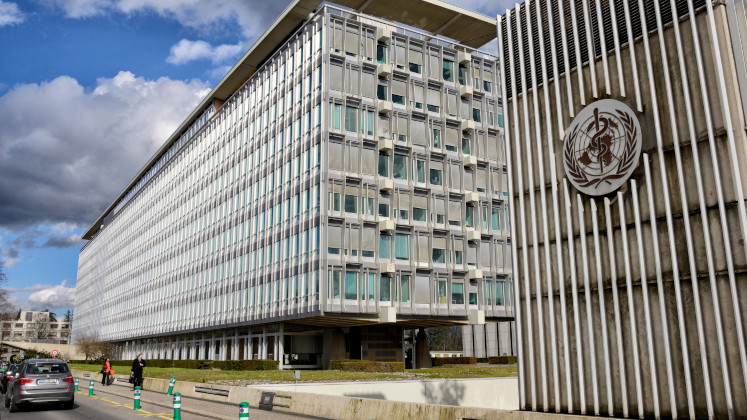
Russia WHO plague notification rules are binding, but they are more precise than the claim that every suspected infection must instantly become a public declaration. Under the International Health Regulations, Russia must assess events occurring within its territory through the treaty's Annex 2 decision instrument. If that assessment finds an event may constitute a Public Health Emergency of International Concern, Article 6 requires notification to WHO through Russia's National IHR Focal Point within 24 hours.
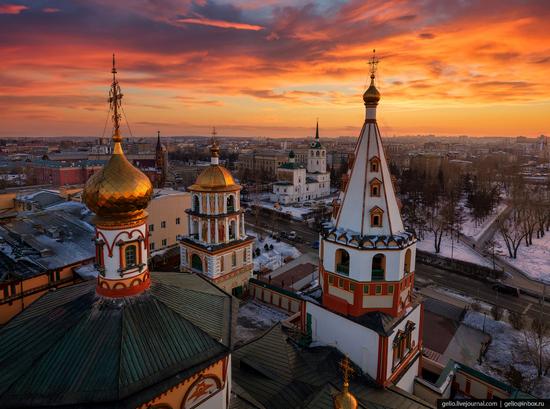
That distinction matters in Irkutsk. The death of 28-year-old anti-plague institute worker Darya Shipilova is still a suspected case. Russian authorities have not confirmed plague, and no wider transmission had been publicly confirmed by October 5. But the legal question is not postponed automatically until a final diagnosis appears. The assessment itself is the gateway to the notification clock.
Why This Matters
The IHR exists for precisely the uncomfortable interval between rumor and certainty. Waiting for perfect information can cost valuable time when an event may cross borders; treating every rumor as a confirmed emergency can cause panic and needless disruption. The regulations answer that tension with a staged duty: assess first, notify when the threshold is met, then continue sharing sufficiently detailed information as it becomes available.
For a suspected pneumonic-plague event, transparency is therefore not merely diplomatic courtesy. It is part of a legal framework designed to let WHO compare national reports, request clarification and coordinate a proportionate response. That does not make every disputed case a treaty breach. It does mean uncertainty is something to assess and communicate, not a reason to avoid the process.
How the IHR Notification System Works
Article 6 sets the clock
The International Health Regulations (2005) are legally binding on Russia, with later amendments from 2014, 2022 and 2024 in force for the country. Article 6 tells each state party to assess health events within its territory using Annex 2. When an assessment identifies an event that may constitute a Public Health Emergency of International Concern, the state must notify WHO by the most efficient available means through its National IHR Focal Point within 24 hours.
The focal point is the designated national channel for urgent communication with WHO. It is meant to prevent a dangerous event from being trapped inside an ordinary chain of ministries and approvals. Notification is not a confession that an outbreak is confirmed, nor is it a request for WHO to declare a global emergency. It is an early-warning step that places the event into an international verification and risk-assessment system.
Annex 2 is a decision instrument, not a diagnosis checklist
Annex 2 asks governments to test an event against questions such as seriousness, whether it is unusual or unexpected, the risk of international spread and the risk of travel or trade restrictions. Pneumonic plague is specifically among the diseases that must always be put through that algorithm. The rule does not say that an allegation automatically equals a notifiable emergency; it says the event cannot simply be ignored while authorities wait for a neat label.
In plain language, the process has three steps: gather public-health information, assess the event against Annex 2, and notify WHO within 24 hours if the assessment reaches the treaty threshold. After notification, the state is expected to continue supplying available details, including laboratory results and measures taken.

Where Russia Stands Right Now
As of October 5, no public WHO statement reviewed for this article confirmed that Russia had formally notified the organization about the Irkutsk case. That is not the same as proof that no private communication occurred. IHR exchanges can begin through focal-point channels before WHO makes anything public, and the public record alone does not establish noncompliance.
Russia has publicly described the death as “pneumonia of unknown origin,” not confirmed plague. It also says the situation is stable. About 200 contacts are under observation, with none reported symptomatic and tests negative so far. Those facts matter to the Annex 2 analysis because they weigh against evidence of wider transmission. The setting, however—a death involving an employee of an anti-plague institute after a reported test-tube incident—also explains why a formal assessment is necessary.
The suspected-versus-confirmed distinction is real, but it is not a loophole. The regulations are drafted around public-health information and possible emergencies because early warning would fail if states could always wait for final certainty. The legal threshold remains demanding: officials must assess whether the event may constitute an international emergency. On the evidence available publicly, outsiders cannot say conclusively whether Russia's internal assessment crossed that line or when it did.
Precedent and the COVID Shadow
Analysts inevitably view outbreak reporting through the experience of COVID-19 and arguments over the timing and completeness of early information from Wuhan. That comparison is useful only at the level of institutional incentives: governments may hesitate to release uncertain information when the political and economic costs are large, while delays can deprive others of time to prepare.
It is not evidence that Russia has concealed a confirmed outbreak in this case. Pneumonic plague is a bacterial disease with known diagnostics and treatment, and there is no publicly confirmed wider transmission from Irkutsk. The proper lesson from COVID is procedural rather than accusatory: early assessment, clear uncertainty labels and continuous updates are safer than either silence or overstatement.
What the WHO Can Actually Do
WHO has no enforcement army and cannot enter Russian territory to compel testing. Its practical tools are narrower: it can seek verification, ask for available epidemiological and laboratory information, offer technical support, coordinate with other states and use public communication to press for clarity. Those tools depend heavily on cooperation.
The asymmetry is built into international health law. Countries retain sovereignty over their health systems, while WHO supplies a common rulebook and a trusted channel. Public pressure matters because reputational cost is one of the few levers available when a state gives incomplete answers. But public pressure must remain tied to what is known; otherwise it can harden resistance and turn a technical exchange into a political contest.
What Happens Next
The central clock question is not “when did the public first hear the word plague?” It is when Russian authorities completed—or should reasonably have completed—an Annex 2 assessment, and what that assessment found. Without access to the focal-point record, the public cannot start the 24-hour deadline with confidence.
Three developments would clarify the picture. First, a WHO statement could confirm that it received information or sought verification. Second, Russia could publish the laboratory basis for its “pneumonia of unknown origin” description and explain whether Annex 2 was applied. Third, any symptoms or positive tests among monitored contacts would materially change the risk assessment and make international reporting more urgent.
Until then, the most accurate conclusion is limited but important: Russia is bound by the IHR; pneumonic plague must be assessed under Annex 2; a qualifying assessment starts a 24-hour notification duty; and the current public record does not prove either that the threshold was met or that Russia breached it.
Related Signal Post News Coverage
Sources
Reporting note: No public WHO confirmation of a formal Russian notification had been identified as of publication. That absence does not prove that no private focal-point communication occurred.