The instinct to renovate before selling is strong — and frequently wrong. Repairs before selling a house pay off only when they remove buyer objections, and most major renovations return a fraction of their cost at resale. The sellers who profit are not the ones who spend the most; they are the ones who spend on the right things: cheap fixes with outsized visual impact, repairs that unblock inspections and appraisals, and presentation work that photographs well. This guide ranks pre-sale repairs by return, flags the money pits to avoid, and explains the California-specific repairs buyers actually care about.
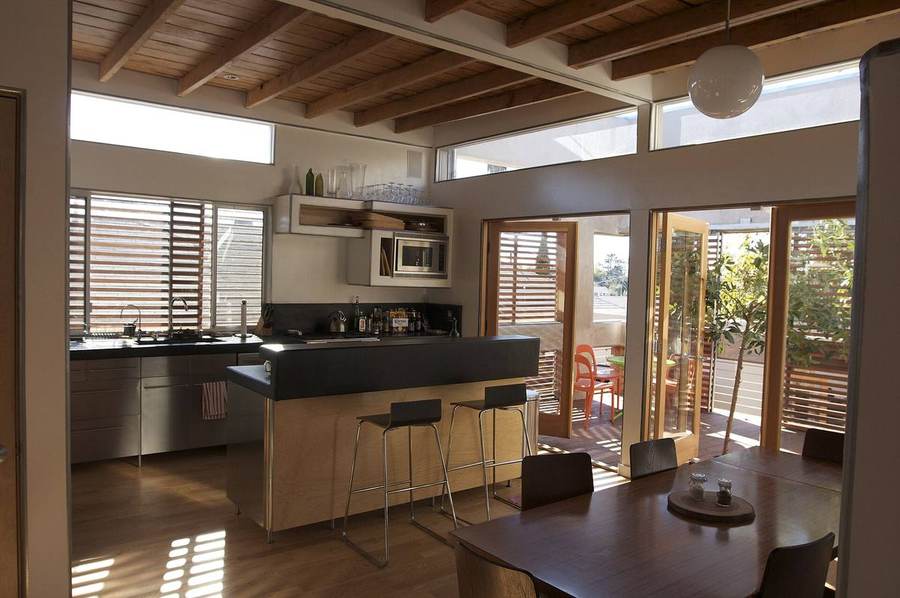
The principle: sell the feeling, fix the objections
Buyers pay for two things: the emotional response in the first 60 seconds, and the absence of scary findings in the inspection. Pre-sale spending should target exactly those. Cosmetic freshness — paint, landscaping, lighting, hardware — drives the emotional response at low cost. Functional repairs — plumbing leaks, electrical hazards, roof issues, drainage — remove the objections that kill deals or trigger price cuts far larger than the repair cost.
Everything else is suspect. The $60,000 kitchen remodel does not add $60,000 to the sale price; industry cost-vs-value analyses consistently show major remodels returning well under their cost at resale, with upscale projects returning the least. You are selling the house, not living in the renovation — spend like a seller, which means spending the minimum that maximizes buyer response.
High-return repairs: do these first
Paint. Fresh neutral paint inside and touch-ups outside remain the highest-ROI pre-sale spend: cheap, fast, and transformative in photos. Prioritize the front door, trim, and any room with bold or worn colors.
Curb appeal. Landscaping cleanup, a mowed and edged lawn, trimmed hedges, fresh mulch, and a clean entryway. In California, drought-tolerant tidiness reads as responsible, not cheap — but dead landscaping reads as neglect. Power-wash driveways, walkways, and siding.
Lighting and hardware. Dated light fixtures, yellowed switch plates, tarnished door handles, and worn cabinet pulls are cheap to replace and instantly modernize a home's feel. Bright, modern lighting also photographs dramatically better — and photos drive showings.
Minor kitchen and bath refreshes. Not remodels — refreshes: recaulk tubs, replace a stained vanity top, update faucets and mirrors, reface or paint tired cabinets. Kitchens and bathrooms sell houses, but buyers want to choose their own major renovation; give them clean, neutral, functional spaces, not your taste in tile.
Fix what the inspector will flag. Leaking faucets, running toilets, missing GFCI outlets, cracked window panes, non-functional smoke and CO detectors, water stains — every item an inspector flags becomes buyer leverage for a credit larger than the repair cost. A pre-listing inspection (a few hundred dollars) lets you fix these on your terms instead of negotiating them on the buyer's.
California-specific repairs buyers notice
Water intrusion evidence is a deal-killer in California's disclosure regime — address staining, drainage, and grading issues before listing, because they will surface in inspection and disclosures anyway. In fire zones, defensible-space clearance and ember-resistant details (vents, gutters clear of debris) increasingly matter to both buyers and insurers. And earthquake country basics — strapped water heaters, secured foundations vents — are cheap signals of a maintained home.
Also consider the appraisal: low appraisals often trace to condition adjustments, and a home that presents as well-maintained appraises with fewer deductions. Condition is one of the few appraisal inputs you control.
Repairs that never pay before selling
Skip major kitchen and bathroom remodels — buyers discount your choices and rarely pay full cost back. Skip room additions and ADUs built for resale (great for living in, poor as pre-sale investments given timelines and cost). Skip luxury upgrades like high-end appliances in a mid-range home, pools in markets where they do not add value, and any renovation tailored to your taste rather than broad appeal. And skip fixing things buyers cannot see at the expense of things they can — the invisible $15,000 sewer line replacement will not move your sale price, though you must still disclose known issues honestly.
The test for any pre-sale spend: will this remove a buyer objection or improve the photos? If neither, it is consumption, not investment — fine if you are staying, wasteful if you are selling. And if your listing is already live and sitting, the problem may not be condition at all — see why your house isn't selling for the full diagnosis, or our fast-sale guide for Orange County if speed is the priority.
What sellers forget: the invisible work
Two categories of pre-sale work never photograph but still matter. First, deep cleaning — professional-level clean of windows, grout, appliances, and baseboards changes how buyers perceive maintenance; a spotless dated kitchen outsells a grimy updated one. Second, decluttering and depersonalization: rent a storage unit if you must, because crowded rooms photograph small and personal collections distract buyers from the space itself. Neither is a "repair," but both belong on every pre-sale checklist, and together they cost a fraction of any renovation while influencing every showing.
Budget and sequencing
Set a pre-sale repair budget as a small fraction of the expected price — most sellers need far less than they fear. Sequence: pre-listing inspection first, then safety and functional repairs, then cosmetic work, then deep clean and staging. Do the inspection early enough that contractor work finishes before photography — nothing wastes money like photographing a house mid-repair. If the list is long, get your agent's read on which items actually affect price in your micro-market; local knowledge beats generic advice every time.
Frequently asked questions
What repairs should I make before selling my house?
Prioritize fresh neutral paint, curb appeal and landscaping cleanup, lighting and hardware updates, minor kitchen and bath refreshes (not remodels), and any functional issues an inspector would flag — leaks, electrical hazards, broken detectors, water stains. These remove buyer objections at the lowest cost.
Should I remodel my kitchen before selling?
Usually not. Major kitchen remodels typically return well under their cost at resale, and buyers want to choose their own finishes. A cosmetic refresh — paint or reface cabinets, update hardware and faucets, recaulk — delivers most of the visual benefit at a fraction of the cost.
Is it worth getting a pre-listing inspection?
Often yes. A pre-listing inspection (a few hundred dollars) reveals what the buyer's inspector will find, letting you fix issues cheaply on your schedule instead of conceding credits under deadline pressure. It also strengthens your disclosure position.
What home improvements have the worst ROI when selling?
Upscale major remodels, room additions, luxury upgrades mismatched to the neighborhood, and taste-specific renovations consistently return the smallest share of their cost. Invisible infrastructure repairs also do not raise price — though known defects must still be disclosed.
Thinking of buying or selling in Orange County?
Get a free, no-pressure consultation. Tell us what you are looking for and get a fast callback. Casa Blanca Realtors is our featured local pick for Orange County buyers (partner).
Get My Free ConsultationFree consultation · Fast callback · No pressure.
Sources and further reading
California Association of Realtors · U.S. Department of Housing and Urban Development · California Department of Real Estate