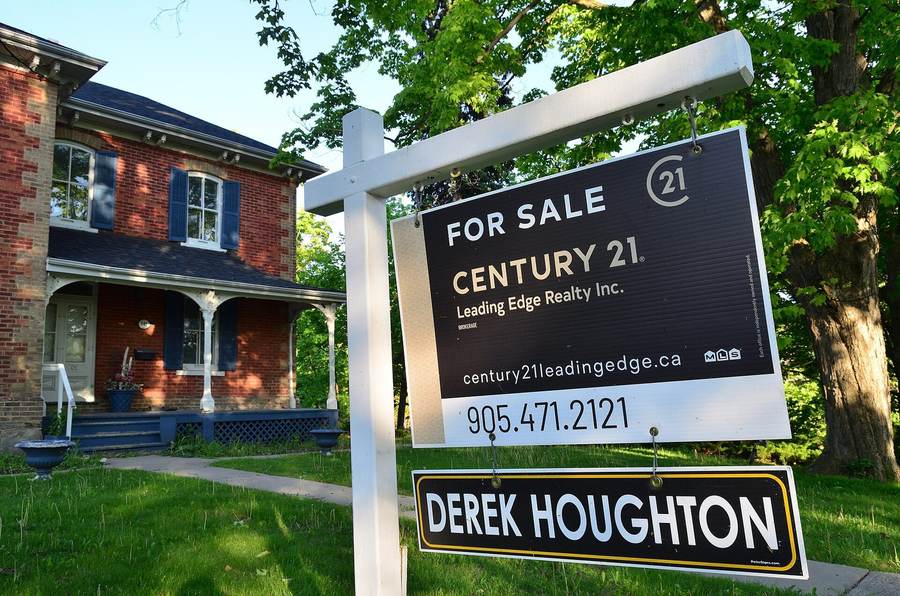
A short sale in Orange County is a negotiated exit for homeowners whose mortgage no longer fits their finances: you sell the home for less than you owe, and the lender agrees to accept the smaller payoff. The name has nothing to do with speed — "short" refers to the sale proceeds falling short of the loan balance. For a homeowner who is behind on payments, or can see it coming, a short sale can be a cleaner alternative to foreclosure. It is also a slow, lender-controlled process with real trade-offs, and it is not the right move for everyone.
This guide walks through how short sales work step by step, what they do to your credit, how they compare with foreclosure, and when they make sense — with the latest national data for context. Nothing here is legal or tax advice; for a decision this large, talk to a qualified professional about your specific situation.
How does a short sale work
A short sale is not something you can do on your own — the lender has to agree at nearly every stage, because it is accepting less than it is owed. The typical sequence looks like this:
1. Assess your situation. Take an honest inventory: current home value, outstanding loan balance, income, debts, and whether the hardship is temporary or permanent. A short-sale-experienced agent or a HUD-approved housing counselor can help you see the full picture before you act.
2. Gather hardship documentation. Lenders usually want proof that you cannot keep paying — bank statements, tax returns, pay stubs, and a hardship letter explaining what changed (job loss, income cut, divorce, medical bills). Incomplete paperwork is one of the most common reasons short sales stall. Note that many lenders will not even consider a short sale until you are two to three months behind on payments.
3. Request lender approval. Your lender reviews your finances, the property value, and any liens. If you have significant savings, the lender may ask you to contribute cash to reduce its loss.
4. List the home. Once the lender agrees in principle, the home is listed — usually at or below market value to attract offers quickly. Any offer still needs lender sign-off, which can take weeks to months. If there is a second mortgage or HELOC, each lienholder must approve separately.
5–7. Accept an offer, submit it to the lender, close. A serious offer (ideally from a pre-approved buyer, with a short-sale contingency in the contract) goes to the lender for final approval — often 30 to 90 days — and then the sale closes like a normal transaction. From start to finish, expect three to six months in a typical case; complex files can run over a year.
Short sale vs foreclosure: the honest comparison
A short sale is initiated by the homeowner to avoid foreclosure; a foreclosure is initiated by the lender after payments stop. That difference in who is driving matters:
Control. In a short sale you price, market, and show the home. In a foreclosure the lender takes the property through a legal process and you are largely a spectator.
Credit damage. Both hurt. A short sale typically costs 75 to 200 points on a credit score; a foreclosure often costs more and lingers longer in lenders' eyes. A short sale reported as "settled" with no late payments during the process does far less damage than one with months of missed payments.
Next mortgage. Short-sale sellers can often qualify for a new home loan sooner than foreclosed borrowers — in some cases an FHA loan within about 12 months, depending on the circumstances, down payment, and credit profile. After a foreclosure, the wait is typically three to seven years.
Privacy. A short sale is a private transaction. A foreclosure is a public legal proceeding.
None of this makes a short sale painless — but for a homeowner who cannot keep the house, it is generally the less destructive of the two exits.
What a short sale does to your credit
Expect a real hit: most sources put the typical drop at 75 to 200 points, with the size depending on where your score started and whether you missed payments along the way. The short sale stays on your credit report for seven years. Two things soften the blow: keeping payments current during the process (whenever that is possible), and asking the lender to report the account as "paid" rather than "settled." Neither is guaranteed, but both are worth asking about.
The pros and cons, stated plainly
Potential upsides: you avoid foreclosure; the lender may forgive the remaining balance (the "deficiency"); you may qualify for a new mortgage sooner; the process is private; and you stay in control of the sale.
The downsides: your credit takes a hit; the lender must approve everything, so you have limited control over the outcome; the process can drag on for months with no guarantee of approval; forgiven debt can count as taxable income; and unlike a traditional sale, you walk away with no proceeds — in some cases you may even need to bring money to closing.
Short sales are rising — but this is not a wave
Some context from the latest national data, so you can read headlines with a clear head. Intercontinental Exchange's August 2026 mortgage report put seriously delinquent loans (90+ days past due) at 574,000 — up 19% from a year earlier — and foreclosure inventory is up 41% year over year. Short-sale volume is climbing too: Realtor.com counted nearly 30,000 short sales nationally in 2025, with transactions up 16% in the first quarter of 2026.
At the same time, the overall delinquency rate sits at 3.53% — below every pre-pandemic August on record — and foreclosures plus short sales together were only about 2% of existing-home transactions in July. In other words: distress is growing from a low base, not sweeping the market. A short sale is a tool for individual hardship, not a sign of a coming crash.
When a short sale makes sense — and when it doesn't
A short sale tends to make sense when three things are true: you owe more than the home will sell for, a genuine hardship makes the payments unsustainable, and you have explored the alternatives. It is worth considering before foreclosure becomes inevitable — the earlier you act, the more options you keep.
It may not be the right move if you have enough equity to sell traditionally (even a tight traditional sale usually beats a short sale), if a loan modification or forbearance could bridge a temporary hardship, or if you can realistically catch up. Alternatives worth discussing with your servicer include a repayment plan, a loan modification, or — where the numbers work — a deed-in-lieu of foreclosure. California's anti-deficiency rules can also affect what a lender may pursue after a foreclosure sale on an original purchase loan, which is another reason to get qualified advice before choosing a path.
What Orange County sellers should know
Orange County's equity cushion changes the picture: with the county median near $1.5 million and years of appreciation behind most owners, relatively few local sellers are truly underwater. For most OC homeowners who need to sell under pressure, a traditional sale — even a fast one — remains the better first option to evaluate. Short sales here are a niche tool, not a common one.
When a short sale is the right tool, experience matters enormously. Lenders' loss-mitigation departments run on documentation and follow-up; an agent who has actually closed short sales knows what each servicer asks for and how to keep a file from stalling. At Casa Blanca Realtors, our Orange County team works with sellers weighing exactly these options — including the unglamorous ones — and will tell you straight whether a short sale, a traditional sale, or a conversation with your servicer fits your situation best.
Related reading: our guides to mortgage rates in Orange County and the 2026–2027 OC housing market forecast can help you read the market you would be selling into.
Sources and further reading
Zillow: What is a short sale? · ICE First Look: August 2026 mortgage performance · Inman: Short sales explained
Frequently asked questions
How long does a short sale take in Orange County?
Typically three to six months from start to finish, though straightforward files can move faster and complex ones — multiple lienholders, investor sign-off — can run over a year. About half of sellers in a 2024 survey reported at least one offer falling through along the way.
Will my lender forgive the remaining balance after a short sale?
Sometimes, but it is never guaranteed — it depends on your lender, your state, and the terms you negotiate. Be aware that forgiven debt can be treated as taxable income, so discuss the tax side with a professional.
Can I buy another home after a short sale?
Often sooner than after a foreclosure. Depending on your credit, down payment, loan type, and the circumstances of the short sale, some borrowers qualify for an FHA loan in as little as 12 months. Conventional loans usually take longer.
Do I have to be behind on payments to do a short sale?
Many lenders will not consider a short sale until you are two to three months behind, because the hardship has to be documented. If you are current but struggling, talk to a housing counselor or an experienced agent before you miss a payment — the order of operations matters.
Behind on payments — or worried you will be?
Get a free, no-pressure consultation. Tell us what you are facing and get a fast callback:
Get My Free ConsultationOpens the Orange County Home Buyers contact form.