The most expensive moment in home buying is not closing — it is the moment you decide to make an offer, because everything after that is momentum. Red flags before making an offer are the problems visible to a careful buyer before any inspector arrives: the crack in the foundation, the addition with no permits, the street that tells a different story at 10 p.m. than at 10 a.m. This guide trains you to spot them during the tour, so your offer — and your inspection contingency — rests on open eyes rather than wishful thinking.
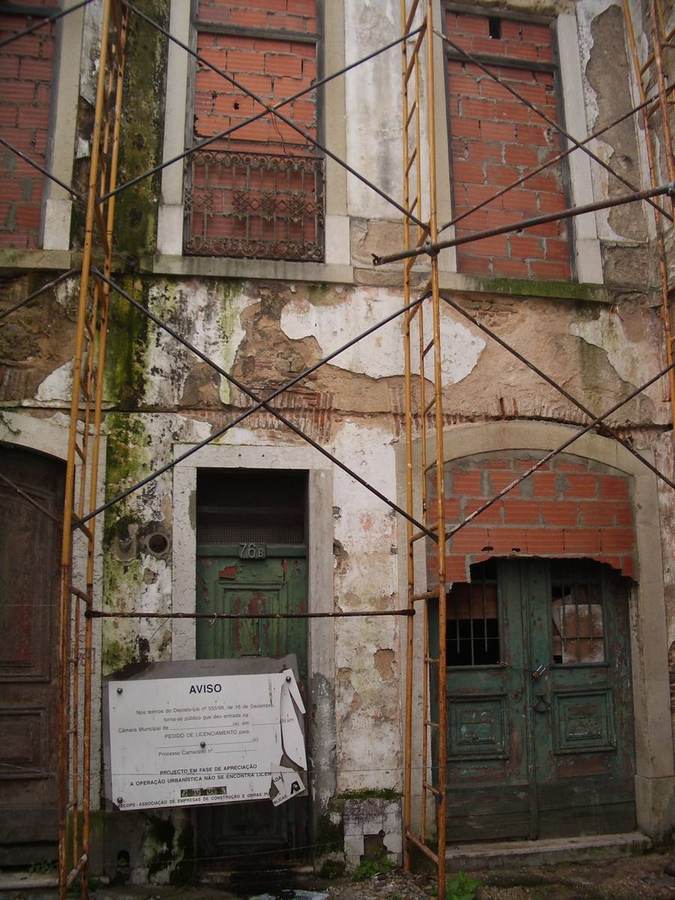
Structural red flags: the house itself
Start with the bones. Inside and out, look for diagonal cracks in walls (especially around doors and windows), doors that stick or will not latch, sloping or bouncy floors, and gaps between walls and ceilings — all potential signs of foundation movement. Some settling is normal in California's soils and seismic history; differential movement is not. Outside, check the foundation line for large cracks, the roofline for sagging, and drainage: does the ground slope away from the house, or does water clearly pool against the foundation? Poor drainage is the quiet engine behind a remarkable share of foundation and mold problems.
Water is the enemy. Stains on ceilings, bubbling paint, musty smells in closets and bathrooms, warped flooring near plumbing — each suggests current or past water intrusion. A fresh coat of paint in exactly one room of an older house deserves skepticism, not admiration. And in California, ask about the roof's age directly: a roof at the end of its life is a five-figure negotiation item, and in fire zones, the roofing material affects insurability.
The unpermitted-work problem
Garage conversions, added bathrooms, enclosed patios, and second stories are common in California — and a meaningful share were built without permits. Unpermitted work creates cascading risk: the city can require removal or retroactive permitting, insurers can deny claims tied to unpermitted areas, appraisers generally cannot count unpermitted square footage, and future buyers will discount for the same reasons you should.
How to spot it before offering: compare the listing's bedroom/bathroom count and square footage against county assessor records — discrepancies are the tell. Look for work that does not match the home's era or quality, electrical panels with amateur additions, and additions with no visible permit history. If you love the house anyway, price the risk: get a contractor's estimate for legalizing the work and make it part of your offer math, as explained in our inspection negotiation guide.
Systems red flags: electrical, plumbing, HVAC
You are not an inspector, but you can spot the obvious. Electrical: flickering lights, warm outlets, a panel with handwritten labels and double-tapped breakers, or any aluminum wiring in a 1960s–70s home. Plumbing: low water pressure, slow drains, water stains under sinks, a water heater past its expected life. HVAC: a system that cannot hold temperature during your tour, or outdoor units that look decades old. None of these automatically kills a deal — but each is a line item for the inspection and the negotiation, and a house with all three failing is a renovation project priced as a move-in ready home.
Neighborhood and location red flags
The house is only half the purchase. Visit the street on a weekday evening and a weekend morning — noise, parking, traffic, and neighbor behavior change by the hour. Check what is next door and across the street: deferred-maintenance neighbors drag values, and vacant or distressed properties nearby are a leading indicator. Look up the natural hazard disclosures early — fire severity zones, flood plains, and fault zones affect insurance cost and availability, which feeds directly into what you can actually afford.
Also investigate the trajectory: is the area improving or declining? New investment, maintained homes, and owner-occupancy suggest stability; rising vacancies, deferred maintenance spreading down the block, and commercial corridors hollowing out suggest the opposite. You cannot renovate a neighborhood.
Listing and seller red flags
The listing itself talks. Photos that show only tight angles or exclude entire rooms, a price history with multiple reductions, a listing that has cycled on and off the market, or "as-is" language paired with a premium price — each warrants a question, not an assumption. During the tour, note what the seller is hiding rather than showing: furniture arranged to block wall sections, air fresheners working overtime in specific rooms, fresh paint in suspiciously targeted areas.
Then read the disclosures before you offer, not after. California sellers must disclose known defects, and the disclosures sometimes reveal what the tour concealed: prior insurance claims, neighborhood disputes, unpermitted work the seller acknowledges, deaths on the property (disclosable within three years). A disclosure packet that contradicts the listing's story is itself the biggest red flag of all. Pay particular attention to the seller's answers about additions and alterations — a "don't know" on a question about unpermitted work, paired with an obvious addition, tells you the seller knows exactly what they are not saying.
Frequently asked questions
What are the biggest red flags when buying a house?
Foundation movement, active water intrusion, major unpermitted structural work, failing electrical or plumbing systems, and neighborhood decline top the list. Any one can cost tens of thousands to remediate — and some cannot be fully fixed at any price.
How can I tell if a house has unpermitted work?
Compare the listing's square footage and room counts against county assessor records; look for additions that do not match the home's era or construction quality; and check for permit history with the city. Discrepancies between the listing and public records are the strongest signal.
Should I still make an offer if I spot red flags?
It depends on the flag. Cosmetic and minor issues are negotiation leverage. Structural, water, unpermitted-work, and location problems require pricing the fix into your offer — or walking away. Never offer hoping the inspection will catch what you already saw; offer with eyes open and contingencies intact.
Do sellers have to disclose problems in California?
Yes. California has among the country's most extensive disclosure requirements, including the Transfer Disclosure Statement, natural hazard reports, and (within three years) deaths on the property. But disclosures only cover what the seller knows — which is why your own observations and the inspection still matter.
Thinking of buying or selling in Orange County?
Get a free, no-pressure consultation. Tell us what you are looking for and get a fast callback. Casa Blanca Realtors is our featured local pick for Orange County buyers (partner).
Get My Free ConsultationFree consultation · Fast callback · No pressure.
Sources and further reading
California Department of Real Estate · California Association of Realtors · Consumer Financial Protection Bureau: home-buying resources