Putin $200 billion war spending
MOSCOW — Putin $200 billion war spending is no longer a forecast at the edge of Russia's budget. Defence expenditure is on track to reach about 17 trillion rubles, or $199 billion, by the end of 2026 — roughly 40% above the plan the government presented late last year. President Vladimir Putin authorized nearly $60 billion in additional outlays, Bloomberg reported, citing two people close to the government.
Track it live: follow front-line changes and strikes on our live Ukraine war map, or monitor other conflicts on the global wars tracker.
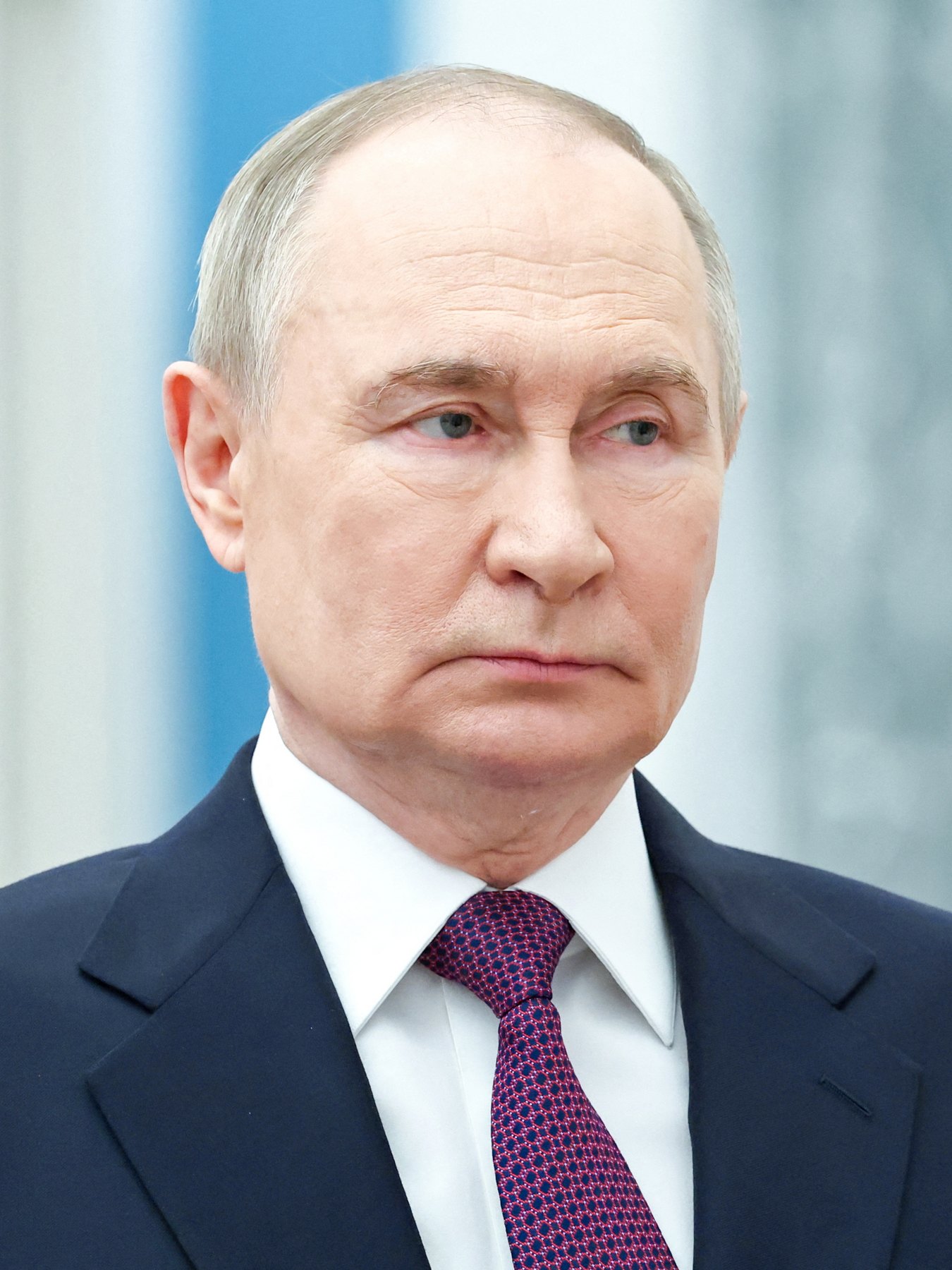
Why this matters: the budget is the Kremlin's clearest forecast
Governments can describe negotiations as promising while simultaneously paying factories to deliver weapons years into the future. Money is the harder signal. The Putin war budget surge indicates that Moscow expects combat requirements to remain high even as US mediation continues and even after public discussion of limited commercial arrangements with Washington.
The acceleration followed Putin's conclusion that his August 2025 Anchorage talks with President Donald Trump would not produce terms Russia considered acceptable. By January, according to the Bloomberg account republished by Moneyweb, the Kremlin had decided US mediation was unlikely to deliver a breakthrough. Advance payments to defence manufacturers were then pushed forward, moving cash and orders into the first part of 2026.
That decision matters because it came before the latest intensified Russian missile and drone attacks on Ukrainian energy systems, transport links, hospitals and other civilian infrastructure. Moscow says it targets military and energy-related facilities; Kyiv says civilian sites are repeatedly hit. The expenditure does not prove the intent behind any individual strike, but it does show that Russia is preparing to sustain the capacity behind a broader campaign.
The timing also complicates the meaning of the Trump–Putin diesel deal announced a day earlier, involving roughly 4.8 million tons of Russian diesel. A commercial opening can reduce energy pressure without changing battlefield objectives. The spending plan is evidence against reading the diesel purchase, by itself, as a Russian wind-down.
Background: Anchorage, failed expectations and a reversal
A year ago, Moscow's stated fiscal direction was different. Officials planned to moderate military spending growth, shrink the deficit and begin rebuilding reserves depleted by the war and sanctions. The new Russia defence budget 2026 path reverses all three goals.
The strategic sequence is important. Anchorage raised expectations that direct contact between Putin and Trump might bypass a stalled process. Putin subsequently judged that the proposed route would not yield an acceptable agreement; officials then reached a similar conclusion about US mediation by January. Moscow did not wait for a formal diplomatic collapse. It accelerated advance payments, giving factories working capital to expand shifts, secure components and deliver equipment earlier.
This is why the Russia military spending record 2026 is more than an accounting revision. It converts a judgment about diplomacy into production schedules. Reversing those schedules would be harder than changing rhetoric because suppliers hire workers, procure metals and electronics, and build inventories around signed orders.
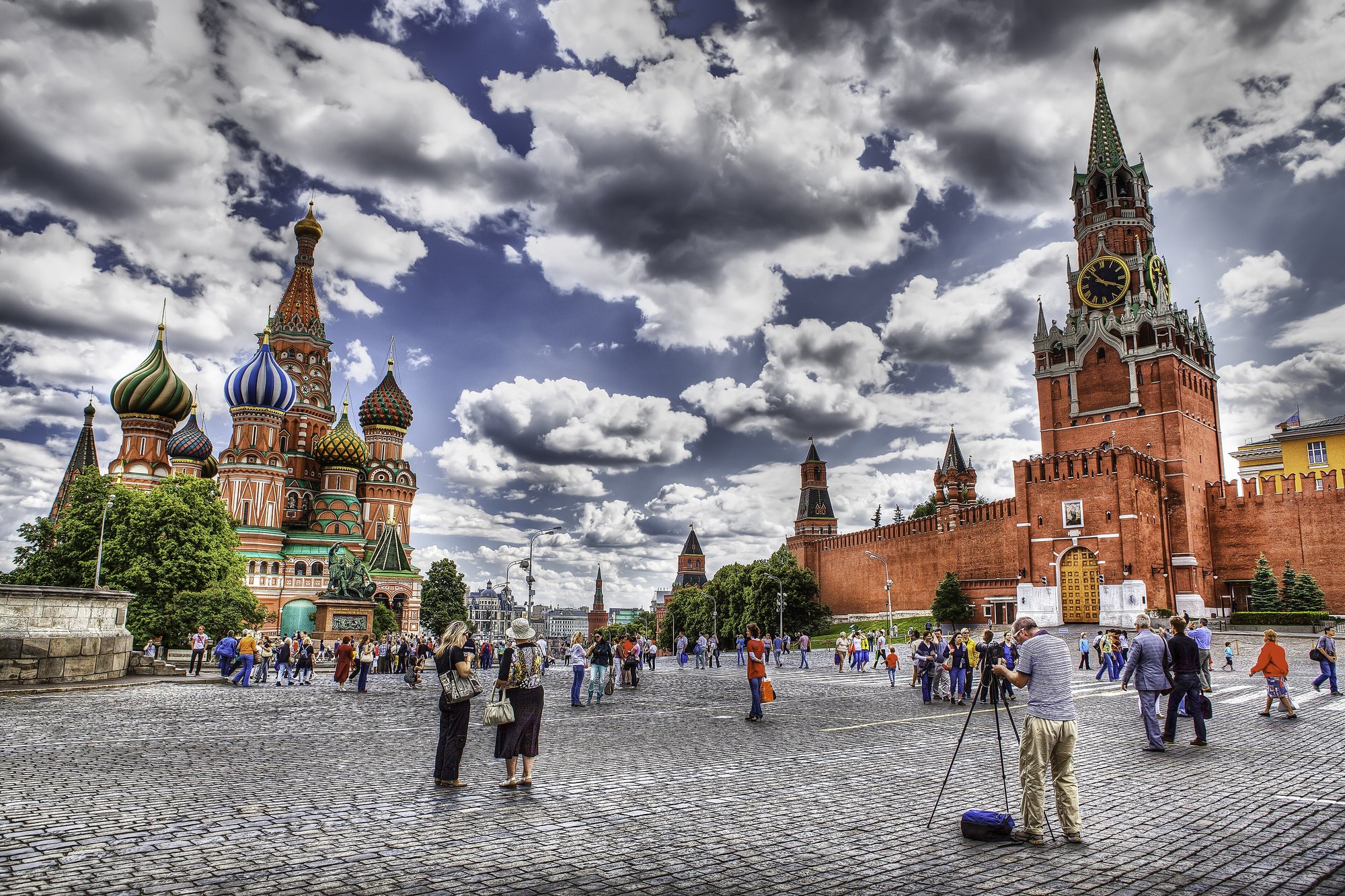
The numbers: record outlays, a deficit above 7 trillion rubles
The headline figure — 17 trillion rubles defence spending — is nearly $200 billion at the exchange rate used in the reporting. It is about 40% above the original plan and almost $60 billion above what authorities expected to spend. The Gaze separately reported the record $199 billion projection, while ClashReport also cited the accelerated defence payments.
The fiscal spillover is substantial. The projected Russia budget deficit 2026 has risen above 7 trillion rubles, compared with an original forecast of 3.8 trillion. That is an increase of at least 3.2 trillion rubles and close to a doubling. Moscow is financing the gap through domestic borrowing and gold sales, transferring more of the war's cost into future debt service and fewer liquid reserves.
Those choices come with growth expected at only about 0.6%, interest rates around 14%, and oil-and-gas revenues down roughly 16.7%, according to an October 2 OilPrice analysis. High rates make domestic borrowing expensive; weak energy receipts narrow the state's traditional cushion. Together, they sharpen the Russian economy war costs: the government can maintain military orders, but doing so requires a larger claim on credit, reserves and regional budgets.
The new medium-term plan does not point to demobilization. It sets defence spending at 17.1 trillion rubles in 2027 — slightly above the current 2026 projection — followed by modest declines to 16.6 trillion in 2028 and 16.3 trillion in 2029. And this year's overshoot demonstrates why those ceilings should be treated as plans, not guarantees.
Who benefits, who pays
Defence manufacturers and front-line units
Weapons makers are the most direct beneficiaries. Accelerated advances reduce financing pressure on factories and create confidence that state orders will continue. Front-line formations may benefit from steadier flows of ammunition, drones, vehicles and replacement equipment. For the Kremlin, that industrial continuity is also insurance against talks failing again.
Regions and military families absorb the trade-offs
The national surge does not mean every war-related payment rises. Russian regions facing tighter finances have cut some death benefits for families of killed soldiers. Saratov Oblast reduced one payout from 1 million rubles to 100,000, according to Nexus Europa, with similar reductions reported in other regions. The contrast is politically stark: procurement receives record funding while some local compensation is trimmed.
What critics say
Critics argue that the military priority crowds out civilian investment, makes regional austerity more likely and leaves Russia more exposed to falling commodity revenue. Kremlin supporters counter that industrial expansion supports employment, replaces lost equipment and gives Russia leverage in negotiations. Both claims can be true at once: defence production can sustain selected factories while higher borrowing costs and weaker reserves spread pressure across the wider economy.
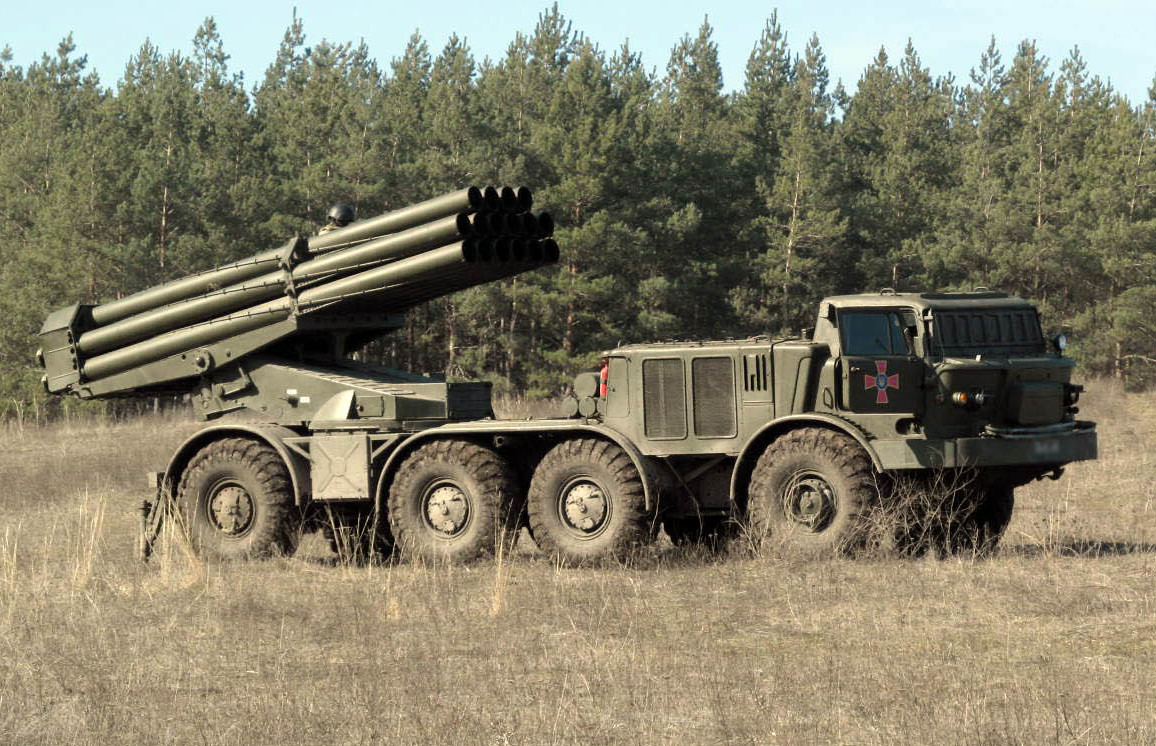


A war of 4½ years is still producing new fronts of pressure
The budget arrives more than four and a half years into the full-scale invasion, as battlefield claims remain contested. Ukrainian sources, reporting cited by Al Jazeera and analysis by the Institute for the Study of War say Ukrainian forces recently pushed Russian troops back around Lyman in Donetsk in an effort called “Operation Vivaldi,” reclaiming about 175 square kilometers. Russia, meanwhile, continues to claim broader territorial gains. Neither side's full account can be independently accepted at face value, but the local shifts show why both still believe resources can change the map.
At sea, Moscow has rejected another limited Turkey- and UN-backed Black Sea ceasefire proposal as a “half-measure,” according to an Atlantic Council analysis published October 9. Attacks on merchant shipping and ports have increased. The Black Sea ceasefire rejected episode illustrates the same strategic problem as the budget: narrow arrangements are difficult to sustain when the parties disagree over the wider settlement.
For Kyiv and its partners, Russia's spending surge raises the cost of maintaining Ukraine war funding. European leaders can cite the new numbers in support of rearmament and longer procurement contracts. Moscow can then point to European rearmament rhetoric as evidence that its own expansion is defensive. That feedback loop is one path toward further Russia Ukraine war escalation even without a single formal decision to widen the conflict.
What happens next: three 2027 scenarios
1. The 17.1 trillion-ruble plan holds
Russia keeps 2027 defence spending near this year's elevated level, using domestic borrowing and remaining reserves to maintain production. This is the official baseline and would mean the record has become a plateau rather than a one-year emergency.
2. Another overshoot
Fighting intensifies, equipment losses remain high or negotiations stall again. Actual spending then exceeds 17.1 trillion, just as 2026 outlays exceeded their original ceiling. Watch advance payments and supplementary appropriations, not only the approved budget.
3. A negotiated reduction
A durable ceasefire or settlement slows urgent procurement, allowing the planned declines for 2028 and 2029 to begin sooner. The obstacles are visible: Moscow rejected the limited Black Sea proposal, strikes continue, and the Kremlin has already priced in diplomatic failure once.
The leading indicators now extend beyond the battlefield. Watch whether the Trump Putin diesel deal grows into broader sanctions relief, whether Black Sea shipping attacks ease, whether European governments turn rearmament promises into orders, and whether Russian regions impose additional benefit cuts. The decisive question is not what Moscow says it wants from talks. It is whether the money keeps moving as though talks will fail.
Sources
- Bloomberg via Moneyweb — “Putin is spending a record $200 billion on the war this year” (Oct. 10, 2026)
- The Gaze — “Russia's military spending to hit record $199 billion in 2026”
- ClashReport — “Russia's military spending set to reach record $199 billion in 2026”
- Atlantic Council — “Russia rejects another Black Sea ceasefire with Ukraine” (Oct. 9, 2026)