
Court Rules Prince Andrew's Raid Warrants Unlawful — But the Investigation Is Not Over
Prince Andrew warrants unlawful: In a private hearing on Thursday, a court agreed with the former Prince Andrew that the search warrants behind the February raids on two of his royal residences were unlawful — applied for under the wrong part of the legislation — and quashed them. Thames Valley Police accepted the position. But the judge made the limits of the ruling explicit: the fact that the warrants were quashed does not bring the investigation to an end, nor does it mean the whole investigation was unlawful.
What happened on October 8
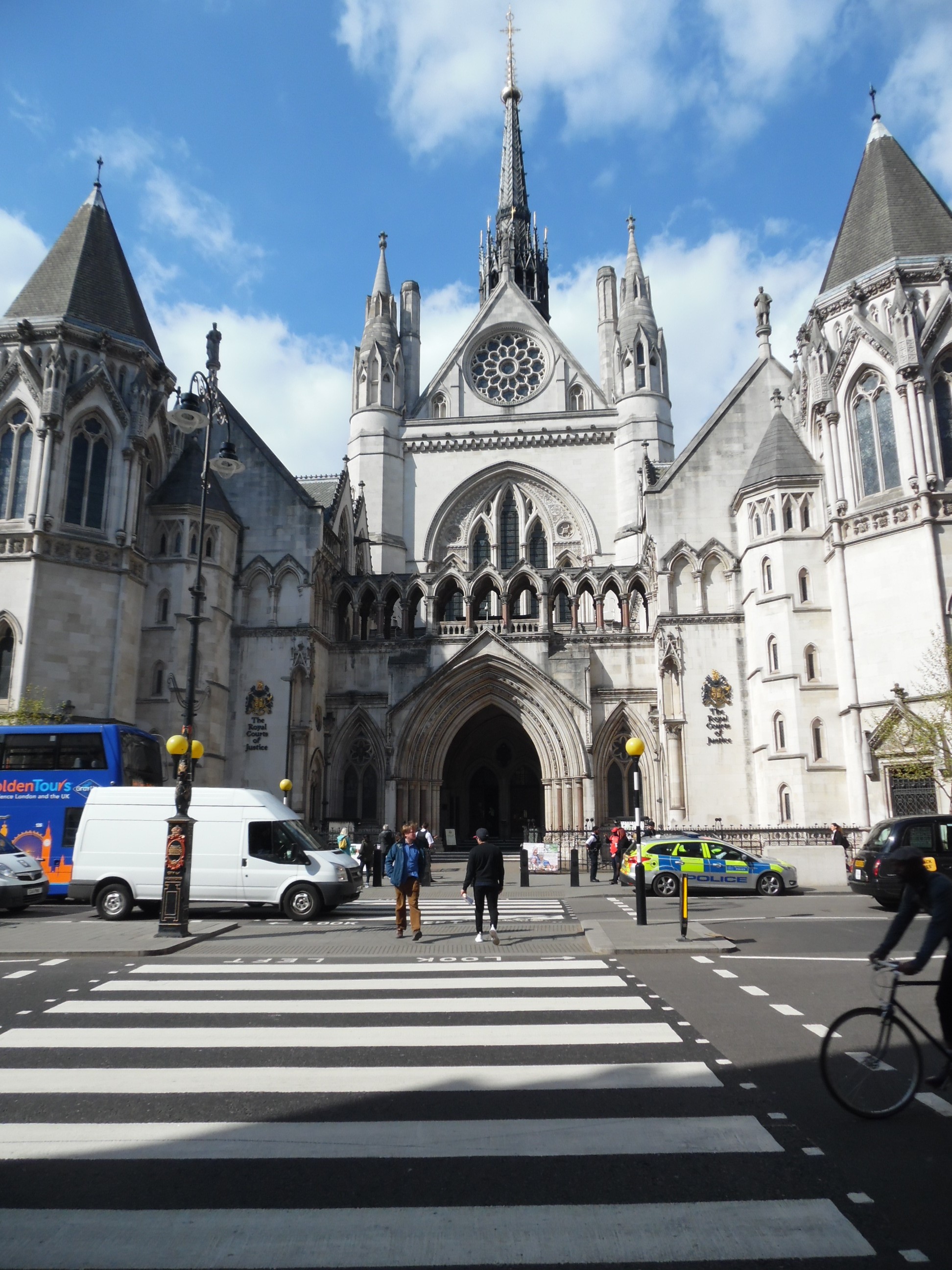
The hearing, held in private before Mr Justice Hilliard at the High Court, was the decisive turn in the legal challenge Mountbatten-Windsor launched against Thames Valley Police — the first time a member of the royal family has contested the lawfulness of criminal proceedings against him since the trial of Charles I in 1649.
The judge recorded that agreement had been reached between the claimant and Thames Valley Police that the search warrants were unlawful. The warrants had authorized detectives to raid Marsh Farm on the Sandringham estate in Norfolk and Royal Lodge in Windsor, where officers spent days removing documents and electronic devices after a judge at the Old Bailey issued them in February. Andrew did not attend the hearing.
In a statement, the force conceded the point in full: “We accept the position that the initial court’s decision to issue warrants under the specific piece of legislation used was incorrect and therefore these must be legally quashed.” The concession is striking in its completeness — the police did not argue the warrants were substantially justified, or that the error was technical and harmless. They accepted that the warrants should never have been issued in that form at all.
Why this matters
This is one of the most consequential procedural rulings in a British criminal investigation in years, for a simple reason: the warrants were the legal foundation of everything police took from the two homes. When a court quashes the warrants, the foundation cracks — and the question becomes whether anything built on it can stand.
The ruling also lands as a public rebuke of the force that carried out the most scrutinized police operation of the decade. Thames Valley Police did not merely lose an argument; it agreed with its opponent that its own applications to the court were made under the wrong legislation. For a force already under intense scrutiny over its handling of the Epstein-linked investigation, the admission is damaging in a way that transcends this one case: it invites every future defendant to probe how carefully warrant applications are drafted.
And there is the constitutional theater. Britain’s unwritten constitution holds that the Crown is above politics but not above the law. This case has now demonstrated, in the most symbolically loaded setting imaginable, that the principle cuts both ways: even a king’s brother must argue with the police before a judge — and the police, it turns out, must accept the judge’s answer when they lose.
Why this matters: The ruling pits the state’s duty to investigate powerful people against the defendant’s right to lawful searches — and leaves both sides with unfinished business.
How we got here
The Epstein connection and the February arrest
Mountbatten-Windsor’s downfall began with his friendship with the late sex offender Jeffrey Epstein. He stepped back from royal duties in 2019, and in October 2025 his brother, King Charles III, stripped him of his remaining titles and honours amid fresh revelations about the relationship. He has consistently denied any wrongdoing.
The criminal investigation traces to millions of pages of documents from the US Justice Department’s Epstein inquiry, which investigators say raised allegations that Mountbatten-Windsor shared sensitive government information with Epstein during his 2001–2011 tenure as Britain’s special representative for trade. On February 19, 2026 — his 66th birthday — police detained him at his Sandringham home, drove him to Aylsham police station in Norfolk, and questioned him under caution for roughly eleven to twelve hours on suspicion of misconduct in public office. He was released under investigation: neither charged nor cleared.

The judicial review
In early October, Mountbatten-Windsor lodged a judicial review claim against Thames Valley Police, asking the High Court to decide whether the warrants that authorized the raids were lawful. Britain’s Judicial Office confirmed a 2pm hearing for Thursday, October 8, before Mr Justice Hilliard, to be held in private while police sought restrictions on documents connected with the proceedings. That hearing is where Thursday’s ruling landed — converting a claim into a conceded victory within days of it being filed.
What the ruling does — and does not — decide
What it decides: the warrants were unlawful and are quashed. The police accept this. That is a final determination on the warrants themselves.
What it does not decide: whether the underlying investigation is lawful — the judge expressly said it is not rendered unlawful by the quashing of the warrants. Nor does it decide the fate of the seized documents and electronic devices. That fight is live now: police said legal proceedings are currently ongoing to decide how the seized material will be managed and whether the force can lawfully retain it in support of the ongoing investigation.
The retention question is the next battlefield. Evidence gathered under an unlawful warrant is not automatically excluded in English law; courts weigh the circumstances, including how the error arose and whether the police acted in good faith. The police’s swift concession may actually help them here — an admitted legislative error reads differently from a deliberate overreach. But Mountbatten-Windsor’s lawyers will argue the opposite: that material seized under warrants that should never have been issued cannot fairly be used against him. The outcome of that argument will likely determine whether the misconduct investigation has any evidentiary legs at all.
Who wins, who loses, what comes next
Andrew wins the round, not the war. Quashing the warrants is a genuine legal victory — the first time in nearly four centuries a royal has beaten the state in a criminal-proceedings challenge. But he remains under investigation for misconduct in public office, has not been charged, and has not been cleared. The reputational damage of the Epstein association and the February arrest is untouched by a ruling about warrant legislation.
The police lose the warrant fight but keep the investigation. The concession is embarrassing, but the force preserved what matters most to it: the investigation itself was not declared unlawful, and it retains a live path to keeping the seized material. If it wins the retention argument, the quashed warrants become a painful procedural footnote rather than a fatal wound.
The monarchy watches from the sidelines. Buckingham Palace has said nothing throughout — the same strategy that carried it through the February arrest. The King stripped his brother’s titles a year ago; the institution has already priced in the disgrace. Each court date, though, drags the Crown back into a story it cannot control.
Watch the retention proceedings. That is where this story will be decided. If the police keep the seized documents and devices, the misconduct investigation proceeds toward a charging decision on its original timeline. If they lose them, the case against Mountbatten-Windsor may be hollowed out before the underlying allegation is ever tested — and the February raids will be remembered as a spectacular, self-inflicted wound.
Either way, the deeper lesson of October 8 is already written: in Britain, even the police must get the legislation right — and when they don’t, even a disgraced former prince can make them admit it in court. For the full story of how the challenge reached the High Court, see our earlier analysis of Andrew’s fight over the Epstein-arrest search warrants.