Prince Andrew legal action
- Prince Andrew legal action
- Thames Valley Police
- Epstein files
- High Court judicial review
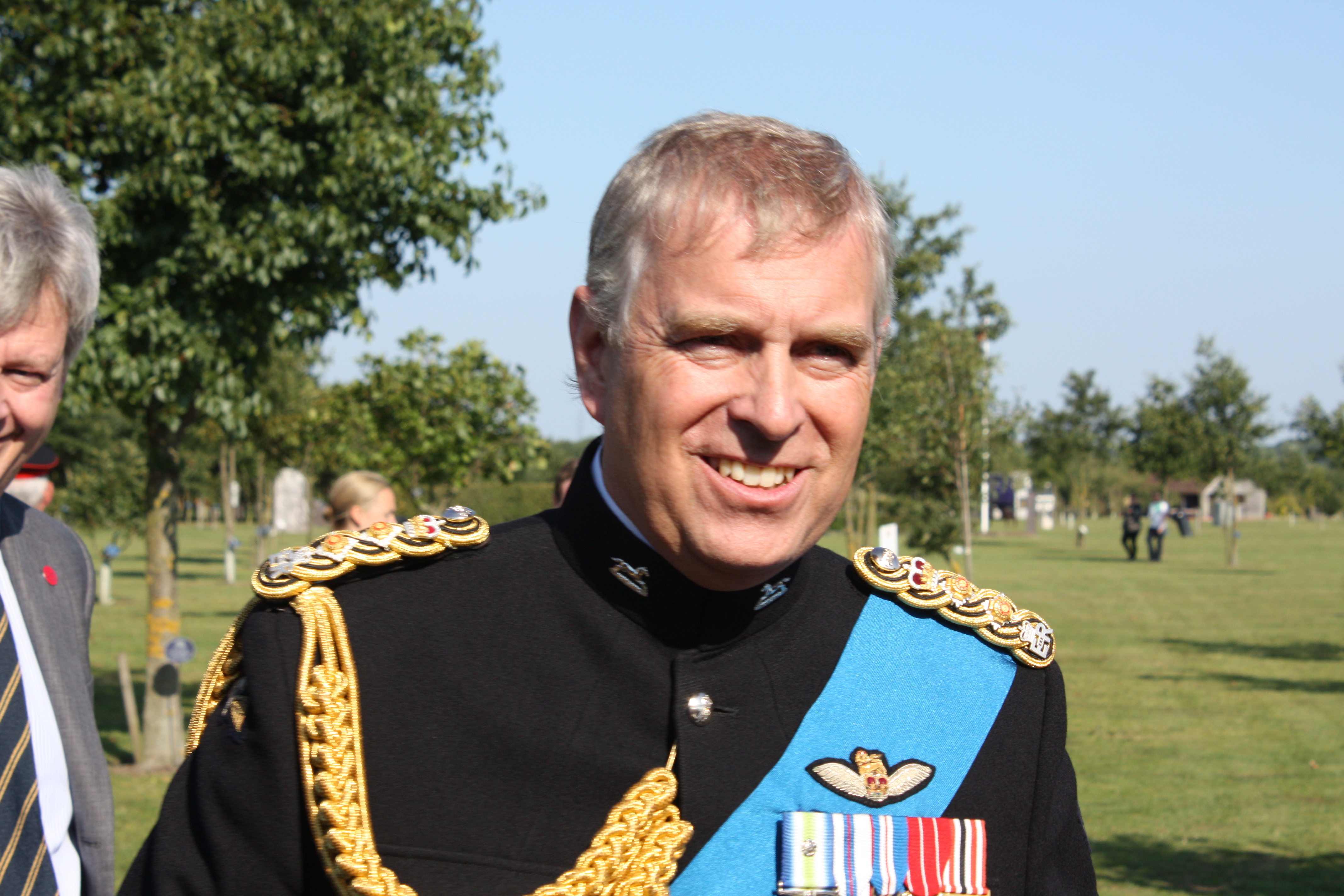
Andrew Mountbatten-Windsor, known for most of his life as Prince Andrew, has launched legal action against the police force that arrested him in February, asking a High Court judge to decide whether the search warrants that let detectives raid his homes were lawful. It is the first time in the modern era that a member of the British royal family has gone to court to challenge the legality of criminal proceedings against himself — and whatever the judge decides, the case guarantees the Epstein scandal keeps its seat at the royal table for months to come.
What just happened
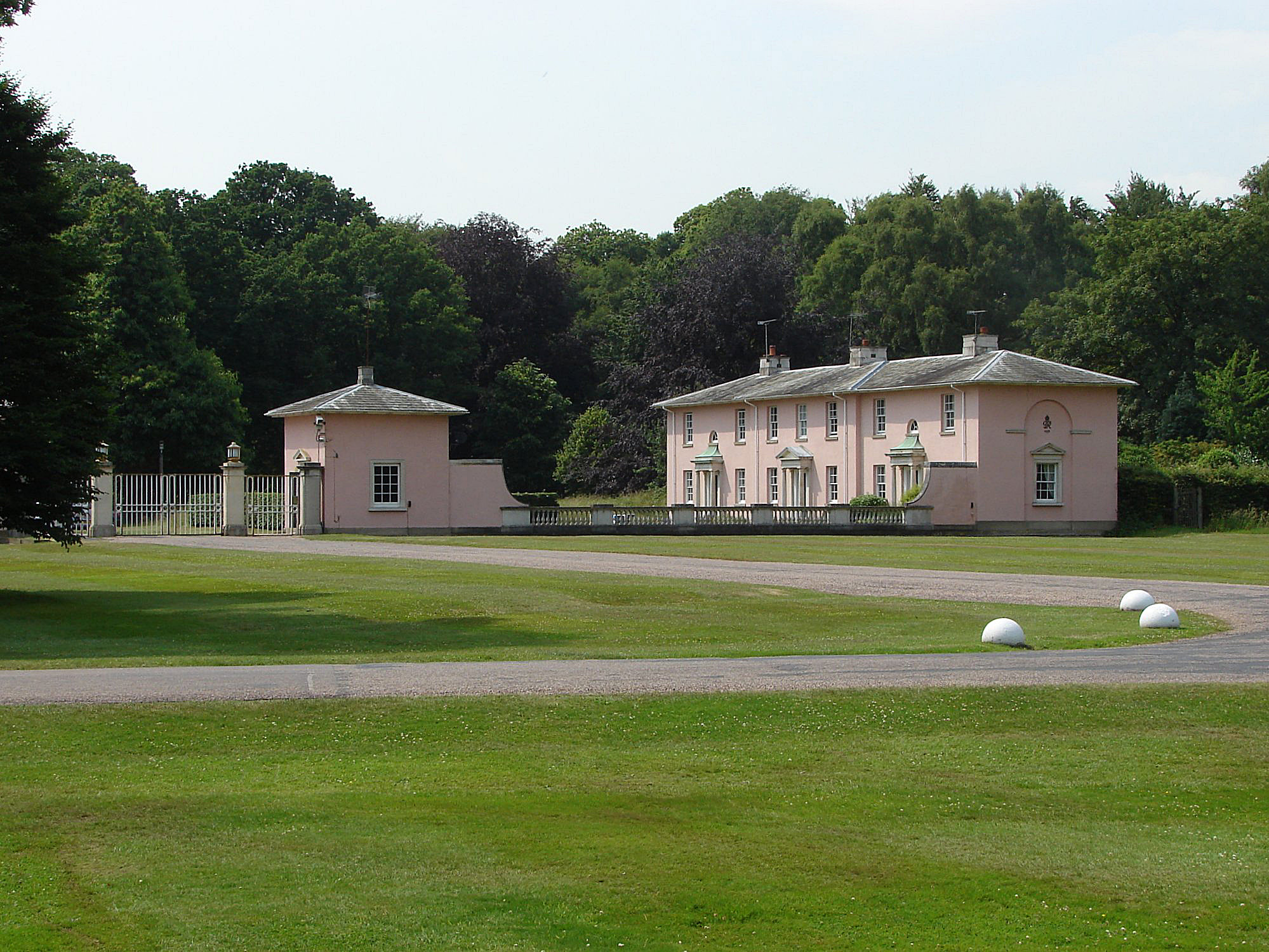
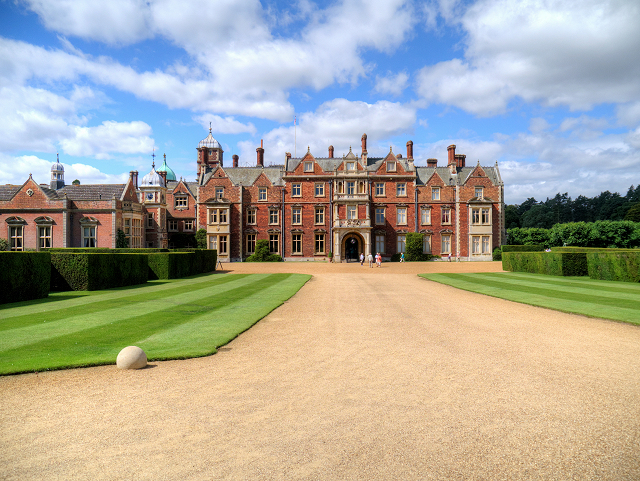
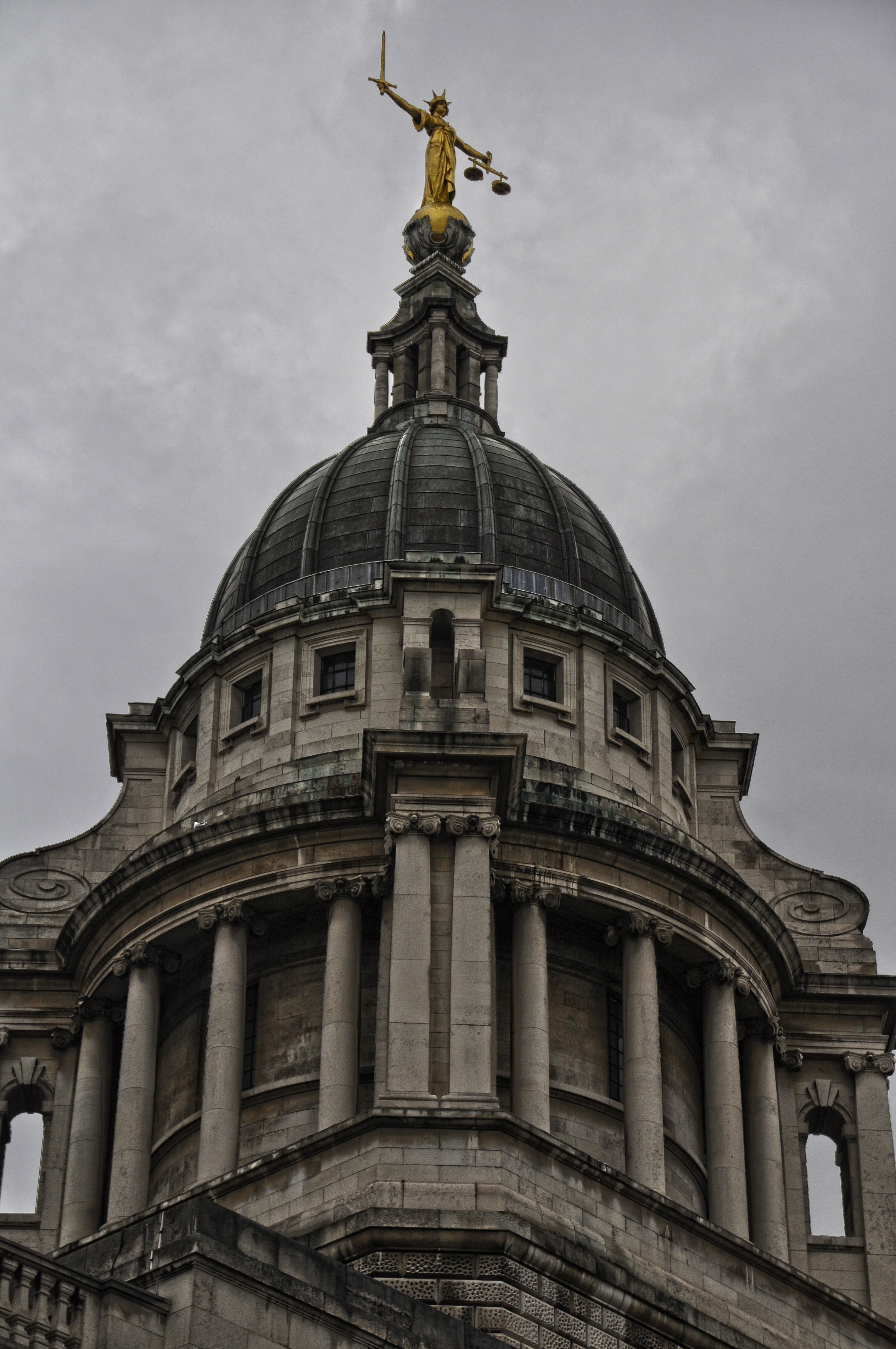
The Telegraph reported on Sunday that Mountbatten-Windsor, 66, had lodged a judicial review claim against Thames Valley Police. On Monday, Britain's Judicial Office confirmed that a hearing is scheduled for 2pm on Thursday, October 8, at the High Court before Mr Justice Hilliard. The claim targets the search warrants that authorized police to raid his home at Marsh Farm on the Sandringham estate in Norfolk and his former residence, Royal Lodge, in Windsor. The warrants were issued by a judge at the Old Bailey — London's Central Criminal Court — at Thames Valley Police's request. Thursday's session will begin in private: police are asking the court to restrict access to documents connected with the proceedings, and it is not yet known whether Mountbatten-Windsor will attend. Thames Valley Police said on Monday it was “engaged in legal proceedings in relation to warrants previously obtained from the Central Criminal Court,” declined further comment while proceedings are ongoing, and stressed that its investigation into suspected misconduct in public office continues.
Why this matters
Britain's unwritten constitution runs on a quiet understanding: the Crown is above politics but not above the law. This case puts that principle on a courtroom stage. A former prince — arrested in February in the first detention of a senior royal in nearly four centuries — is now using the courts to put the state's own case under the microscope. If the warrants stand, the police investigation rolls on with its evidence intact. If they fall, one of the most scrutinized police operations in modern British history takes a public wound, and the case against him could be hollowed out before the underlying allegation is ever tested. Either way, the monarchy absorbs another news cycle it cannot control. The deeper significance is not really about Andrew at all: it is a live demonstration, in the most symbolically loaded setting imaginable, that in Britain today even royalty must argue with the police in front of a judge.
How we got here
The Epstein connection
Mountbatten-Windsor's downfall began with his friendship with the late sex offender Jeffrey Epstein. He stepped back from all official royal duties in 2019 as the scandal consumed him, and in October 2025 his older brother, King Charles III, stripped him of his remaining titles and honours amid fresh revelations about the relationship. He has consistently denied any wrongdoing and said he regrets the friendship.
The files and the February arrest
The criminal investigation traces to millions of pages of documents from the US Justice Department's Epstein inquiry, which investigators say raised allegations that Mountbatten-Windsor shared sensitive government information with Epstein during his 2001–2011 tenure as Britain's special representative for trade. On February 19, 2026 — his 66th birthday — police detained him at his home on the Sandringham estate, drove him to Aylsham police station in Norfolk, and questioned him under caution for roughly eleven to twelve hours on suspicion of misconduct in public office. He was released under investigation: neither charged nor cleared. Over the following days, officers searched both Marsh Farm and Royal Lodge, seizing documents and other material.
The legal question, explained
A judicial review is not a retrial of guilt. The High Court will examine whether the warrants were lawfully granted and executed: whether there were reasonable grounds, whether the correct procedure was followed, whether the searches were proportionate. That is a narrower — and for the police, potentially more dangerous — question than “did he do it.” If the court quashes the warrants, the material seized under them could face serious admissibility problems, potentially gutting the investigation without the core allegation ever being adjudicated. British courts weigh exclusion of evidence case by case, so nothing is automatic; but the mere prospect is why Thursday's private hearing over document access matters — both sides are already fighting over what the court, and the public, gets to see.
Who wins, who loses
Mountbatten-Windsor wins narrative oxygen either way: a ruling that procedures were flawed becomes leverage and vindication-by-process; even a loss demonstrates defiance and buys months. Thames Valley Police faces the sharper risk — a quashing would be a public rebuke of a high-stakes operation conducted under global scrutiny, and could endanger a case two years in the making. The Palace loses regardless of the legal outcome: every hearing date is another headline tying the Crown to the Epstein files, and the institution has no legal standing in a fight between a former prince and the police. The public interest sits in the tension between the two principles at stake — the right of the accused to a lawful process, and the accountability of the powerful.
What the numbers actually say
Eleven to twelve hours of questioning under caution. Millions of pages of released Epstein documents. Roughly seven and a half months from arrest to this legal challenge. Nearly four hundred years since a senior royal was placed under arrest — and, per the Telegraph's historical framing, the first time since the trial of Charles I in 1649 that a member of the royal family has challenged the lawfulness of criminal proceedings against himself. And 2pm on Thursday: the first, procedural skirmish, over who gets to read the paperwork.
What happens next
Three paths open from here. One: the warrants are upheld, the investigation proceeds with its evidence intact, and Mountbatten-Windsor's fight narrows to defending himself if charges ever come. Two: the warrants are quashed, the police scramble — possibly appealing — while the misconduct investigation loses some of its foundation. Three, the most likely: the slow middle. Procedural litigation over documents and access stretches for months while the underlying investigation runs on a separate track, and the story advances in hearing dates rather than verdicts. The one certainty is the calendar: Thursday's hearing starts the clock, and the investigation, the police emphasize, continues.
The bottom line
Whatever the High Court decides about a set of search warrants, the reputational verdict on Andrew Mountbatten-Windsor was entered long ago. What is new — and what makes this story bigger than one disgraced former prince — is the spectacle of the British establishment litigating against itself: a king's brother asking a judge to declare the police acted unlawfully, in proceedings the police want partly sealed from public view. The monarchy survived February's arrest by saying nothing. It will have to survive this chapter the same way — in silence, while the courts talk.
Related Signal Post News coverage
Sources
- CNN, October 5 — hearing confirmation, warrants and investigation background
- Reuters, October 5 — legal challenge and police statement
- Associated Press via NPR, October 5 — court filing, searches and February arrest
- The Telegraph, October 4 — first report of the judicial review claim and its historical framing
- BBC, October 5 — Monday coverage of the legal action and continuing police investigation
- Thames Valley Police, October 5 — statement that the force is “engaged in legal proceedings in relation to warrants previously obtained from the Central Criminal Court”
- Judicial Office spokesperson, October 5 — confirmation of the 2pm October 8 High Court hearing before Mr Justice Hilliard