Technology / Astana — The Pony.ai Astana robotaxi inDrive 2027 plan would put Gen-7 autonomous cars on Kazakh roads for safety-operator testing, not an immediate driverless service.
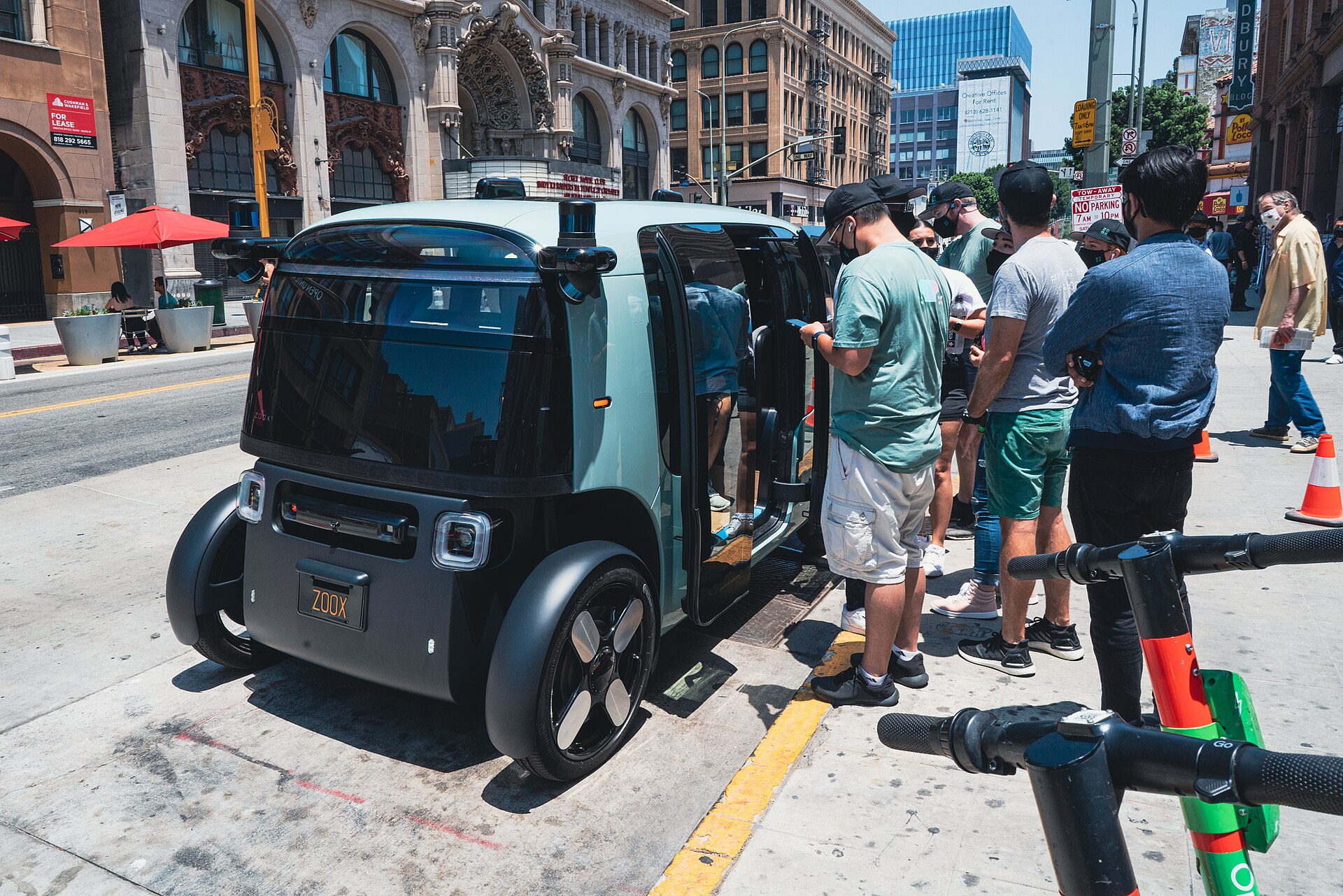
Precision comes first in the Pony.ai Astana robotaxi inDrive 2027 story. An MOU is a memorandum of understanding — a statement of intent, not a launch, not a licence and not a promise that passengers will soon hail a car with nobody at the wheel. The agreement reported this week envisages testing with safety operators aboard, starting in the first half of 2027. No date for driverless commercial service has been announced.
With that caveat stated plainly, the deal is still significant. On October 22, 2026, Pony.ai, inDrive and Nvidia signed an MOU to deploy Pony.ai's Gen-7 robotaxis in Astana, Kazakhstan, according to an AI Weekly and VectorWire summary of the agreement. It links a Chinese autonomous-driving company, a ride-hailing platform built in emerging markets, and the American chipmaker whose hardware increasingly sits underneath both.
What the three companies agreed
The plan is to begin with safety-operator testing in the first half of 2027. That means a trained human remains in the vehicle, ready to intervene, while the system drives and engineers collect data. It is the unglamorous stage on which every credible robotaxi programme depends: mapping local roads, learning local driving behaviour, validating sensors in local weather and working through regulators' questions before any public, driverless offer.
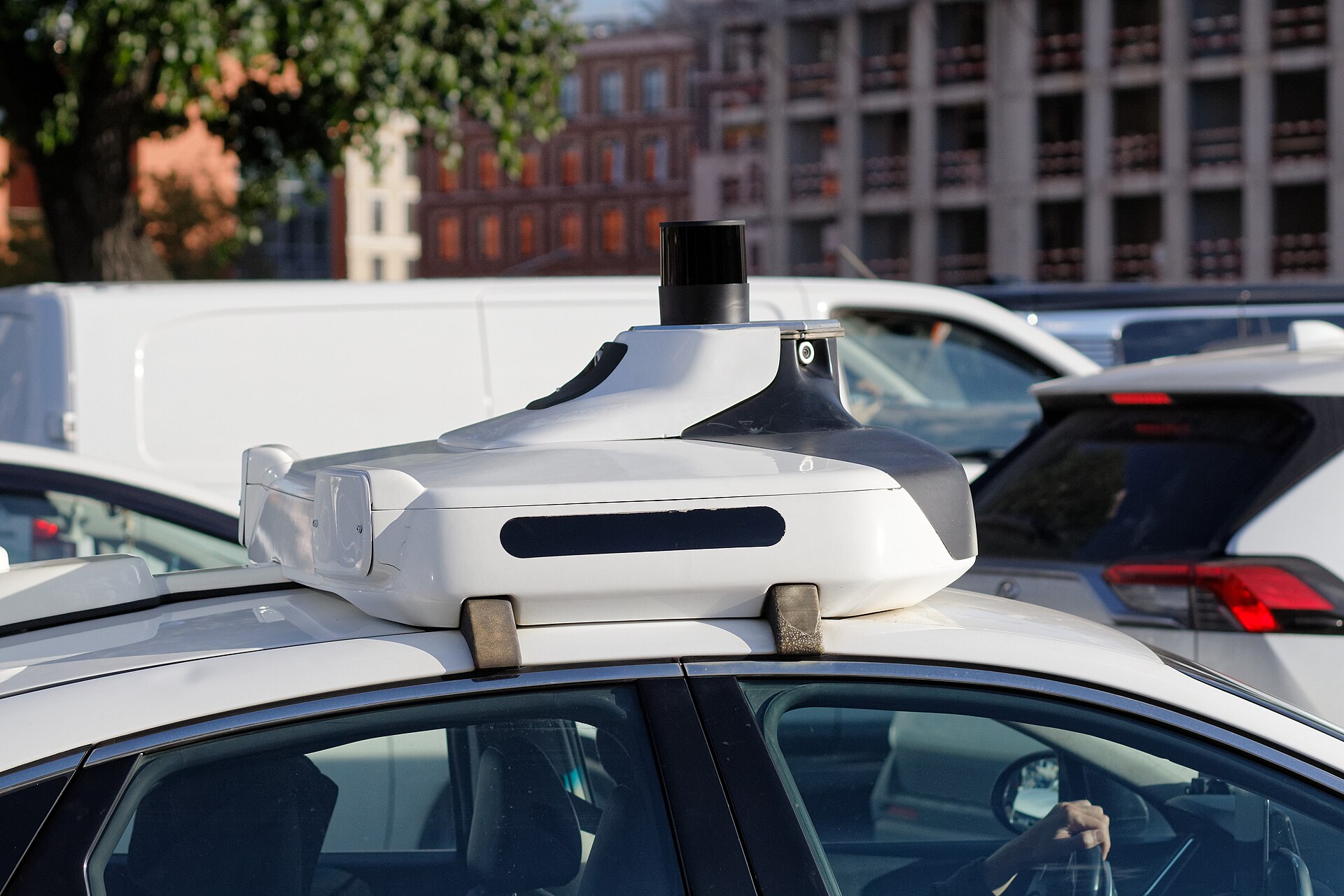
The vehicles, as summarised, will run on Nvidia's Hyperion platform with its Halos safety system, using two Nvidia Drive Thor chips totalling 4,000 FP4 TFLOPS. TFLOPS — trillions of floating-point operations per second — is a measure of raw computing throughput, not a guarantee of safe driving. Still, the number helps explain the architecture. A robotaxi must fuse feeds from multiple cameras, radar and lidar many times each second, track pedestrians and vehicles, predict what they will do next and plan a path, all with redundancy so that if one computing path fails, another can keep the car safe. Four thousand TFLOPS across two chips is headroom for that fusion work plus the second, checking layer that safety cases require.
inDrive's role is distribution. The company says its ride-hailing app spans 48 countries and 1,200 cities. Integrating Pony.ai vehicles into that app would give the robotaxis a booking, payment and customer-support front end without Pony.ai having to build a consumer network in Kazakhstan from scratch.
The MOU also builds on a much larger backdrop: the US$10 billion Kazakhstan–Nvidia AI pact signed in June 2026. That agreement framed AI as national infrastructure for Kazakhstan. A robotaxi test in the capital is a visible, street-level expression of the same strategy.
Why Astana? Winter is the point
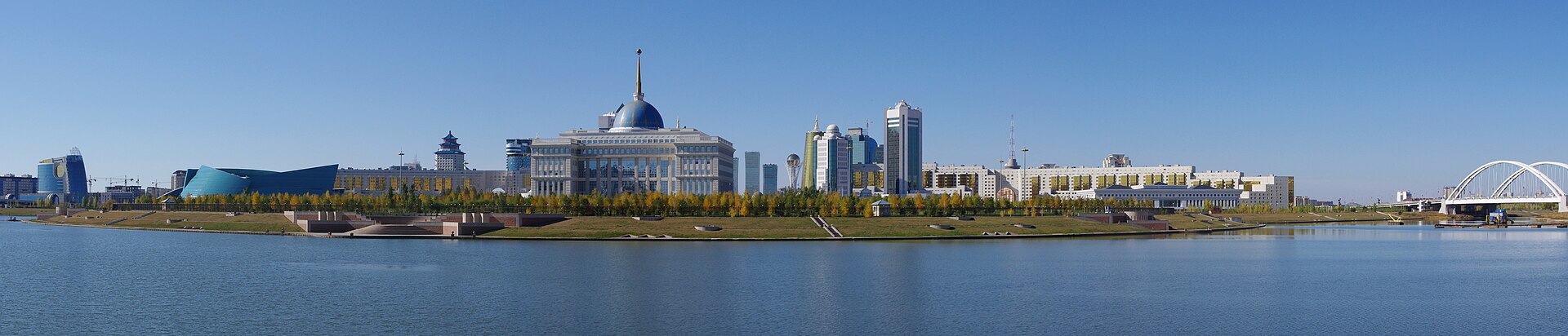
Many autonomous-vehicle programmes begin where the weather is kind — California, Arizona, Texas. Astana offers the opposite argument. The Kazakh capital is one of the world's coldest capitals, with long winters, snow, ice, glare, obscured road markings and temperatures that can fall far below zero. Batteries lose range, sensors fog or ice over, lidar returns change in falling snow, and braking distances stretch on slick surfaces.
That hardship is precisely the technical story. A system that works only on dry, well-marked roads in sunshine has solved the easier part of driving. Sub-zero testing forces engineers to prove sensor cleaning and heating, thermal management, tyre and braking models, and the software's humility — knowing when conditions exceed its competence and it should slow down, pull over or hand back to the safety operator.
There is a state-strategy reason, too. Kazakhstan has spent heavily to present itself as a digital and AI hub for Central Asia, with government backing that can align transport, telecoms and city authorities behind a pilot. For Pony.ai, Astana offers a capital-city showcase in a market less crowded by American rivals. For inDrive, which built its business in emerging markets rather than starting in the United States, Kazakhstan is familiar territory.
The comparison with Waymo's move toward Toronto, its first Canadian target, is instructive. Waymo's model has been US-first, city by city, with its own consumer service layered on gradually. The Pony.ai–inDrive model is partnership-first: local platform, local state support, imported driving stack. Both must pass the same test — safe operation at scale — but they distribute commercial risk very differently.
Why this matters
Why this matters is that robotaxis are becoming a contest of ecosystems, not just algorithms. A decade ago the question was whose software could drive. Now the decisive questions include who supplies the computing, who owns the customer relationship, which city provides the regulatory path, and who carries the cost of fleets, depots, cleaning, charging and remote assistance.
Pony.ai's expansion pattern reflects that shift. Rather than entering every country alone, it partners — with fleet operators, platforms and governments — and repeats a Gen-7 vehicle platform across markets. Partnerships speed entry, but they also add dependencies: if a partner's app, funding or political support falters, deployment can slow even if the technology is ready.
For Nvidia, the deal shows how its automotive platform business benefits whichever robotaxi brand wins locally. Two Drive Thor chips per vehicle, replicated across a fleet, turn autonomous driving into recurring hardware demand. For inDrive, robotaxis offer a long-term answer to driver supply in some markets, but also a tension it will need to handle openly: its brand was built around human drivers negotiating fares. Automating rides in one capital will raise questions from drivers across its 1,200 cities about what comes next for them.
The sceptics' case
Sceptics will start with the conversion rate of MOUs. The autonomous-vehicle industry has a long record of announced partnerships that produced little more than a demonstration. An MOU typically binds nobody to buy a fleet, meet a date or launch a service. Regulators in Kazakhstan have not, in the reporting summarised here, granted a driverless permit, and no fleet size, fare, service area or passenger date has been published.
There are technical sceptics, too. High TFLOPS figures can become marketing shorthand. What matters is not peak throughput but performance in the worst minute of the worst day: a snow-covered junction, a pedestrian in dark clothing, a sensor half-blinded by road salt. Safety operators in H1 2027 will generate the disengagement and intervention data that either supports or undermines the case for removing them later.
Supporters answer that this is exactly why the announcement is structured as testing first. A programme that promised immediate driverless rides in Astana's winter would be less credible, not more. The MOU's modesty — operators aboard, no commercial date — can be read as realism, provided the partners then publish milestones and meet them.
What the numbers do — and do not — say
Put the figures side by side. The US$10 billion Kazakhstan–Nvidia pact is national-scale AI investment context. The robotaxi MOU itself carries no disclosed fleet value in the summary. inDrive's 48 countries and 1,200 cities describe its app footprint, not places where robotaxis will operate; Astana is the named test city. And 4,000 FP4 TFLOPS describes computing capacity per vehicle architecture, not miles driven safely.
That discipline matters because robotaxi history is littered with big numbers attached to small deployments. A careful reader should ask, in order: how many vehicles, in which districts, with what safety record, under whose permit, and at what cost per ride? None of those answers exists yet for Astana. The MOU opens the questions; it does not answer them.
What happens next
What happens next, if the plan holds, is a sequence of visible checkpoints before H1 2027: a named local operating entity, regulatory engagement, vehicle arrivals, mapping and closed-course work, then supervised road testing. Each step is verifiable, and each missed step will say as much as a press release.
After that, the meaningful milestone is not a launch party but data — intervention rates falling in winter conditions, regulators comfortable enough to expand the test area, and eventually a decision on whether safety operators can be removed on defined routes. Until then, Astana's robotaxis should be reported for what the October 22 MOU actually says they are: an intention to test, in one of the hardest driving climates any robotaxi company has chosen on purpose. If Pony.ai can make its system boringly reliable there, the winter will have been the point all along.
Sources: AI Weekly / VectorWire summary, October 22–23, 2026, of the October 22, 2026 memorandum of understanding between Pony.ai, inDrive and Nvidia — Gen-7 robotaxis for Astana, Kazakhstan, safety-operator testing planned for the first half of 2027, no driverless commercial service date announced; vehicles on Nvidia Hyperion platform with Halos safety system and two Nvidia Drive Thor chips totalling 4,000 FP4 TFLOPS; inDrive ride-hailing footprint of 48 countries and 1,200 cities as stated by the company; Kazakhstan–Nvidia AI pact of US$10 billion signed June 2026, as cited in the MOU summary. An MOU records intent and does not by itself authorise or guarantee a commercial launch.