plague outbreak 2026
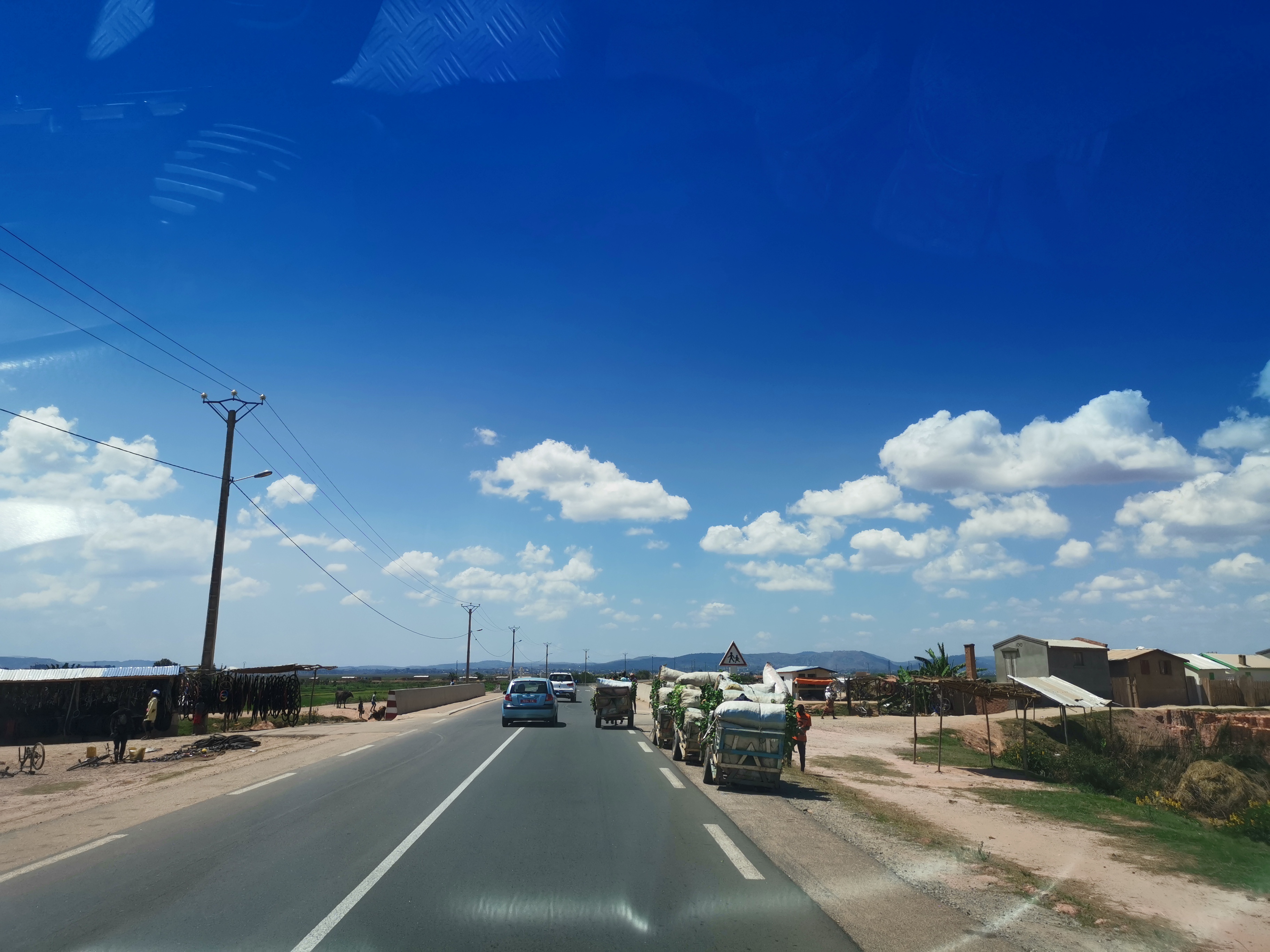
The plague outbreak 2026 story is not one outbreak. It is three warnings from three very different settings: a worker's death tied to a plague laboratory in Siberia, a lethal pneumonic-plague cluster in Madagascar, and another fatal human case in the American Southwest. Put them on a map and the surprise is not that plague has returned. It is that the bacterium never left.
Yersinia pestis, the organism behind the Black Death, survives between human outbreaks in rodents and the fleas that feed on them. Its territory includes prairie-dog colonies in New Mexico and Arizona, marmot burrows across the China-Mongolia-Russia frontier, high plateaus in western China, villages in Madagascar, and long-established zones in the Democratic Republic of the Congo and Peru. These are natural plague foci: ecological systems in which the pathogen can circulate even when no person is sick.
That map matters because it corrects two equally dangerous misconceptions. One is that plague disappeared with medieval Europe. The other is that every modern case signals a new global pandemic. In reality, plague is persistent, geographically patterned and usually treatable when recognized quickly. The danger is concentrated where surveillance is thin, care is delayed, people handle infected animals, or pneumonic disease begins spreading through close contact.
Madagascar 2026: 14 cases, 10 dead, all pneumonic
The year's starkest cluster began in a rural township in Moramanga district. According to the World Health Organization's Disease Outbreak News update, the first case was identified on August 17 and died on August 19. By August 30, authorities had recorded 14 cases, including 10 deaths. All were confirmed as pneumonic plague, the form that attacks the lungs and can pass from person to person through respiratory droplets during close exposure.
The number is small beside almost any familiar epidemic curve. Its severity is not. Ten deaths among 14 reported cases is a brutal reminder of what delayed recognition can mean when the disease is pneumonic. WHO says untreated pneumonic plague can be fatal within 24 hours of symptom onset; prompt antibiotics greatly reduce the fatality rate. In practical terms, the difference between a survivable infection and a fatal one may be measured in hours.
There was also reassuring evidence. WHO reported no new cases from affected or neighboring districts after August 27 and assessed the risk of international spread as very low. That is what a contained emergency looks like: rapid case finding, treatment, contact management and a transmission chain that stops rather than expands.
Still, the calendar argues against complacency. Madagascar's plague season generally runs from September through April. An August cluster arrived just before the months when health systems already expect more risk. The correct lesson is neither “crisis over” nor “pandemic coming.” It is that seasonal readiness—stocked antibiotics, trained clinicians, fast laboratory confirmation and public advice that reaches rural communities—decides whether a handful of infections stays a handful.
The American Southwest: plague country since 1900
For Americans asking, “Can you get plague in the US?” the answer is yes—but the geography is narrow and the annual risk is low. Plague was introduced to the United States in 1900. The country's last urban epidemic occurred in Los Angeles in 1924–1925. Since then, the bacterium has become established in wildlife across rural and semi-rural parts of the West, particularly northern New Mexico, northern Arizona, southern Colorado, California, southern Oregon and far western Nevada.
CDC data summarized by CIDRAP counted 502 US cases from 1970 through 2023. More than half were in New Mexico, followed by Colorado and Arizona. From 2000 through 2023, the country recorded 122 cases and 15 deaths. Those are not pandemic numbers. They are the signature of a rare but durable zoonotic disease.

In June 2026, New Mexico reported its first human plague case of the year, a Santa Fe County woman who died, according to Outbreak News Today. An August CDC health advisory and an October reminder to Southwest clinicians underscored the same point: the threat is uncommon, but missing it can be deadly.
The ecology is local. Fleas acquire the bacterium from infected wild rodents and can transmit it to people or pets. A sudden die-off in a prairie-dog colony can be an ecological alarm because plague may race through animals that lack resistance. Domestic cats can hunt infected rodents and bring risk closer to a household. Prevention therefore looks less like pandemic lockdown and more like ordinary western caution: avoid sick or dead wildlife, control fleas on pets, reduce rodent habitat around homes, and seek care quickly after a suspicious exposure and sudden fever.
Siberia's marmot burrows: natural foci that cannot be cleaned away
The Siberian story sits inside a much older landscape. The tarbagan marmot plague focus lies around the junction of China, Mongolia and Russia, according to the CDC's Emerging Infectious Diseases journal. Animal and human plague cases have been reported from this wider region in Mongolia and Russia. Russia recognizes eleven natural plague foci.
A natural focus is not a contaminated room awaiting disinfection. It is a web of hosts, fleas, soils, climate and landscape that allows the bacterium to persist over time. Surveillance can sample rodents, test fleas, close risky hunting areas and warn residents. It cannot scrub an ecosystem clean without destroying the ecosystem itself—and even then, reservoirs beyond the treated zone could reintroduce infection.
That is why the 2026 Irkutsk laboratory death belongs in the plague map even if it proves to be an occupational event rather than community spread. Anti-plague institutes exist because the surrounding geography has a deep biological relationship with the disease. A laboratory failure raises urgent biosafety questions, but it should not be confused with evidence that plague is sweeping through Siberian cities. Our separate report examines the Irkutsk plague laboratory death and contacts under observation; our comparison explains why plague does not spread like COVID.
The deeper lesson is continuity. The institute, the field teams and the marmot colonies are parts of one public-health system: ecology creates recurring risk; surveillance tries to find it before a human chain begins; laboratories confirm what field signals mean. When one layer fails, the others become more important.

Mongolia: where eating marmot can kill
In Mongolia, the route from wildlife reservoir to human illness is unusually direct. Contact with and consumption of marmots is the principal source of human plague, the CDC journal review reports, with roughly 20 human cases a year. Hunting traditions, food practices and the handling of carcasses create exposure opportunities that do not exist for most urban residents elsewhere.
The tarbagan marmot is not “the plague animal” in a simplistic sense; it is one host within an ecology that includes fleas and other mammals. But human behavior determines when that ecology crosses into a kitchen, a vehicle or a family gathering. Skinning a sick animal can expose a hunter to infected tissue or fleas. Eating undercooked meat compounds risk. If pneumonic disease develops, close contacts can then become a second circle of concern.
Public-health measures must therefore fit the place. A generic poster about handwashing is not enough. Effective prevention has to address hunting rules, seasonal closures, safe reporting of dead marmots, rapid transport to care and the cultural reasons people continue practices officials discourage. Enforcement without trust can drive hunting underground; education without enforcement may leave commercial incentives untouched.
Congo and Peru: the quiet endemic zones
The Democratic Republic of the Congo, Madagascar and Peru are repeatedly identified among the countries where plague remains most entrenched. WHO estimates cited in international reporting put the global annual burden at roughly 1,000 to 3,000 reported cases. The phrase “reported cases” matters: remote communities, weak transport and limited laboratory access mean the count can miss illness that never reaches surveillance.
In the DRC, Ituri province is the classic focus. Plague there competes for attention with displacement, conflict, malnutrition and other outbreaks. A disease that is rare globally can be a recurring local threat when clinics are distant and antibiotics arrive late. The same biological clock applies everywhere—especially for pneumonic disease—but the health system's ability to beat that clock is radically unequal.
Peru illustrates a different enduring zone, rooted in the Americas rather than Africa or Eurasia. Its presence breaks the intuitive but false idea that modern plague is confined to one continent or one climate. Mountain valleys, agricultural interfaces, rodents and fleas can sustain risk far from the historical image of crowded European cities.
These quiet zones rarely dominate international headlines because most events are localized. That makes them more important, not less, to understanding where plague is today. The global map is built from repeated small emergencies, many handled by local clinicians and field teams before the wider world notices.
China: the vast Qinghai-Tibet focus
China contains several plague landscapes, but the Marmota himalayana focus on the Qinghai-Tibet Plateau is the most extensive area of animal plague. Yersinia pestis has been isolated there every year since 1954, and sporadic human cases have carried high fatality.
The plateau's scale explains why elimination is the wrong operational goal. Surveillance teams are dealing with a vast, high-altitude wildlife system, not a single village reservoir. Monitoring animal activity, testing specimens, regulating hunting and preparing county-level hospitals are realistic defenses. Eradicating every infected host across that terrain is not.
China's Inner Mongolia has also become familiar to readers through periodic marmot-linked alerts. The essential distinction is between an infected animal or isolated human case and sustained person-to-person transmission. The first is evidence that a natural focus is active. The second—especially if pneumonic—is the event that demands intensive contact tracing and potentially broader controls. Clear public reporting should say which of those situations exists.
Why plague can never be eradicated: the ecology of natural foci
Smallpox could be eradicated because it had no nonhuman reservoir. Plague is different. The bacterium can circulate among wild animals beyond routine human reach. Fleas bridge species. Local rodent populations can crash, recover and move; climate and food availability can change flea abundance and host behavior. Human cases are often the visible edge of a much larger animal system.
This does not mean society is helpless. The objective is suppression and interruption: identify animal die-offs, warn communities, treat human cases, give preventive antibiotics to appropriate close contacts, protect clinicians and determine quickly whether lungs are involved. In the United States, that means clinician awareness in a few western states. In Madagascar, it means seasonal readiness and fast district-level response. In Mongolia and China, it includes managing marmot exposure. In Congo, it requires bringing diagnosis and medicine closer to remote communities.
The ecology also explains why a single worldwide “plague count” can mislead. Fourteen pneumonic cases linked in one district are epidemiologically different from fourteen isolated flea-borne cases scattered across a vast region. One sick laboratory worker raises different questions from a hunter infected while skinning a marmot. Form, route, timing and setting matter as much as the number.
Treatment is the great modern dividing line. Prompt antibiotics can sharply reduce fatality. Delay allows bubonic infection to progress or pneumonic disease to overwhelm the lungs; without treatment, WHO warns, pneumonic plague may kill within 24 hours of symptom onset. The medieval terror remains biologically recognizable, but the medical response is not medieval.
What 2026 really tells us
This year's cases do not describe a single wave moving across countries. They describe the same bacterium finding different pathways through long-established terrain. Madagascar's cluster showed the speed and lethality of pneumonic disease—and the possibility of stopping it. New Mexico's death showed that “plague in America” is not a historical footnote. The Siberian laboratory story showed why institutions built around natural plague country must hold an unusually high biosafety standard.
The forward risk is real but bounded. International spread from the Madagascar cluster was assessed as very low. US cases remain rare and concentrated in western ecological zones. Marmot-associated infections are dangerous to hunters, households and local health workers but do not automatically become efficient global transmission. The world should be alert to clusters, not hypnotized by the name Black Death.
What deserves scrutiny in the months ahead is practical: whether Madagascar remains quiet through the core plague season; whether additional cases appear in the US Southwest; whether the Irkutsk investigation explains the exposure; whether surveillance around Asian marmot foci detects unusual animal activity; and whether endemic districts in Congo and Peru receive antibiotics fast enough.
Plague never went away because its home is larger than humanity. It lives in burrows, fleas and wildlife corridors that cross political borders. The public-health achievement is not erasure. It is preventing those ancient reservoirs from becoming modern chains of human death—and recognizing quickly when they do.
Sources
- World Health Organization, Disease Outbreak News — Madagascar case timeline, case and death totals, pneumonic classification, seasonal context, treatment urgency and international risk assessment.
- CIDRAP: CDC reminds Southwest doctors to be aware of plague — US history, geographic distribution, CDC totals and 2026 clinician advisory context.
- Outbreak News Today: New Mexico reports first human plague case of 2026 — Santa Fe County fatality.
- CDC Emerging Infectious Diseases, Vol. 27, No. 10 — tarbagan marmot focus, Mongolia exposures, China-Mongolia-Russia geography and Russia's recognized natural foci.
Reporting note: Case counts and assessments are snapshots from the cited public-health reports. A natural plague focus describes persistent animal ecology, not continuous human transmission.