can cats get plague

Can cats get plague? Yes — and of every animal that shares your home, the cat is the one that keeps plague scientists up at night. The U.S. Centers for Disease Control and Prevention describes cats as "highly susceptible" to Yersinia pestis, the bacterium that causes plague, and "a common source of infection in humans" — meaning owners and veterinarians alike. Dogs tell a different story: they are tougher against the disease itself, but they make excellent taxis, carrying infected fleas through the front door on their fur.
This is not a theoretical risk. In 2026, plague is active in American pets: four dogs diagnosed in New Mexico, a plague-positive wild rat in Santa Fe County, a pet cat case in Colorado the previous summer, and a fatal human case in Arizona that followed contact with two sick cats. Roughly half of all U.S. human plague cases each year occur in New Mexico, according to the state health department — and pets are often the bridge between the wild rodent reservoir and the family living room.
If you live in the West, or your pets roam outdoors anywhere near rodent habitat, this guide covers what the CDC and state health departments actually teach: how cats and dogs encounter plague, the symptoms to watch for, the real risk to your family, and the proven steps that keep everyone — two-legged and four-legged — safe.
The short answer: cats are the risk, dogs are the ride
Plague is a disease of mammals — the CDC notes it "affects humans and other mammals" — but mammals are not equally vulnerable. The species divide at the heart of this story is stark:
Cats are highly susceptible. They catch plague easily, usually by hunting infected rodents or being bitten by infected fleas, and they develop serious illness — including, in about one case in ten, the pneumonic form that can spread through the air to people. The CDC's veterinary guidance is blunt: cats are "a common source of infection in humans (owners and veterinarians)."
Dogs are comparatively resistant. The CDC says dogs infected with plague are "less likely than cats to develop clinical illness." Most canine infections are probably subclinical — the dog fights off the bacterium without ever looking sick. But "resistant" does not mean "irrelevant": dogs can still carry infected fleas into the house on their coats, and their blood can tell epidemiologists where plague is circulating.
The practical takeaway: if you own a cat in the rural West, the cat itself is the patient to watch. If you own a dog, the dog is the early-warning system — and the flea shuttle.
Why cats are plague's favorite pet
Nothing about this is the cat's fault. It is the collision of feline biology with the ecology of plague in the American West.
The hunting habit that exposes them
Cats most often acquire plague through oral contact with infected rodents — in plain terms, by hunting. A cat's natural behavior of catching mice, rats, squirrels, and chipmunks is, in plague-endemic areas, the primary route of exposure, according to California's plague compendium. An outdoor or barn cat doing exactly what cats have done for thousands of years can pick up Y. pestis from a single infected rodent.
Flea bites are the second route. During plague epizootics — outbreaks among wild rodents — die-offs leave hungry infected fleas searching for new hosts, and a cat prowling through that landscape is an easy target. The incubation period is short, roughly two days, and then the illness hits suddenly.
What plague looks like in a cat
Plague in cats usually announces itself with fever, lethargy, and loss of appetite — signs so generic they could be anything, which is exactly why plague gets missed. The telltale clue is lymphadenitis: swollen, often abscessed lymph nodes, most commonly under the jaw (submandibular), seen in roughly 75 percent of feline cases. These abscessed nodes can look identical to ordinary bite-wound abscesses, a classic trap for the unwary.
About 10 percent of cat cases go pneumonic. A cat with pneumonic plague shows respiratory distress — sneezing, coughing, wheezing, nasal discharge that is sometimes bloody, mouth lesions — and this is the form that endangers everyone nearby. Untreated plague in cats is often fatal, but prompt antibiotics change the odds dramatically, just as they do in people.
The pneumonic danger: when a sick cat can infect you
Here is the part that separates cats from every other pet. A cat with pneumonic plague can cough bacteria-laden droplets into the air — and those droplets can give pneumonic plague to a person who inhales them. The CDC states that humans and animals with plague pneumonia "can sometimes cough droplets containing plague bacteria into the air," and that this "typically requires direct and close contact with the person or animal with pneumonic plague."
The historical record is sobering. Cat-associated human plague cases, including fatalities, have been reported in the western United States since 1977. Between 1926 and 2012, six of the fourteen primary pneumonic plague cases in the United States — 43 percent — involved contact with domestic cats. Person-to-person spread of plague has not been documented in the U.S. since 1924, yet "there continue to be rare cases of pneumonic plague among people exposed to sick cats," in the CDC's words.
Transmission is not limited to droplets. People can be infected through bites, scratches, or direct contact with infectious discharge from a sick cat — and indirectly, when pets carry infected fleas into the household. Veterinarians are explicitly in the risk group: CDC guidance tells vet staff to suspect plague in pets with compatible signs and rodent exposure, and to don masks and gloves, isolate the animal, and notify public health officials.
The 2026 Arizona case is a grim reminder: a man's fatal pneumonic plague followed contact with two sick cats, in a state that had seen only eight human cases from 2000 through 2024. Coconino County health officials put it plainly: "Be aware that cats are highly susceptible to plague" — and a sick cat, especially one allowed to roam outdoors, "should receive care by a veterinarian for proper diagnosis and treatment."
Dogs: tougher — but not innocent
Dogs occupy a strange middle ground in the plague story: hard to sicken, easy to underestimate, and genuinely useful to science.
Dogs as plague sentinels
Plague in dogs is rarely documented, and the California compendium notes that "most infections are probably subclinical." Like their wild cousins, infected domestic dogs develop antibody titers in response to infection — meaning a blood test can reveal that plague passed through even when the dog never looked ill. A high proportion of dogs with elevated titers in an area "may signal recent plague activity among rodents," making dogs valuable sentinel animals for surveillance. Historically, dogs were used to monitor plague activity on Indian reservations and military bases in California.

The flea-taxi problem
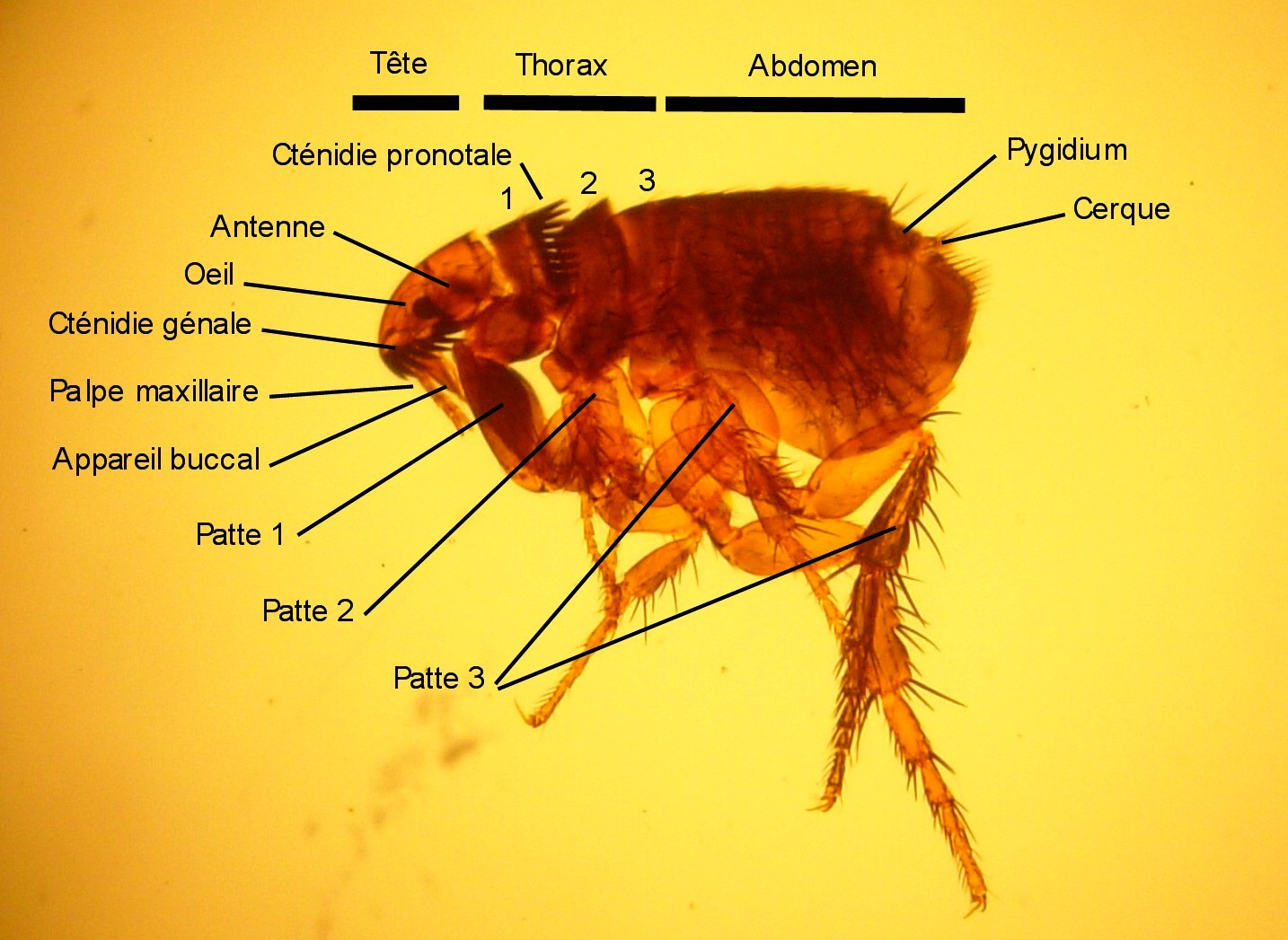
The CDC's plainest warning about dogs is also the most practical: "Dogs and cats may also bring plague-infected fleas into the home." A dog that romps through brush where rodents have died of plague can pick up hungry infected fleas and deliver them to the carpet, the couch, and the kids. Flea-bite exposure can then cause bubonic or septicemic plague in people — no sick dog required.
That is why New Mexico's 2026 dog cases mattered even though every dog recovered: each positive dog was a flashing indicator that infected fleas were active in that neighborhood. When the state lab confirms plague in a dog, it is really telling the humans nearby to check their own flea defenses.
2026 is an active year: the Santa Fe County warning
New Mexico is America's plague capital — roughly half of all U.S. human cases each year occur there — and 2026 has been busy. In March, a Santa Fe County dog became the state's first animal plague case of the year; the dog received veterinary care and recovered. By July, three more dogs in Santa Fe County and one in Bernalillo County had tested positive, and a wild rat found dead on private property in Santa Fe County confirmed the wildlife reservoir was active too — five animal cases statewide.
The human toll followed: a Santa Fe County woman died of plague in the state's first human case of 2026. In Arizona, Apache County confirmed a human case in April — its first since 2015 — and the state health department's 2026 tally listed one human case alongside the animal cases. Colorado, meanwhile, reported plague in a pet cat near Evergreen in August 2025, with officials noting "it's not uncommon to see a few animal cases of plague in the warmer months."
The pattern is the classic one: human cases cluster in northern New Mexico, northern Arizona, and southern Colorado, plus California, southern Oregon, and far western Nevada. The CDC reports an average of seven U.S. human cases a year — a small number, but each one is a reminder that the bacterium never left.
Symptoms in pets: the checklist
Plague moves fast in pets, and early treatment is everything. New Mexico's health department lists the core signs for cats and dogs: fever, lethargy, and loss of appetite, sometimes with swelling in the lymph node under the jaw. State public health veterinarian Dr. Erin Phipps adds the exposure history that should raise suspicion: "Pets can be infected with plague if they eat an infected animal or are bitten by infected fleas."
For cats specifically, watch for the submandibular swelling — a lump under the jaw that may abscess — and any respiratory signs: sneezing, coughing, labored breathing, or bloody nasal discharge, which suggest the pneumonic form and demand immediate isolation from people and other animals. Deputy state epidemiologist Dr. Chad Smelser's warning covers the household: "humans can get plague from flea bites or direct contact with infected animals, including rodents, wildlife and even pets."
The cruel difficulty is that early plague looks like a dozen ordinary pet illnesses. The differentiator is context: a sick pet in the rural West, especially an outdoor cat, during flea season, with possible rodent contact. Mention that context to your vet explicitly — it is the single most useful thing you can say. For a deeper dive on how plague presents in people, see our pneumonic plague symptoms guide.
Protecting your pets: the CDC playbook
The good news is that every major route of pet plague is blockable with unglamorous, proven steps. The CDC and the New Mexico Department of Health recommend the same core measures:
Use a veterinarian-approved flea control product on your pets. This is the single highest-value action. Consistent flea prevention breaks the rodent–flea–pet–human chain at its weakest link. Ask your vet which product fits your animal; do not improvise with dog products on cats, which can be toxic.
Control pet roaming. The CDC advises pet owners to limit roaming, especially for cats. An indoor cat's plague risk is near zero. If your cat goes out, consider supervised outdoor time or a catio rather than free roaming through rodent habitat.
Starve the rodents, not the pets. Clean up woodpiles, brush piles, junk, and abandoned vehicles near the home; move hay, wood, and compost piles as far from the house as possible; and never leave pet food and water where rodents and wildlife can reach it. Fewer rodents near the house means fewer infected fleas near your pets.
Avoid sick or dead wildlife. Do not let pets — or kids — investigate dead rodents, rabbits, or their nests and burrows. If you find a dead rodent on your property in an endemic area, report it rather than handling it barehanded. For the full household protection picture, see our plague prevention guide.
When to call the vet — and what happens next
Call your veterinarian promptly if your pet — especially an outdoor cat in the West — develops sudden fever, lethargy, appetite loss, or a swollen lump under the jaw. Say the word "plague" and describe any rodent or flea exposure; veterinarians are trained to consider it, but the reminder helps. New Mexico's health department operates a helpline at 1-833-SWNURSE (1-833-796-8773) for physicians and veterinarians who suspect plague.
At the clinic, the CDC's veterinary protocol kicks in: staff wear masks and gloves, the animal is isolated, the lungs are assessed for pneumonic involvement, samples (lymph node aspirate, blood, or tissue) go for testing, antibiotics start promptly, and flea control is applied to the animal and the hospital environment. Owners get household flea-control advice, and public health officials are notified. The system is well-rehearsed — the Santa Fe County dog from March recovered fully with veterinary care.
And the question every owner asks: is there a plague vaccine for pets? No. The CDC is explicit: "No plague vaccine for pets is available." Prevention is entirely about fleas, roaming, and rodents — which, done consistently, works.
The bottom line for pet owners
Can cats get plague? Yes — they are the domestic animal most at risk, the most likely to become seriously ill, and the only pet that can plausibly give you pneumonic plague through the air. Can dogs get plague? They can be infected, but they usually shrug it off; their real role is carrying infected fleas indoors and serving as living surveillance sensors.
Neither fact is a reason to fear your pets. Plague is curable — in people and in animals — when antibiotics start promptly, and the treatment story is genuinely encouraging. The people and pets who do badly are overwhelmingly the ones whose illness went unrecognized. Keep the fleas off, keep the cats in, keep the woodpiles clear, and if a pet gets suddenly sick in plague country, get to the vet fast and say the word. That is the whole playbook — and it works.
Sources
- CDC: How plague spreads
- CDC: Veterinary guidance for plague
- CDC MMWR: Notes from the field — plague in domestic cats, Idaho 2016
- New Mexico Department of Health: Dog diagnosed with plague in Santa Fe County (2026)
- Santa Fe Standard: Rodent tests positive for plague; four dogs diagnosed (July 2026)
- Medical Daily: Arizona pneumonic plague case linked to sick cats (2026)