Oura IPO postponed
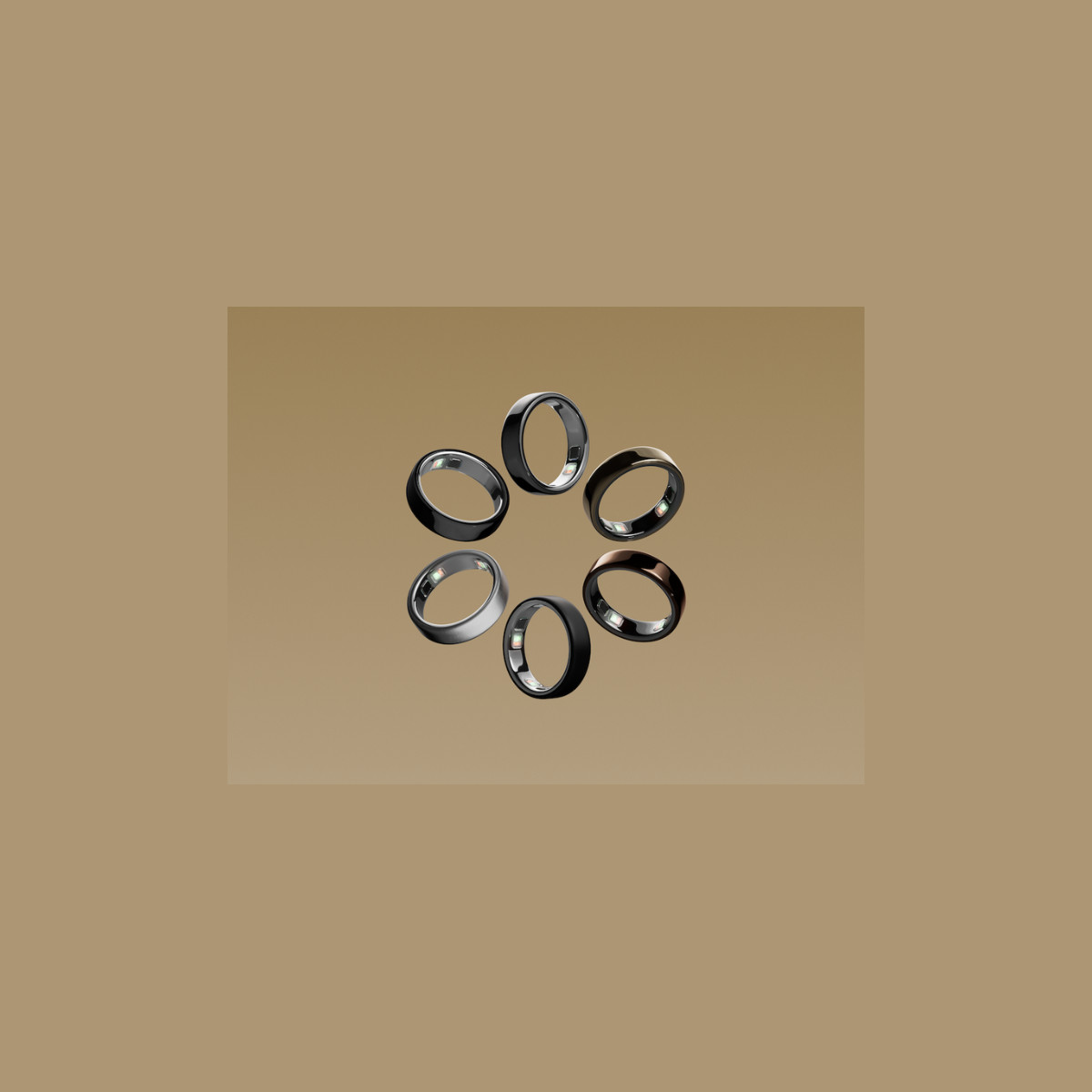
SAN FRANCISCO — Oura, the health-tech company behind the world's smallest smart ring, announced on Tuesday that it is postponing its previously announced initial public offering on the Nasdaq "despite strong demand, due to uncertainty in the IPO market." The company had planned to price the offering on Tuesday and begin trading on Wednesday. Instead, the deal — one of the most anticipated consumer-tech listings of the year — is dead on arrival.
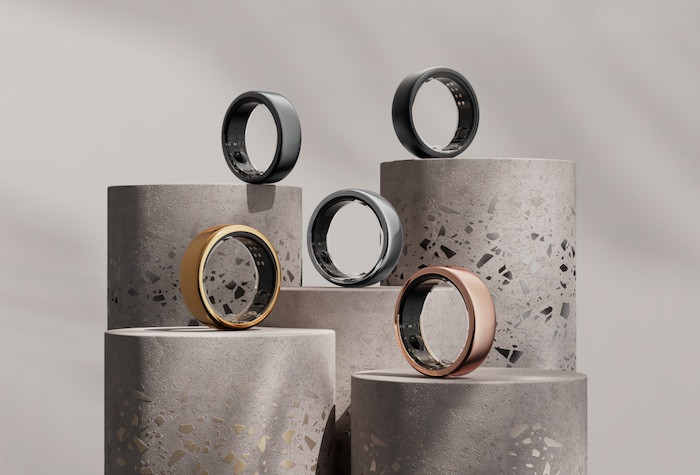
The San Francisco company said it is profitable and growing, and that the business has only strengthened since it began the IPO process. Consumer response to the Oura Ring 5 has been "exceptionally strong," bringing the number of paid members to 5.7 million, and revenue for fiscal 2026 is expected to grow 90 percent year over year, putting sales on track to reach $2 billion. A registration statement on Form S-1 had been filed with the Securities and Exchange Commission but had not yet been declared effective.
"Our mission is to empower people to live healthier, longer, and an IPO is just one step in our journey," Tom Hale, Oura's chief executive, said in the statement. "We aim to deliver an extraordinary IPO for our employees and investors and we have the luxury of choosing our moment. In the meantime, we will execute against the opportunities ahead."
Why this matters
Read that again: a profitable company, with 5.7 million paying subscribers, 90 percent revenue growth, and a deal that Bloomberg reported was about four times oversubscribed — and it still couldn't get out the door. That is what makes Tuesday's announcement the canary in the coal mine for the 2026 IPO market, not just a footnote about one smart-ring company.
IPO windows don't close gradually. They slam. The same deal that would have been celebrated as a triumph in July is unpriceable in late September, and the speed of the reversal is the story. When the window is open, bankers compete to price aggressively; when it shuts, even the strongest fundamentals can't pry it back open. Oura is the highest-profile casualty yet of a freeze that has already claimed Holtec Nuclear and Bamboo Insurance in recent days and pushed AI giant Anthropic to delay its blockbuster offering from October to November earlier this month.
There is also a discipline question embedded here that investors should sit with. If a company this healthy — profitable, growing, oversubscribed — gets shelved, it tells you the market's problem isn't with Oura at all. It's with everything around Oura: volatile oil prices, inflation that won't quit, and a geopolitical backdrop that has central bankers reaching for the rate lever again. On the very same Tuesday Oura pulled its listing, Australia's central bank raised its cash rate to a 15-year high of 4.60 percent, explicitly citing energy costs driven by the Middle East conflict. The IPO market and the rate market are reading the same storm.
The numbers, in context
$2.2 billion. The maximum Oura and its shareholders aimed to raise, marketing 50 million shares at $40 to $44 apiece, with no fewer than 18 investment banks on the cover of the red-herring prospectus. For a consumer hardware company, that is an enormous syndicate — and an enormous fee pool that just evaporated.
$13.5 billion. The implied valuation at the $42 midpoint of the range — over eight times the company's annualized sales for the nine months ended June, and 30 times the period's pretax cash flow, according to Barron's. At the top of the range, the valuation would have approached $15.6 billion on a fully diluted basis. For context, that sales multiple is only slightly less than Apple's. Apple. For a company that sells rings.
The GoPro parallel. Barron's made the comparison explicitly, and it's worth sitting with: a sales multiple comparable to the peak valuation of GoPro, the action-camera company whose shares debuted a decade ago and quickly crashed when its sports-photography niche proved limited. The question haunting Oura's pricing wasn't whether the ring is a good product — 5.7 million paying members suggests it is — but whether a single-product wearable company deserves a multiple reserved for the most durable franchises in tech history. Barron's argued the more plausible explanation for the postponement wasn't "market uncertainty" at all, but that the deal was priced too aggressively and carried too many selling insiders.
$127 billion. What companies have raised in IPOs so far in 2026 — up 400 percent from 2025, per the Wall Street Journal. The boom is real, which makes the freeze more striking, not less: this isn't a market that never opened. It's a market that was roaring until the macro turned, and the turn was violent.

How we got here
Oura's arc is, by the standards of consumer hardware, a genuine success story. The company rode the long boom in health tracking — the cultural shift that turned sleep scores and readiness metrics into daily rituals for millions — and converted it into something rare in wearables: a profitable business with a subscription engine. The ring itself, priced up to $499, is only half the model; the recurring membership revenue is what made bankers comfortable sketching a $13.5 billion valuation in the first place.
The company made its IPO paperwork public earlier this month, kicking off a marketing sprint aimed at retail investors that culminated in this week's planned pricing. Eighteen banks signed on. Demand, by all accounts, was real — Bloomberg reported the offering was about four times oversubscribed. Everything pointed to a debut that would price, pop, and validate the 2026 IPO boom's second act.
Then the market moved. The Journal reports that investors have been grappling with volatile oil prices caused by disruptions to flows through the Strait of Hormuz and the resulting inflationary pressures — the same pressures that had the 10-year Treasury yield touching a 19-year high of 5.24 percent on Monday and sent stock indexes lower to open the week. An oversubscribed book is a snapshot of demand at a moment in time; "market uncertainty" is what happens when the moment passes between the snapshot and the pricing.
The IPO window slams shut
Place Oura in the sequence and the pattern is unmistakable. Earlier this month, Anthropic pushed its blockbuster public offering — targeting a $2 trillion valuation and a raise of up to $100 billion — from October to November. In recent days, Holtec Nuclear and Bamboo Insurance delayed their planned offerings. Now Oura, the highest-profile consumer name in the queue, has pulled its deal hours before pricing.
This is how IPO freezes actually work, and it's worth understanding the mechanics rather than treating each delay as an isolated corporate decision. A public listing is a bet that the market will pay more tomorrow than private investors paid yesterday. When volatility spikes — oil whipsawing on Hormuz headlines, Treasury yields at generational highs, central banks hiking again — the underwriters' job gets impossible: price too high and the deal breaks on its first day of trading; price too low and the selling shareholders revolt. The rational move, when the pricing window narrows to a slit, is to step back and wait. Hale's "luxury of choosing our moment" is spin, but it's spin wrapped around a genuine strategic truth: a broken IPO is far more expensive than a delayed one. GoPro's ghost haunts every consumer-hardware banker on Wall Street.
The skeptics, it should be said, have a point about the price. Eight times sales for a hardware company with a single flagship product is a multiple that assumes the growth story never hits a wall — that the jump from 5.7 million members to tens of millions is a matter of execution rather than market size. Apple's multiple is earned by an installed base of billions and a services flywheel decades in the making. Oura's bankers were asking public investors to pay nearly that for a ring. When the market turned choppy, that was the first thing buyers re-examined.
Who wins, who loses — and what the critics say
The losers are easy to name. Oura's employees and early investors, who have waited years for liquidity, watch their payday recede into an indefinite future — "choosing our moment" is cold comfort when the moment was supposed to be Wednesday. The 18 banks on the prospectus cover lose one of the year's juicier fee pools. Retail investors, whom the offering was explicitly marketed toward, lose their shot at the debut entirely.
Oura itself is the ambiguous case. Pulling a deal is embarrassing, but pricing a deal that then collapses is worse — ask anyone who bought GoPro at the top. If the company's fundamentals are as strong as it claims, waiting preserves the long-term story at the cost of short-term optics. The critics' counter is that strength is precisely what makes the delay suspicious: truly strong deals get done even in choppy markets, and the combination of an aggressive multiple plus heavy insider selling is exactly the cocktail that makes buyers walk away when volatility gives them an excuse.
The honest read is that both things are true. The market genuinely deteriorated — the macro evidence is overwhelming, from Hormuz to the RBA to the Treasury market. And the deal was genuinely priced for perfection, which meant it had no margin for a deteriorating market. "Market uncertainty" killed the offering; the pricing is what left it with no immune system.
What happens next
Three things to watch. First, the macro: Oura needs the volatility to settle — oil prices stabilizing, the inflation scare fading, central banks signaling the hiking cycle is done. None of that is in Oura's control, which is the uncomfortable truth of Hale's "luxury of choosing our moment." You can only choose your moment if moments keep arriving.
Second, Anthropic. The AI giant's delayed offering — now expected after the November midterms, targeting a valuation that would top SpaceX's June debut records — is the real test of whether the window reopens. If Anthropic prices cleanly in November, the pipeline behind it (including Oura) gets a green light. If Anthropic struggles or delays again, the freeze hardens into something structural, and Oura's wait gets much longer.
Third, the price. When Oura does return, watch the range. If the 50-million-share, $40-to-$44 structure comes back intact, the company is signaling it believes the delay was purely macro. If the range comes down or the share count shrinks, you'll know the market taught the bankers a lesson about what a smart ring is actually worth. The multiple — not the mission statement — is where the truth of this postponement will eventually be written.
Sources
- Oura (via Business Wire): Oura Postpones Initial Public Offering
- The Wall Street Journal: Oura Postpones IPO Over Market Uncertainty
- Barron's: Oura Halts IPO Over 'Market Uncertainty.' Here's a More Plausible Explanation.
- Investopedia: 5 Things to Know Before the Stock Market Opens on Tuesday