tanker attacked Strait of Hormuz
War / Iran / Hormuz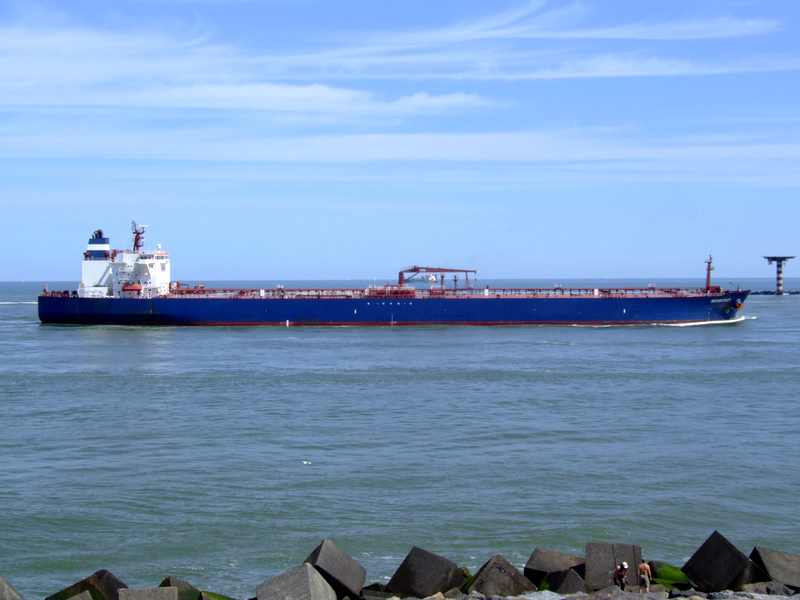
On Monday, an unknown projectile struck the engine room of the Panama-flagged tanker On Peace as it transited the Strait of Hormuz. By Tuesday, India was counting its wounded: 11 of the 12 injured crew members are Indian nationals, now receiving treatment in Khasab after an Omani-assisted evacuation. The first named, double-digit-casualty strike in October’s tanker-attack wave has made the world’s most dangerous energy chokepoint personal for New Delhi.
What is known is serious and specific. What is not known remains just as important. No government or armed group had credibly claimed responsibility for the strike by Tuesday, and no independently verified evidence identified who fired the projectile. In a war zone crowded with state forces, proxy networks, naval patrols and opaque commercial traffic, attribution cannot be filled in by instinct.
What happened: a timeline
The United Kingdom Maritime Trade Operations agency reported Monday’s incident without initially naming the vessel. According to the account later assembled by Reuters, an unknown projectile hit the tanker while it was in the Strait of Hormuz and started a fire in the engine room. Nineteen people were aboard.
India’s foreign ministry supplied the casualty picture on Tuesday: 12 crew members were injured, 11 of them Indian nationals. “With the assistance of Omani authorities, the injured crew have since been evacuated and are receiving medical treatment in Khasab, Oman,” the ministry said. That statement establishes the evacuation and treatment, but it did not assign responsibility for the attack or detail the sailors’ conditions.
The ship is managed by Anglo-Eastern Tanker Management Hong Kong and operated by ONEX DMCC. Reuters said neither company immediately responded to requests for comment. Kpler vessel data cited by Reuters placed the tanker at Fujairah, United Arab Emirates, on August 26, discharging fuel oil with its transponder switched off. That data point invites questions about tracking and sanctions enforcement; by itself, it does not prove the vessel belonged to a “shadow fleet” or explain why it was struck.
Why this matters
Earlier incidents in the October sequence were reported mainly as fires and property damage with crews safe. The On Peace changes the scale: it is the first named vessel in the wave tied to a double-digit injury count. That moves the story from interrupted cargoes and damaged steel to a hospital ward, with nearly two-thirds of the crew injured.
India is one of the world’s largest energy importers and one of the maritime industry’s most important suppliers of seafarers. It now has 11 citizens wounded in a chokepoint central to its fuel supply. New Delhi therefore faces two overlapping interests—protecting nationals working at sea and preserving the flow of energy on which its economy depends—without the benefit of verified attribution.
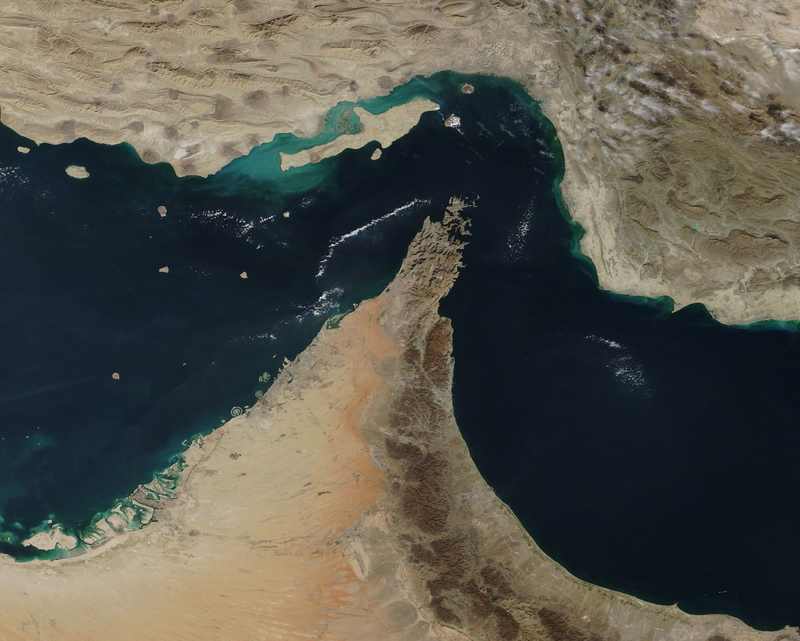
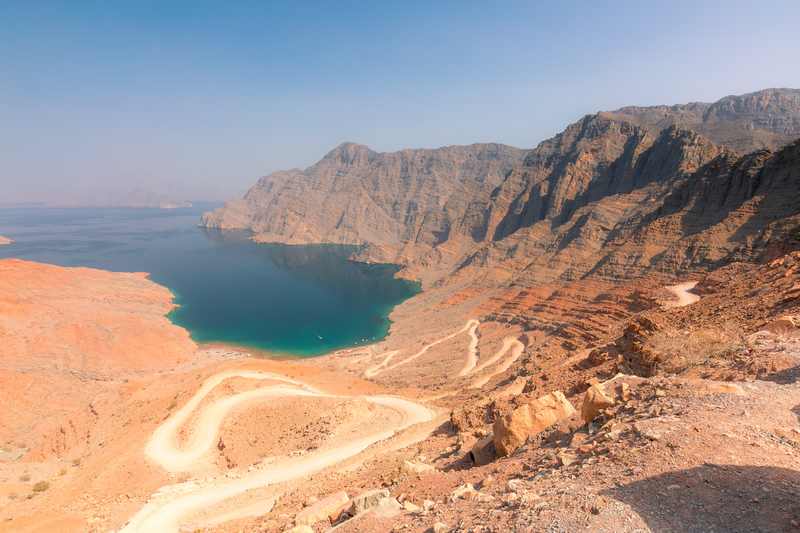
Oman’s role matters too. Khasab sits on the Musandam Peninsula beside the strait, making the sultanate a natural responder when ships are hit nearby. It is also a diplomatic channel trusted by governments that often refuse to speak directly. Evacuating the wounded is immediate humanitarian work; keeping communication open may become the harder strategic task.
How we got here
The month began with a rapid sequence. UKMTO reported that the Kuwaiti-flagged Kazimah 3 was hit by an unknown projectile on October 1 and caught fire. It recorded two separate incidents on October 2 and another on October 4. Monday’s strike on the On Peace followed. Our October 2 account of the Hormuz attack wave predates the On Peace incident and Tuesday’s casualty announcement, so it should be read as a snapshot of an earlier stage.
A separate roundup of the October incidents cited Iran’s Fars News Agency as claiming on October 3 that the Islamic Revolutionary Guard Corps had attacked at least seven tankers over five days, including two Kuwaiti and three Emirati vessels. That is an Iranian state-media claim, not an independently verified tally. It should not be used to attribute the On Peace strike or to merge distinct incidents into a confirmed campaign.
The wider confrontation began on February 28. Iran has sought tighter control over shipping through the strait, while the United States has run a counterblockade of Iranian ports. Before the war, roughly one-fifth of global oil and gas shipments passed through Hormuz. The route is narrow enough that tactical incidents can create strategic consequences: a single fire can alter insurance pricing, arrival schedules and the willingness of crews to sail.
Escalatory rhetoric was already part of the maritime picture. Our earlier report on IRGC warnings over tanker traffic described the pressure building around the waterway. Warnings, however, are not proof of responsibility for this attack. The party that fired on the On Peace remains unknown.
Who gains, who loses
The clearest losers are seafarers and their families. Commercial crews do not set war aims, negotiate blockades or write sanctions policy, yet they absorb the physical danger first. India’s maritime labor economy also carries the shock: every injured sailor is connected to a household, a contract and a wider network of workers deciding whether the next voyage is worth the risk.
Shipowners and insurers lose predictability. The Red Sea precedent showed how repeated Houthi attacks could translate into war-risk premiums, rerouting and higher freight costs even when most vessels still moved. Hormuz offers fewer practical alternatives. The ambiguity is itself a weapon: because no one has credibly claimed the On Peace strike, every operator must price the possibility that any ship could be selected for reasons it cannot see.
Energy importers lose next, especially ahead of winter. Higher shipping and insurance costs can move through refineries to retail fuel even without a lasting physical shortage. Our explainer on why the Iran war and Hormuz disruption lift gas prices traces that chain. Producers and alternative-route operators may gain pricing power, but those commercial benefits are secondary to a security environment in which the next casualty list could be worse.
What the numbers say
Nineteen crew; 12 injured. The casualty rate is about 63 percent. Eleven of those injured are Indian nationals. Those figures do not describe severity, but they do show that the engine-room strike affected most of the people aboard rather than producing only superficial damage.
Four earlier October incidents, then the On Peace. UKMTO’s reports for October 1, two on October 2 and one on October 4 established a quickening pattern before Monday’s strike. The precise total depends on whether overlapping reports and state-media claims describe the same events, which is why official incident notices should not be casually combined with unverified claims.
Roughly one-fifth of global oil and gas shipments before the war. That scale explains why a strike with no confirmed effect on aggregate supply can still matter to markets. Earlier incidents in the wave were reported without casualties; 12 injured marks an escalation in human cost even before investigators determine who fired.
What happens next
The first scenario is costly continuity. Insurers reprice Hormuz transits sharply, some operators delay or thin schedules, escorts and precautions increase, but oil and fuel continue to move. That would resemble other maritime-risk episodes: commerce adapts, and consumers pay part of the bill.
The second is diplomatic pressure led in part by India. New Delhi could seek clearer protections for Indian crews, press flag states and ship managers for information, and use its relationships across the Gulf to support an inquiry. Oman is positioned to mediate because it handled the evacuation and maintains channels across regional divides. Protection and diplomacy are not mutually exclusive.
The third is the dangerous branch: another strike causes deaths or disables a vessel in the shipping channel. That could trigger convoy changes, retaliation or a temporary traffic shock before attribution is settled. In a conflict where claims travel faster than evidence, decisions made in those first hours would carry the greatest risk of miscalculation.
For now, the strategic scenarios should not obscure the human story. Twelve sailors were injured and taken to Khasab. Their recovery, the condition of the ship and a credible investigation into the weapon and its origin are the next facts that matter. Until those facts arrive, neutrality is not indecision; it is the discipline of refusing to turn uncertainty into accusation.
Sources
- Reuters, October 6, 2026 — attack on the On Peace, casualty count, vessel management and Kpler tracking detail.
- United Kingdom Maritime Trade Operations, as reported by Reuters — initial notice of the unknown-projectile strike and engine-room fire.
- India’s Ministry of External Affairs statement, as reported by Reuters — 12 injured, 11 Indian nationals, and evacuation to Khasab with Omani assistance.
- Kpler vessel-tracking data, as reported by Reuters — last sighting at Fujairah on August 26 with the transponder switched off.
- EuropeSays — October incident roundup and attribution of the unverified Fars/IRGC claim.