Guidance up, margins down / Northrop's $109.6B backlog tells the real story
Track it live: Live stock market tracker
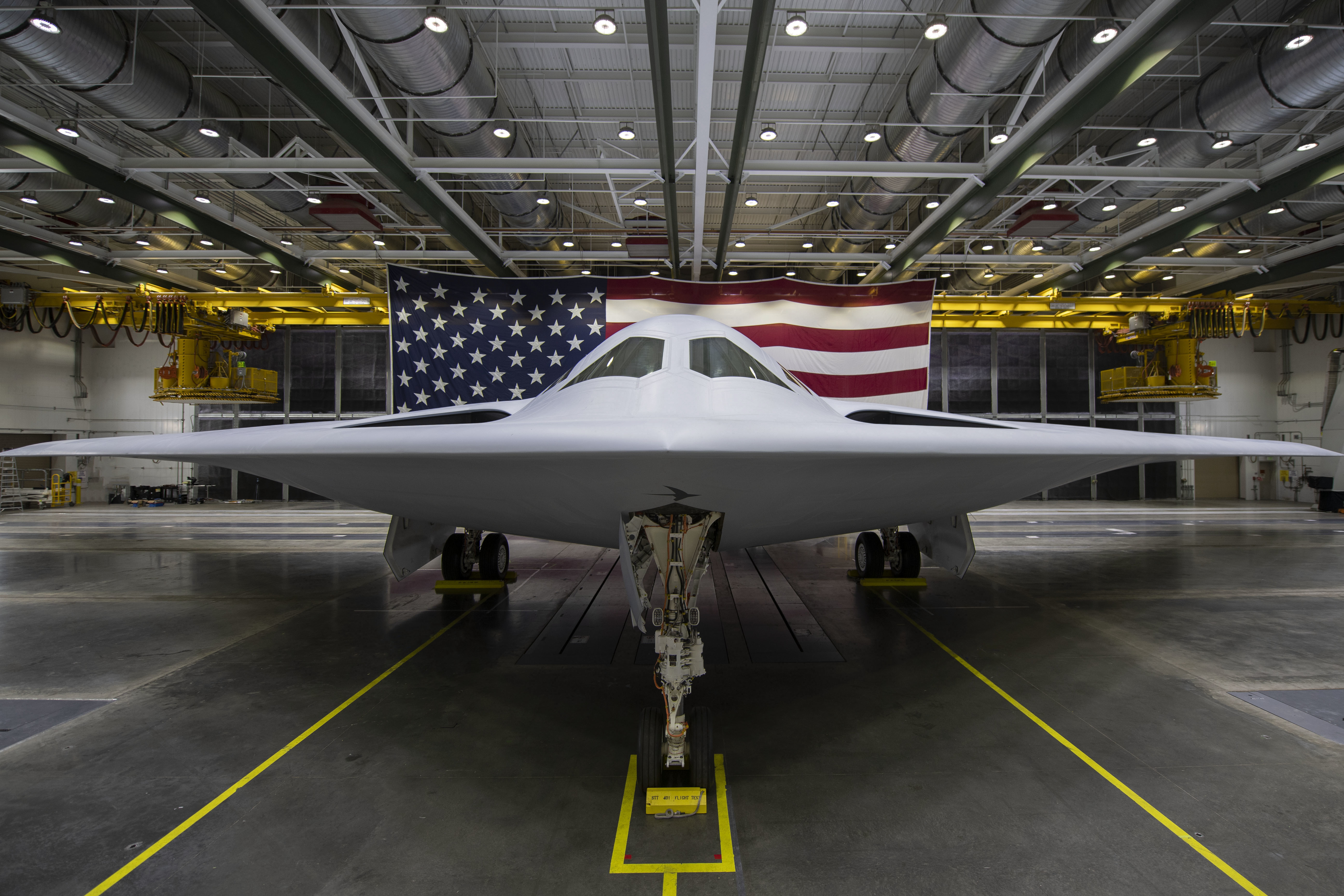
The headline numbers describe a company selling more of almost everything it makes. GAAP net earnings were $1.124 billion, up from $1.100 billion in the third quarter of 2025, and diluted earnings per share rose to $7.89 from $7.67. The forward indicators were stronger than the backward-looking ones: net awards — new orders booked in the quarter — reached $16.40 billion, roughly one and a half times the quarter's sales, and total backlog at September 30, 2026 stood at $109.60 billion. Management's confidence showed up in the outlook. Northrop raised its 2026 adjusted EPS guidance to a range of $29.35 to $29.75, from $28.60 to $29.10 previously, while holding its sales outlook unchanged at $43.75 billion to $44.25 billion. The results landed on a strong morning for markets generally — the session charted in our October 19 market report and its October 20 follow-through — with Northrop shares at $536.71 in early New York trading, giving the company a market value of about $76.2 billion.
Inside the quarter: Aeronautics up 14 percent, Defense Systems up 12 percent
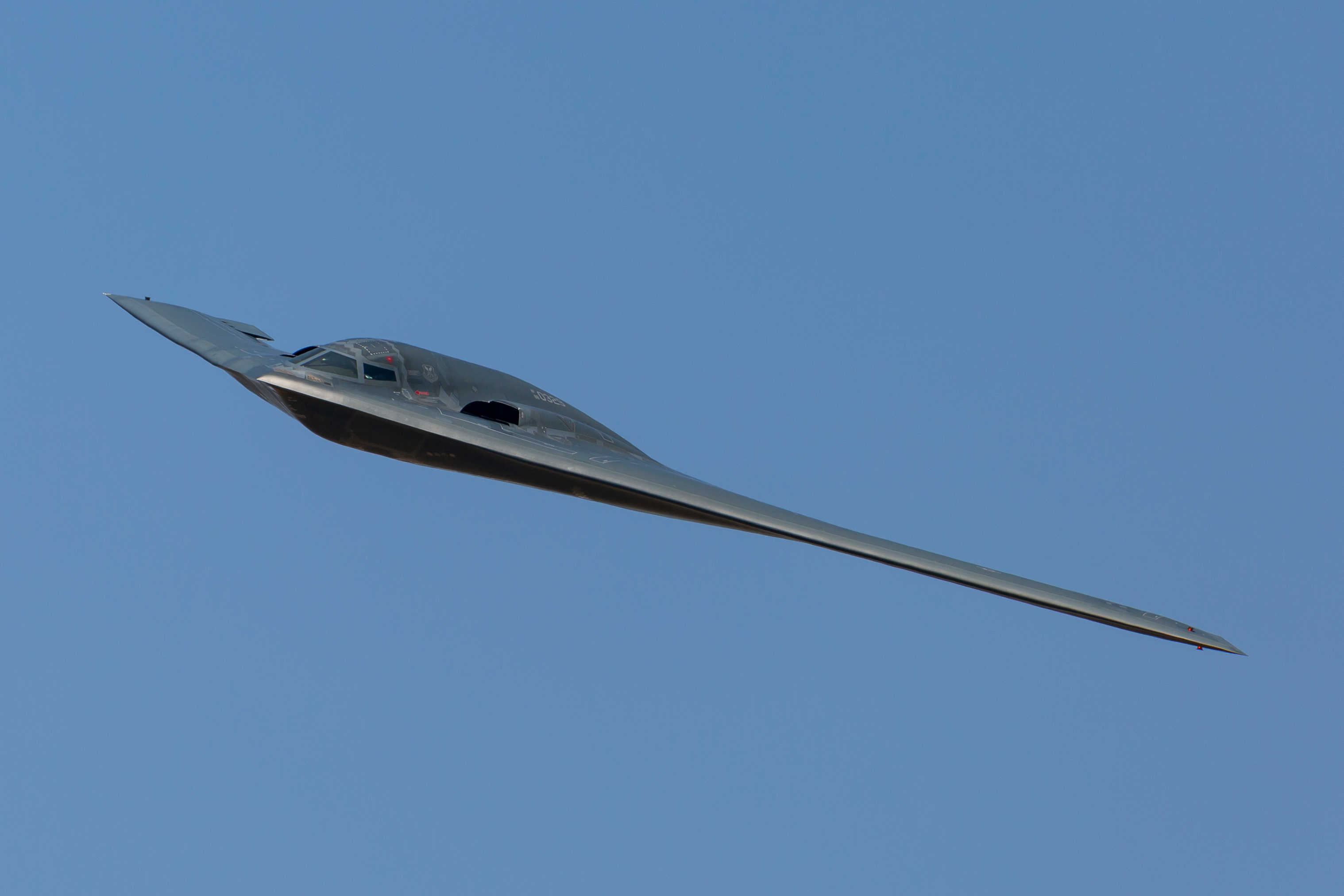
The growth was led by the two businesses most directly exposed to the current wars' shopping lists. Aeronautics Systems — the home of the B-21 Raider stealth bomber and the B-2 fleet — grew sales 14 percent to $3.575 billion, the fastest rate in the company and a sign that the Raider programme and its classified siblings are moving from development money into production money. Defense Systems, which builds missile defence, weapons and munitions-adjacent systems, rose 12 percent to $2.307 billion. Those two rates, against group growth of 7 percent, tell the demand story without any commentary: air power and missile defence are where the orders are, a pattern consistent with what the wars in Ukraine and the Middle East have done to allied procurement, as the strain on war economies we described in our reporting on Ukraine's budget crisis and war economy makes plain from the buyer's side. Every interceptor fired in anger over Kyiv or the Gulf is, eventually, a replenishment order on a factory floor in the United States.
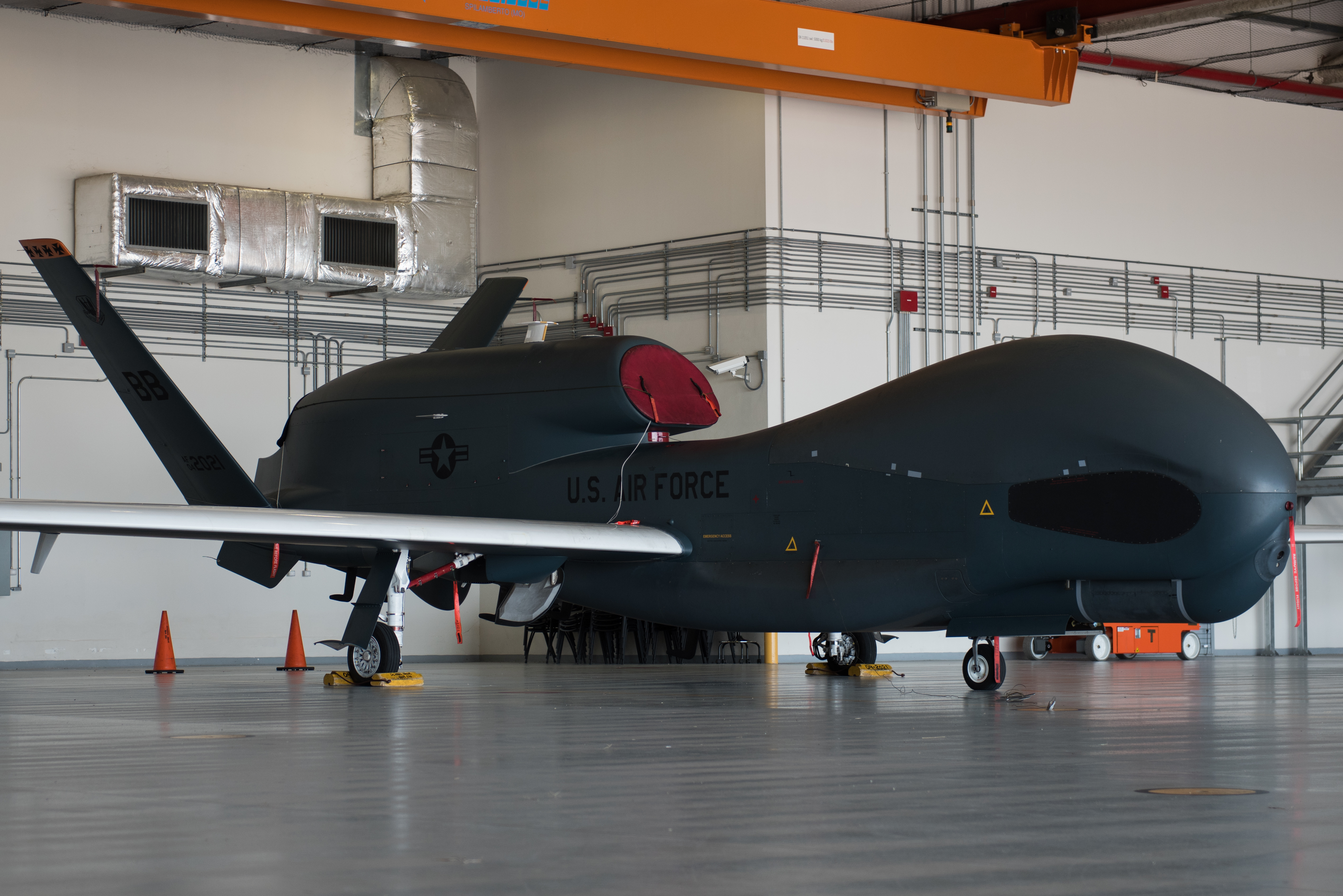
The tension: guidance up, margin down
The quarter's one clear negative sat in the margin line. Operating margin was 11.4 percent, down from 11.9 percent a year earlier — half a percentage point that, on $11.12 billion of sales, represents roughly $55 million of profit the growth did not produce. That is why the guidance raise needs reading carefully. Northrop lifted its profit outlook while holding its sales outlook flat, which means the company expects to earn more from roughly the same revenue: a mix shift toward higher-margin work, better programme execution, cost control, or some of each. Sceptics will note the direction of travel in the actual quarter was the opposite — margins fell while sales rose — and that raising a per-share target is easier with a shrinking share count than with expanding profitability. Supporters will answer, with some justification, that a 50-basis-point margin slip during a production ramp is normal industrial physics: new lines and new programmes run inefficiently before they run profitably, and the B-21's transition toward production is exactly that kind of ramp. Both readings can be true at once, which is precisely what makes the stock a debate rather than a consensus.
Backlog arithmetic: $109.6 billion is about two and a half years of sales
The single most important number in the release may be the least dramatic-looking. A backlog of $109.60 billion against a full-year sales outlook centred near $44 billion means Northrop has already sold roughly two and a half years of future revenue — work contracted, funded in large part by governments, and waiting to be built. Add the quarter's book-to-bill ratio — $16.40 billion of awards against $11.12 billion of sales, about 1.5 to 1 — and the backlog is not merely large but still growing faster than the company can work through it. For investors, that visibility is the core of the defence-stock proposition: unlike a carmaker or a phone company, Northrop's next two years of revenue are substantially written down in contracts. The valuation, on Tuesday morning's numbers, was not priced like a growth rocket: at $536.71 the shares traded on a trailing price-to-earnings ratio of 16.91, with a 52-week range of $470.06 to $774.00 that shows how violently the stock has already travelled this year. Peers traded richer that same morning — Lockheed Martin at $557.48, up 1.69 percent, on a P/E of 20.59 and a market value of $128.7 billion, and General Dynamics at $345.39, up 1.16 percent, on a P/E of 21.05 and $93.4 billion. Northrop, in other words, is the cheapest of the three big primes on trailing earnings, despite the raised guidance — either an opportunity, or the market's verdict on its margin line.
Why this matters
Northrop's quarter matters beyond one company's share price because defence earnings have become a real-time gauge of the world's security order — and of its cost. The demand drivers are not mysterious: two major wars, in Ukraine and the Middle East, are consuming interceptors, munitions and surveillance hours faster than peacetime planning assumed, and governments across NATO and the Pacific are responding with the largest sustained rearmament since the Cold War. Northrop sits at the high-technology end of that wave — stealth bombers, missile defence, space and surveillance — which is why its Aeronautics unit can grow at 14 percent while the wider economy argues about interest rates. The winners are identifiable: shareholders, who get raised guidance and a visible order book; the Pentagon and allied ministries, whose deterrence plans depend on exactly these production lines; and the industrial towns where the work lands. The losers and the critics deserve equal space. Margin slippage at 11.4 percent feeds a long-running argument that fixed-price development contracts transfer too much risk to contractors — or, from the taxpayer's side of the same argument, that earlier generations of contracts transferred too little. Peace campaigners and budget critics make a different case: that a $109.6 billion backlog is a measure of a world arming itself, and that every guidance raise in this sector is downstream of wars whose human costs no earnings release records. And valuation critics note the $774 top of Northrop's own 52-week range: this stock has already priced a great deal of good news once this year, and investors who bought there are still underwater at $536.71. The honest summary is that Northrop is executing well in a market it did not create, at margins slightly thinner than a year ago, with demand visibility most industries would envy.
What happens next
Three tests follow. First, delivery: with sales guidance held at $43.75 billion to $44.25 billion, the raised EPS range of $29.35 to $29.75 must be earned in the fourth quarter through execution and mix, not volume — the margin line will show whether the third quarter's 11.4 percent was a ramp cost or a trend. Second, the programme calendar: B-21 milestones and the pace of missile-defence awards will decide whether the book-to-bill ratio stays above one through 2027, and whether the $109.6 billion backlog converts into the low-double-digit Aeronautics growth investors now expect. Third, the political weather: U.S. defence budgets, supplementals tied to Ukraine and the Middle East, and export approvals to allies all sit outside management's control, and a ceasefire — welcome on every human ground — would be the one headline that genuinely tests how much of the sector's growth is war demand and how much is a durable rearmament cycle. Lockheed Martin's and General Dynamics' own reports this season, at richer valuations, will complete the comparison.
Sources: ad-hoc-news / Northrop Grumman Q3 2026 report, Oct. 20, 2026 (sales, net earnings, EPS, awards, backlog, segment sales, operating margin, raised 2026 guidance; NYSE price, market capitalisation, P/E and peer data for Lockheed Martin and General Dynamics) — full URL: https://www.ad-hoc-news.de/boerse/corporate-news/northrop-grumman-stock-raises-2026-earnings-guidance-for-northrop-grumman/70374270 . Related on Signal Post News: Stock market, October 19: Nasdaq rebounds, Dow slips · Ukraine's budget crisis and war economy.