Northern Star takeover rejected
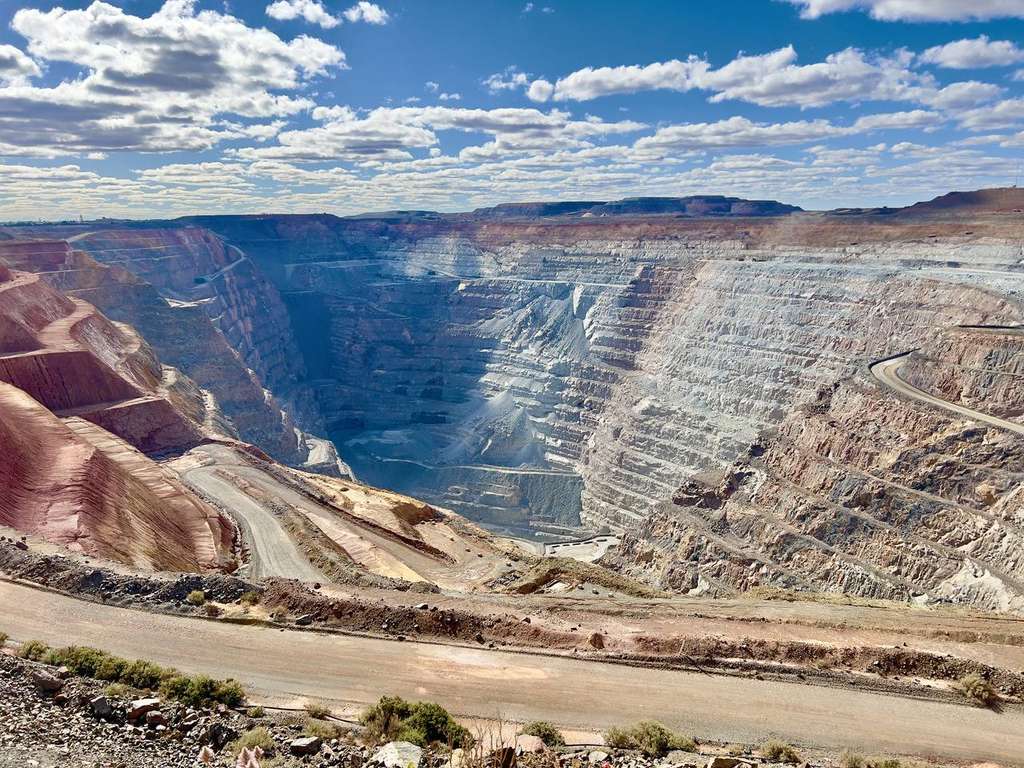
PERTH, Australia — Australia's biggest gold miner has slammed the door on one of the largest takeover bids in the country's corporate history. Northern Star Resources (ASX: NST) said on Monday that it had rejected an unsolicited, non-binding proposal from South Africa's Gold Fields (JSE: GFI) that valued the Perth-based company at up to A$38.7 billion — roughly US$27.1 billion.
The approach, revealed after the market had spent weeks trading on takeover chatter, is the clearest sign yet that the gold industry's consolidation wave has reached the top tier. A successful bid would have ranked among the largest-ever takeovers of an Australian company and created a transcontinental gold giant. Instead, Northern Star's board drew a line: the price, it said, was nowhere near enough, and the timing was no accident.
What was on the table
Under the proposal, first delivered to Northern Star on September 14 and kept confidential until now, Gold Fields would have acquired 100% of Northern Star's shares through a scheme of arrangement. Shareholders were offered 0.3125 new Gold Fields shares — issued as CHESS Depositary Interests — plus A$7.25 in cash for each Northern Star share they held.
The implied price moved with Gold Fields' own stock. Based on Gold Fields' September 11 closing price, the bid was worth A$27.00 per Northern Star share, or A$38.7 billion in equity value — a 22% premium to Northern Star's price that day. But Gold Fields' shares have since slipped, and by Friday's close the same formula implied only A$25.19 a share, or about A$36.1 billion. Even at its richest, the premium had shrunk to around 14% over Northern Star's last closing price — and that shrinking premium is part of the story.
Northern Star told Gold Fields on Friday that its board would not engage further on the proposal as structured. The rejection went public on Monday morning, Sydney time, and Northern Star shares immediately jumped 10.6% to A$24.46 — their highest level since August 28. Notably, the stock still trades below the bid's implied value, a tell that the market is pricing in both the board's refusal and the possibility that someone — Gold Fields or a rival — comes back with more.
Why the board said no
Chairman Michael Chaney did not mince words. "Gold Fields has sought to acquire one of the world's premier gold portfolios at a price that falls well short of what the Board considers to be its fundamental value and at a highly opportunistic time," he said in a statement. The board's case rests on four pillars, each of which says something about how Australian boards now defend against opportunistic bids.
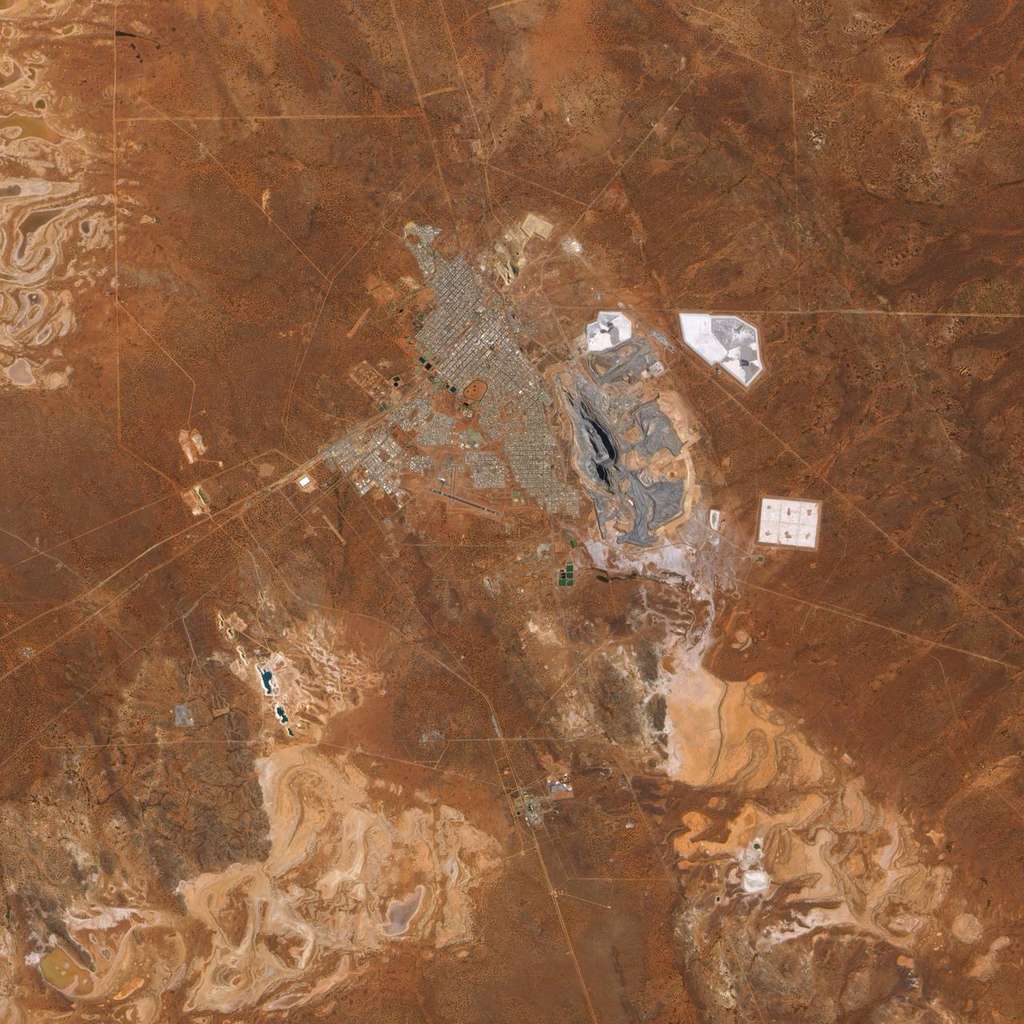
First, timing. Northern Star argues the bid was pitched into a window of maximum weakness. Gold prices rallied to record highs at the start of 2026 and have since fizzled; Northern Star's own shares had been dented by a string of production-guidance downgrades. A bid priced off that trough, the board contends, captures none of the recovery it believes is coming. The company pointed to two near-term value catalysts the offer ignores: the commissioning of its Fimiston mill at Kalgoorlie and the arrival of a new chief executive — milestones that would re-rate the assets in any fair valuation.
Second, the currency. Roughly three-quarters of the consideration was Gold Fields scrip, and Northern Star shareholders wanted no part of it. Accepting would have swapped exposure to two Western Australian production hubs for a large holding in a Johannesburg-listed miner carrying risks Northern Star investors never signed up for: weaker productivity at Gold Fields' flagship South Deep mine in South Africa, and unresolved uncertainty over the future of its Tarkwa mining licence in Ghana. As the board framed it, the scrip asked Australians to buy into African operating risk at a discount.
Third, the straitjacket. The proposal came with conditions Northern Star described as deal-hostile: a lengthy exclusivity period that would have locked out competing bidders, plus a stack of regulatory approvals that could delay or sink completion. A board that believes a better price exists does not sign away the auction.
Fourth, the arithmetic of Australian M&A. Takeovers here typically need a premium of at least 30% to get across the line. Gold Fields offered 22% at its peak and 14% by Friday — a bid structured, in the board's telling, to look generous in a press release while landing well short of the number that actually closes deals.
The Elliott factor
Looming over the rejection is the activist that has been circling Northern Star all year. Elliott Investment Management — Paul Singer's $70-billion-plus hedge fund — built a stake in the miner and in June publicly urged it to conduct a strategic review that could end in a sale to a rival such as Gold Fields. Elliott, which disclosed last month that it holds about 5.6% of the company, has been pressing Northern Star to act after repeated guidance downgrades left it unable to fully capitalize on gold's strength.
There is a delicious irony in the board now using the language of value-maximization to reject a bidder Elliott itself had floated. The rejection is, in one sense, exactly what an activist wants a board to do: refuse a lowball offer, protect the auction, and force the price up. Northern Star even reshaped its leadership under Elliott's gaze, appointing a new chief executive in July. But Elliott's endgame was a sale process — an open contest for the company — and what the board delivered instead was a door slammed shut with no competing bids invited. The next move belongs to the activist: having agitated for a sale, it must now decide whether this board is maximizing value or entrenching itself.
The market's verdict
Monday's 10.6% pop is the market rendering its own judgment, and it cuts both ways. On the one hand, investors clearly believe Northern Star is worth more than A$25.19 a share — otherwise the rejection would have been punished, not cheered. On the other hand, the stock's failure to reach even the bid's implied value suggests traders doubt Gold Fields will simply walk away, and doubt it will pay up without a fight.
That pricing is the market's way of saying the story is in the second inning. A bidder that has done this much work — confidential approach, detailed terms, public disclosure — rarely evaporates after one "no." And with Elliott still on the register agitating for a sale, Northern Star's board has bought itself time, not peace.
Why this matters: the gold industry's reserve problem
Step back and the bid is a symptom of a structural hunger. The world's big gold miners are running out of cheap ounces. Replacing reserves through the drill bit has grown slower and more expensive, while permitting timelines stretch into decades. For a major like Gold Fields, the fastest way to grow is to buy someone else's mines — and Northern Star's Western Australian portfolio, anchored by the Super Pit and the Yandal hub, is among the most coveted in the business.
That logic explains Gold Fields' shopping spree. Last year it paid about A$3.7 billion for Gold Road Resources to take full ownership of the Gruyère mine in Western Australia; before that, it spent C$2.16 billion on Canada's Osisko Mining to secure one of the country's largest undeveloped gold deposits at Windfall. Each deal pushed the company further from its troubled South African base and deeper into tier-one mining jurisdictions. Northern Star would have been the crown jewel of that pivot — four existing Gold Fields mines already operate in Western Australia's Goldfields region, so the industrial logic of combining neighboring operations is hard to dispute.
It also explains why the gold sector keeps producing these mega-bids. When gold ran to record highs early this year, every producer's currency inflated and every target's price tag with it; when the rally fizzled, bidders saw a window to buy quality assets off their highs. Gold Fields' bid is a bet that the window is open. Northern Star's rejection is a bet that it is not — or at least, that this price doesn't compensate for it.
The numbers behind the deal
Put A$38.7 billion in context and the scale snaps into focus. It would have been one of the largest takeovers of an Australian company ever attempted — a deal in the same conversation as the country's biggest corporate transactions, executed in a sector where Australian assets rarely change hands at this size. For comparison, Gold Fields' own two most recent acquisitions combined cost roughly a quarter of what it just offered for Northern Star.
The premium math is where the bid truly falls down. At 22% — and 14% by the time the board formally responded — the offer sits well below the 30%-plus norm for Australian control transactions. Boards and their advisers know that shareholders asked to surrender control demand to be paid for it; anything much under 30% reads as an opening gambit rather than a knockout. Gold Fields' offer, whatever its headline billions, was priced like an opening gambit.
Then there is the currency problem. A bid that is 73% scrip is a bid whose value floats with the bidder's own fortunes — and Gold Fields' shares fell between the offer date and the rejection, visibly eroding the headline price in real time. Shareholders were being asked to accept a shrinking number denominated partly in a stock carrying South African and Ghanaian risk. Small wonder the board called the timing opportunistic: the structure let Gold Fields bid with a currency it knew was softening.
Two readings of the rejection
Read one way, this is textbook good governance: a board refusing to sell a premier asset at a cyclical low, protecting shareholders from a lowball bid dressed in scrip, and keeping the auction open. The "highly opportunistic" charge has real teeth — the bid arrived after guidance downgrades and a fizzled gold rally, excluded near-term catalysts, and tried to lock out rival bidders with exclusivity. If a better offer emerges, the board's hard line will look like the move that created it.
Read the other way, there is a risk the board is mistaking a fair price for a cheap one. Twenty-two percent is not nothing; the gold rally did fizzle; and the guidance downgrades that depressed the shares were operational failures, not market noise. A board that has repeatedly lowered its own targets now insists the market is mispricing the company — a claim investors should always examine closely, because it is also what entrenched boards say. Elliott's presence sharpens the question: the activist wanted a genuine sale process, and a flat rejection without one could yet be tested by the shareholders Elliott speaks for.
Both readings can be true at once. The bid was both a serious, multi-billion-dollar validation of Northern Star's assets and a price its owners were right to refuse. That tension — real value recognized, fair value disputed — is precisely what makes the next chapter worth watching.
What happens next
The near-certain trajectory is that Gold Fields comes back. Bidders that go public with detailed terms rarely fold after a single rejection; the more likely path is a sweetened offer that tests the board's true reserve price. If Australian takeover norms are any guide, the number that gets a board to the table starts with a 3 — a premium of 30% or more, implying something north of A$30 a share on current prices.
The wilder card is a rival. Northern Star's assets would fit any of the global gold majors, and the publicity of a A$38.7 billion benchmark gives every potential interloper a starting price and a due-diligence shortcut. Exclusivity was the one condition the board would never grant, and its refusal keeps the door open for exactly the auction Elliott wanted.
Watch three things. First, Elliott's next filing or letter — the activist's patience with a board that rejects bids without running a process is the fuse on this story. Second, Gold Fields' share price, which mechanically sets the value of any scrip-heavy return bid. And third, the gold price itself: if bullion re-accelerates, Northern Star's "opportunistic timing" argument strengthens by the day, and the price of the company only goes up. The bid failed. The auction may just be starting.
Sources
- Reuters: Australia's Northern Star rejects $27 billion takeover approach from Gold Fields — Northern Star rejects unsolicited A$38.7 billion ($27.1B) proposal; terms of 0.3125 Gold Fields shares plus A$7.25 cash per share; implied A$27.00 at Sept 11 prices, A$25.19 at Sept 25 close; 14% premium vs 30%+ Australian norm; shares up 10.6% to A$24.46; Elliott's June strategic-review push and ~5.6% stake; July CEO appointment.
- Dow Jones Newswires via Morningstar: Northern Star Rejects $27 Billion Takeover Proposal From Gold Fields — proposal received Sept 14; board told Gold Fields on Friday it would not engage further; Chairman Michael Chaney's "highly opportunistic" statement; 22% premium at Sept 11 valuation; Elliott pressure after guidance downgrades.
- The Motley Fool Australia: Northern Star Resources rejects $38.7bn Gold Fields takeover offer — non-binding indicative confidential proposal via scheme; 73% scrip component and South African risk; Fimiston Mill commissioning and incoming CEO as value catalysts; lengthy exclusivity and regulatory conditions.
- Australian Mining: Northern Star rejects Gold Fields' $38.7 billion offer — Gold Fields' four existing WA mines; Gold Road Resources A$3.7B and Osisko Mining C$2.16B acquisitions; South Deep productivity weakness and Ghana Tarkwa licence uncertainty; Northern Star's operational challenges and lowered guidance.