England’s most senior hospital doctors will strike for two days next month. The British Medical Association announced on Monday that consultants across England will walk out from 06:59 on Tuesday, November 25, with only emergency cover provided, in a dispute over pay, pensions, workload and burnout that the union says the government has ignored for a year and a half. It will be the first consultants’ strike in England since the walkouts of July to October 2023 — and the BMA says it can still be called off, but only if Health Secretary Yvette Cooper commits to formal negotiations. The NHS consultants strike in November lands in the middle of the health service’s hardest season, with waiting-list progress already stalling.
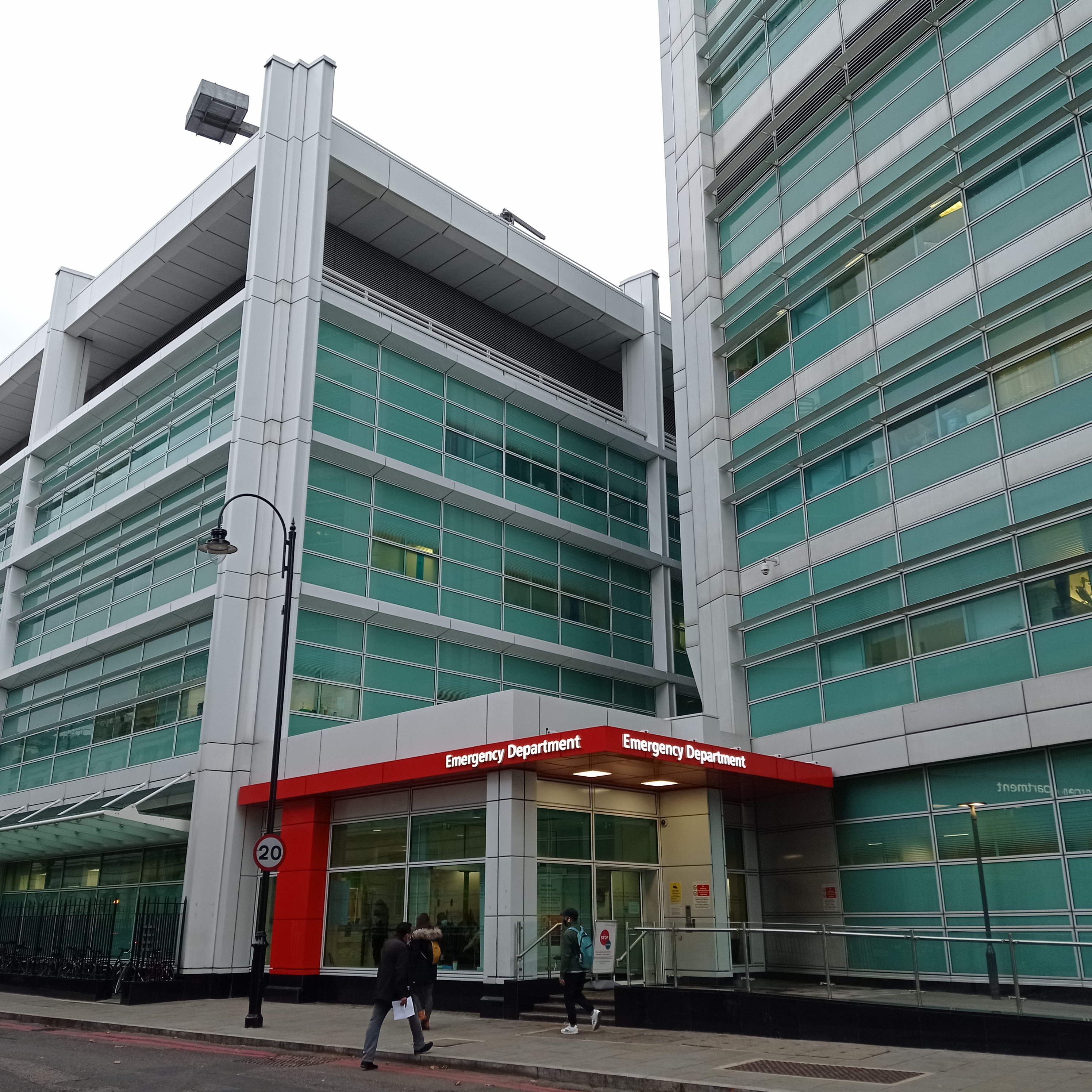
The announcement, made on Monday morning, sets a four-week clock running. The BMA said the government has four weeks to avoid the action taking place, and that the strike can be avoided if the Health Secretary commits to formal negotiations on pay and working conditions. If those talks do not come, thousands of consultants — the doctors who run hospital services, supervise and train the next generation, and make the final clinical decisions on the sickest patients — will withdraw all but emergency care for two days, with hospitals operating staffing arrangements similar to Christmas Day.
What has been announced
The facts, as confirmed across the BMA’s announcement and reporting by the Guardian, The Times, Sky News, BBC News and PA copy carried nationally, are these. Consultants in England will take two days of strike action beginning at 06:59 on November 25 — Tuesday, November 25 and Wednesday, November 26. Only emergency cover will be provided. The mandate behind the action comes from a BMA ballot in which 76 per cent of consultants who took part voted in favour of strike action; the union’s ballot release put turnout at 51.5 per cent, with 18,069 of 35,067 eligible consultants voting, giving a mandate that runs for 12 months. Consultants were given a 3.5 per cent pay increase this year. The BMA says their pay is still a quarter lower in real terms than it was 17 years ago, having fallen more steeply than pay across the rest of the economy, and it has criticised a proposed 2.4 per cent rise for 2027-28 as another real-terms cut. The government responded the same day: Health Secretary Yvette Cooper called the announcement “very disappointing,” said the Department of Health and Social Care and NHS England had been in constructive discussions with the BMA, and called taking industrial action as the NHS prepares for winter “irresponsible”; health officials argue that the BMA’s proposal for a five-hour cut to the working week — a 35-hour week — would increase waiting times and cost taxpayers more than £2 billion.
The BMA’s case, in its own framing
Dr Helen Neary and Dr Shanu Datta, co-chairs of the BMA’s consultants committee, argued that consultants are the most senior and skilled doctors in the NHS — central not only to frontline, life-saving care but to running and designing services and training the future workforce — and that solving the pressures on the health service is impossible without valuing and retaining them. They said the government is failing to recognise that, ignoring concerns about wellbeing and workload, and pushing senior doctors further away from the NHS at the very moment progress on waiting lists in England stalls. After more than 18 months in dispute, they said, the union had engaged in good faith and proposed practical solutions while ministers repeatedly delayed — and that road has now run out. Striking, they stressed, does not come naturally to consultants, but the message from the profession is that its members have had enough: pay a quarter down in real terms, too little time protected for the work that improves care, and burnout driven by excessive workloads.
Why this matters
A consultants’ strike is not a larger version of a junior doctors’ strike; it is a different kind of shutdown. Resident doctors deliver much of the NHS’s hands-on care, but consultants are the layer that authorises, supervises and signs off almost everything a hospital does — the operating lists they lead, the clinics they run, the ward rounds that decide who is treated, who is discharged and who goes to theatre. Remove that layer for two days, even with emergency cover protected, and the system does not slow down at the edges: planned surgery, outpatient appointments and diagnostic work stop being approved at the top, and the backlog grows from the decision-making end. That is why the 2023 consultants’ action, though shorter than the resident doctors’ walkouts, forced hospitals into Christmas Day-style running almost immediately.
The timing compounds it. Late November is when winter pressure begins in earnest — respiratory illness rising, beds filling, and no slack in the rota to absorb cancelled elective work. A two-day stoppage then does not cost two days of output; the appointments displaced land in December and January lists that are already the fullest of the year, and every postponed operation has to be re-booked into a diary with no empty pages. The BMA knows this, and the leverage is the point: a strike that merely inconvenienced the service in May would not move a health secretary. One that threatens the winter is designed to.
How we got here
Consultants in England last walked out between July and October 2023, in the wave of NHS industrial action that also brought repeated resident-doctor strikes and the first joint action in the service’s history. That dispute formally continued: the BMA says consultants have been in dispute with the government since last year — more than 18 months on its own account — even after resident doctors settled their separate row. The July ballot that produced this mandate was itself a warning shot. More than three-quarters of voting consultants backed action, and a BMA-commissioned survey published alongside it found more than eight in ten members of the public worried about the future of the NHS if senior doctors leave. The union’s core demands have been consistent throughout: an end to the real-terms erosion of consultant pay, contractual reforms that protect time for service improvement and training rather than pure target-chasing, and action on the burnout and workload pressures it says are driving experienced doctors out of the NHS altogether — to earlier retirement, to private practice, or abroad.
The numbers, in context
Three figures decide whether this dispute settles. The first is 3.5 per cent — this year’s consultant increase, which the government side has historically presented as a fair award for some of the best-paid staff in the public sector. The second is the quarter: the BMA’s calculation that, after inflation, consultant pay buys roughly 25 per cent less than it did 17 years ago. Both can be true at once, and that is precisely the deadlock — an annual rise can be above the headline the Treasury wanted to give while still leaving the long-run gap the union measures itself against essentially untouched. The third figure is 2.4 per cent, the proposed 2027-28 rise the BMA calls another real-terms cut. If the union is right about the inflation path, the gap it campaigns on widens again next year even with no strike at all — which is why its demand is not a number for one year but formal negotiations on the whole trajectory, and why a one-off sweetener is unlikely to close this.
Who gains, who loses — and what critics say
Patients booked for planned care on November 25 and 26 lose first and most visibly: their operations and appointments are the ones that will be postponed, and the standard NHS advice in every recent strike has applied — attend as planned unless contacted, because hospitals work through cancellations case by case. The government loses politically if the winter wobbles, because it owns the waiting-list pledge the BMA is now explicitly tying to the dispute. The BMA’s risk is the mirror image: consultants are among the highest-paid people in the public sector, and ministers have argued in previous rounds of this dispute that there is no justification for senior doctors striking. Cooper made the government’s version of that case within hours of Monday’s announcement — “very disappointing,” and “irresponsible” heading into winter — and the union knows public sympathy — currently running strongly in its favour on the separate question of losing senior doctors — can turn if winter disruption bites hard. Hospital managers, caught between the two, gain nothing at all: they must plan Christmas Day-level cover for two late-November days while re-booking everything those days displace.
What happens next
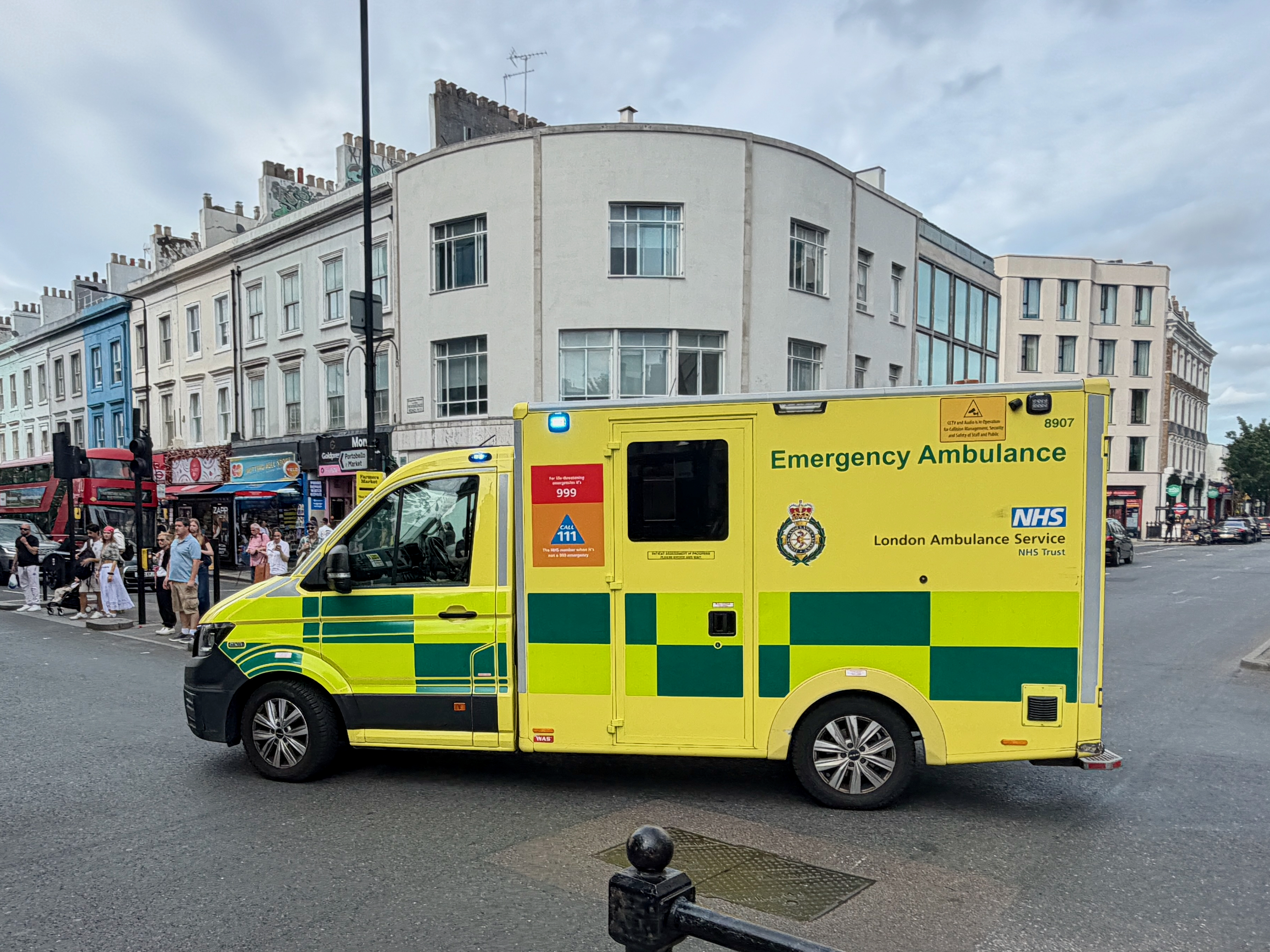
The next four weeks are a negotiation window with a deadline attached. The BMA has set its condition plainly: a commitment from Yvette Cooper to formal negotiations on pay and working conditions, and the strikes do not happen. If talks open and are judged credible, expect the November dates to be suspended rather than cancelled outright — the 12-month mandate means the union can name new dates without re-balloting, and it will keep that leverage until a deal is actually voted on. If the window closes without talks, hospitals in England will confirm their emergency-cover plans in the days before November 25, patients with affected appointments will be contacted, and the argument will shift from pay to winter performance — with the waiting-list figures, not the picket lines, as the scoreboard. Either way, Monday’s announcement has already changed the politics of the NHS winter: the service’s most senior doctors have given the government a date, a price for avoiding it, and four weeks to decide.
Sources
The Guardian, “NHS consultants to go on two-day strike in England in November, says BMA,” October 26, 2026 — theguardian.com (the 06:59 November 25 start, two days’ duration, emergency cover only, more than three-quarters ballot backing, 3.5 per cent this year, pay a quarter down in real terms over 17 years, the Neary/Datta statements, the four-week window and the condition that the strike can be avoided if the Health Secretary commits to formal negotiations; no government response reported). The Sun, carrying PA reporting, “Thousands of senior NHS doctors to strike next month amid row over pay,” October 26, 2026 — thesun.co.uk (November 25 and 26 named as the two days, Christmas Day-style staffing, the 76 per cent ballot figure, the 2.4 per cent 2027-28 criticism, last walkout July-October 2023; the updated PA copy also carries Health Secretary Yvette Cooper’s response — “very disappointing,” constructive discussions between the Department of Health and Social Care, NHS England and the BMA, striking into winter “irresponsible” — and health officials’ argument that the BMA’s 35-hour-week proposal would cost taxpayers over £2 billion). PA reporting carried by the Gazette & Herald, “Senior doctors in England plan November strike,” October 26, 2026 — gazetteherald.co.uk (Cooper’s response in full). The Times, “Senior doctors to strike next month over pay and pensions,” October 26, 2026 (breaking-story confirmation of the November 25 start and emergency cover). British Medical Association, consultants’ ballot release, July 2026 — bma.org.uk (18,069 of 35,067 eligible consultants voting, turnout 51.5 per cent, 12-month mandate, and the public-concern survey). Sky News, BBC News and GB News breaking alerts, October 26, 2026 (independent confirmation of the announcement within the same Monday-morning window).