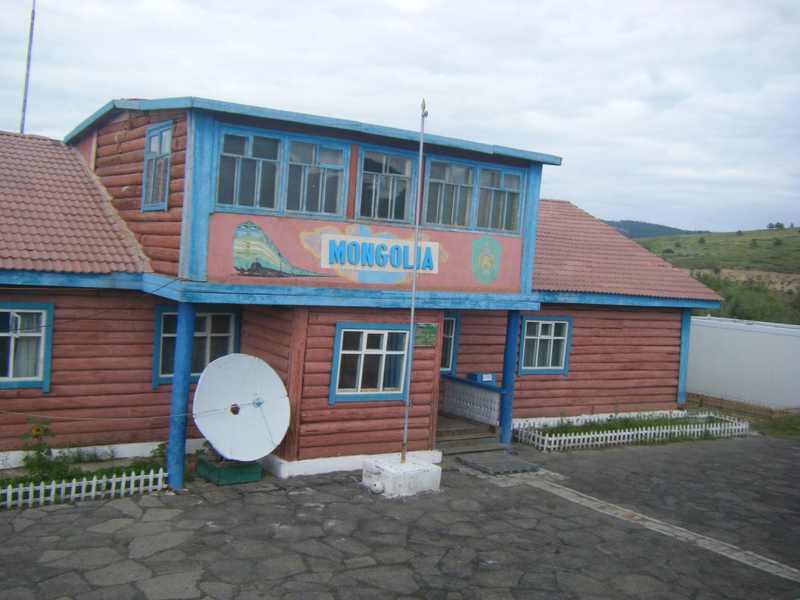
Mongolia Russia border plague screening is now in effect — but it is not the emergency some social media posts suggest. Mongolia's Ministry of Interior announced on Wednesday, October 7, that it was activating "health monitoring measures" at border crossings with Russia over the possible pneumonic plague case in Irkutsk, the Siberian city where a 28-year-old anti-plague laboratory worker died earlier this month. The ministry was explicit on two points that matter: "despite the fact that the risk is currently low," agencies must take precautionary steps — and border crossings continue to operate normally.
The announcement, reported by Demócrata citing Mongolia's Live TV, makes Mongolia the first neighbor to formalize a border response to the Irkutsk case — a story that has escalated from a local medical mystery into an international pressure campaign, with the World Health Organization publicly pressing Moscow for answers, the U.S. Centers for Disease Control and Prevention saying it is "closely monitoring" the situation, and Beijing noting "close exchanges" with Russia on the matter.
What Ulaanbaatar actually announced — and what it didn't
Precision matters here, because a parallel version of this story is circulating online. A viral X post, translated from Chinese, claims Mongolia's health minister "announced at a press conference that a pneumonic plague outbreak has occurred in Russia's Irkutsk Oblast." That overstates the verified record. What Mongolia's interior ministry actually announced was precautionary health monitoring at the border — not a confirmed outbreak, not a border closure, not an emergency declaration. The ministry's own framing — risk "currently low," crossings operating normally — is the official position, and it is notably calmer than the social media version.
This distinction is not pedantry. In outbreak communication, the gap between "monitoring" and "outbreak confirmed" is the gap between routine public-health prudence and panic. Mongolia, a nation of just over 3 million people sharing a roughly 3,500-kilometer border with Russia, has every reason to be vigilant — and every reason to avoid triggering the economic and social costs of an alarm it cannot substantiate.
The Irkutsk case: what is verified
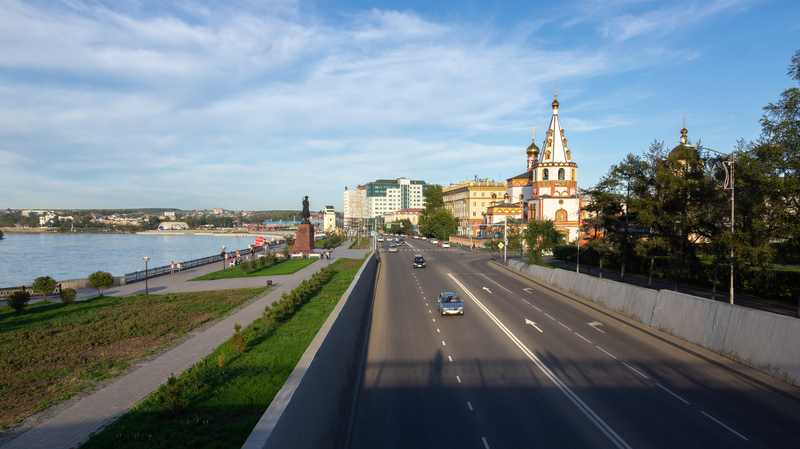
The facts at the center of the scare, as verified by multiple outlets: Darya Shipilova, a 28-year-old laboratory worker at the Irkutsk Anti-Plague Institute, died in early October of what Russia's consumer-safety watchdog Rospotrebnadzor described as "pneumonia of unknown etiology." Russian authorities placed 189 of her contacts under medical observation, while the WHO cites around 200 people quarantined. The head of neighboring Buryatia initially said "plague," then walked the statement back to "possibly." Independent Russian outlets have alleged a broken test tube containing pneumonic plague bacteria; Moscow denies this, saying roughly 5,000 tests have found no plague. (USA Today, October 5.)
What remains unverified is the decisive question: was it plague? Russia says no. The WHO says it still lacks a complete picture and cannot conduct a full risk assessment — which is itself a significant statement.
WHO turns up the pressure
On Wednesday, WHO Director-General Tedros Adhanom Ghebreyesus used a press conference to press Russia for a formal response on Shipilova's death, the Sweden Herald reported. Moscow's reply: no recent plague cases have been reported in the Irkutsk region, and contacts were quarantined as a precaution. The WHO's initial risk assessment remains "low" — but the organization says information gaps prevent a complete evaluation. Under the International Health Regulations, member states are expected to notify the WHO of events that may constitute a public health emergency of international concern; the public pressure from Geneva suggests the WHO believes Moscow's disclosures have fallen short.
The international ripple
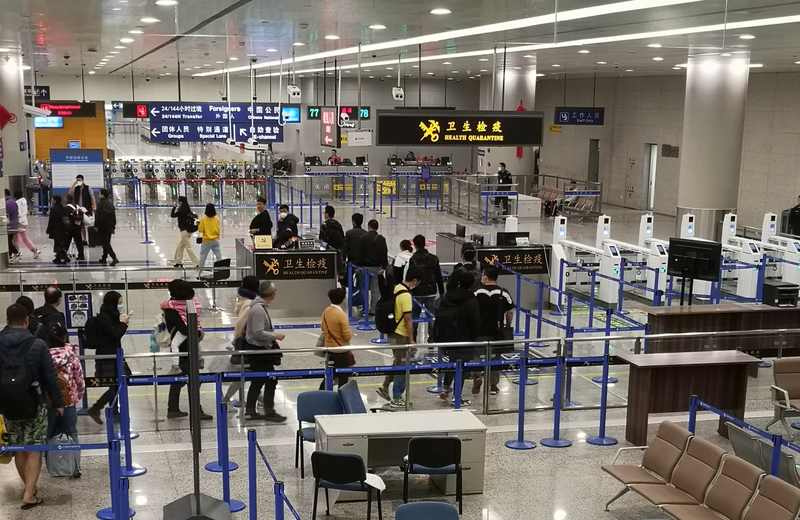
Mongolia's move did not happen in a vacuum. The U.S. CDC says it is "closely monitoring" the situation; the State Department has urged transparency from Moscow; China — which shares its own long border with both Russia and Mongolia and has recent experience with plague cases in its Inner Mongolia region — said it is in "close exchanges" with Russia. Each of these statements is calibrated: watchful, not alarmed. Mongolia's border measures fit the same pattern — a low-cost, high-visibility signal that the government is alert without declaring an emergency.
Why this matters
Three things make this more than a regional health footnote. First, pneumonic plague is the most severe form of the disease — it attacks the lungs, can spread through respiratory droplets, and kills quickly without treatment. The word "plague" carries centuries of dread, which is precisely why the verified-versus-unverified distinction matters so much: fear spreads faster than bacteria. Second, the setting — a worker at an anti-plague institute dying of undiagnosed pneumonia — is the kind of detail that erodes trust in official denials, regardless of their accuracy. Russia's shifting statements, from "plague" to "possibly" to flat denial, have compounded the problem. Third, the WHO's public pressure campaign is unusual. Geneva rarely presses a major power this openly; doing so signals that behind the diplomatic language, the information gap genuinely worries international health officials.
What the numbers mean
The figures tell a story of precaution outpacing confirmation: roughly 189 to 200 contacts under observation against zero confirmed plague cases. Five thousand negative tests, per Moscow, against one unexplained death at a plague research facility. A WHO risk assessment of "low" against a public demand for more information. These are not contradictions — they are the normal shape of an unresolved suspected-outbreak investigation. The contacts were quarantined because the cost of missing a pneumonic plague transmission chain is catastrophic; the tests are negative because, so far, there is nothing to find. Mongolia's "risk currently low" framing sits squarely in this space: act as if it could be serious, say plainly that it probably isn't.
What happens next
Watch Geneva. If Russia provides the formal response the WHO is demanding — case details, laboratory findings, the full contact-tracing picture — the temperature drops fast. If it doesn't, expect the pressure to escalate, possibly into a formal International Health Regulations process.
Watch the border. Mongolia's measures are described as monitoring, not closure. Any tightening — temperature screening of all crossers, quarantine orders, trade restrictions — would signal that Ulaanbaatar's private risk assessment is darker than its public one.
Watch the lab investigation. The decisive fact remains the cause of Shipilova's death. An independent or WHO-assisted determination would settle the question Moscow's statements have not.
Watch the information space. The viral "confirmed outbreak" post is a case study in how a real precautionary measure mutates into a false emergency online. Expect more of it — and measure every claim against the official record.
Sources
- Demócrata — "Mongolia activates health control measures at the Russian border in the face of a possible outbreak of plague," October 2026
- Sweden Herald — "WHO urges Russia to share information on suspected plague outbreak after researcher's death"
- USA Today — "Russia plague pneumonic outbreak," October 5, 2026