Business · Markets · Technology
Two of the world’s most valuable companies reported within an hour of each other on Wednesday evening, and the market gave opposite verdicts on the same strategy. Microsoft turned its artificial intelligence spending into a 48 percent jump in Azure revenue and a clean earnings beat. Alphabet spent even more — $51.4 billion in a single quarter — and watched its free cash flow sink to negative $9.07 billion and its earnings miss. The gap between the two companies’ quarterly free cash flow was about $27.7 billion.
Track it live: live market prices and trackers — Signal Post News tracker
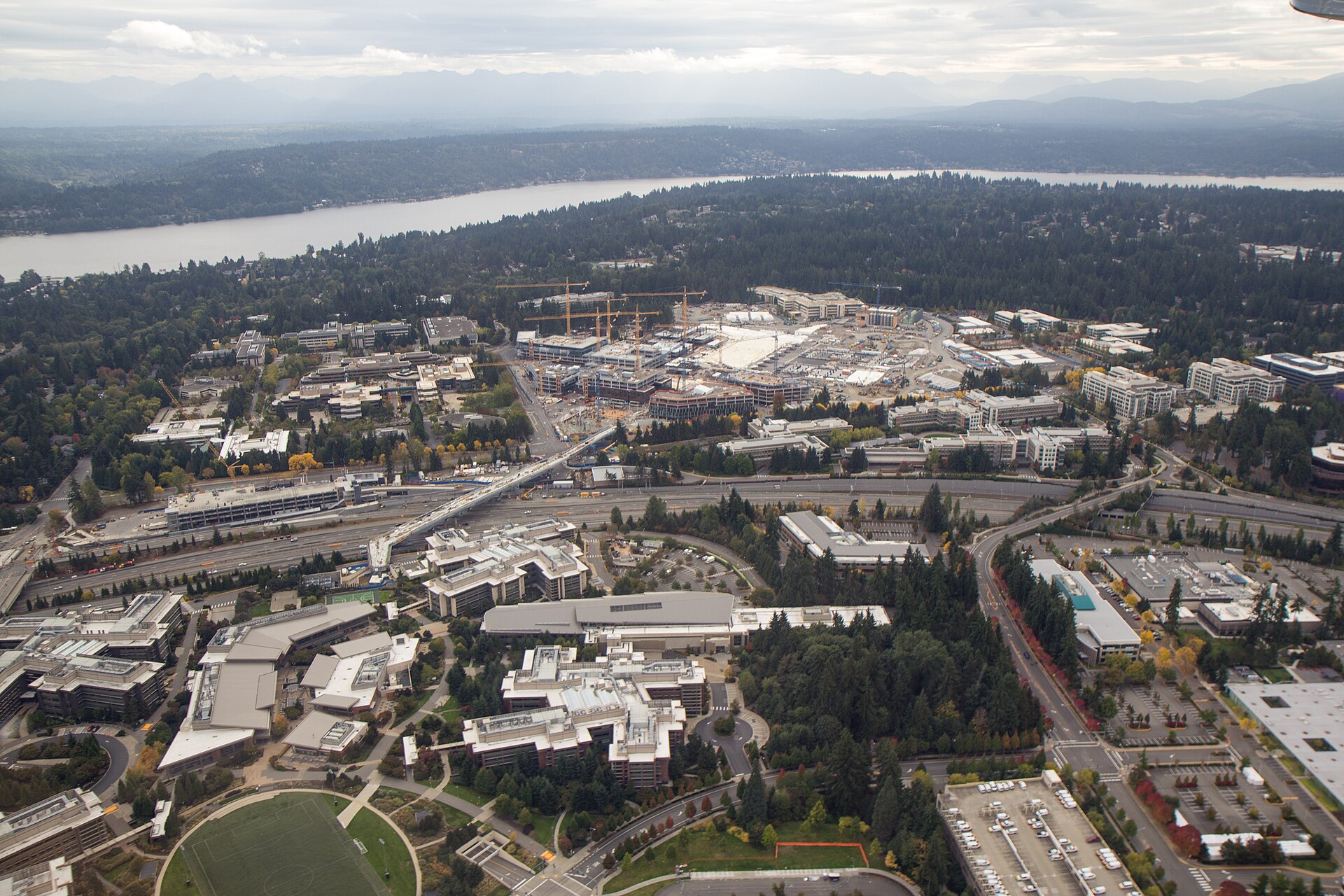
The Microsoft and Alphabet earnings reports that landed after Wednesday’s close were, on the surface, two versions of the same story: enormous revenue, enormous AI investment, and cloud businesses growing at extraordinary speed. Underneath, they were opposites. Microsoft, reporting its fiscal first quarter of 2027, posted revenue of $92.3 billion, up 19 percent and ahead of the roughly $90.7 billion analysts expected, with adjusted earnings of $4.89 a share against expectations of about $4.73. Alphabet, reporting its calendar third quarter, posted revenue of $127.6 billion, up 25 percent but just below the roughly $128.2 billion consensus, and diluted earnings of $2.12 a share — down 26 percent from $2.87 a year earlier and far below the roughly $3.02 expected. Microsoft stock rose about 2 to 4 percent after hours. Alphabet stock fell about 7 to 10 percent, testing the $300 level and putting the shares on track for their sharpest drop in about three years.
The reports arrived on an already crowded evening. Hours earlier, the Federal Reserve had held interest rates at 3.75 to 4.00 percent in a 10–2 vote, and the S&P 500 had closed up about 0.3 percent. Investors had spent the week asking whether the AI build-out — the subject of our big tech earnings week preview — could pay for itself. Wednesday night supplied the clearest answer yet, and it was different for each company.
Microsoft earnings October 2026: Azure revenue growth of 48 percent carries the beat
The headline number from Redmond was one Microsoft had never published before. Azure revenue grew 48 percent to $33.17 billion — the first time the company has disclosed Azure’s revenue in dollars rather than only as a growth rate — beating estimates of roughly $32.8 to $33 billion. The disclosure itself was a signal: companies reveal a segment’s size when the size has become a strength. Microsoft Cloud revenue overall reached $63.9 billion, up 30 percent, and commercial remaining performance obligation — contracted future revenue — rose 73 percent to $677 billion, a backlog figure that suggests demand for capacity still outruns supply.
The rest of the income statement matched. GAAP earnings were $4.92 a share and GAAP net income was $36.6 billion, up 32 percent. Operating cash flow was $58.0 billion, up 29 percent. Free cash flow — operating cash flow minus cash capital spending — was $18.6 billion. That was down 27 percent year over year, a real decline driven by the build-out, but it remained strongly positive and well above the roughly $8.5 billion some estimates had implied. Microsoft returned $10.2 billion to shareholders in the quarter, and its OpenAI investment contributed a $207 million net gain, against a $3.1 billion loss a year ago. Chief Financial Officer Amy Hood said the results exceeded expectations across revenue, operating income and earnings per share. Chief Executive Satya Nadella framed the strategy as helping organizations build and own their own intelligence.
Capital expenditure — cash paid for property and equipment, as reported in Microsoft’s official release — was $39.4 billion, up from $19.4 billion a year earlier and well below the roughly $46 billion analysts had projected, partly because some third-party capacity deliveries were delayed. About 75 percent of the spending went to short-lived assets — the CPUs and GPUs that fill AI data centres and are replaced on short cycles. Guidance pointed to more, not less: revenue of $96.0 to $97.1 billion for the December quarter, Azure growth of 49 to 50 percent, second-quarter capex above $50 billion, and calendar-2026 capex of around $175 billion.
Not everything in Redmond rose. Windows OEM and devices revenue fell 22 percent to $3.55 billion, and Xbox revenue fell 2 percent. The company is also cutting costs in people even as it spends on machines: Microsoft cut 4,800 jobs during the quarter and this week offered voluntary buyouts to up to 60,000 employees. The pattern is the defining one of the AI era at Microsoft — headcount and hardware lines shrink while data-centre spending compounds — and on Wednesday the market judged that the trade is working.
Alphabet earnings Q3 2026: the GOOGL earnings miss was below the operating line
Alphabet’s quarter requires a careful read, because the operating business and the bottom line told different stories. Operating income rose 30 percent to $40.6 billion, a 31.8 percent margin — by that measure, the business beat. The miss came below the operating line and in the cash flow statement. Net income fell 25 percent to $26.2 billion, and the $2.12 diluted EPS figure was dragged down by an $8.7 billion net loss on equity securities — worth about $0.55 a share — which included a loss of roughly $8.2 billion tied to SpaceX. A year earlier, the same line had contributed a $10.7 billion gain. That swing, more than any weakness in the core business, explains the distance between the $2.12 reported and the roughly $3.02 expected.
The cash flow statement is where the quarter genuinely hurt. Capital expenditures were $51.4 billion, up 114 percent year over year — roughly 65 percent servers and networking equipment, 35 percent data centres — more in one quarter than Microsoft’s entire capital spend, exceeding it by some $12 billion. Free cash flow was negative $9.07 billion, a second consecutive negative quarter, against an expected burn of only about $36 million. The figure was also weighed by a build-up of TPU inventory — Alphabet’s own AI chips, paid for before they are installed — and by a $5.2 billion cash payment of a 2018 European Commission fine. Across the first nine months of 2026, Alphabet’s capex of $132 billion exceeded its operating cash flow of $127.1 billion: the company is now spending more cash on the build-out than its operations generate.
Funding that gap has changed Alphabet’s financial character. The company raised $28.7 billion in senior notes and $12.4 billion through at-the-market stock sales, and it suspended buybacks — the shareholder-return machine that defined its mature years is paused. Full-year 2026 capex guidance was held at $195 to $205 billion, Chief Financial Officer Anat Ashkenazi said spending will increase significantly in 2027 and acknowledged that it pressures free cash flow in the near term, and the company disclosed future purchase commitments of $924 billion. Chief Executive Sundar Pichai offered the counterweight: Alphabet, he said, is now on a half-trillion-dollar revenue run rate. Both things are true at once, and Wednesday’s share price showed which one investors weighted more.
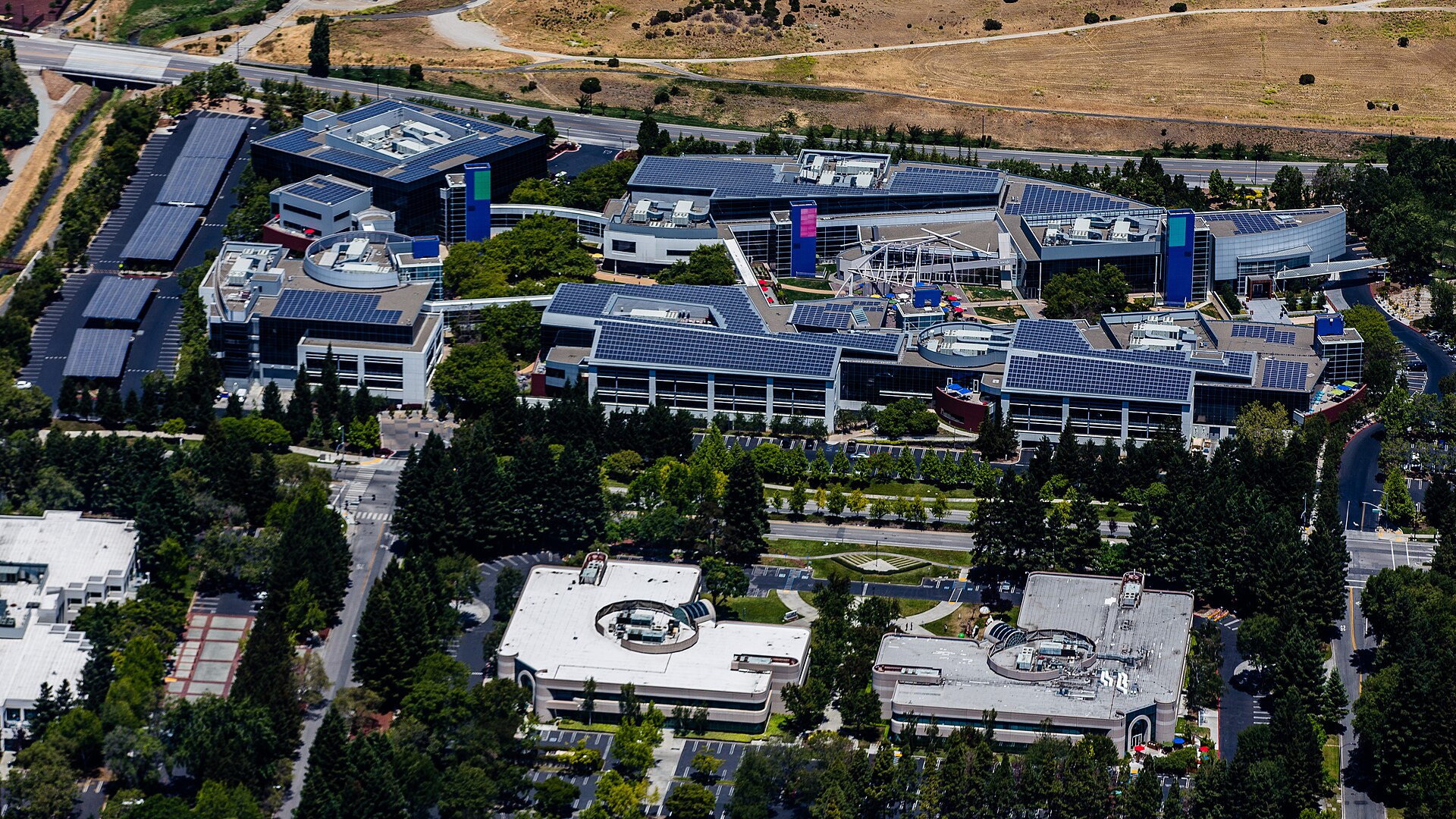
Google Cloud revenue of $30.7 billion — and the search slowdown behind it
If one Alphabet segment answered the skeptics, it was the cloud. Google Cloud revenue more than doubled, rising 103 percent to $30.71 billion and beating estimates of about $29.6 billion. Cloud operating income more than tripled to $11.1 billion, a 36.2 percent margin, and the cloud backlog reached $561 billion. By growth and profitability alike, this was the strongest cloud quarter any of the hyperscalers has reported this cycle — stronger, on growth, than Azure’s 48 percent. The catch is that this growth is being bought with the $51.4 billion quarterly capex programme — the bill arrives faster than the cash.
The core business, meanwhile, is decelerating in a way that matters more than one quarter’s EPS swing. Google Search and other revenue was $63.4 billion, up 12 percent — down from growth of 19 percent in the first quarter and 17 percent in the second — and below the roughly $64.9 billion estimate. Management said queries are growing at a five-year high, but that AI Mode queries monetize less than classic search results. That is the cannibalization question in the company’s own words: the AI answer layer is driving usage while earning less per query than the link-and-ads format it is replacing. YouTube advertising rose 9 percent to $11.2 billion, and Google Services revenue overall was $96.3 billion, up 11 percent — solid, but no longer fast enough to fund the build-out and the buyback at the same time.
Why this matters
For three years, the market’s rule for AI spending was simple: announce more of it, and the stock rose. That rule has now inverted. Investors have stopped rewarding spending itself and started grading its conversion into cash — and Wednesday night was the cleanest test of the new standard, because two companies pursuing the same strategy produced opposite cash results in the same hour. Microsoft spent heavily and still generated $18.6 billion of free cash flow, disclosed Azure’s revenue for the first time because the number helps its case, and kept its buyback running. Alphabet spent more, generated negative $9.07 billion, borrowed $28.7 billion, sold $12.4 billion of stock and stopped its buyback. The roughly $27.7 billion one-quarter gap between those two free-cash-flow figures is, in effect, the market’s new report card, printed in a single line.
The ratios sharpen the point. Microsoft’s capital spending of $39.4 billion equals about 43 percent of its quarterly revenue; Alphabet’s $51.4 billion equals about 40 percent of its larger revenue — but measured against operating cash flow, Alphabet’s nine-month spending has passed 100 percent while Microsoft’s operating cash flow of $58.0 billion still covers its capital spending with room to spare. Neither company is in financial danger; both hold investment-grade balance sheets and dominant franchises. What is being repriced is not survival but discipline: whose spending is self-funding, and whose now depends on bond buyers and new shareholders. That is why Alphabet stock falls after earnings on a quarter in which its cloud revenue doubled, while Microsoft stock after hours today rewards a company whose free cash flow fell 27 percent. The direction of the cash matters less than whether it exists.
The arms race: Big Tech AI spending passes $700 billion
Wednesday’s split did not happen in isolation. The hyperscalers are collectively spending more than $700 billion on AI infrastructure in 2026, according to Reuters — a build-out that began as a race for graphics processors in 2023 and has become the largest private construction programme in the technology industry’s history. The market’s patience has been thinning for weeks. Meta’s shares sold off last week when the company raised its capex plans and issued stock, as we reported in our coverage of Meta’s third-quarter earnings, and its free cash flow turned negative for the first time. In credit markets, the cost of insuring the big spenders’ debt — credit-default swaps — has climbed to record highs, a quiet signal that bond investors, like equity investors, have started asking when the spending converts.
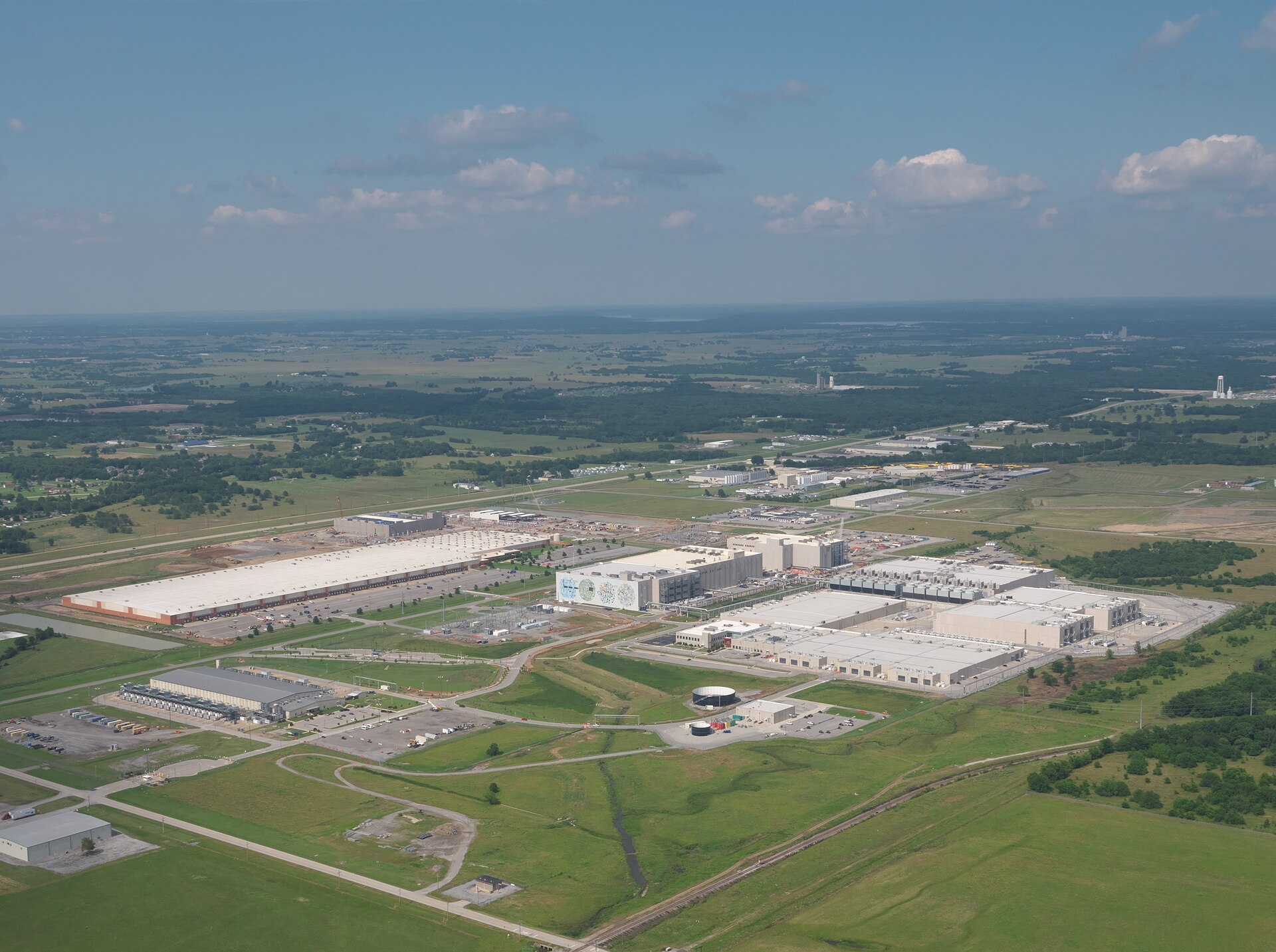
Alphabet’s defence is that the spending is buying something real, and the cloud numbers support it: a business growing 103 percent with a 36.2 percent operating margin and a $561 billion backlog is not a vanity project. Microsoft’s defence is the same argument with better cash arithmetic. The skeptics’ case applies to both: $700 billion a year of industry spending must eventually produce returns commensurate with the largest capital programmes in corporate history, depreciation on short-lived GPUs will weigh on reported earnings for years, and Alphabet in particular must prove that AI Mode can close the monetization gap with classic search before the deceleration from 19 percent to 17 percent to 12 percent becomes a decline. Wednesday did not settle that argument. It clarified its terms.
Winners, losers and what would change the verdict
The night’s clearest winners were Microsoft’s shareholders and the suppliers both companies share. Microsoft demonstrated that an AI build-out can still be self-funding at a $175 billion annual capex pace, and every dollar of their combined spending flows first to chipmakers, server builders and the power and cooling trades — about 75 percent of Microsoft’s capex went to short-lived silicon alone. Cloud customers win either way: two landlords racing to add capacity, with $677 billion and $561 billion of contracted backlog between them, compete on price and availability.
The losers start with Alphabet’s shareholders, who absorbed the after-hours drop, and with the buyback itself: a programme that once retired tens of billions of dollars of stock a year is suspended while the company sells shares instead. Alphabet’s bondholders take a subtler loss — $28.7 billion of new senior notes is safe debt, but the company that issues it is a different credit from the one that used to fund everything from operations. And there is a warning in Wednesday’s trading for the whole sector: if doubling cloud revenue cannot protect a stock whose free cash flow is negative, then every hyperscaler now reports under the cash standard, including the ones that have not reported yet.
What to watch next
The next verdict arrives within a day. Amazon reports on Thursday, October 29, on the heaviest data day of the quarter — third-quarter GDP and the PCE inflation figures land the same morning, the European Central Bank decides rates on Thursday, and the Bank of Japan follows on Friday. Amazon’s AWS numbers and its own capex guide will show whether the cash standard produces a third outcome or confirms the split. For Alphabet, holding full-year capex guidance at $195 to $205 billion after spending $132 billion in nine months implies a fourth quarter of roughly $63 to $73 billion — the largest single-quarter build-out in its history, arriving alongside Ashkenazi’s promise of a significant further increase in 2027. For Microsoft, the guideposts are the December quarter’s capex above $50 billion and Azure growth of 49 to 50 percent: meet them with free cash flow still positive, and Wednesday’s premium holds.
What would change the verdict is equally specific. For Alphabet: a quarter in which capex growth slows toward cloud revenue growth, AI Mode monetization visibly closes the gap with classic search, and free cash flow returns to positive without new stock sales. For Microsoft: evidence that Azure’s newly disclosed revenue base can keep compounding near 50 percent as the capex bill passes $50 billion a quarter. Until then, Big Tech is two industries wearing one label — the companies whose AI spending pays for itself, and the companies whose shareholders and bond buyers are paying for it. Wednesday night, Microsoft was in the first group and Alphabet, for the second straight quarter, was in the second.
Sources: Reuters, reporting on the Microsoft and Alphabet results and on hyperscaler AI spending of more than $700 billion in 2026 (October 28, 2026); Microsoft fiscal first-quarter 2027 earnings release and earnings call, including the $39.4 billion in cash paid for property and equipment reported in the release; Alphabet third-quarter 2026 earnings release and earnings call, including CFO Anat Ashkenazi’s 2027 capex comments; CNBC and the Wall Street Journal, reporting on consensus estimates, the equity-securities loss and after-hours share moves. Figures are as reported by the companies for the quarters ended September 30, 2026. This article is reporting and analysis, not investment advice.