Lawyer, Not Attorney: The Credential Fight Around Trump's Press Secretary
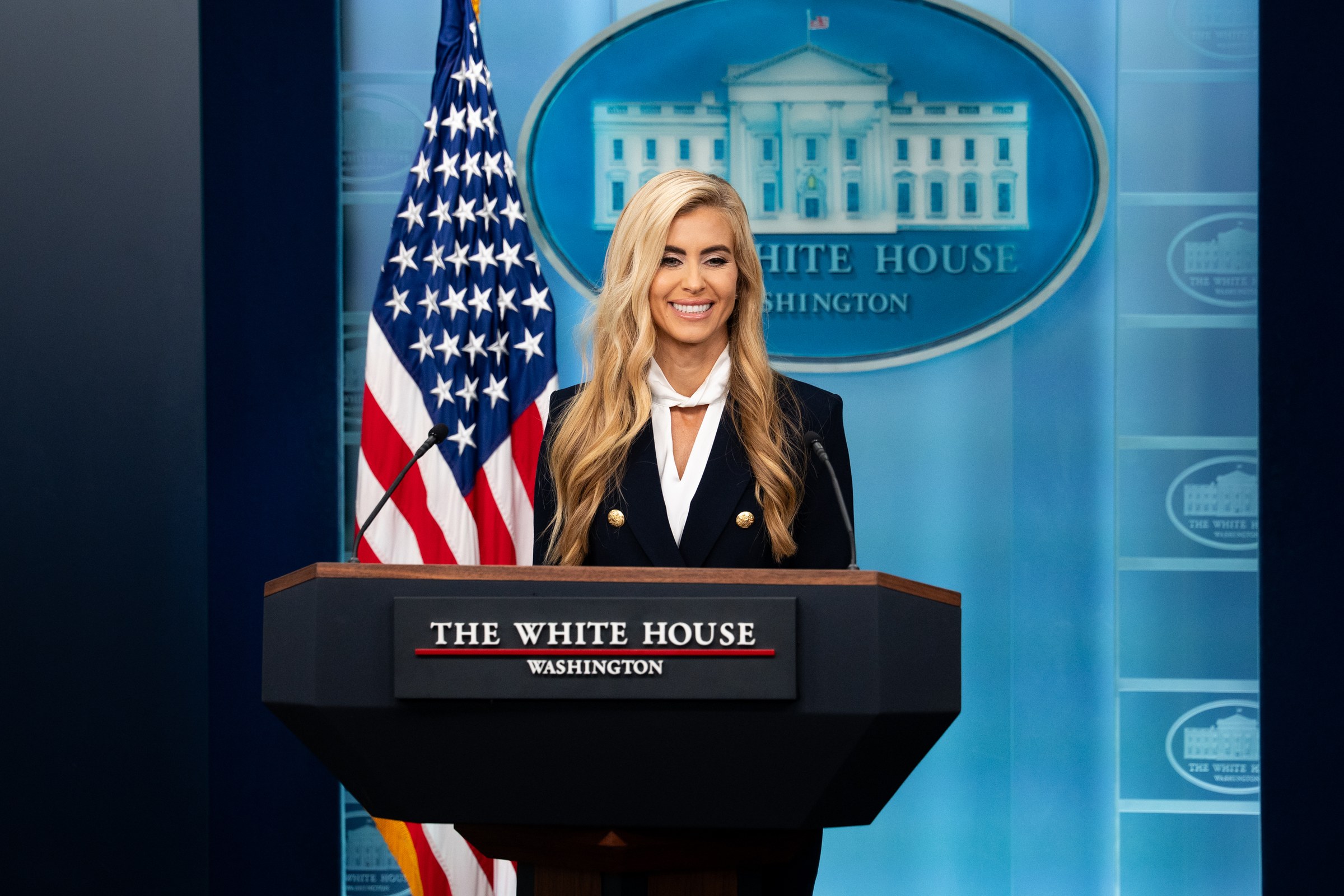
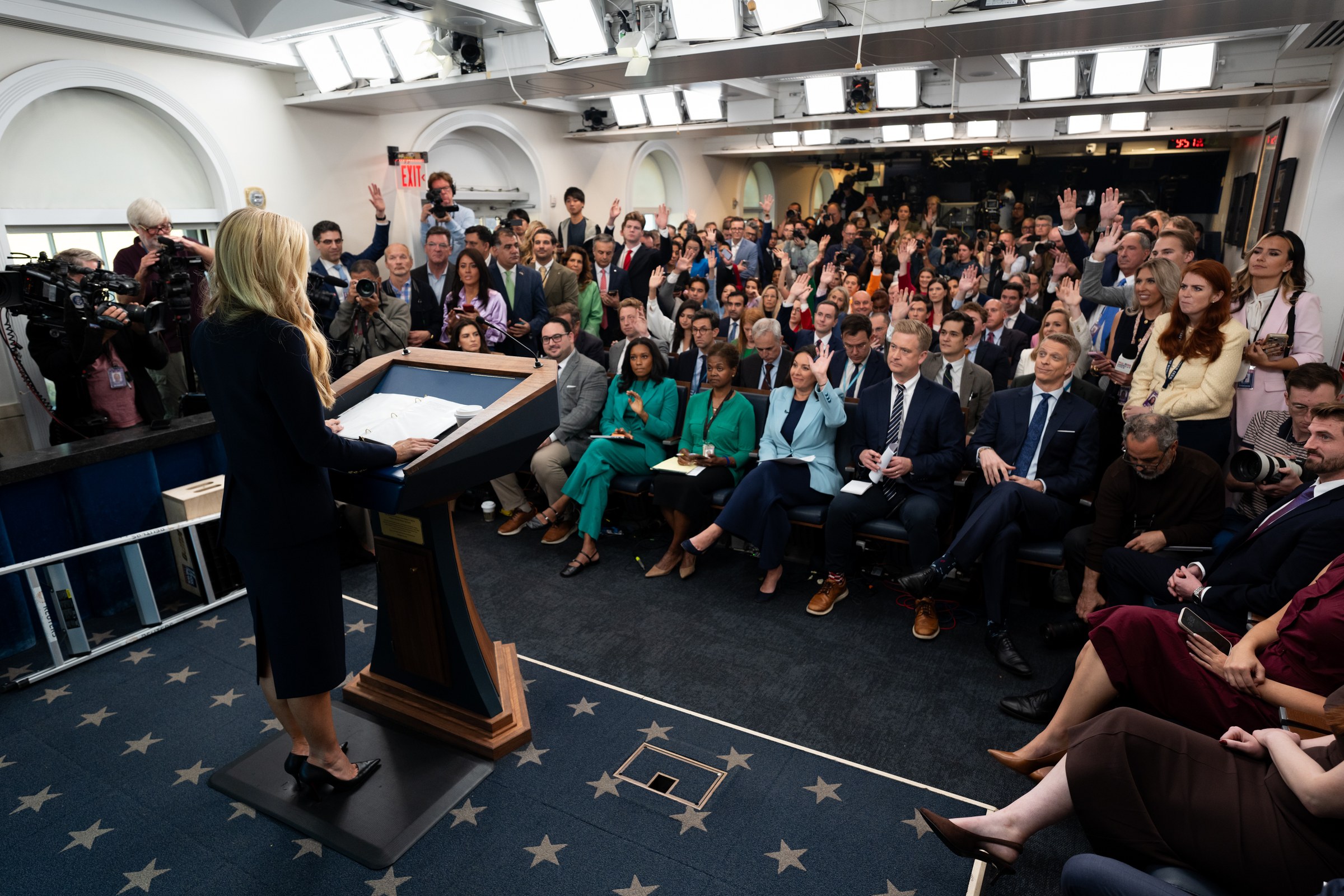
WASHINGTON, October 15, 2026 — The question arrived at Katie Zacharia's very first press conference, in front of the cameras in the James S. Brady Press Briefing Room on October 13: where had she passed the bar? Her answer — "When I moved to China" — set off a week of scrutiny that has now produced a documented record, two competing definitions, and a White House determined to treat the whole episode as settled. The facts established so far by multiple news organizations are not really in dispute. What is in dispute is what they mean.
What the record shows
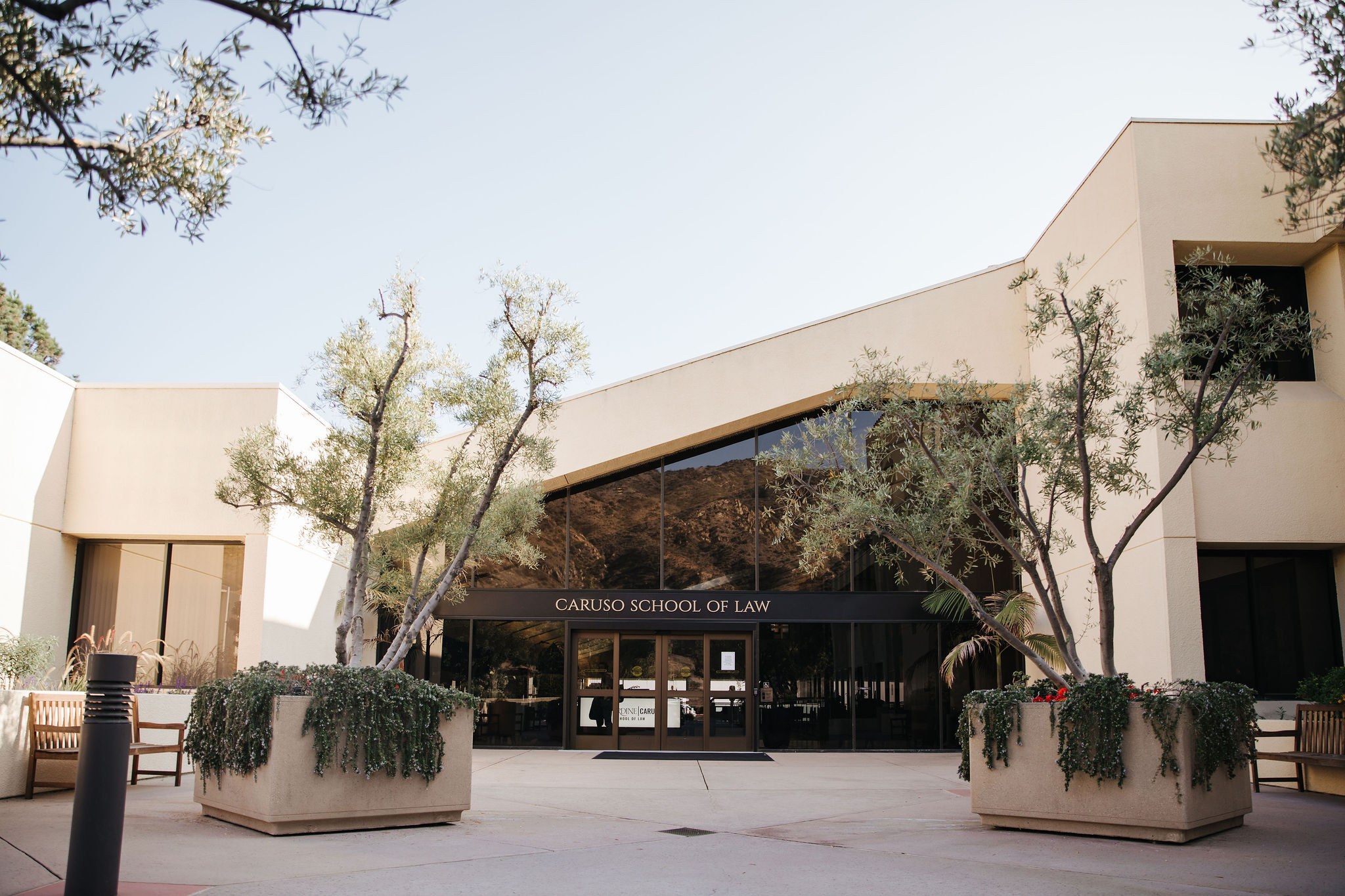
The examination of Zacharia's credentials began with an absence. Her name appears in no licensed-attorney search in California, Texas or the District of Columbia, under either her married name or her maiden name — a gap first raised publicly by journalist Judd Legum in his Popular Information newsletter and confirmed by a Washington Post review that likewise found no record of her passing a bar exam anywhere in the country. The Wall Street Journal then reported the underlying fact directly: Zacharia graduated from Pepperdine University's Caruso School of Law in 2011, sat for the California bar exam that year, and did not pass. The Journal's account was confirmed by a person with direct knowledge of the matter, and a CNN source familiar with her thinking confirmed the same history. She never retook the exam, according to the Journal, which verified that she has never passed the bar in any US jurisdiction and is not a practicing attorney.
That record matters because of how she entered the job. When Trump announced her appointment on October 9, he described the 41-year-old as an "attorney." It was a natural enough shorthand for a law graduate — but in the legal profession, the word carries a specific, licensed meaning, and the gap between the shorthand and the record is the entire controversy.
"Lawyer" versus "attorney": why two words carry the fight
In ordinary speech the two words are synonyms. In law they are not. A "lawyer," in the usage Zacharia describes, is someone who has earned a law degree — a juris doctor. An "attorney" — short for attorney-at-law — is a lawyer who has additionally passed a state bar exam, been admitted to that state's bar, and is licensed to represent clients and practice law. States police the second title because the public relies on it: holding oneself out as an attorney without a license can constitute the unauthorized practice of law, and bar regulators treat the credential as a consumer protection, not a courtesy.
Zacharia's defense, given in interviews with the New York Times and Real America's Voice, is that she asked before she ever used either word publicly. Before doing television, she has said, she consulted Pepperdine's president and others about how she could describe herself, and was told she could call herself a "lawyer" — she holds a JD — but not "attorney" or "esquire." "They said absolutely across the board, you can call yourself a lawyer, you have a JD," she said. On her own account, in other words, she knew exactly where the line was and set out to stay on the right side of it.
Her biography contains one chapter that complicates the picture in both directions. After the bar exam, in 2011, she moved to Beijing and worked as an associate on the international practice team at Zhong Lun Law Firm, working on transactional matters. Foreign law firms in China employ foreign-educated associates for cross-border work, and the role did not require a US bar license; China's own bar is restricted to Chinese citizens, which she is not. Zacharia has summarized that period with the statement: "I practiced international transaction law, with all the appropriate credentials." A separate line on her résumé drew its own questions: her LinkedIn listed "general counsel" work for the organization Fix California in 2024–25, a title that ordinarily denotes a practicing chief lawyer. A source familiar with the matter told reporters it was a senior advisory role, not legal work.
The posts CNN counted
What turned a résumé question into a rolling story was CNN's new reporting on Thursday: a review of Zacharia's own social media found that, whatever advice she received about the word "attorney," she shared or amplified at least 15 posts between April 2025 and September 2026 — on X and Truth Social, including Fox News headlines and One America News segments — that identified her as an "attorney." At least one of the posts has since been deleted. A source familiar with her thinking told CNN that sharing the posts was not intended as an endorsement of the title. That distinction — between using the word herself and passing along other outlets' descriptions of her — is now the center of her case. Critics answer that an 18-month pattern of amplification, uncorrected, functioned as an endorsement regardless of intent; her defenders answer that retweets and shares of news clips have never been treated as personal claims, and that she consistently described herself, in her own words, only as she had been advised she could.
"When I moved to China"
The exchange that lit the fuse was brief. At an October 13 gaggle, a reporter asked Zacharia where she had passed the bar. "When I moved to China," she replied — an answer that read, to many listeners, as a claim to have passed a bar exam there, something that would have been impossible: China's bar is restricted to Chinese citizens, and Zacharia is not one. She later told the New York Times that she had misheard the question over the noise of Marine One, understanding it as "Where were you after law school?" — to which Beijing was the truthful answer. Both readings are now part of the record, and which one voters believe tracks closely with what they already thought of the administration she speaks for.
The White House closes ranks
The White House, for its part, is not conceding an inch. Spokesman Steven Cheung called Zacharia "a fabulous and wonderful addition to the team," describing her as "uniquely qualified and whip smart," and a White House official pointed out that she was not hired to work on legal matters — the press secretary's job is communications, not counsel. Her path to the podium ran through television and politics rather than courtrooms: years as a conservative commentator with segments on Fox News, Newsmax and OAN; a stint as deputy assistant secretary for public affairs at the Department of Homeland Security in February 2026, from which she resigned the following month; and a role as communications advisor to Trump Media beginning in June 2026. Nothing in the job description of press secretary requires a law license at all — most holders of the office have not been lawyers in any sense of the word. The White House's position, in effect, is that the credential fight is a definitional ambush laid over a communications hire whose actual résumé was never hidden.
Why a title fight matters
It would be easy to file this as Washington semantics, but there are reasons it has traction beyond the briefing room. The press secretary is the administration's institutional voice — the person whose statements are treated, by markets, foreign governments and courts alike, as the president's own. Credential accuracy in that office is not a vanity question; it is part of the credibility the office trades on. There is also the matter of who used the word first: it was the president who introduced her to the country as an "attorney," which makes the story as much about the White House's own vetting and presentation as about a commentator's social media habits. Set against that is a genuine cultural shift the defense can point to: in the television era, "lawyer" and "attorney" are used interchangeably by nearly everyone, including most news organizations' own chyrons — the very Fox News and OAN lower-thirds that CNN catalogued were written by producers, not by Zacharia. The documented facts, finally, cut neither into fraud nor into nothing. Nobody has produced evidence that she represented clients, appeared in court, or took legal work she was unlicensed to perform. What the record shows is a failed exam, a careful personal rule about titles that she says she followed in her own words, and a long trail of other people's labels that she let stand.
What happens next
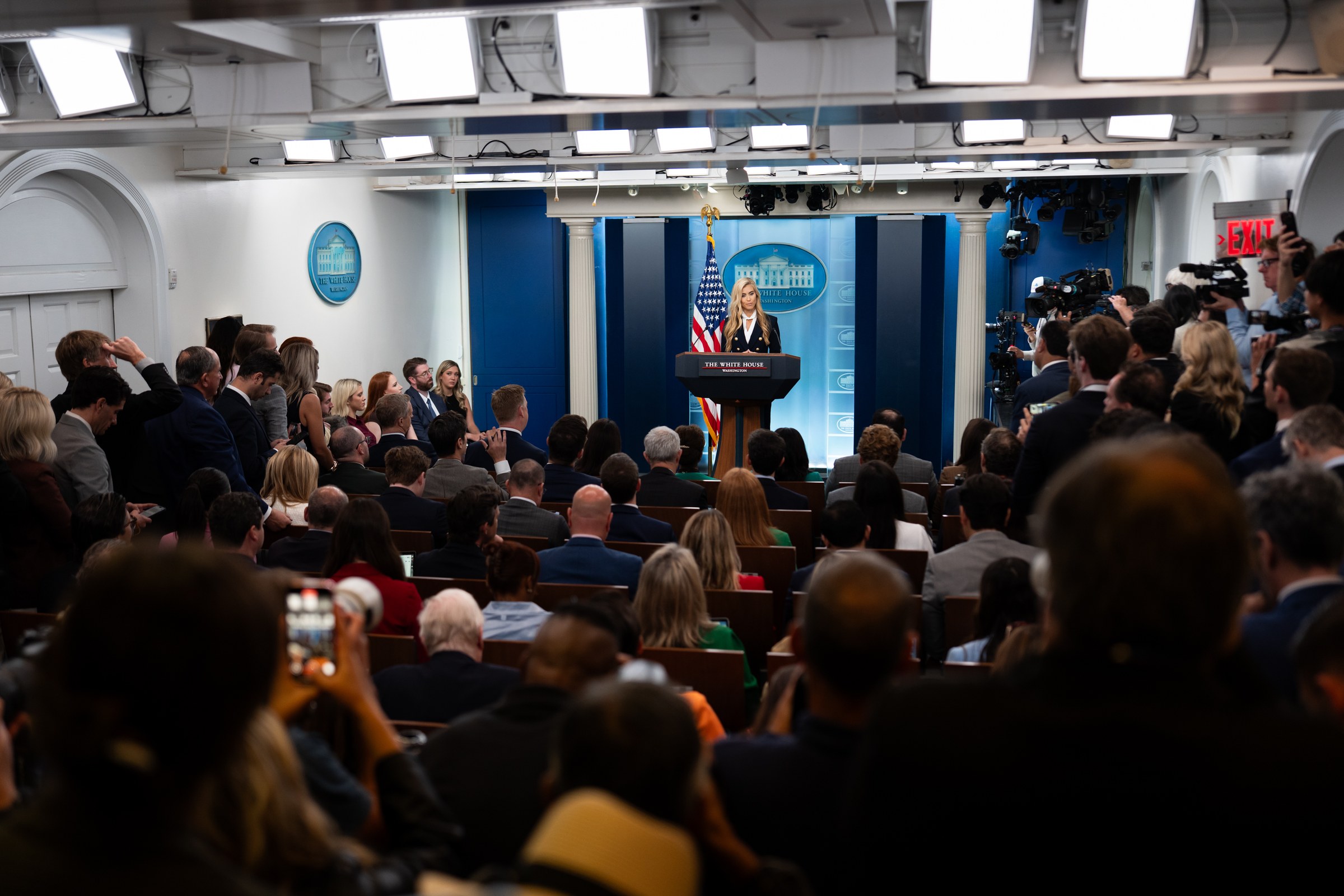
Three things will decide whether this story ends this week or follows Zacharia to every future podium. The first is whether she addresses it herself at a briefing: press secretaries under credential clouds have historically either confronted the question once, on camera, or faced it in fragments for months. The second is whether the White House quietly adjusts her official biography and future introductions — an implicit concession that would cost little and close the factual loop. The third is whether any regulator takes an interest; as of Thursday, no state bar has announced any review, and the unauthorized-practice question would ordinarily turn on whether she ever held herself out as licensed to clients, which no reporting has alleged. For now, the administration's bet is visible in Cheung's statement: treat the episode as a wording dispute, praise the hire, and move on. The next briefing will show whether the press corps is willing to.
Sources: The Wall Street Journal; CNN; The New York Times; USA Today; People; The Washington Post; Popular Information (October 2026). Related on Signal Post News: Trump Names Katie Zacharia as White House Press Secretary.