The Jio Platforms IPO, the largest share sale in Indian market history at ₹30,213 crore (about $3.2 billion), was fully subscribed within 100 minutes of public bidding opening on Wednesday, October 21, 2026, exchange data showed — a speed people close to the offering called the fastest India has ever seen.
Business / Markets & India — Institutional investors covered their slice in ten minutes, the rupee jumped on the inflows, and retail investors barely showed up: the first morning of the Jio listing tells you almost everything about who India's IPO boom is actually for.
Track it live: live stock market trackers at Signal Post News.
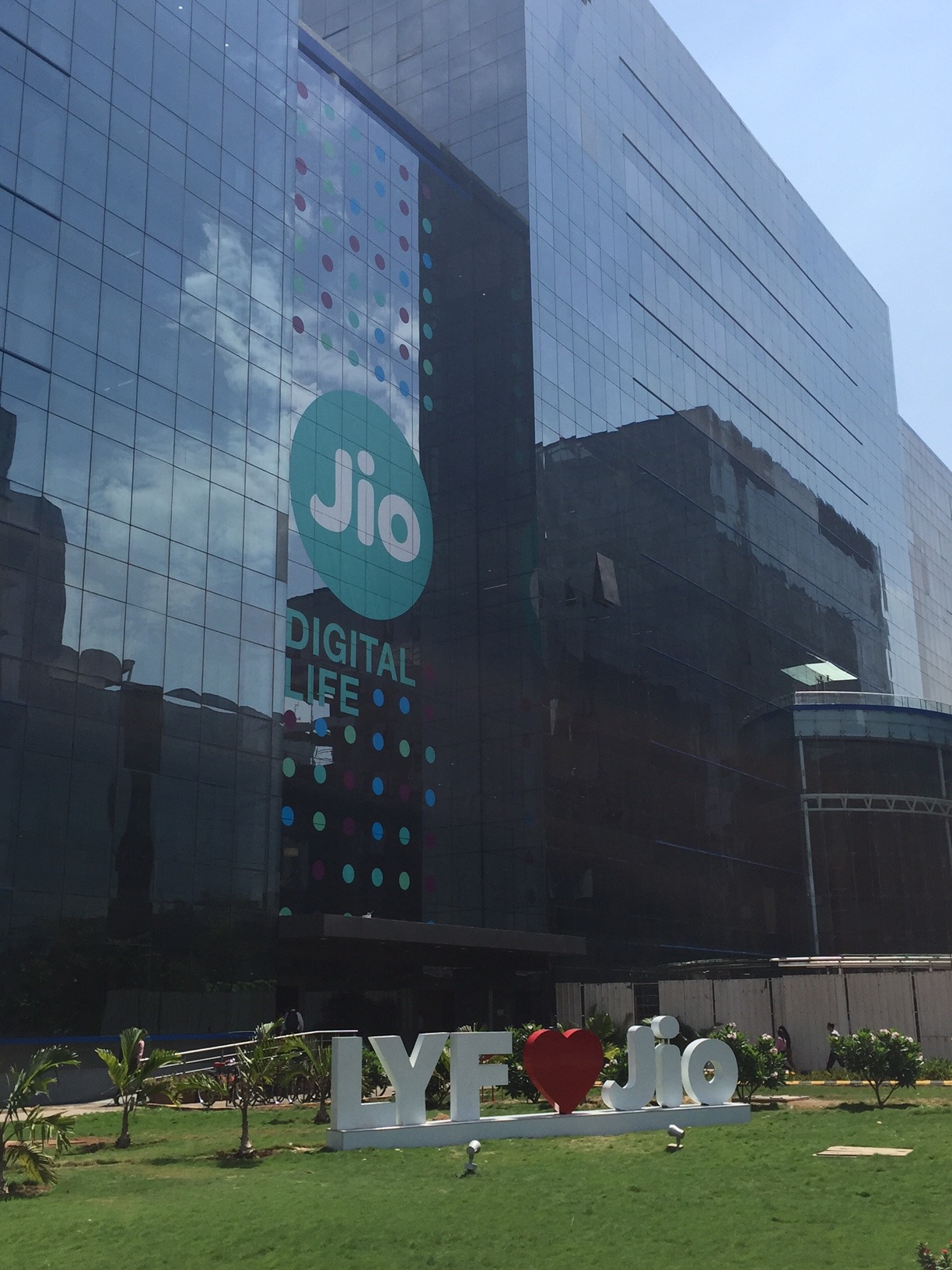
What happened on Wednesday morning
The rush began before the public offer even opened. Earlier this week Jio Platforms allotted 7.24 crore shares to 212 anchor investors at the top price of ₹1,119 a share, raising ₹8,109.85 crore (about $853 million), according to a stock exchange filing reported by the Hindu BusinessLine — after institutional demand for that anchor book alone exceeded ₹2.5 lakh crore, more than 30 times the amount available. The largest anchor allocation went to the Life Insurance Corporation of India, at ₹499.98 crore, followed by New World Fund Inc and the Government of Singapore; Reuters reported that the Abu Dhabi Investment Authority and BlackRock were also among the more than 200 global and domestic investors allotted shares.
When public bidding opened on Wednesday, qualified institutional buyers moved first and fastest. Two people close to the offering told Reuters that institutions covered their allotted tranche within 10 minutes, and the overall book was filled within 100 minutes. "It's the fastest in the history of India," one of them said. Exchange data tracked through the day by ANI and the Hindu BusinessLine's live coverage tells the same story in numbers: 0.91 times subscribed at 10:33 a.m. IST, 1.27 times by 11:30 a.m. — bids for 25.02 crore shares against 19.75 crore shares in the public subscription table, with the institutional portion at 3.86 times — 1.39 times by noon, 1.45 times by 12:42 p.m., and, by mid-afternoon, bids for more than double the shares available, with Reuters putting the institutional bid at 4.9 times the reserved portion. The subscription window stays open until Friday, October 23, so every one of those figures is a snapshot, not a final total.
One constituency was conspicuously slower. Retail investors, for whom roughly a third of the issue is reserved, had bid for only about a third of their quota by late morning and about half of it by early afternoon — a normal pattern in Indian mega-IPOs, where institutions move on day one and retail money often arrives on the final day, but a striking gap in an offer this heavily trailed. Aishvarya Dadheech, founder of Fident Asset Management, told Reuters the speed of the institutional bidding was surprising precisely because large Indian IPOs usually fill late: "Jio has changed India's telecom landscape and (the IPO) offers a very reasonable valuation with strong fundamentals," he said.
The offer itself: price, proceeds and a twenty-year wait
The Jio Platforms IPO is an entirely fresh issue of up to 27 crore equity shares at ₹1,065–₹1,119 each, raising up to ₹30,213 crore at the top of the band, with a minimum bid lot of 12 shares. Up to 50 percent of the offer is reserved for qualified institutional buyers, at least 15 percent for non-institutional investors and at least 35 percent for retail investors, with a dedicated reservation of 46,94,835 shares for employees at a ₹54-per-share discount and 2,23,41,376 shares for eligible Reliance Industries shareholders. Allotment is expected to be finalised by October 26, with listing on the BSE and NSE on October 28.
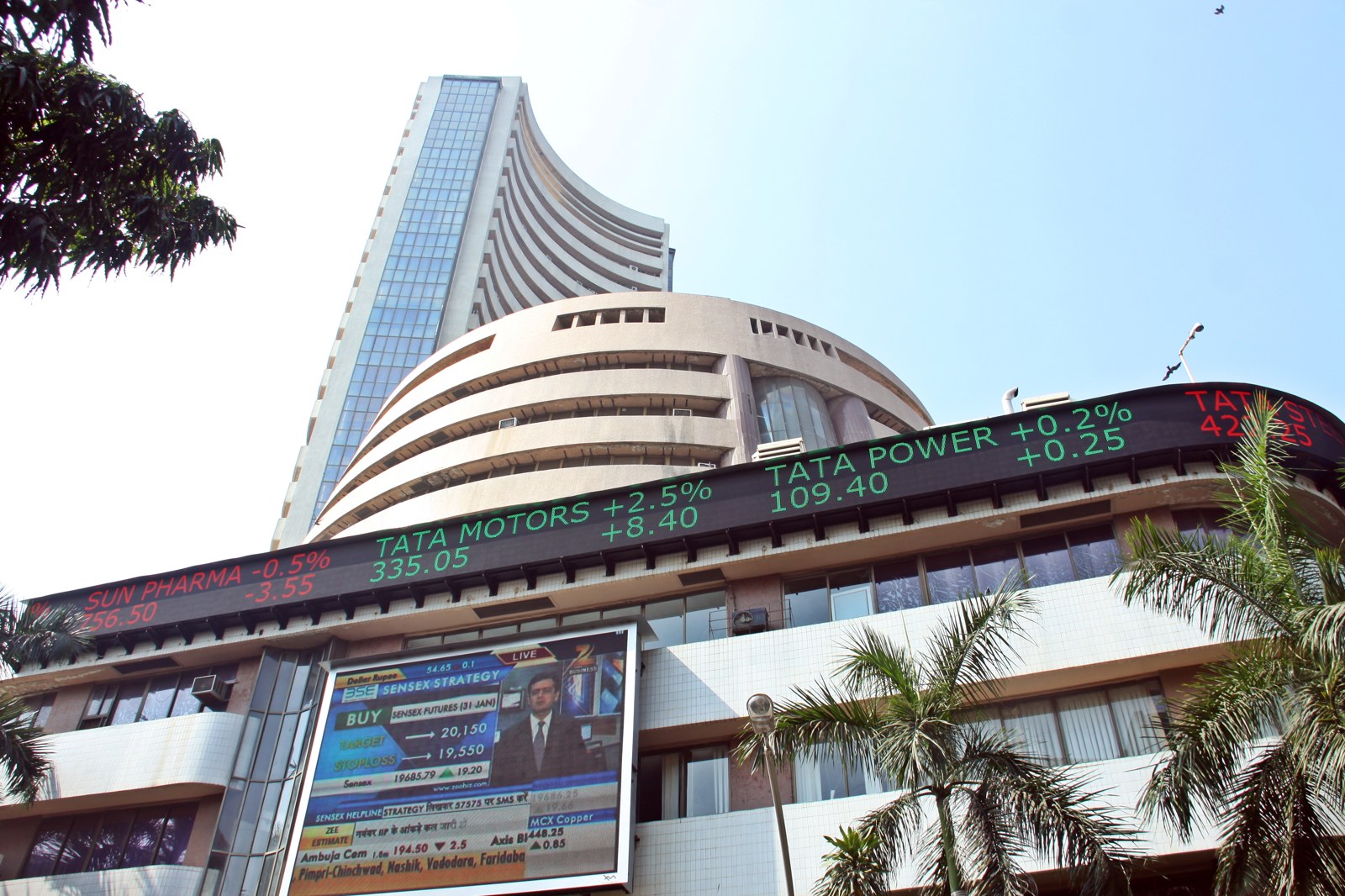
According to the IPO prospectus as reported by Reuters, Jio Platforms plans to use up to $2.89 billion of the proceeds to repay or prepay borrowings at its telecom unit, Reliance Jio Infocomm, with the rest going to general corporate purposes including capital expenditure. The company earned about $3.2 billion in profit on $15.5 billion of revenue in the year to March, and more than 90 percent of its revenue still comes from the telecom business — a fact that cuts both ways in the investment case, as the brokerage notes summarised by the Hindu BusinessLine make plain: firms including Shriram Research, Systematix, Anand Rathi, Religare Broking, SBI Securities and Motilal Oswal recommended subscribing, citing the subscriber base, market position and profitability, while flagging regulatory intervention, competition, capital expenditure needs, dependence on Reliance Jio Infocomm and the still-unproven monetisation of Jio's wider digital services as the key risks.
The sale has also been a long time coming. It is the Reliance group's first IPO since 2006. Ambani first promised a Jio listing within five years back in 2019; the plans were delayed in 2025, and a filing aimed at March was pushed back after the Iran war dampened appetite for new issues. The launch lands in India's Hindu festive season, considered auspicious for purchases, at a moment when Indian markets have otherwise been subdued — and Reliance, Reuters reported, paid its more than 400,000 employees their salaries about 15 days early this month and helped staff open share accounts in recent weeks for those interested in applying.
How we got here: the company that made data almost free
Jio's telecom business, led by Mukesh Ambani's son Akash, began in 2016 with a bet that Indians would use the internet far more if it cost almost nothing. It took market share from Bharti Airtel and Vodafone Idea at extraordinary speed by offering cheap data and free voice calls, and it now serves more than 500 million subscribers — making it the world's second-largest telecom operator in a single country, after China Mobile. Around that network, Jio Platforms has assembled the digital businesses — commerce, payments, media and cloud services — that are meant to justify a technology valuation, backed before the IPO by Meta and Alphabet's Google as major shareholders.
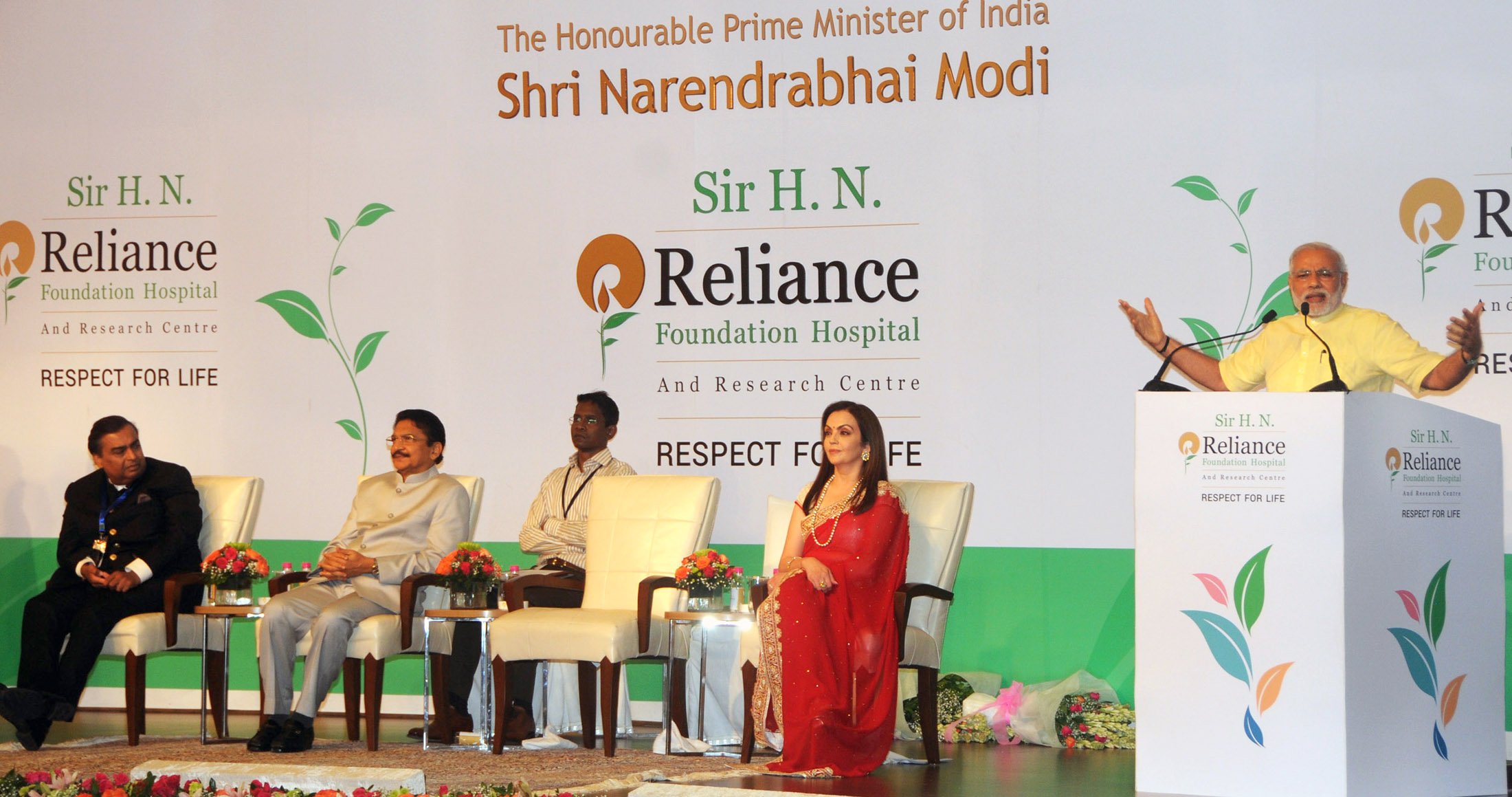
For Indian households, Reliance itself is more than a conglomerate. The parent company, which listed in 1977 and whose businesses stretch from oil to retail, has been a long-term savings vehicle for generations of small investors — the stock that paid for a child's education or a wedding, as Reuters put it — and its Mumbai-traded shares have gained roughly 330-fold since 1990, according to LSEG data. That inheritance is part of what was being sold on Wednesday: not just a telecom network, but the newest chapter of the most familiar wealth-creation story in Indian capitalism.
Why this matters
Start with the comparison that makes Wednesday's speed remarkable. In India's other recent mega-IPOs, first-day demand was tepid: the National Stock Exchange of India's own share sale was only 42 percent subscribed on its first day, and Hyundai Motor India's — the previous record-holder — only 18 percent, according to Reuters. Big Indian issues normally fill in a rush on the final day, if they fill at all. Jio filled before lunch on day one, and filled on institutional money, the category that is supposed to be the most price-sensitive. Whatever else it proves, it demonstrates that at a moment when global investors say they are sharpening their scrutiny of AI-adjacent technology valuations, a profitable, cash-generating platform with half a billion customers is exactly the kind of technology risk they still want.
The sale was large enough to move a currency. Reuters reported that the Indian rupee strengthened sharply on Wednesday, closing up 0.5 percent at 94.46 against the dollar — at one point touching 94.43, its strongest level since early September — helped by foreign portfolio inflows linked to the Jio IPO, even as Brent crude above $110 a barrel, lifted by Middle East tensions, argued the other way. When a single share sale can offset an oil shock in the foreign exchange market for a day, the line between a corporate event and a macroeconomic one has effectively disappeared. Jio's listing on October 28, at up to $108.3 billion, will instantly make it one of India's biggest listed companies — priced, pointedly, just below Bharti Airtel's $123.38 billion, despite Jio's larger subscriber base, which supporters read as deliberate headroom and sceptics read as the discount a conglomerate structure and a debt-repayment use of proceeds still command.
There is a quieter signal in who did not rush. Retail investors — the constituency Indian IPO marketing is nominally aimed at, and the group searching for the Jio Platforms IPO subscription status and grey-market premium through Wednesday — bid for barely a third of their reserved shares by late morning. Some of that is the familiar Indian pattern of final-day retail bidding, and the employee and shareholder reservations were filling faster (0.78 and 0.62 times respectively by 11:30 a.m.). But it is also possible that small investors, burned by expensive listings before, are content to let institutions set the price and buy later if the listing proves itself. The grey-market premium — the unofficial, unregulated price at which IPO applications change hands before listing — is the number retail searchers most want this week, and it is worth stating plainly what it is: an informal indicator reported by market trackers, not an exchange figure, and no guarantee of the October 28 opening price. Subscription multiples measure demand at the offer price. They do not measure value after it.
Who wins, who loses
The clearest winner is Reliance itself. A two-decade IPO drought ends with a record, the group's digital arm gets a public valuation benchmark near the top of Indian market capitalisation, and up to $2.89 billion of the proceeds go straight to deleveraging the telecom unit. The anchor investors — LIC, the Government of Singapore, ADIA, BlackRock and the 200-plus others who committed ₹2.5 lakh crore of bids for a ₹8,110 crore anchor book — win a scarce allocation in a name they plainly believe was priced to move. India's wider IPO pipeline wins too: a $3.2 billion issue absorbed in 100 minutes, in subdued markets, is the best possible advertisement for every large issuer deciding whether to launch this year.
The losers are relative. Bharti Airtel now trades against a newly listed, newly liquid direct comparator with a bigger subscriber base and a conglomerate's balance sheet behind its capex. Rival issuers face a higher bar: after Jio, a slow first day will be read as a verdict, not a pattern. And the retail investor's position is genuinely ambiguous — shut out of the anchor book by design, offered a third of an issue the institutions had already filled, and left to decide by Friday whether the price institutions accepted at 10 a.m. on Wednesday is still the right price for them. The critics' case, as the brokerages themselves flagged, is not about demand; it is about what the demand is for — a business still more than 90 percent telecom, dependent on one operating company, facing regulatory and competitive risks that a festive-season launch does not remove.
What happens next
Three dates now matter. Bidding closes on Friday, October 23, when the final subscription picture — above all the retail number — will show whether Wednesday's institutional verdict was shared by the public the offer was built for. Allotment is expected by October 26. Then, on October 28, Jio Platforms starts trading, and the argument moves from subscription multiples to a price.
One scenario is the clean debut: a solid listing premium, a valuation that holds above the offer range's promise, and a template — profitable platform, anchor book oversubscribed thirty-fold, festive timing — that a queue of Indian issuers copies through the winter. A second is the flat open: institutions who bid for allocation rather than conviction sell into the first sessions, the stock drifts to or below ₹1,119, and Wednesday's speed record is re-read as a marketing achievement rather than an investment one; India's recent IPO history contains both endings, including listings whose early shareholders waited a decade for liquidity. A third is the one that would matter most beyond Dalal Street: Jio uses its listed currency and cleaned-up telecom balance sheet to push into the AI and digital-services businesses the IPO story promised, and the "more than 90 percent telecom" line in this year's prospectus becomes the "before" picture. On the evidence of Wednesday morning, the market has already voted for the third story. October 28 is when it finds out what that vote was worth.
More business coverage from Signal Post News: the National Stock Exchange's own listing on the rival BSE and India's stock market slide to a 52-week low on the Nifty.
Sources
- Reuters — Ambani's Jio IPO oversubscribed within hours in record Indian sale (October 21, 2026)
- Reuters — Jio Platforms' IPO-linked inflows boost rupee; elevated oil prices spur caution (October 21, 2026)
- ANI via Devdiscourse — Jio Platforms IPO fully subscribed in less than two hours on Day 1, NSE exchange data (October 21, 2026)
- The Hindu BusinessLine — Jio Platforms IPO Day 1 live: subscription status, anchor allotment and brokerage views (October 21, 2026)
- NationPress — Jio Platforms IPO subscribed 2.5x on Day 1, QIBs oversubscribe 7.46 times (October 21, 2026)