NSE IPO listing
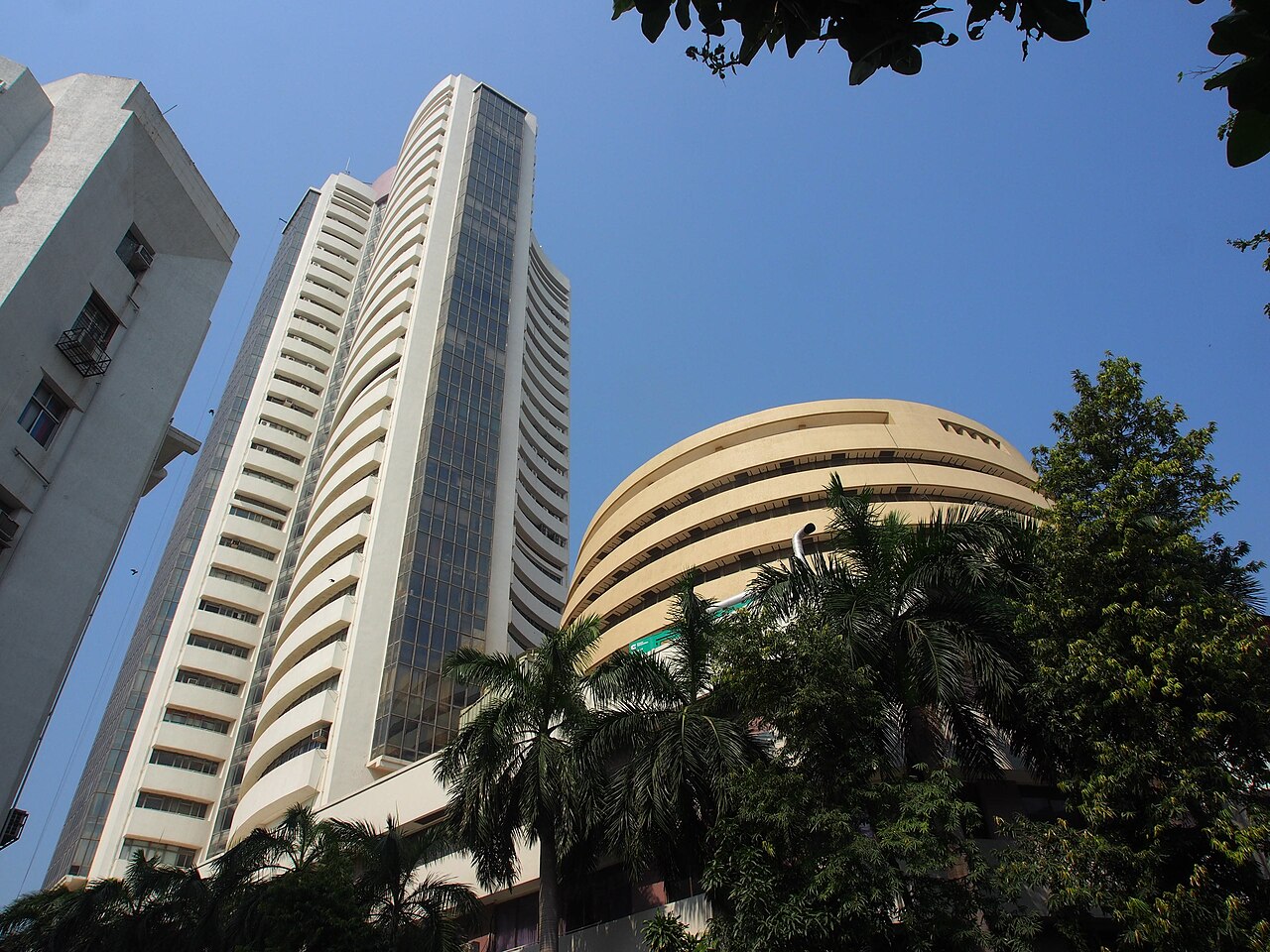
The NSE IPO listing that India's capital markets had awaited for nearly a decade is finally live. National Stock Exchange of India shares debuted on the BSE on Thursday, September 24, 2026, at ₹1,800 a share — a gain of just 0.84% over the ₹1,785 issue price — after the country's ₹22,562-crore ($2.3–2.4 billion) initial public offering, the second-largest in Indian history. Shares touched an intraday high near ₹1,878 and rose as much as 5% at one point, but the first print was deliberately unglamorous: this was a fully priced issue, and everyone involved knew it.
Why this matters
Do not mistake a flat debut for a weak one. The NSE is not an ordinary company coming to market — it is the marketplace itself. Incorporated in 1992, it is India's largest stock exchange and the world's busiest derivatives exchange by number of contracts traded, handling roughly 51% of the planet's exchange-traded equity-derivative contracts. As of June 30, 2026, it served 261.36 million registered investor accounts and 129 million unique investors, with 1,328 trading members and 3,005 listed companies. The total market capitalization of its listed companies stood near ₹474.08 lakh crore. It commands 92.99% of the cash market, 99.79% of equity futures, and 74.71% of equity options. When the house that runs the casino lists its own shares, the pricing tells you what the smartest money in the country thinks a near-monopoly is worth.
A decade in the making
The listing ends a saga that began in 2016, when NSE's first attempt at going public stalled amid regulatory and governance disputes — the years of the co-location controversy and the long, slow repair of its regulatory standing. For existing shareholders, this IPO is less a capital-raising event than an exit window a decade in the making. Every share sold — 12,64,36,650 of them, all through an offer for sale — came from the holdings of institutions including SBI and the Canada Pension Plan Investment Board. The exchange itself kept none of the ₹22,562 crore. That structure matters: nobody is funding growth here; early backers are cashing a very long-dated check.
The numbers behind the debut
The book tells the real story. The issue, open for subscription from September 17 to September 21 at a band of ₹1,700–₹1,785, was subscribed 5.71 times overall and drew 38,41,852 applications. But the mix is the message: qualified institutional buyers subscribed 12.68 times their allocation, non-institutional investors 6.55 times, while retail managed only 1.39 times and employees 2.40 times. This was an institutional event, not a retail frenzy — which is exactly what you would expect for a secondary sale with no fresh capital story attached.
At the issue price, the implied market capitalization is roughly ₹4.42–4.45 lakh crore, about $46–47.5 billion. That makes NSE the world's eighth-largest listed exchange by market value, within striking distance of the London Stock Exchange Group at about $52.5 billion. And here is the most interesting number in the whole listing: NSE priced at roughly 43 times FY26 earnings — a lower price-to-earnings multiple than the BSE, despite being substantially larger in revenue, profit, and market share. The "discount" to its rival is really a growth-gap discount.
Who wins, who loses
The winners are the sellers — the long-suffering early shareholders who finally got liquidity after a decade. Institutional buyers who underwrote the book get a scarce asset: there is exactly one NSE. The BSE, ironically, wins too: India's largest exchange listing on its rival's platform is a symbolic and commercial coup for Dalal Street's old guard. The lukewarm retail subscription (1.39x) suggests small investors were not the losers here — they simply declined to overpay. The critics' case is valuation: even after the company reportedly dialed back both the size and the price of the listing under pressure, the stock trades at a multiple roughly double what the largest listed exchanges in the West command. As one analysis put it, nobody sells a 43-times-earnings business as "cheap" — the discount is really telling you about slower growth.
What the numbers actually mean
Compare this debut with the last two Indian mega-IPOs and the pattern is clear. Hyundai Motor India's 2024 listing — the country's largest-ever IPO at ₹27,870 crore — fell more than 7% on debut as rich valuation and an industry slowdown weighed. LIC's 2022 debut slid nearly 8% despite strong demand. Against that record, NSE's flat-to-up listing with a 5% intraday swing looks like success: a richly valued, institutionally absorbed issue that held its price. The muted grey-market premium ahead of listing — an estimated ₹38 over issue price, implying about a 2% pop — had already told you the first print would not be fireworks. A 0.84% listing gain on a 43x multiple is what honest pricing looks like.
What happens next
Three things will decide where the stock goes from here. First, index inclusion: once NSE settles into the major benchmarks, passive flows will create a structural bid that has nothing to do with fundamentals. Second, supply: with large early shareholders now listed, lock-in expiries will periodically test the market's appetite for more paper — how that overhang is managed is the single biggest swing factor. Third, the regulatory weather: Bloomberg Intelligence analyst Sharnie Wong notes NSE's earnings growth slowed in FY26 and will likely stay under pressure from regulatory scrutiny and higher taxes on equity futures and options trading — the very derivatives franchise that makes the exchange dominant. The near-term risks are real, but so is the moat: 92.99% of the cash market does not get competed away in a quarter. For now, the message of the debut is that India's most important financial institution is finally owned by the public — at a price the public's sharpest investors were willing to pay, but not a rupee more.
Related coverage: oil below $100 as markets price a Trump–Xi summit · Treasury yields and the Wall Street selloff · CanSemi's Shenzhen IPO