World / Istanbul — The Istanbul Hormuz talks brought eight countries — the R4 regional powers, the E3 and Italy — together in Istanbul on Friday, and they emerged with one position: no new attack on Iran, and diplomacy instead of escalation.
Track it live: Middle East live tracker for the regional security picture, and the oil price forecast tracker for what the Hormuz risk is doing to energy markets.
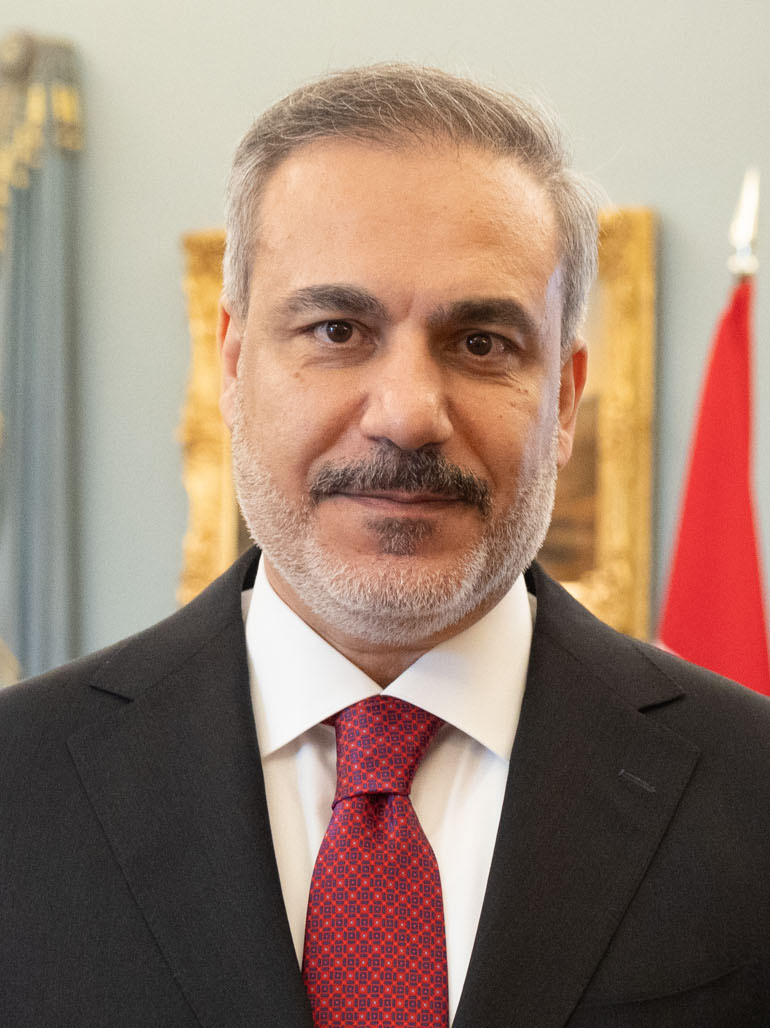
The Istanbul Hormuz talks R4 E3 meeting held on Friday, October 23, was built around an absence. Neither the United States nor Iran — the two belligerents whose war has put the Strait of Hormuz under threat — sits at this table. Instead, eight other countries are trying to build a parallel diplomatic track before a shipping crisis becomes a wider economic one.
Turkish Foreign Minister Hakan Fidan hosts the talks in Istanbul, Reuters reported, citing a Turkish diplomatic source. They are the first-ever meetings in two linked formats: the R4, and the R4 plus the E3. Understanding those initials is understanding the meeting.
Who the R4 and the E3 actually are
The R4 is a regional framework of four countries — Turkiye, Egypt, Saudi Arabia and Pakistan — which, according to the reporting, emerged in March and has focused on regional security and on mediating between the United States and Iran. The E3 is a much older grouping: the United Kingdom, France and Germany, which have coordinated on Iran's nuclear programme for more than 20 years.
Put together, eight countries sat at the table in this combined format for the first time, at Turkiye's initiative — the four R4 states, the three E3 states and Italy. Pakistan's Foreign Office confirmed the setting in its curtain-raiser, PR No. 303/2026, issued October 23, with Deputy Prime Minister and Foreign Minister Ishaq Dar attending for Pakistan. The agenda published in advance is broad: the Israeli-Palestinian issue, the latest situation in the Strait of Hormuz, developments in Yemen, efforts to end the Russia–Ukraine war, and closer cooperation between regional and European powers.
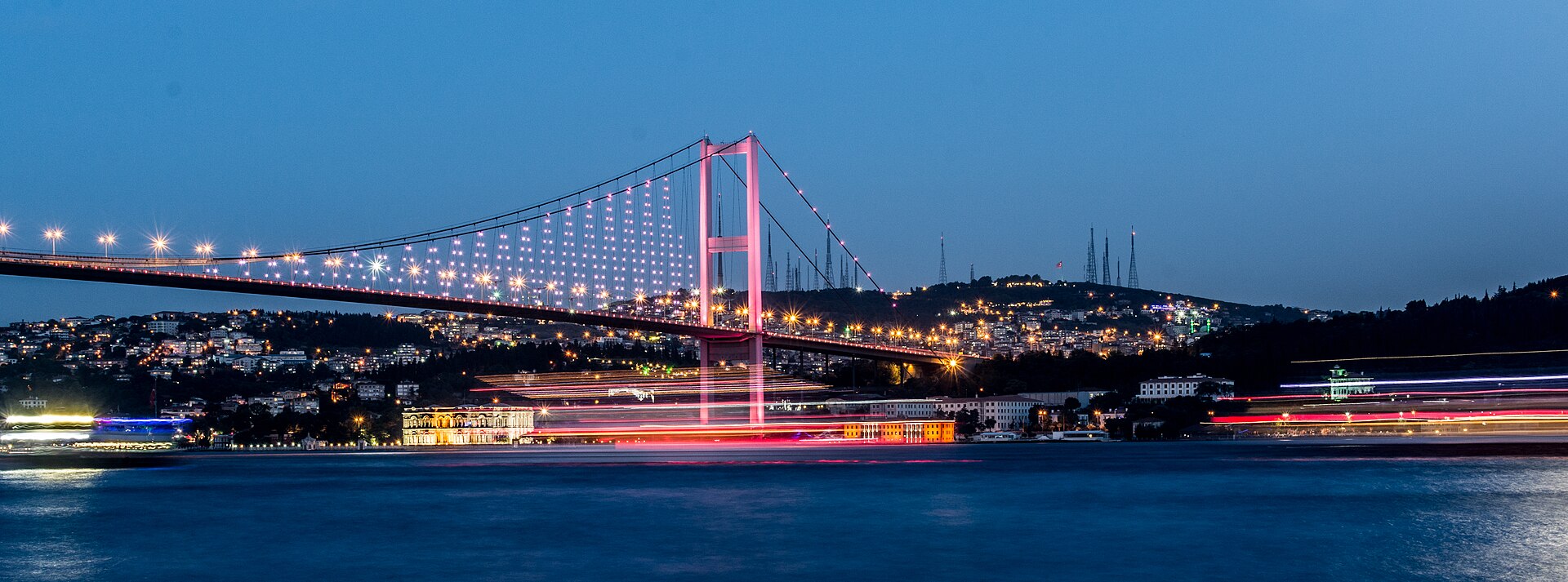
That breadth is both the point and the problem. These wars are no longer separate files: fighting involving Iran and Yemen threatens Red Sea and Gulf shipping, Ukraine's war shapes European security and energy, and the same chokepoints carry the consequences to every economy importing fuel, food or fertiliser through them.
What each capital wants from the room
Fidan stressed a diplomatic solution to the US–Iran war, freedom of navigation in both Hormuz and Bab al-Mandeb, and Turkiye's support for Saudi Arabia's security against Houthi attacks, Reuters reported from the Turkish source. That support carries a specific commitment behind it: the Makkah Joint Defence Agreement, signed by Islamabad, Ankara and Riyadh on August 7, under which an attack on one is treated as an attack on all. A defence pledge of that kind raises the cost of striking Saudi infrastructure — and raises the stakes if it is ever tested.
Britain's message, in statements reported on October 23, is about navigation. Foreign Secretary Ed Miliband is to call for a diplomatic settlement restoring, in the UK's words, “full navigational rights and freedoms”. London says Hormuz passage remains under threat and that traffic through the strait has fallen sharply compared with prewar levels. The UK has also committed RAF Typhoon aircraft to help defend Saudi airspace — a reminder that the E3 arrives in Istanbul not only as diplomats but as military contributors to Gulf defence.
Germany's position was put bluntly by Foreign Minister Johann Wadephul, as reported by The Daily Brief on October 23: Germany “will not accept Iran and the Houthi militias holding global trade hostage”. France, the third E3 member, brings the group's long nuclear-file experience with Tehran. Egypt brings the Suez and Red Sea interest — every ship diverted from Bab al-Mandeb is revenue and security risk on its own waterway. Pakistan brings both the Makkah defence link and a channel to Tehran that few others in the room can match.
Why this matters
Why this matters is the changed role of the United States. In earlier Gulf crises, Washington was usually the mediator other powers organised around. In this war, by the framing of the governments meeting in Istanbul, the United States is a belligerent, not a mediator. A belligerent can negotiate, but it cannot easily convene a neutral process, reassure the other side, or assemble a coalition whose first demand is de-escalation rather than victory.
So a parallel track is being built. Regional powers that live with the consequences — missile fire, closed shipping lanes, refugees, energy shocks — are joining European powers that bring sanctions leverage, naval assets and two decades of nuclear diplomacy with Iran. The format is an admission that the old channel is blocked, and an attempt to create facts — common positions, shared red lines, a standing group — that Washington and Tehran will eventually have to reckon with.
Oil is the meeting's real agenda-setter. With Brent crude around US$114 a barrel — the market context examined in Signal Post News coverage of Brent at $114 on Houthi and Libya supply risk — every week of threatened passage through Hormuz taxes importers worldwide. About a fifth of global oil consumption normally transits the strait in peacetime; when traffic falls sharply, as the UK says it has, prices carry a war premium that no finance minister in the room can ignore. The threat environment described in reporting on Iran's threats against Gulf airports and pipelines is the backdrop against which insurers, shippers and treasuries are all pricing risk.
What eight ministers can — and cannot — deliver
Realism is required. Eight foreign ministers, however senior, cannot sign a ceasefire for two absent parties. They cannot lift sanctions they do not control, guarantee Iran's security, or order the United States to stop a campaign. Anyone expecting a settlement document from Istanbul will be disappointed, and the participants know it.
What they can deliver is narrower but real: a joint public position on freedom of navigation that raises the diplomatic cost of closing the strait; coordinated naval and air-defence contributions, of which the RAF Typhoons for Saudi airspace are one example; a channel for messages to Tehran and Washington that both sides can use without losing face; and preparatory work — on shipping guarantees, insurance backstops and a nuclear verification path — that a eventual negotiation will need on day one.
Critics will call this diplomacy about a war, conducted next to the war. Supporters will answer that this is how most settlements begin: not with the principals in a room, but with the neighbours and partners agreeing what outcome they can collectively underwrite. The Makkah defence agreement shows at least three of the eight have already moved from statements to mutual commitments. The question is whether the E3's presence turns a regional security club into something with economic and military weight Tehran must price in.
What happens next
What happens next will be read in the communiqué and in what follows it. Watch for specific language on Hormuz — whether all eight endorse the “full navigational rights and freedoms” formula London is pressing — for any announced follow-up meeting, which would signal the format is becoming permanent, and for whether Pakistan's presence produces a visible mediation channel to Tehran in the coming days.
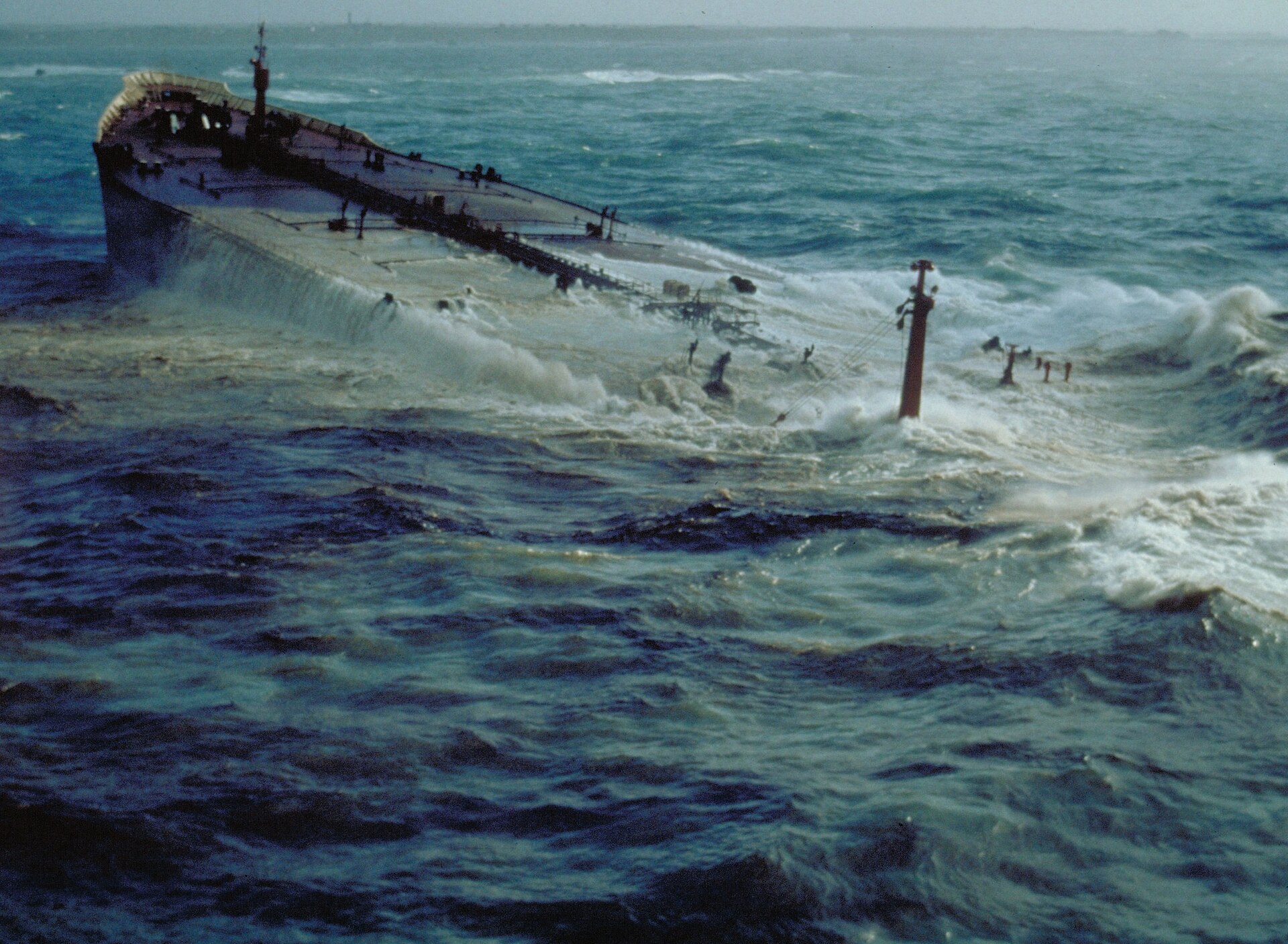
Watch the water, too. Shipping traffic through Hormuz, insurance rates for Gulf transits and the Brent price will judge this meeting more honestly than its press statements. If traffic recovers and the war premium eases from US$114, the Istanbul track will claim part of the credit. If the strait stays threatened, Friday's meeting will stand as evidence of a harder truth: that in this war, the countries with the most to lose are still building their leverage — and have not yet built enough of it to end the fighting.
Eight countries, one position: no new attack on Iran
The meeting ended with a joint public position. “We are all in agreement that a new attack on Iran would expand the war in the region,” Turkish Foreign Minister Hakan Fidan said afterwards. “A military intervention on Iran is not in any way a solution. Nobody approves this at the moment.” France’s Jean-Noël Barrot said a renewed Iran–US escalation “would create nothing but losers” and would have very serious consequences for hydrocarbon prices, adding that the group of eight countries would first call on both sides to exercise “the utmost restraint”, because “we cannot afford another escalation in the region”. Italy’s Antonio Tajani said the aim was to work for “de-escalation to guarantee freedom of navigation”, adding: “I do not believe the problem can be solved from a purely military standpoint.” The agenda as held covered the war against Iran, Houthi attacks on Saudi Arabia, Gaza, the fighting in Yemen and prospects for ending the Russia–Ukraine war, Reuters and Al Jazeera reported.
Sources: Reuters, October 22–23, 2026, via a Turkish diplomatic source — Foreign Minister Hakan Fidan hosting in Istanbul on Friday, October 23, the first R4 and R4+E3 foreign ministers' meetings; R4 comprising Turkiye, Egypt, Saudi Arabia and Pakistan, a framework that emerged in March focused on regional security and US–Iran mediation; E3 comprising the United Kingdom, France and Germany; agenda covering the Israeli-Palestinian issue, the Strait of Hormuz, Yemen, ending the Russia–Ukraine war and regional–European cooperation; Fidan stressed a diplomatic solution, freedom of navigation in Hormuz and Bab al-Mandeb, and support for Saudi security under the Makkah Joint Defence Agreement signed by Islamabad, Ankara and Riyadh on August 7. Pakistan Foreign Office curtain-raiser PR No. 303/2026, October 23, 2026 — Deputy Prime Minister and Foreign Minister Ishaq Dar attending. UK statements as reported October 23, 2026 — Foreign Secretary Ed Miliband calling for a settlement restoring “full navigational rights and freedoms”, Hormuz traffic fallen sharply versus prewar levels, RAF Typhoon aircraft committed to help defend Saudi airspace. The Daily Brief, October 23, 2026 — German Foreign Minister Johann Wadephul stating Germany “will not accept Iran and the Houthi militias holding global trade hostage”. Market context: Brent crude around US$114 a barrel as reported in Signal Post News market coverage, October 2026.