Iran Hormuz shipping tactics: Tehran has changed how it attacks ships in the strait — and, by its own officials' account, the target is not only the tankers. It is the oil price American voters see before November 3.
Iran's New Hormuz Tactics Aim at Oil Prices — and the US Midterms
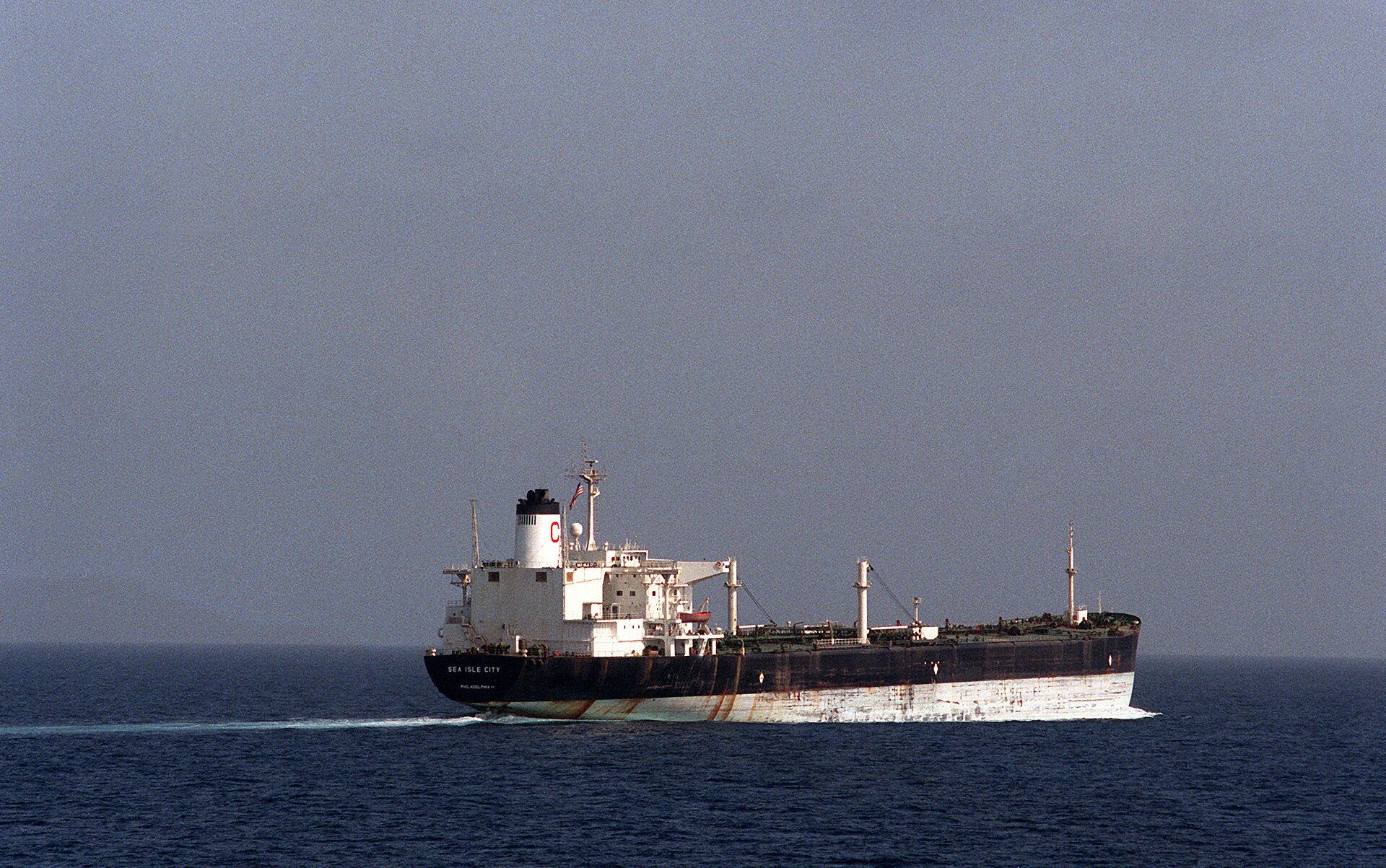
Iran has begun using different offensive tactics against vessels it considers to be in violation of its restrictions in the Strait of Hormuz, and the change has led to an increase in attacks on such ships, two senior Iranian officials told Reuters on Wednesday. The officials declined to detail the new strategy, but said it had been in use for about 10 days, that it changed both the type and the pace of attacks, and that one of its goals was to influence the outcome of the US midterm elections on November 3 — by keeping global oil prices high.
Track it live: oil price forecast and live energy data
The candour is the news. States accused of attacking shipping usually deny it. Here, two senior officials described the campaign to a wire service, named its economic target and its political one, and said the decision had been taken at the highest levels of Iran's leadership and fully coordinated across the ruling system. "The aim is to frustrate efforts by the United States and its allies to bring down global oil prices," one of the officials said. Whatever the tactics are on the water — and Tehran is deliberately not saying — the strategy around them is now stated in the open.
What the officials said — and what they would not say
The account given to Reuters is specific about intent and vague about method, and both halves matter. On intent: Iran has tried to exert control over the Strait of Hormuz since the United States and Israel launched strikes against Iran on February 28. It has restricted passage through a waterway that, before the war, carried about a fifth of the world's oil and liquefied natural gas trade. Its threats and attacks have severely curtailed traffic and driven up prices, although some oil has continued to transit. The new phase, the officials said, began about 10 days ago and is aimed at vessels Tehran considers in violation of its restrictions.
On method, the officials declined to provide details. That refusal should be reported plainly rather than filled in: no source in the Reuters account names a new weapon, a new unit or a new engagement rule, and this article does not invent one. What can be measured from outside is tempo — how many ships are being hit, where, and how often — and on that measure the last two weeks are independently documented by the maritime safety system itself.
The shipping record: six ships in a day, then two more
The United Kingdom Maritime Trade Operations centre, the Royal Navy-run reporting point for merchant shipping in the region, logged an exceptional concentration of attacks around October 11. According to gCaptain's account of the UKMTO and Joint Maritime Information Center reporting, six commercial vessels were struck on that single day: five tankers and a container ship. Five of the incidents were inside the strait; the sixth was a tanker attacked near the Sohar anchorage in Oman, in the Gulf of Oman, initially reported as suspicious activity and later upgraded to an attack. Several of the warnings were issued retrospectively, which means owners and insurers were making routing decisions for hours without knowing how many ships had already been hit.
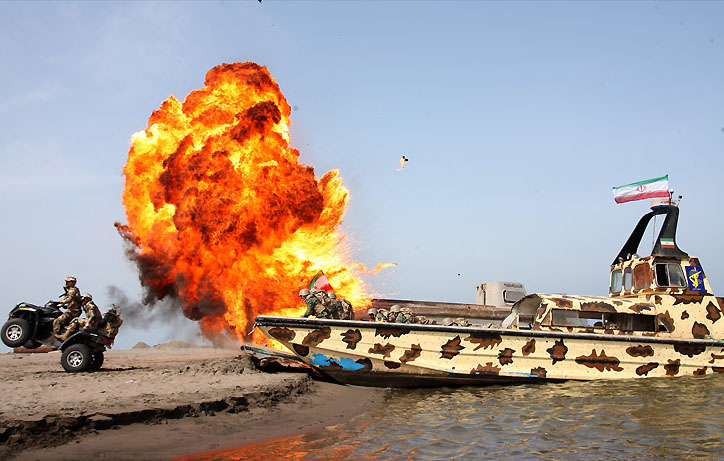
The wave did not end there. TradeWinds reported that two more commercial vessels — a container ship and a tanker — were confirmed struck by unknown projectiles in the strait on Tuesday, October 13, matching the two incidents UKMTO reported that day and that Reuters cited in its market coverage on Wednesday morning. By TradeWinds' count, the running total of ship strikes in the region since September 29 reached 26. The Joint Maritime Information Center's October 11 advisory rated the threat to shipping in the strait as severe. UKMTO's standing advice to vessels transiting the waterway is to proceed with caution and report suspicious activity without delay.
Read together, the record supports the shape of what the Iranian officials described — a change in pace that began roughly 10 days before October 14 — without confirming any particular claim about methods. It also shows the geography widening: Sohar is outside the strait, on the Omani coast, and an anchorage strike tells owners that waiting outside the chokepoint is not the same as being safe from it.
The numbers: Brent at $106 and a fifth of the world's energy
Oil markets priced the escalation on Wednesday. Reuters' market report put Brent crude futures up 63 cents, or 0.6 percent, at $106.32 a barrel by 0345 GMT on October 14, with US West Texas Intermediate up 66 cents, or 0.7 percent, at $94.80 a barrel; both contracts had risen more than a dollar earlier in the session before easing back. Those are wartime prices, and they are being set by a chokepoint problem rather than a production problem: the oil exists, in the Gulf's fields and terminals, but every barrel that leaves by sea must run a strait whose northern shore is Iran.
The structural numbers explain why Tehran's leverage is real. Before the war, about a fifth of global oil and liquefied natural gas trade moved through Hormuz. There is no maritime substitute at that scale: pipelines bypassing the strait carry a fraction of its volume, and the alternative anchorages and ship-to-ship transfer arrangements improvised during the war still depend on tankers loading inside the Gulf. When attacks rise, three costs rise with them — the crude price itself, war-risk insurance for hulls entering the Gulf, and the freight rates owners demand for accepting the risk. All three feed, eventually, into the price of fuel and goods far from the Gulf.
Why the midterms are in Tehran's calculation
The officials' second stated goal — influencing the November 3 vote — works through the first. Fuel prices are among the most visible prices in American life, posted on signs at every junction, and they are a standing measure by which voters judge an administration's handling of the cost of living. A campaign by an adversary to keep those prices elevated into an election is, in effect, an attempt to tax the incumbent party's vote share without firing at a single American target. Tehran's officials did not describe it in those words; they said the aim was to keep prices high and influence the outcome, and the mechanism between the two is the pump price.
Washington's counter-interest is symmetrical. The official quoted by Reuters framed the contest exactly that way: the United States and its allies are trying to bring global oil prices down, and Iran is trying to frustrate that effort. Every measure that keeps tankers moving — escorts, alternative loading arrangements, diplomatic pressure for restraint — is also an election-season price measure, whether or not it is described as one. With three weeks to the vote, the calendar itself has become a strategic fact: pressure applied now lands inside the campaign's final stretch, and any de-escalation agreed after November 3 arrives too late to change the prices voters remember.
Both sides' stated reasons
Iran's position, as its officials present it, is that the strait is leverage Tehran is entitled to use: passage was restricted after the February 28 strikes opened the war, the restrictions are Iran's to define, and vessels that violate them — in Tehran's judgement — are legitimate targets of enforcement. The officials presenting the new tactics described a leadership decision, coordinated across the system, which is Tehran's way of signalling that this is policy rather than the freelancing of a local commander: it can be escalated, and by the same logic it can be traded away in a negotiation.
The American and allied position, visible in the same reporting, is that freedom of navigation through an international strait is not Iran's to grant or withhold, that attacks on merchant ships are unlawful regardless of the restrictions Tehran proclaims, and that the practical task is to keep oil flowing and prices falling. The two positions are not close, and the shipping data show which one is currently setting conditions at sea. But the statements also reveal the overlap that diplomacy would have to work with: both capitals talk about the oil price as the scoreboard, which means both understand the strait, right now, as an economic instrument first and a battlefield second.
What happens next
Three clocks are now running at once. The first is the attack tempo itself: if the roughly 10-day-old pattern holds, UKMTO warnings will keep arriving in clusters, and each cluster will test whether owners keep sending ships or begin refusing Gulf loadings altogether — the point at which a risk premium becomes a genuine supply loss. The second is the market clock: Brent at $106.32 on October 14 already carries a large war premium, and traders will be watching tanker transit counts and any confirmed loss of a vessel for the move that takes it higher. The third is November 3. Tehran has tied its campaign to that date in its own officials' words, which sets up the obvious question for the morning after: whether a strategy built to influence an election continues once the election is over, becomes a bargaining chip in the stalled talks over reopening the strait, or hardens into the new normal for the world's most important energy waterway.
What is not in doubt is the direction of travel this month. A strait that carried a fifth of the world's oil and gas in peacetime is now a place where six ships can be struck in a day, where the state restricting it announces the fact to a wire service, and where the price of crude — and the politics of the country three weeks from voting — move with each new warning. The officials who spoke to Reuters wanted that linkage understood. On the evidence of the shipping record and Wednesday's oil price, it is.
Related coverage: Hormuz closed again: Iran defies Trump as ships come under attack · The Hormuz tanker attack wave, as logged by UKMTO
Sources: Reuters, gCaptain, TradeWinds.