Gwalior truck accident: fourteen devotees were killed and dozens injured in the early hours of Sunday, October 18, when a paddy-laden truck lost control on a steep, heavy-vehicle-restricted road, broke through police barricades and ploughed into pilgrims heading to the Sheetla Mata Temple in Gwalior, Madhya Pradesh, before crashing into the temple's outer wall and gate, according to Gwalior police and district officials quoted by ANI. The district collector confirmed the toll had risen to 14; Prime Minister Narendra Modi and Chief Minister Mohan Yadav announced compensation, and nine police officials face removal or suspension.
Gwalior / A restricted road, a runaway truck and a Navratri queue — the night a temple pilgrimage became a disaster
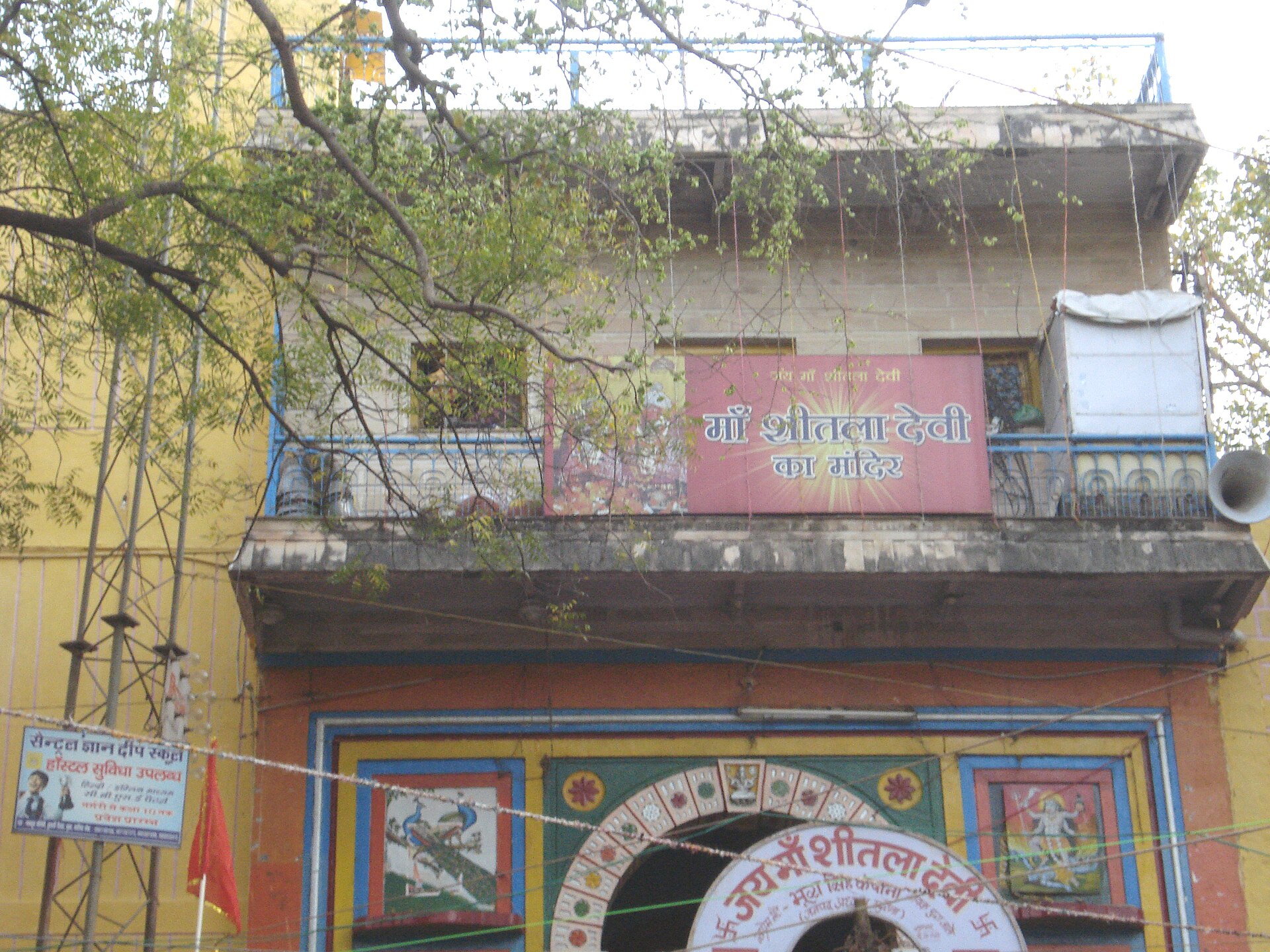
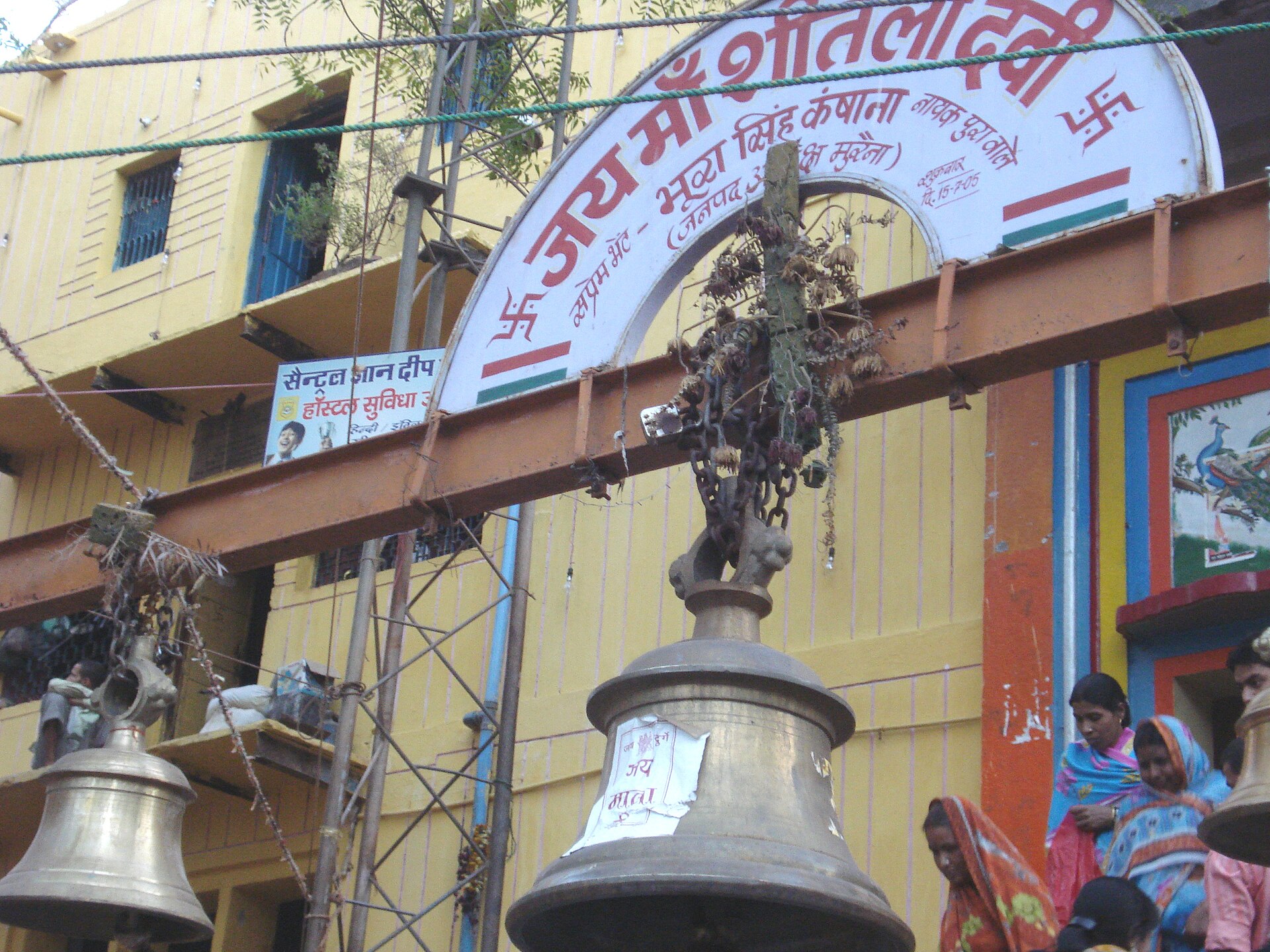
GWALIOR — The crash happened at about 1:30 a.m. on Sunday on the road approaching the Sheetla Mata Temple, as devotees travelled to the shrine in large numbers for Navratri. Gwalior Senior Superintendent of Police Dharmveer Singh told reporters that a truck loaded with paddy, travelling from the Chhinor direction, reached a steep slope on a stretch where heavy vehicles are restricted. The truck had been stopped at a police checkpoint, then broke through the barricades, lost control coming down the slope, ran over devotees on the road and crashed into the temple's outer wall and gate, in accounts carried by the news agency ANI and syndicated across Indian outlets on Sunday. Part of the wall collapsed, trapping people beneath the debris, and nearby shops were struck as the truck careered through.
The human toll climbed through the day as officials reconciled the count — a progression worth stating plainly, because early figures in Indian breaking news routinely move. SSP Singh said 39 people were taken to hospital, of whom 12 had died in the first official count, with five or six patients critically injured with fractures and the rest receiving treatment for lesser injuries; two police personnel on duty at the spot were also injured. Later on Sunday, Gwalior Collector Ruchika Chauhan confirmed the death toll had risen to 14: ten men, two women and two children under eighteen, with three to four patients still critical and several others discharged after initial treatment. Some later reports carried still higher or lower injury counts; the figures used in this article are the ones given on the record by the SSP and the Collector, and they may be revised again as hospitals update their lists.
What officials say happened on the restricted road
The detail that will dominate the investigation is already visible in the police's own account: this was not an open highway. The road from the Chhinor side has a steep gradient, heavy traffic is restricted on it, and — because it was Navratri — a stopper and a police checkpoint were physically in place. Collector Chauhan said ambulances and administration vehicles were dispatched as soon as word arrived, and that a team from the Regional Transport Office had been sent to inspect the truck mechanically to establish what failed and how it veered. "A stopper and a police checkpoint were present on that road during Navratri, so how the vehicle managed to get inside is a matter of investigation," she said. SSP Singh's account — that the truck was stopped, then broke through the barricades and "suddenly lost control" on the descent — raises the mechanical question (brakes, overload, gradient) and the enforcement question (why a loaded truck was on the slope at all, and whether the barricade was built to stop a heavy vehicle or merely to signal one) at the same time. Neither has been answered officially yet.
Modi and Yadav announce relief; nine police officials face action
Prime Minister Narendra Modi responded on Sunday in a post shared by the Prime Minister's Office on X: "Distressed to learn about the loss of lives due to a mishap in Gwalior, Madhya Pradesh. My condolences to the bereaved families. Praying for the speedy recovery of the injured." The PMO announced an ex gratia payment of ₹2 lakh from the Prime Minister's National Relief Fund for the next of kin of each person killed, and ₹50,000 for each injured person. Madhya Pradesh Chief Minister Mohan Yadav announced larger state assistance — ₹4 lakh for the family of each deceased person, ₹2 lakh for each seriously injured person and ₹50,000 for other injured people, with free treatment for all the injured — and moved against the local police leadership the same day: he directed the removal of the City Superintendent of Police and the suspension of eight other personnel — three station house officers, a traffic inspector, a head constable and three constables — pending a detailed investigation, according to Dainik Jagran's English edition. State minister Rakesh Shukla visited the injured at the trauma centre in Gwalior and said the Chief Minister was monitoring the situation personally and that action would be taken against those found responsible.
Families allege negligence and delays — carried as allegations
Against the official account, grieving families told ANI a sharply different story about the hours after the crash, and their claims are reported here as allegations that the investigation will have to test. Relatives alleged that police were slow to reach the spot, that transporting victims to hospital was delayed, and — in the most painful accounts — that families searching for missing relatives were turned away. One mother, told through a friend rather than by officials that her family member had died, asked why police would not let her daughter search: "Isn't it your duty to search for someone if they go missing?" Another family said they learned of a death hours later, at home, from a friend's phone call rather than from any official notification. Among the dead named in reporting was Pawan Rathore, 23, from Gwalior's Hazira area, who had gone to the temple to offer prayers; a relative of an injured devotee, Nikesh, described him on a ventilator with both legs fractured. Officials have not publicly responded to the specific delay allegations beyond announcing the inquiry and the suspensions.
Why this matters
This was India's second festival crowd disaster in a single weekend. On Saturday evening in Kolkata, a rain-driven crowd surge at the Chorbagan Durga Puja pandal killed 19 people — a disaster of crowd management at a fixed venue. Hours later and 1,000 kilometres away, Gwalior's disaster was the mirror image: not a crowd crushing itself, but a crowd left exposed to a vehicle on a road that authorities had already identified as dangerous enough to restrict and to checkpoint. Put together, the two nights describe the full spectrum of how festival crowds die in India — inside venues whose exits are too narrow, and outside them, on approach roads where the safety plan exists but is made of barricades a loaded truck can simply drive through. The Gwalior case is in one way the more damning of the two, precisely because the risk was foreseen: a steep slope, a heavy-vehicle restriction, a Navratri checkpoint. Foreseeable risk plus physical safeguards that failed is the anatomy of almost every major Indian crowd tragedy of the past decade, from the Hathras satsang stampede that killed more than 120 people in July 2024 to the Karur rally crush in September 2025 — different triggers, the same pattern of plans that were not engineered for the worst case.
The numbers also deserve context. Thirty-nine people taken to hospital from a single vehicle incursion is an extraordinary casualty count for a road crash — more than many multi-vehicle highway pile-ups — because a night pilgrimage concentrates people, on foot and unprotected, in exactly the corridor a runaway vehicle will use. Two of the dead were children under eighteen; two of the injured were the very police officers staffing the checkpoint. And the speed of the accountability response — a CSP removed and eight officials suspended within hours, before the RTO inspection has even reported — suggests the state government already knows the central finding the inquiry is likely to reach: that a restriction enforced by a stopper and a checkpoint, against a loaded truck on a steep descent, was never really enforcement at all. Whether the inquiry publishes its findings, and whether the mechanical inspection establishes brake failure, overloading or driver error, will decide whether Gwalior produces reform of how temple approach roads are physically protected — concrete barriers, vehicle exclusion zones set further back, gradient checks — or joins the long list of tragedies that produced suspensions, compensation and no structural change.
What happens next
Three tracks now run in parallel. The RTO's mechanical inspection of the truck will address the immediate cause — brake or steering failure, overloading, or a driver who lost the vehicle on the gradient — and the police investigation will address how the truck passed the checkpoint, including whether it was waved through, forced through, or arrived before the checkpoint was fully manned. The disciplinary process against the nine named officials will test the negligence allegations that families raised and the Chief Minister acted on within hours. And in Gwalior's hospitals, three to four patients remain critical, which means the toll of 14 confirmed by the Collector on Sunday may not be final. Navratri observances at the temple, and at thousands of shrines like it across Madhya Pradesh, continue this week — now under a question the weekend has made unavoidable: which of the roads to them are protected by barriers that can actually stop a truck?
Related coverage: Kolkata Durga Puja stampede: 19 dead at Chorbagan pandal
Sources
ANI via Daily Prabhat and Desi Talk Chicago (SSP Dharmveer Singh and Collector Ruchika Chauhan on-the-record accounts; toll progression 12 to 14; family allegations); PMO India on X (Prime Minister Modi's statement and PMNRF ex gratia); Dainik Jagran English (Chief Minister Yadav's compensation, CSP removal and eight suspensions; RTO inspection); ANI via Apna TV (Minister Rakesh Shukla's trauma-centre visit). Death and injury figures are those stated by named officials; the toll was still being reconciled at publication and may be revised.