Kolkata Durga Puja stampede: nineteen people were killed and 25 injured on Saturday evening, October 17, when a crowd surge tore through the Chorbagan Sarbojanin Durga Puja pandal in north Kolkata during heavy rain, according to the Press Trust of India and Reuters. Police have arrested seven people, including office-bearers of the organising committee, and the West Bengal government has ordered a judge-led investigation and a safety audit of pandals across the state.
Chorbagan / An award-winning pandal, a sudden downpour and a narrow exit — the festival night that ended in disaster
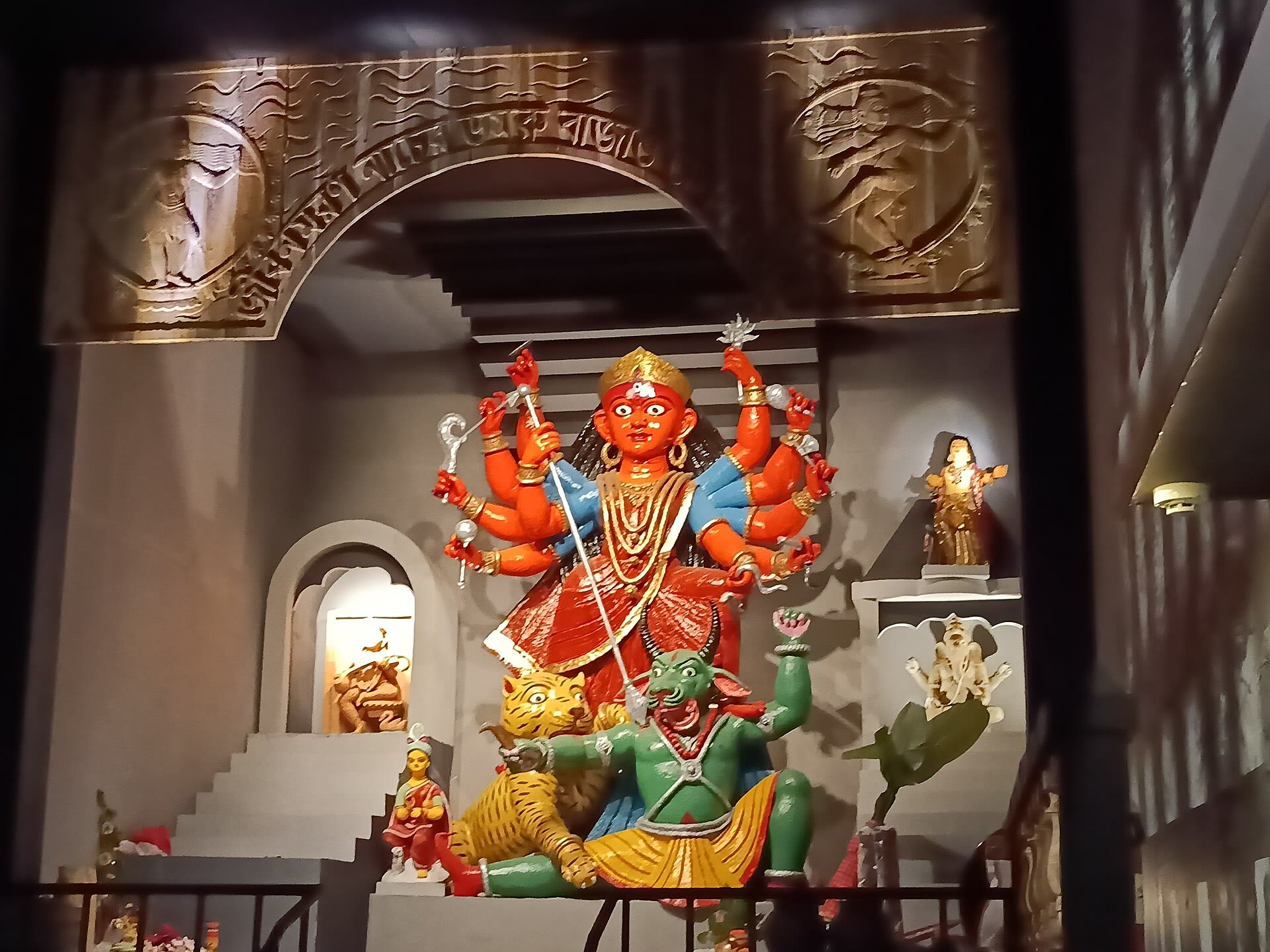
KOLKATA — The crush happened at about 7:40 p.m. on Saturday at the Chorbagan Sarbojanin Durga Puja pandal, in the Sarada Park area of Chorbagan under the Girish Park police station in north Kolkata, as heavy rain began falling on the first big evening of the festival. Police said the stampede took place at the exit gate of the pandal as visitors rushed in the downpour, in accounts carried by Reuters, which reported at least 17 people killed on Saturday night citing NDTV. By Sunday morning in India, the Press Trust of India reported the death toll had risen to 19 — a figure West Bengal Chief Minister Suvendu Adhikari then confirmed publicly ("As of now, 19 people have died, and 25 are undergoing treatment") while announcing compensation of ₹25 lakh and a government job for the family of each person killed. Twenty-five people were injured, five of them in intensive care and one in critical condition, according to the detailed account published by Dainik Jagran English.
The sequence investigators are now reconstructing is a familiar and lethal one. The pandal had a circular layout: visitors moved through a corridor and exited into narrow lanes. As the rain intensified, people outside pressed forward for shelter while people inside tried to leave; eyewitnesses cited in local reporting described entry and exit points that were extremely narrow, poor lighting, confusing announcements, and — in one report carried by The Hindu and quoted in national coverage — a resident, Sanghamitra Bhowmik, saying she had "not seen adequate police presence this year," with personnel concentrated near the VIP entrance. There were also reports of an announcement warning that the pandal might collapse, and of a section of the structure giving way under crowd pressure. Kolkata Police have been explicit that none of this is yet an established finding: the exact trigger, the wording of any announcement and its role in the rush are matters for the investigation, which is working from CCTV footage and witness statements.
Seven arrested, a judge-led probe, and a statewide safety audit
The legal response came fast. Kolkata Police arrested seven people, including Chorbagan Puja Committee secretary Raj Kumar Sewda and vice-president Santanu Dubey, the pandal's bamboo-structure builder Biplab Mukherjee, crowd-management personnel Koushik Saha and Pintu Dey, and private security staff Suman Chakraborty and Rajesh Pal, according to Dainik Jagran English. Police initially detained 14 people for questioning — some Sunday reports put the number detained at 12 — and registered a case at Girish Park police station under provisions of the Bharatiya Nyaya Sanhita including culpable homicide not amounting to murder. An arrest is not a finding of guilt; the responsibility of each accused will be tested in court. Separately, the state government announced an investigation led by a sitting judge of the Calcutta High Court, assisted by the Criminal Investigation Department, the Special Task Force and other departments, with the chief minister saying the findings will be made public. Police also imposed restrictions under Section 163 of the Bharatiya Nagarik Suraksha Sanhita around the site from October 18 to October 20, and the government ordered a safety audit of Durga Puja pandals across West Bengal, directing organisers to re-examine crowd control and emergency arrangements with police before the festival's biggest nights.
The compensation package underlines the scale of the state's exposure: ₹25 lakh (about $30,000) and a Group D government job for one eligible member of each bereaved family, ₹5 lakh for each injured person, and treatment costs covered by the government. Prime Minister Narendra Modi expressed condolences and, in figures reported alongside the state announcement, ex gratia of ₹2 lakh for the family of each person killed and ₹50,000 for each injured person. Union Home Minister Amit Shah visited injured survivors at a Kolkata hospital on Sunday morning, accompanied by the chief minister, and cancelled his scheduled visits to Durga Puja pandals. The pandal itself has been closed to visitors.
Why this matters
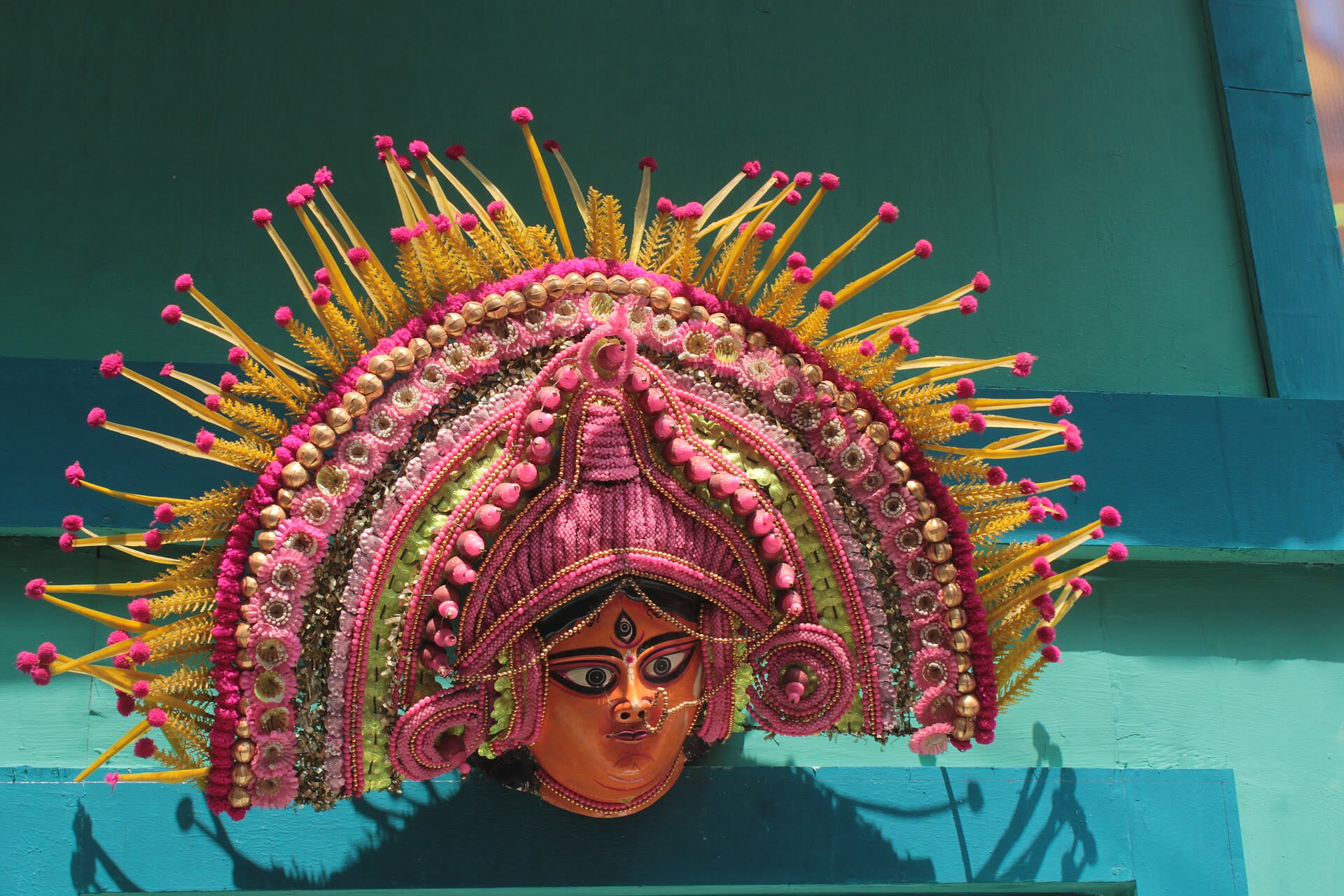
Start with the arithmetic of the festival itself, because it is the context that makes Chorbagan more than a local accident. Kolkata's Durga Puja runs to more than 2,300 large temporary installations — some counts put the city's pandals above 3,000 — and draws crowds measured in the tens of millions of visits across five days, with individual star pandals receiving a quarter of a million people a day. The festival economy was estimated at ₹65,000 crore in 2025. UNESCO inscribed the Puja on its Representative List of the Intangible Cultural Heritage of Humanity in 2021, formally recognising what Kolkatans have always known: this is the world's largest open-air art festival, and it is run, overwhelmingly, not by a single professional events industry but by thousands of neighbourhood committees of volunteers working with bamboo, cloth, plywood and string lights on some of the oldest, narrowest street plans in India.
That structure is the festival's glory and its structural risk. A neighbourhood committee can win a state award for artistry — Chorbagan had reportedly received the West Bengal government's 'Devi Durga Samman 2026' in the 'Best of Best' category two days before the stampede — without anyone having certified that its exit could empty the venue in the rain at the rate the crowd was arriving. Crowd science is unforgiving on this point: disasters like Saturday's are rarely caused by panic in the abstract. They are caused by density — when a crowd exceeds roughly four to five people per square metre, pressure waves move through it that no individual can resist, and a single bottleneck, a fallen person, a rumour or, as may have happened here, an announcement misheard in the rain is enough. The question the judge-led inquiry will have to answer is not why people ran. It is why a venue expecting tens of thousands was designed so that running was fatal.
India has answered versions of that question before, and the pattern is the second reason this matters. The country suffered one of the world's deadliest crowd disasters at the Hathras religious gathering in July 2024, where more than 120 people died, and a stampede at a political rally in Karur, Tamil Nadu, in September 2025 that killed around 40. Each produced the same liturgy: arrests of organisers, compensation announcements, a judicial inquiry, and safety guidelines that the next festival season was supposed to enforce. Chorbagan will now test whether the guidelines written after those disasters ever reached the level of a neighbourhood puja committee's bamboo gate — and whether a statewide safety audit ordered after 19 deaths, in the middle of the festival it is meant to protect, can actually be carried out before Ashtami and Navami bring the season's largest crowds on Monday and Tuesday.
The politics around the pandal
West Bengal's politics were inside the story within hours, and the article would be incomplete without stating plainly what is claimed and what is established. The Trinamool Congress has alleged links between the organising committee and people associated with the ruling BJP and demanded accountability; those are political allegations, not findings, and the investigation has established no such responsibility. What is established is the institutional triangle now under scrutiny: the committee that built and ran the venue, the private security and crowd-management contractors named in the arrests, and the police deployment that residents say was thin at the public entrances. The presence of the Union home minister at the hospital on Sunday, and the chief minister's decision to put a sitting High Court judge over the inquiry and publish its findings, both signal that neither government intends to let the other own the narrative — which, handled well, is also the best available guarantee that the inquiry's evidence, from CCTV to the pandal's permission file, actually surfaces. The deeper governance question predates both parties: West Bengal's governments have competed for years to celebrate, fund and award the Puja, as our coverage of the state's politics around Chief Minister-level Durga Puja politics in Kolkata has tracked; Saturday asks what that embrace was worth if it never included enforceable crowd engineering.
Rain, the monsoon, and the night the weather turned
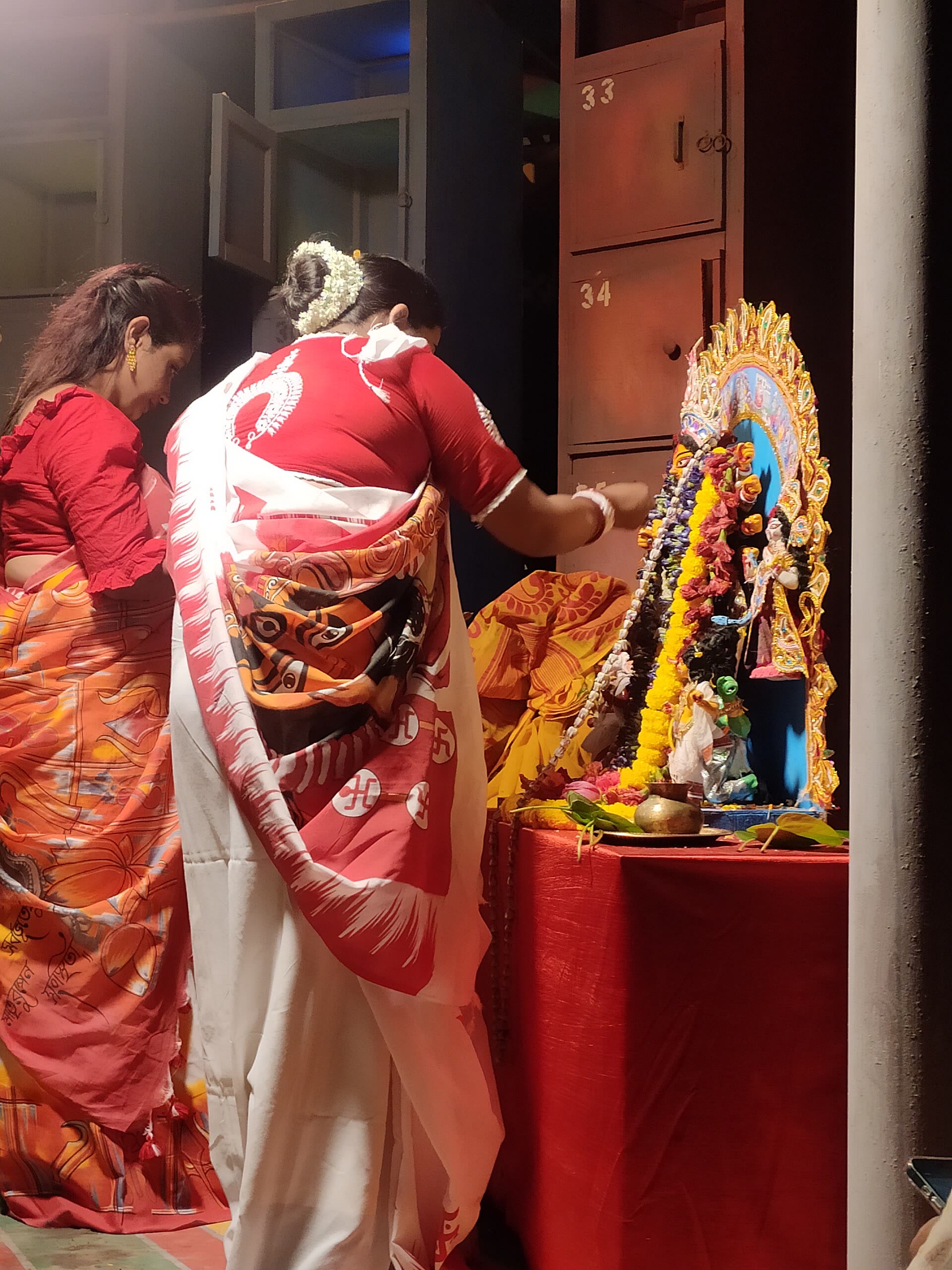
The weather is the third actor in this story, and it should be reported precisely rather than theatrically. Saturday's downpour arrived on a festival evening in a state still living with the consequences of an erratic monsoon — the season India has just recorded as its weakest since 2015, as detailed in our report on the 2026 monsoon, which has made intense, localised bursts of rain on otherwise dry days a recurring feature rather than an exception. Rain changes crowd physics in ways organisers are expected to plan for: it compresses a crowd that was spread across streets into the covered fraction of a venue, it sends movement in both directions through the same gate at once — in for shelter, out for home — and it makes bamboo, mud and polished stone treacherous underfoot. Whether Chorbagan's permission conditions required a rain plan, and whether one existed, are among the most concrete questions the inquiry can answer, because unlike blame for a rumour or an announcement, a missing rain plan is a document that either exists or does not.
What happens next
The festival does not stop: Durga Puja continues through Dashami on Wednesday, with Ashtami on Monday and Navami on Tuesday historically drawing the largest crowds of the season, including at north Kolkata's other famous Sarbojanin pandals a short walk from Chorbagan. The statewide safety audit ordered on Sunday will therefore be racing the calendar, and its first visible test is whether Kolkata Police publish and enforce concrete measures — separated entry and exit, capped density, one-way lanes, suspended VIP movement at peak hours — at the remaining big venues rather than only at the one that has already closed. In parallel, watch the inquiry's early handling of the CCTV record and the seven arrests: whether the case stays at the level of committee office-bearers and contractors, or reaches the officials who permitted the layout. Watch, too, the hospitals: five of the injured were in intensive care on Sunday, one critical, which means the toll of 19 may not be final. And watch whether the 'Best of Best' award system survives the week unchanged — because a state that decorates a pandal on Thursday and buries its visitors on Sunday has, at minimum, an award criteria problem. For the 19 families, none of that is the story. The story is that they went out on the happiest night of the Kolkata year, in the rain, to see the goddess — and the crowd that makes the festival miraculous became, at one narrow gate in Chorbagan, the thing that killed them. This article will be updated as the inquiry and the hospitals report.
Sources: Reuters (at least 17 killed at a religious festival in north Kolkata, citing NDTV, Oct 17); Press Trust of India via Inshorts (toll rises to 19; Chief Minister Suvendu Adhikari's ₹25 lakh compensation and government job announcement, Oct 18); Dainik Jagran English (19 dead, 25 injured, five in intensive care, seven arrests with names and roles, judge-led probe, Section 163 restrictions, Devi Durga Samman award, Trinamool Congress allegations carried as allegations, Oct 18); India Today via News89 (12 detained, Special Investigation Team, statewide pandal safety audit, Oct 18); The Hindu eyewitness reporting quoted in national coverage; UNESCO (Durga Puja in Kolkata inscribed on the Intangible Cultural Heritage list, 2021); festival scale and economy figures from published Durga Puja industry estimates.