GoFundMe pulls $745K fundraiser
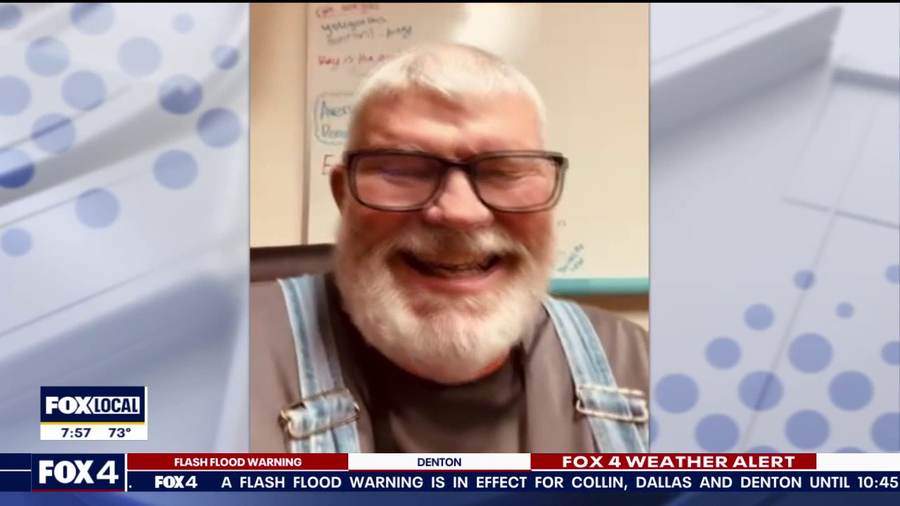
GoFundMe pulls $745K fundraiser is the bluntest summary of a dispute that began with a moving doorstep video and ended with every donor being refunded. The company removed the viral “Help Don Retire” campaign after its Trust & Safety team said the organizer admitted that the supposed neighbor behind it was actually Amy Johnson, daughter of beneficiaries Donald “Don” Johnson and his wife, Josephine.
GoFundMe's finding was specific: the organizer's identity and relationship to the couple had been misrepresented. The platform did not say that Josephine's pancreatic-cancer diagnosis, Don's luggage-delivery work or the family's financial pressure had been fabricated. Amy maintains those underlying facts are true. That distinction matters, but it does not erase the identity claim on which donors were asked to trust the campaign.
Who is Don Johnson, the Texas luggage courier?
Don Johnson, 81, lives in The Colony, a suburb north of Dallas. For roughly three years he has worked as a freelance courier returning airline luggage that was delayed or sent to the wrong destination. Family and local-news accounts say he has driven more than 200,000 miles doing the job, at times working 14-hour days and carrying heavy bags up stairs.
Johnson said he continued because it was the only work he could find while trying to meet household and medical costs. His wife of 57 years, Josephine Johnson, has pancreatic cancer. The original campaign framed retirement not as leisure but as a way for him to stop physically demanding work and spend more time caring for her.
How the Help Don Retire GoFundMe went viral
The campaign launched Sept. 2 after doorbell-camera footage appeared to show Johnson laboring up a steep flight of steps with misrouted luggage. A TikTok account, @HelpDonRetire, helped turn the clip into a national story. The fundraiser identified its organizer as “Erin H,” widely presented as Erin Howell, a neighbor moved to act after watching the 81-year-old luggage deliverer bring a suitcase to her door.
That stranger-witness framing was central to the appeal. The story did not merely ask people to believe the family; it offered what looked like independent validation from a neighbor who had unexpectedly encountered Johnson. Media interviews and large donations accelerated the campaign. One captured snapshot showed more than $671,000 from over 12,000 donors — about $56 per gift — while later reporting put the total near $745,000 before removal.
The Sept. 25 tip and recorded Trust & Safety call
GoFundMe said it received a tip on Sept. 25 questioning who operated the page. Its Trust & Safety team investigated and spoke with the organizer on a recorded call. According to the company's account, the woman acknowledged that Don and Josephine were her parents and that the “Erin” neighbor persona was not her real identity.
The platform also said Amy acknowledged filming the viral video. Amy's later public account differed: she said the doorbell video and neighbor encounter were real and that a neighbor who wanted anonymity supplied the footage. Those accounts cannot both fully describe how the video originated. What is confirmed is that GoFundMe treated the false organizer identity and concealed family relationship as factual misrepresentations under its rules.
Why GoFundMe refunded donors
GoFundMe said authenticity and transparency are required by its terms and by payment processors. Its policies prohibit fundraising that is fraudulent, misleading, inaccurate or dishonest. Under the GoFundMe Giving Guarantee, the company said all donations would be returned because the fundraiser failed that standard.
That enforcement does not require a finding that every claimed hardship was false. Crowdfunding platforms ask donors to evaluate a package of facts: who is organizing, how that person knows the beneficiary, where the money is supposed to go and why the appeal deserves confidence. A material falsehood in one part can invalidate consent to the whole transaction, even when other parts may be genuine.
Amy Johnson relaunches on GiveSendGo
After the removal, Amy Johnson created a GiveSendGo fundraiser under her own name and wrote plainly, “Don is my dad. Josephine is my mom.” She reiterated that the diagnosis, work, need and doorbell footage were real, and said the GoFundMe dispute arose after a name change on an account she already controlled. GoFundMe's account is different: it says she admitted adopting the neighbor persona because the story might connect more strongly if told by a stranger.
The GiveSendGo relaunch gives prospective donors information the first appeal withheld: the organizer is the couple's daughter. Whether people decide to give again is now a choice made with that relationship disclosed. The new campaign does not reverse GoFundMe refunds, and it does not settle the conflicting accounts about the video's source.
Why this matters: the trust economics of crowdfunding
Crowdfunding converts emotion into money at extraordinary speed. Platforms reduce friction, social video supplies a vivid protagonist, and a recommendation from an apparently disinterested stranger creates what might be called the stranger effect: viewers often treat help offered by someone with no family stake as stronger evidence that a need is authentic.
That is why the organizer's identity was not a technical footnote. Donors were responding to two stories at once — an elderly husband working through hardship and a neighbor who happened to witness it and stepped in. Removing the second story changes the psychology of the appeal. It also changes the risk calculation, because family organizers have an obvious relationship and interest that donors deserve to know.
The case creates an enforcement precedent with uncomfortable edges. Families under severe pressure may believe that packaging a true need for maximum reach is harmless advocacy. Platforms, however, depend on standardized disclosure rules because they cannot adjudicate good intentions campaign by campaign. Allowing a fabricated narrator whenever the beneficiary's need seems sympathetic would make identity rules nearly impossible to enforce and would weaken confidence in every legitimate appeal.
Family pressure versus donors' informed consent
Josephine's illness and Don's age make the family's pressure easy to understand. But empathy and informed consent are not substitutes for one another. Donors can choose to support relatives fundraising for relatives; they cannot make that choice if the relationship is hidden. The ethical failure alleged by GoFundMe lies in altering the lens through which donors evaluated the same underlying need.
There is also a reputational cost beyond this campaign. Each viral fundraising controversy makes potential donors more skeptical of future families whose stories are fully accurate. Strong enforcement can feel harsh in an individual case, yet the alternative transfers the cost of deception to everyone else seeking help.
What happens next
GoFundMe says the original donors are protected by full refunds. Some may decide to donate again through Amy's disclosed GiveSendGo page; others may not. The family can publish documentation and updates through that campaign, while donors can reassess the request with the organizer's identity clear from the start.
The broader test is whether crowdfunding platforms can preserve the emotional immediacy that makes mutual aid effective without rewarding stories sharpened past the truth. In this case, the money moved fast, the correction came only after a tip, and the refund process became the final safeguard. The next viral appeal will rely on the credibility that safeguard is meant to protect.