A 3-2 State Election Board vote has escalated Georgia's fight over machine-readable ballot codes into a request for federal intervention. The legal claim is contested, the requested transition would take months, and Georgia voters are still using the same system.
ATLANTA — Georgia voting machines illegal? That is the question the Republican-controlled State Election Board put before the U.S. Justice Department after a 3-2 vote on September 28. Two days later, executive director James Mills wrote Attorney General Todd Blanche asking the department to prohibit Georgia's QR-code-based tabulation and require a different paper-ballot system within six months. It is a formal request, not a federal ruling, a court order or an immediate change in election procedure.
The dispute arrives at the least forgiving moment on the election calendar. Early in-person voting begins October 13, and the midterm election is roughly a month away. Election administrators and outside experts say Georgia cannot replace a statewide voting system, retrain workers, reprogram ballot styles and test thousands of devices in that window. For now, voters should expect to cast ballots the same way they did before the board acted.
What the Georgia election board asked DOJ to do
The September 28 resolution was introduced by Republican appointee Carolyn Roddy and passed over chairman John Fervier's objection. Vice Chair Janelle King and member Salleigh Grubbs joined Roddy in the majority. The resolution directed Mills to seek federal action against Dominion Democracy Suite 5.5-A, the platform deployed statewide for the 2020 election and now associated with Liberty Vote USA after Dominion's sale.
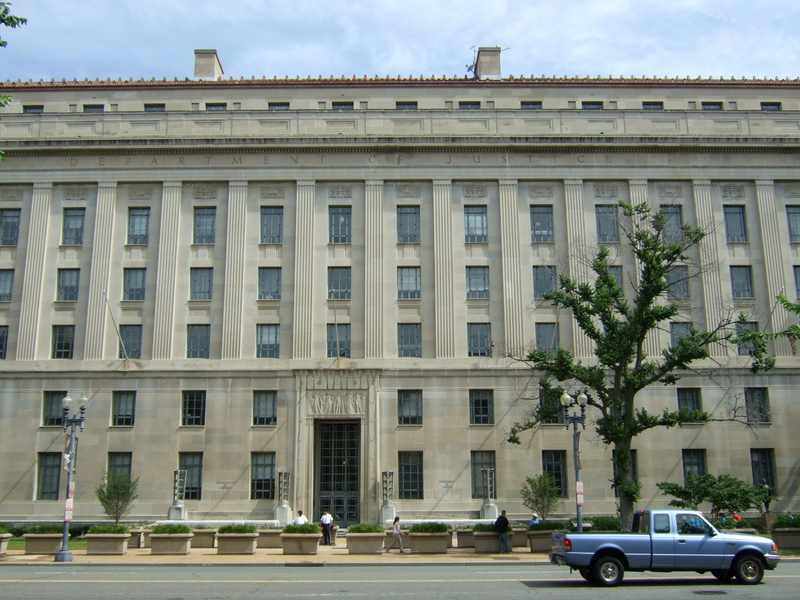
In his September 30 letter, Mills asked Blanche to treat what he called “unreadable, unverifiable QR-code-based vote tabulation” as unlawful under the federal Help America Vote Act. The letter copied Assistant Attorney General Harmeet Dhillon and Homeland Security Secretary Markwayne Mullin. It also requested a binding six-month deadline for a transition to voter-verifiable, hand-auditable paper records.
The Democracy Docket report describes the requested prohibition and six-month phaseout. Election Law Blog highlighted the timing and quoted the Atlanta Journal-Constitution's account of the letters. The AJC said it obtained the correspondence; the Georgia Recorder separately published the September 30 letter. Those reports describe what Mills asked the administration to do, not a decision that DOJ has already made.
James Mills election board letter goes beyond the machines
The request is broader than a technical argument over ballot codes. Mills also asked DOJ to investigate Secretary of State Brad Raffensperger's office over allegations that it withheld election records, blocked review of them and altered original records. The letter further challenged the sharing of motor-vehicle and voter-registration data with private organizations, including the Electronic Registration Information Center and the Center for Election Innovation and Research.
Those are allegations from the board's executive director; they have not been established in a judicial finding described in the reporting reviewed for this article. Raffensperger's office administers Georgia elections, while the State Election Board writes rules and investigates complaints. That divided authority has produced repeated institutional conflict over access, oversight and who has the final word.
Mills additionally sought a court-backed order requiring forensic backups of election-management servers and scanner hard drives before certified software updates are installed. After preservation, he wants a later version certified by the U.S. Election Assistance Commission installed with independent verification. The request therefore combines three distinct tracks: a legal ruling on QR-code tabulation, an investigation into record handling and a preservation-and-upgrade order for election hardware.

How the Dominion QR code ballot works
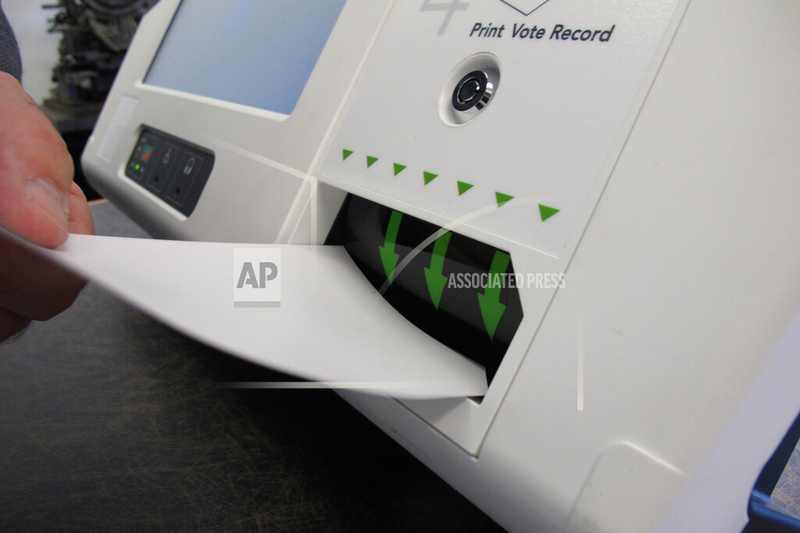
A Georgia voter makes selections on a touchscreen ballot-marking device. The machine prints a paper ballot containing a human-readable list of the voter's choices and a QR code. The voter can review the printed names, but the optical scanner tabulates the encoded QR code rather than reading the human-readable text.
Mills' legal theory is that voters cannot personally verify the data the scanner counts because a person cannot read the code. He argues that this disconnect violates both Georgia law and the voter-verification requirements of the Help America Vote Act, commonly called HAVA.
The counterargument starts with certification and the physical record. The U.S. Election Assistance Commission certified the voting-system configuration, and Georgia retains printed ballots for audits and recounts. Defenders of the current system say voters verify the human-readable summary, while testing, certification, audits and chain-of-custody procedures verify the system around it. Critics respond that an audit is not the same thing as each voter confirming the exact data scanned on Election Day.
QR code ballot HAVA dispute is not new
Georgia chose the ballot-marking-device model in 2019 and rolled it out statewide for the 2020 election, replacing older paperless touchscreen machines. The QR-code controversy has followed the system from the start. Computer-security specialists and election-integrity advocates have long favored hand-marked paper ballots for most voters, arguing that a machine-generated summary can be overlooked or misread. State officials have emphasized accessibility, uniformity and the paper trail.
The 2020 presidential election and the January 2021 Senate runoffs turned a design debate into a political fault line. Recounts, audits and litigation put Georgia's election machinery under national scrutiny, while former President Donald Trump's pressure campaign fractured relationships inside the state's Republican establishment. Raffensperger defended the certified result; board members and activists continued to press for records and rule changes. The current Brad Raffensperger election board feud grows directly from that unresolved struggle over trust and authority.
Why this matters before the midterms
The immediate stakes are operational. Georgia early voting October 13 leaves less than two weeks between the letter and the first in-person ballots. Even if DOJ agreed with Mills' legal analysis, replacing equipment or changing the counting method would require procurement, programming, logic-and-accuracy testing, poll-worker training, public instructions and contingency plans across 159 counties. A rushed conversion could create the very confusion and litigation the request is meant to prevent.
The broader stakes are national. If DOJ endorsed the claim that a voter-unreadable code violates HAVA, jurisdictions using similar ballot-marking systems could face new legal challenges. If the department rejects it, activists may move the argument into court and ask judges to define what “verified” means when the voter reviews text but the scanner reads code.
The timing also intersects with other voting fights. The Pentagon's new military voting stand-down, disputes over an overseas voting form, and shifting governor-race ratings are all placing election administration under heightened partisan pressure.
Who benefits, who loses
Supporters of the board's move gain a federal forum for a complaint they have pursued for years. A DOJ investigation could unlock records, create leverage over software upgrades and strengthen their demand for hand-auditable ballots. Liberty Vote and state administrators, by contrast, face uncertainty around equipment that counties have already purchased, trained on and tested.
Voters could benefit from a clearer link between the mark they inspect and the vote the scanner counts. But voters also bear the cost of disruption if a system is changed too quickly. County election offices would absorb the largest practical burden: new supplies, staffing, testing and public education while they are already preparing for heavy midterm turnout.
Politically, the board majority can show skeptical voters it pressed Washington for action. Raffensperger can argue that he is defending an established, certified system against a late intervention. Neither position resolves the central technical question by itself, and neither should be treated as proof that a ballot was counted incorrectly.
What happens next
Scenario one: DOJ agrees and seeks rapid relief
The department could endorse the board's HAVA interpretation, open the requested investigation or pursue litigation. Even then, the six-month deadline would extend beyond the immediate midterm calendar. Any attempt to halt the system before October 13 would almost certainly trigger emergency court proceedings over voter access, state authority and the feasibility of replacement.
Scenario two: DOJ investigates but does not ban the system
Federal officials could examine record-handling claims or preservation requests without deciding that QR-code tabulation itself is unlawful. That narrower path would separate alleged administrative conduct from the certified technology and could allow forensic copies or software reviews while voting continues.
Scenario three: DOJ declines and the fight moves to court
If the department rejects or does not act on the request, board members or allied plaintiffs could seek relief in state or federal court. They would need to establish standing, identify a cause of action and persuade a judge that the voter-verification theory justifies intervention. The state would likely answer with certification records, audit procedures and the severe practical harm of changing systems during an election.
Scenario four: the six-month proposal becomes a post-election policy fight
The most practical outcome may be no immediate machine change, followed by a legislative, procurement or regulatory debate after the midterms. A six-month transition is still aggressive for a statewide system, but it gives officials time to compare hand-marked ballots, redesigned ballot-marking devices, scanner configurations and audit rules. The Liberty Vote Dominion ownership change may add commercial questions, yet certification and state contracts—not branding alone—control what counties may use.
The bottom line
The Georgia State Election Board has escalated a longstanding technology dispute, but it has not made the machines illegal. Mills asked the federal government to do that. Until DOJ, a court or Georgia's election administrators take a legally operative step, the current system remains in place and the October 13 early-voting schedule stands.
Voters should distinguish the claims in the James Mills election board letter from findings that have been tested in court. The next meaningful signals will be a formal DOJ response, any docketed lawsuit, an order to preserve equipment or records, and guidance from the Secretary of State to counties. Anything short of those is political pressure, not a change in how a ballot is cast or counted.
Sources and documents
- Democracy Docket: Georgia election board asks DOJ to declare voting machines illegal
- Election Law Blog: Georgia board asks administration to investigate voting machines
- U.S. Election Assistance Commission: Help America Vote Act overview
- Atlanta Journal-Constitution, “Georgia election board asks Trump administration to probe voting machines,” October 1, 2026.
- Georgia Recorder publication of the September 30 James Mills letter.