Florida school bus crash
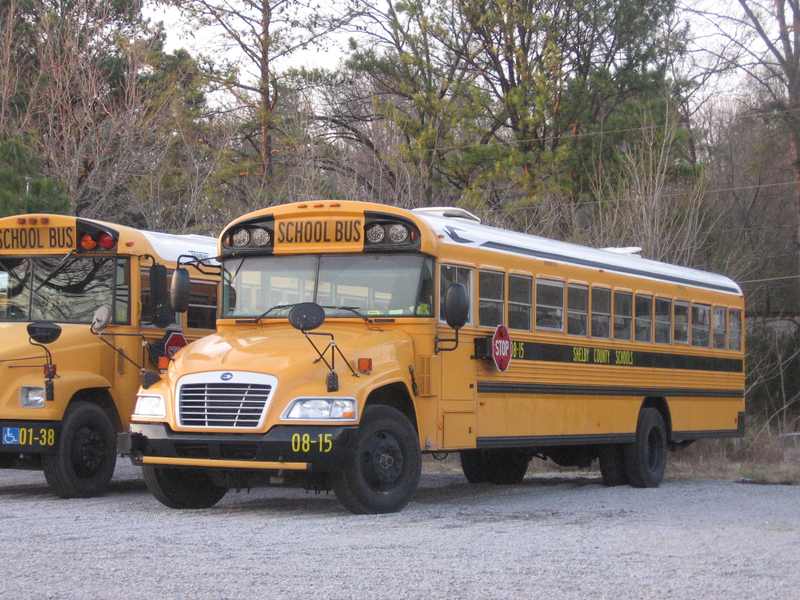
The Florida school bus crash unfolded at about 6:15 a.m. Monday on Lucerne Park Road, west of Jacaranda Avenue in Winter Haven. A westbound white Chevrolet Malibu crossed the double-yellow center line and struck an eastbound Winter Haven High School bus near its rear wheels, according to Sheriff Grady Judd's account. The blow ripped a tire from Bus 1819. The bus lost traction, entered the westbound lane, collided head-on with a silver Jeep and overturned onto its roof in a roadside ditch.
A 10th-grade girl aboard the bus and the Jeep's driver were killed. Authorities had not publicly identified either person Monday, and there is no public interest served by guessing. Judd described the student only as a “beautiful girl,” words that convey a community's grief without substituting a name before a family is ready.
The Jeep caught fire; the school bus did not. There were 39 people aboard the bus—37 students, the driver and the driver's 9-year-old daughter. Roughly 26 students were transported to hospitals, with five to seven treated as trauma alerts and one patient still reported in critical condition as of 10 a.m. The scale was immediate: more than 100 first responders and at least six medical helicopters were involved, while a nearby church became a reunification point for families.
Why this matters
The ordinary school run became a regional emergency
About 25 million children ride school buses in the United States on a typical school day. That scale makes the yellow bus one of the most familiar pieces of public infrastructure in American life—and makes a 6:15 a.m. crash uniquely unsettling. Students are traveling in darkness or first light, parents are often still at home, and emergency contacts must work across a scattered school community before the first bell.
This was not a single point of impact with a simple aftermath. It was a sequence. A center-line crossing on a two-lane road hit a vulnerable point near the bus's rear wheels. The loss of a tire disrupted a much heavier vehicle's path. The bus then crossed into opposing traffic, struck the Jeep and rolled. Investigators will have to determine which injuries came from the initial side impact, the head-on collision and the rollover, rather than treating the event as one undifferentiated crash.
Judd called it “the most horrific bus tragedy we've had in decades.” That is not merely an emotional flourish. It signals how rarely Polk County's school transportation system confronts deaths on this scale and why the review will extend beyond assigning fault to one driver. Road design, lighting, vehicle condition, emergency response and district procedures all become legitimate questions.
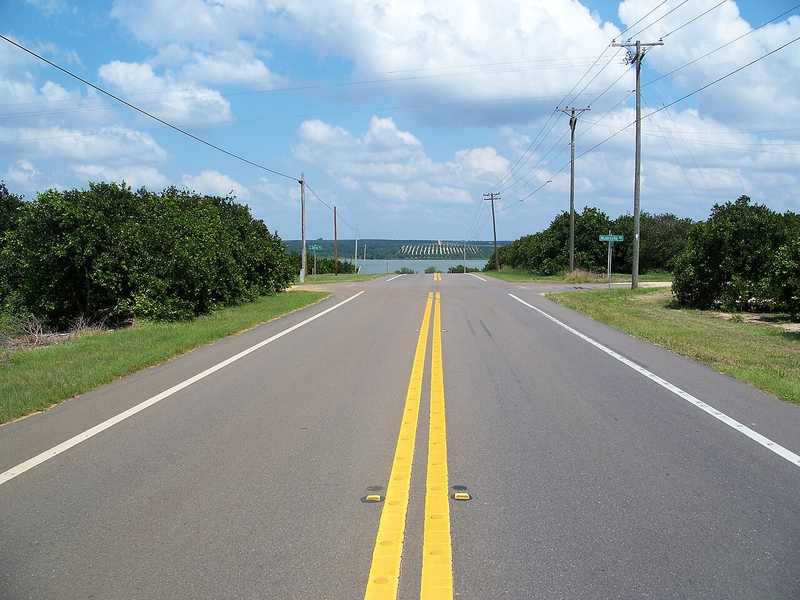
How the collision unfolded
The available timeline begins shortly after the Winter Haven High School route was underway. Bus 1819 was traveling east on Lucerne Park Road, roughly a mile and a half west of U.S. 27. The Malibu was heading west. For a reason not yet established publicly, the Malibu crossed the double-yellow line.
The Malibu did not strike the bus head-on. It hit near the rear wheels, an important distinction because Judd said the collision tore off a tire and caused the bus to lose traction. The bus moved across the westbound lane and into the Jeep's path. The resulting frontal collision sent the bus off the roadway and onto its roof in the ditch while the Jeep burned.
The Associated Press account and USA Today's national report both describe the same core chain of events. The Ledger's local reporting adds how patients moved through the response: 22 students continued to hospitals aboard another school bus, three were flown, seven went by ambulance, the driver and her daughter were taken by ambulance, and four students left with family. Those categories describe transport pathways and can overlap with broader early counts; they should not be mechanically added into a new casualty total.
Florida Today reported four vehicles were involved. Public accounts were not yet consistent about the number of occupants in the Jeep or the role of a possible fourth vehicle. Until investigators publish a complete diagram and occupant list, any additional Jeep occupants should be treated as unconfirmed.
What 26 hospital transports mean
The phrase “26 students transported” can sound like one statistic. Operationally, it means multiple hospitals, repeated triage decisions, family notifications and school personnel dispatched across central Florida. AdventHealth Heart of Florida received 10 pediatric patients and said all 10 had been discharged to parents. Other patients were taken to Lakeland Regional Health Medical Center, Winter Haven Hospital and Arnold Palmer Children's Hospital.
A trauma alert does not by itself predict the final outcome. It is a system for rapidly mobilizing higher-level care when the mechanism of injury or a patient's condition raises concern. A rollover involving an occupied school bus appropriately produces conservative triage, even for students who are ultimately treated and released.
National Highway Traffic Safety Administration data typically record roughly 100 to 140 deaths a year in school-bus-related traffic crashes, depending on the reporting year. Most of those killed are occupants of other vehicles or people outside the bus; school-bus occupants are a minority. That broader safety record matters, but it offers little comfort in Winter Haven. Rare events are still catastrophic for the families inside them.
Seat belts, compartmentalization and evacuation
Large school buses have traditionally relied on “compartmentalization”: closely spaced, energy-absorbing high-backed seats designed to protect children in common crash types. Seat-belt equipment varies by bus model, age and jurisdiction. Officials had not publicly established Monday whether Bus 1819 was equipped with belts, whether they were in use or how individual seating positions affected injuries. Those facts should be documented rather than presumed.
Superintendent Frederick Heid pointed to school-bus evacuation drills as part of the district's preparation. Those drills matter most when the normal exit becomes inaccessible, as it can in a rollover. Investigators should establish which exits were used, how quickly students got out, whether adults or students led the evacuation and whether the response identified equipment or training gaps.
The district's obligation now is twofold: preserve evidence for investigators and care for a school population that has lost a student. That means counseling, clear updates to families, accommodations for students who rode the bus and restraint about releasing identifying details before next of kin and classmates are supported.
The Malibu driver's legal position
The Malibu driver was on the way to work, was hospitalized and was cooperating with investigators, Judd said. No charges had been announced Monday. That distinction matters. A center-line crossing is the central fact in the preliminary narrative, but it does not by itself establish why the crossing occurred or which criminal statute, if any, applies.
Investigators will examine possible impairment, distraction, fatigue, speed, a medical emergency, mechanical failure and roadway conditions. Toxicology and electronic-device evidence can take time. Criminal liability requires proof beyond the visible outcome; civil liability uses a different standard and may involve drivers, insurers, vehicle owners or other parties depending on the evidence.
Fair reporting does not minimize the deaths. It separates a devastating result from a legal conclusion that has not yet been reached.
A second Polk County warning in five weeks
On September 3, another Polk County school bus was involved in a crash in Lakeland. No students were aboard, and one person suffered a non-life-threatening injury. The two events are not evidence of a common cause, but their proximity will intensify scrutiny of route risk, driver training, vehicle inspection and how local agencies respond to bus crashes.
Monday's event is categorically more severe. The earlier crash was a warning without a student casualty; the Lucerne Park Road crash is the kind of event that compels formal review. The district should examine not only Bus 1819 but the full route: lane width, shoulders, lighting, speeds, traffic volume and the history of center-line incidents on that stretch.
What happens next
A follow-up sheriff's briefing is expected Tuesday, October 6. The most important questions are specific: Has the center-line crossing been independently confirmed by physical evidence and video? What were the vehicles' speeds? Was distraction, impairment, fatigue or a medical episode involved? What do toxicology results show? Were there additional occupants in the Jeep? Was a fourth vehicle materially involved? And will any charge be referred to prosecutors?
The Florida Highway Patrol's crash investigation should produce measurements, vehicle inspections and a reconstruction that tests the preliminary narrative. Separate district reviews should address the bus's safety equipment, seat assignments, emergency exits, camera recordings, driver actions and the effectiveness of evacuation drills. Families will also need a clear account of why children were sent to different hospitals and how reunification decisions were made.
Lucerne Park Road reopened at about 2:45 p.m., but reopening a roadway is not the same as closing a case. The legal questions may take weeks or months. The school community's grief will last longer. The next briefing should be judged not by how many questions officials answer quickly, but by whether they distinguish what evidence proves from what everyone is still trying to understand.
Sources and reporting notes
- Associated Press — deaths, occupants, crash sequence and officials' statements.
- USA Today — national report on the crash, response and hospitalizations.
- The Ledger — local transport, hospital and road-reopening details.
- Florida Today — vehicle count and regional reporting.
Reporting note: Crash facts and attributed statements were checked against the linked reports. The images are clearly labeled context photographs and do not depict the October 5 crash. Analysis of investigative and legal questions is Signal Post News analysis.