Economy · Markets · Energy
Two wars closed sea lanes, knocked out rival refineries and sent Brent swinging between $68 and $132 — and on Friday the bill and the windfall landed in the same place: ExxonMobil earned more from refining than from producing oil for the first time in at least six years, and Chevron’s fuel business had its best quarter in just as long.
Track it live: Live oil price tracker · Live markets tracker
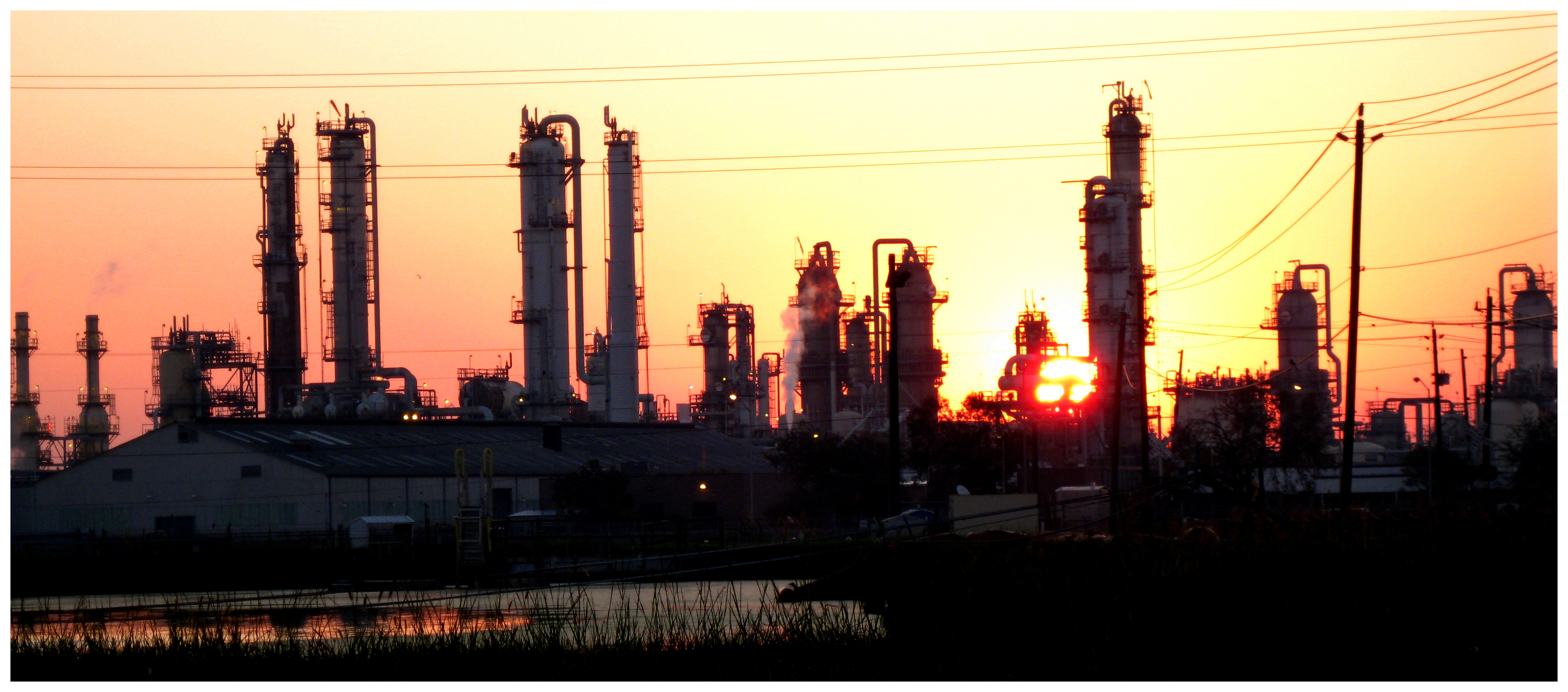
The Exxon Chevron third quarter earnings reported on Friday, October 30, 2026, told a story neither company could have scripted a year ago: the business of turning crude oil into gasoline and diesel — for decades the steadier, duller sibling of drilling — out-earned the business of pumping oil itself. ExxonMobil and Chevron both beat analyst expectations for third-quarter profit, Reuters reported, as soaring refining margins lifted fuel-making earnings to rival, and at Exxon surpass, the upstream operations that usually carry the companies. The cause sat thousands of miles from the refineries that collected it. The U.S.-Israeli war on Iran and Russia’s war on Ukraine disrupted energy markets through the quarter, the Strait of Hormuz was effectively closed to normal shipping, and attacks on refineries in Saudi Arabia and Russia knocked out fuel-making capacity — leaving the refiners still running, most of them American, able to charge far more for every barrel they processed.
The numbers, in full
On an adjusted basis, Exxon earned $4.23 a share and Chevron $5.28, both ahead of what analysts polled by LSEG had expected — $4.08 for Exxon and $4.89 for Chevron, according to CNBC’s reporting of the results. Exxon’s net earnings were $15.4 billion, or $3.72 a share diluted, rising to $17.5 billion on the adjusted basis. The split inside that total is the headline: Exxon’s Energy Products segment — its refining business — earned $7.17 billion in the quarter, against $7.09 billion from upstream, its oil and gas production arm, on a reported basis. Reuters noted that Exxon is now earning more money from refining than from upstream for the first time in at least six years. Chevron’s net earnings were $9.9 billion, or $5.06 a share diluted — $10.4 billion adjusted — down from $12.1 billion in the second quarter but up sharply from $3.5 billion a year earlier. Chevron’s downstream earnings reached $4.93 billion, up from $1.14 billion a year earlier and, like Exxon’s, the highest in at least six years. Chevron’s U.S. refineries processed a record 1.09 million barrels of crude a day, running at nearly 98% of capacity, the company reported. Investors took the results in stride: Exxon shares rose about 2% and Chevron about 1% in pre-market trading, Reuters reported. Nor was the pattern American only — European majors Shell and TotalEnergies also beat expectations on Thursday on record refining margins, a sign the windfall is sector-wide rather than company-specific.
Why this matters
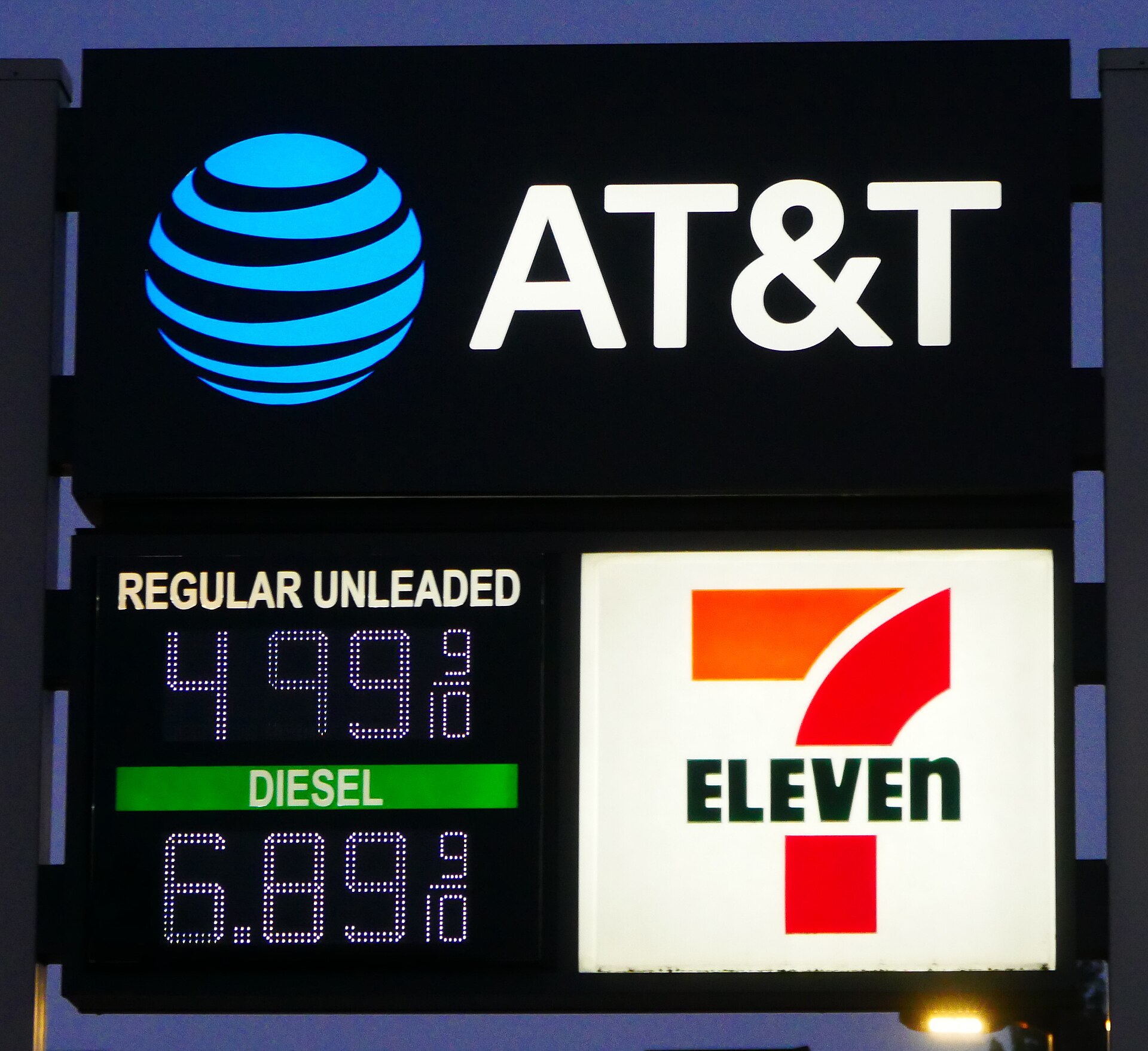
Start with the geography. The fighting that produced these profits is happening around the Strait of Hormuz and across Ukraine and Russia — the same shipping crisis in which a tanker was struck by a limpet mine off Khasab, as this site reported in its coverage of the Louise 1 limpet-mine attack. Yet the cost is being paid at American pumps, in American trucking rates and in the diesel bills of American farms and airlines, and a significant share of it is being collected at American refineries. That transfer — from drivers and fuel buyers to the companies that turn crude into fuel — is the real story inside the earnings beat, and you can follow its price leg on the live oil price tracker.
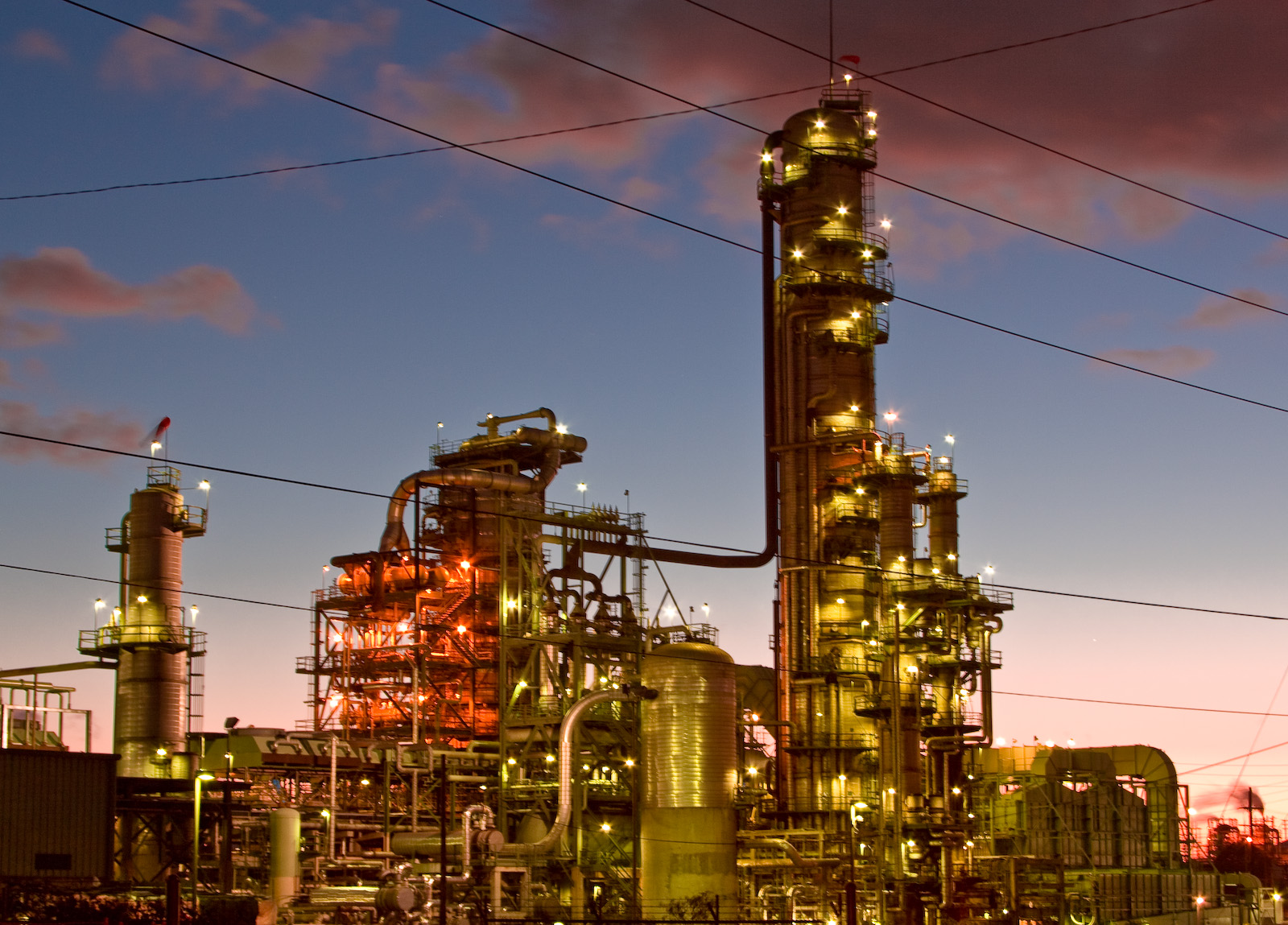
The mechanics are simpler than the jargon suggests. A refiner’s margin is, roughly, the gap between what it pays for crude oil and what it can sell the gasoline, diesel and jet fuel made from that crude for. Crude is a global commodity: when war threatens supply, its price rises for everyone at once, as Brent did in swinging between $68 and $132 a barrel during the third quarter, in Chevron CFO Eimear Bonner’s telling. Finished fuel is different. Gasoline and diesel can only be sold where a refinery has made them and a ship, pipeline or truck can deliver them. When the effective closure of Hormuz strands crude and products on the wrong side of the strait, and when attacks take refineries in Saudi Arabia and Russia out of service, the world does not run short of oil so much as it runs short of places to turn oil into fuel. Refining capacity — not crude production — becomes the scarce asset. The refiners left standing, running at 98% of capacity as Chevron’s U.S. plants did, can widen the gap between their crude costs and their product prices, and the difference drops almost straight to the bottom line. That is how a quarter in which Chevron’s total profit fell from the second quarter could still produce its best downstream result in at least six years, and how Exxon’s refineries came to out-earn its oilfields.
Winners, losers, and the politics of $100 oil
The winners are plain enough: shareholders in the two majors, whose stock rose on the results, and two balance sheets that used the quarter to shed debt at a pace rarely seen outside a boom (the detail is below). The losers are equally concrete. Every driver filling a tank, every trucking firm buying diesel, every airline hedging jet fuel and every business whose costs ride on freight is paying the other side of the refining margin. Exxon’s own finance chief said so out loud. “It’s important to acknowledge that these higher fuel prices put real pressure on families and businesses,” CFO Neil Hansen told Reuters, arguing the best response is to “pull every lever that’s available to us to increase supply.” Hansen said Exxon is investing more in its refineries, including the Baytown complex in Texas, and leaned on its trading team during the quarter to direct supplies where they were needed most.
The timing makes the numbers political as well as financial. High fuel prices are a flashpoint ahead of Tuesday’s November 3 U.S. midterm elections, when voters will render a verdict with pump prices near the top of the cost-of-living list. So far, Reuters noted, the industry has avoided the toughest measures that have been floated — including a diesel export ban that President Donald Trump considered in September before saying in early October that he would not impose it. The arguments on each side are worth stating fairly. The industry case is that these margins are the market’s signal to invest: they fund the refinery spending Exxon describes at Baytown and the efficiency and capacity work Chevron points to on the Gulf Coast, and they repair balance sheets so companies can keep supplying through the next downturn. The critics’ case is that a windfall created by war, and paid for by households at the pump, is not an ordinary profit — and that results like Friday’s invite pressure for windfall taxes or export limits, the very tools that were considered, and shelved, this autumn. Both cases will be tested against the same fact: the margins exist because capacity is out, and they last only as long as it stays out.
Paying down debt instead of paying out
What the two companies chose to do with the money may be the most revealing number in the release. Rather than raising payouts, both used the windfall to pay down debt. Exxon cut its debt by $8 billion in the third quarter alone, while holding to what it describes as a sustainable, growing dividend. Chevron cut its net debt by nearly $14 billion compared with the end of 2025. And Exxon’s one big forward commitment was deliberately flat: it will repurchase $20 billion of its own shares in 2027, the same level as the previous two years, Reuters reported — no increase, despite a quarter in which refining out-earned drilling. Chevron’s CFO, Eimear Bonner, set out the philosophy in terms that double as a forecast. “We think in decades, not quarters,” she said, arguing the balance sheet has to hold “through high prices and low prices” — in a quarter when, as she also noted, Brent swung from $68 to $132 a barrel. Bonner pointed to efficiency opportunities across Chevron’s Gulf refineries and said capacity at Pascagoula, Mississippi, could grow by 7% by the end of the decade. Read together, the two companies are behaving as if the windfall is weather, not climate: bank it, fix the balance sheet, add a little capacity, and do not build a payout on margins that a ceasefire could erase. That discipline is also, not incidentally, the industry’s strongest exhibit if the political argument over windfalls heats up after the midterms — a point readers can weigh alongside the market reaction on the live markets tracker.
What happens next
The first answers arrive within hours. Both companies hold earnings calls later on Friday, and Reuters flagged the two questions analysts will press: when distributions might rise, and what the companies plan to do with the higher profits — invest them, and where. The second test is political: Tuesday’s November 3 midterm elections will show how much of the fuel-price anger lands on the party in power, and whether the shelved ideas of the autumn — export limits among them — return with a new Congress. The third test is the war itself. The bull case for refiners is that nothing changes quickly: Hormuz stays effectively closed, damaged refineries in Saudi Arabia and Russia stay out, and margins stay high while capacity is scarce. The bear case is just as mechanical — a ceasefire or a reopening of the strait that normalises shipping would put stranded crude and products back into the market, narrow the gap between crude costs and fuel prices, and reverse the margin surge as fast as it arrived. Against that uncertainty, the companies’ own plans are incremental by design: Exxon investing more at Baytown, Chevron squeezing efficiency from its Gulf system and growing Pascagoula by 7% by the end of the decade. Neither is betting the company on $100 oil lasting — and Friday’s numbers, read whole, suggest they do not expect it to.
Sources
- Reuters (October 30, 2026): ExxonMobil and Chevron both beat third-quarter expectations as soaring refining margins lifted fuel-making earnings to rival upstream; Exxon earning more from refining than upstream for the first time in at least six years and Chevron’s downstream earnings their highest in at least six years; adjusted earnings of $4.23 a share for Exxon and $5.28 for Chevron; pre-market share moves of about 2% for Exxon and 1% for Chevron; CFO interviews with Exxon’s Neil Hansen and Chevron’s Eimear Bonner; Exxon’s $8 billion third-quarter debt reduction, Chevron’s nearly $14 billion net debt reduction versus the end of 2025, and Exxon’s flat $20 billion 2027 share-repurchase plan; the diesel export ban considered by President Donald Trump in September and ruled out in early October; and Shell and TotalEnergies beating expectations on Thursday on record refining margins.
- CNBC, reporting LSEG analyst expectations (October 30, 2026): analysts polled by LSEG had expected $4.08 a share for Exxon and $4.89 a share for Chevron.
- ExxonMobil and Chevron third-quarter 2026 results, as reported by the companies: Exxon net earnings of $15.4 billion ($3.72 diluted; $17.5 billion / $4.23 adjusted), with Energy Products (refining) segment earnings of $7.17 billion against $7.09 billion from upstream; Chevron net earnings of $9.9 billion ($5.06 diluted; $10.4 billion / $5.28 adjusted), downstream earnings of $4.93 billion against $1.14 billion a year earlier, and record U.S. refinery crude processing of 1.09 million barrels a day at nearly 98% of capacity.
- Photos: Baytownbert, Pedro Szekely and Rick Obst via Wikimedia Commons (CC BY-SA 3.0, CC0 and CC BY 4.0), as credited in the captions. File photographs of ExxonMobil’s Baytown refinery at sunrise, Chevron’s El Segundo refinery and a gas and diesel price sign in Eugene, Oregon — not photographs of the earnings release itself.