Lead
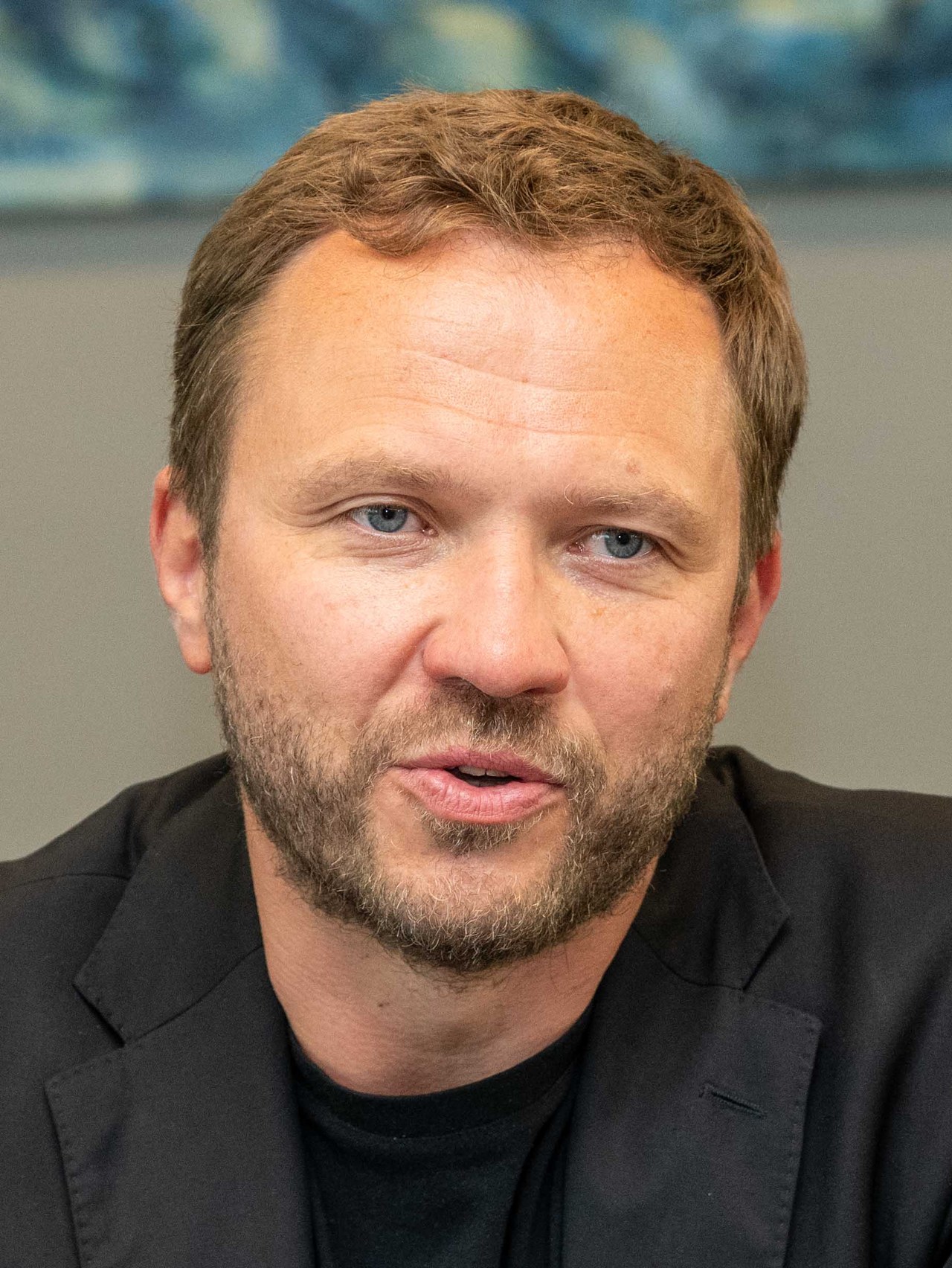
NEW YORK — Russian President Vladimir Putin is taking advantage of U.S.-led peace negotiations to buy more time on the battlefield, Estonian Foreign Minister Margus Tsahkna said Tuesday, issuing some of the sharpest European criticism to date of the White House's effort to end the war in Ukraine.
"Putin has just used Trump to win more time and put more pressure on Ukraine," Tsahkna said in an exclusive interview with USA TODAY on the sidelines of the U.N. General Assembly.
What he said
Tsahkna stressed that Trump's efforts to end the war are well-intentioned, but argued the moment demands more pressure, not more patience. "We just need to support Ukraine with more pressure on Russia," he said. "We don't see that Putin is ready to have any kind of next step for peace. Of course, we all would like to have it."
Estonia's voice carries particular weight on this subject: it is one of six NATO countries to share a land border with Russia, and one of Ukraine's strongest supporters within the alliance. Tsahkna's remarks reflect a widening divide between Washington's negotiation track and the stance of several European allies, who argue that diplomacy without pressure has given Moscow cover to keep fighting.
The diplomacy so far
The White House has pursued the talks through a heavy shuttle schedule. White House special envoy Steve Witkoff has met with Putin at least eight times during the second Trump administration, according to USA TODAY. His most recent visits have included Jared Kushner, Trump's son-in-law, but the meetings with Putin have yet to yield a breakthrough. Witkoff and Kushner made their latest trip to Moscow on September 5, then visited Kyiv for the first time a day later to meet Zelenskyy. Trump himself has not met with Putin since their summit in Anchorage, Alaska, last year.
In his address to world leaders on Tuesday, Trump projected confidence about the talks: "We're working very closely with the leaders of Russia and Ukraine and we will get that one done. It's gonna happen, I think, more quickly than people understand." He added: "While others have spoken of peace, I have made peace. While others have ignored threats, I have confronted them." After the speech, Trump was set to meet Zelenskyy; a day later, Secretary of State Marco Rubio is due to meet Russian Foreign Minister Sergey Lavrov, who is leading the Russian delegation to the U.N.
The strikes on the ground
Tsahkna's criticism came as fighting intensified. Zelenskyy wrote in a social media post on September 22: "As Russia is escalating the killing of civilians – there have been more attacks overnight and into the day with drones and ballistic missiles – pressure on Moscow must be strengthened."
Overnight, Ukrainian drones struck Russia's Samara region on the Volga River, which hosts critical oil refineries, the regional governor said Tuesday, claiming civilian targets including houses and cars were hit. Russia's defense ministry said it carried out a massive strike on Ukraine, hitting industrial and military facilities, the fuel and energy sector, port infrastructure and sea vessels operating for the Ukrainian military. Russian strikes in Dnipro killed at least two people, local Ukrainian authorities said. The exchanges followed a Sunday Ukrainian drone attack that killed three people and pounded a Moscow oil refinery during Russia's tightly controlled elections.
The energy dispute
Tsahkna also took aim at Trump's repeated claim that Ukrainian strikes on Russian energy infrastructure — rather than Russia's war — are to blame for record-high oil prices. "This is not correct," he said. "Putin started this war. Putin can stop it."
Trump has pressed the point for weeks. Earlier this month in Ireland he told reporters: "Mr. Zelenskyy has to do one thing. He has to stop knocking out diesel fuel. Let them go after targets but not diesel fuel, because he's causing a shortage of diesel." On Monday he wrote on Truth Social that Russia had "lost control of its Diesel Oil industry" and that the war "must be ended."
Energy experts have pointed to a broader cause: global diesel shortages stem from both the war in Ukraine and the U.S.–Israeli war against Iran, according to USA TODAY. Ukraine, meanwhile, has leaned into its campaign — Zelenskyy announced during Trump's U.N. speech that Ukraine had hit two Russian oil refineries over the previous 24 hours. "We are taking the war back to where it came from," he said. "We are bringing peace closer for Ukraine."
What happens next
Tsahkna's intervention lands at a critical moment. Ukrainians fear Russia is gearing up to pound heating and power facilities this winter after intensifying aerial attacks on both sides battered ports, warehouses, ships and energy infrastructure, and crippled Black Sea exports. Zelenskyy is pushing for an energy truce — conditional on Russia halting its own strikes — and has asked Trump for U.S.-made Patriot air defense missiles to defend the winter grid.
The question Tsahkna puts to Europe is whether it will act on its own skepticism. If allies share his view that Putin is "just" buying time, his argument is that pressure must rise now — on Moscow's war economy, its oil buyers, and its air campaign — before winter arrives.
Sources and reporting notes
- USA Today, Sept 22 2026: the exclusive Tsahkna interview, Witkoff's eight-plus Putin meetings, Trump's U.N. speech quotes, Zelenskyy's Sept 22 post, and the Trump–Zelenskyy and Rubio–Lavrov meetings.
- The Times, Sept 22 2026: the overnight Samara and Dnipro strikes, Russia's claimed massive strike, and Trump's Truth Social post on Russia's diesel industry.
Reporting cutoff: September 22, 2026. Tsahkna's comments are his government's position, attributed to him directly; they do not reflect Russian statements. Casualty figures are from local authorities and are unverified. War coverage here is neutral: claims by each side are attributed.