Ella Langley Tulsa concert canceled
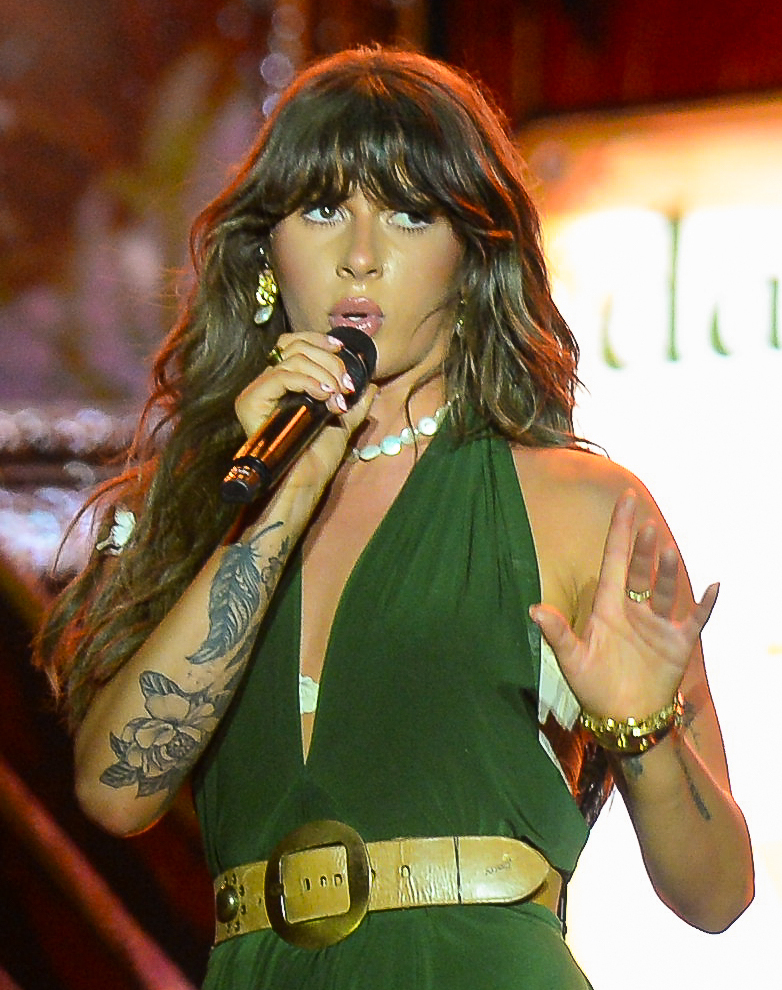
TULSA, Oklahoma — The Ella Langley Tulsa concert canceled Friday, October 9, at the 19,000-seat BOK Center was called off about two hours before showtime after what the country singer described as a “serious security threat.” Tulsa police said two sweeps with bomb-sniffing dogs found no credible threat and that officers did not recommend cancellation. Langley, the venue and her security team made the final call before fans could enter for a Dandelion tour stop featuring Kameron Marlowe and Laci Kaye Booth.
The conflicting-sounding statements are the center of the story. Langley said the decision came “under the advisement of local authorities, the venue, and my security team.” Tulsa Police Capt. Richard Meulenberg said his department found the area safe and left the go-or-cancel decision to the performers. Both can be true: police can report that a search found no evidence while an artist's team still decides that the residual risk is unacceptable.
What happened: The Ella Langley Tulsa bomb threat timeline
The venue was already operating under its standard event-security plan when officers and bomb-sniffing dogs carried out an initial sweep. Meulenberg said nothing suspicious was found, and the arena was cleared for the show to proceed.
Then came the call. Police said a caller warned that someone intended to cause serious harm, mentioning both gunfire and bombs. Officers returned “in an overabundance of caution,” Meulenberg said, and conducted a second search of the BOK Center and surrounding area. Again, they found no evidence that substantiated the warning.
At that point, the legal and operational question shifted. Police had completed the searches available to them and could not establish a credible danger. But Langley's camp still had to decide whether to bring thousands of fans, venue employees, touring crew and opening acts into the arena after a specific threat had been made.
The answer was no. Langley and the BOK Center published cancellation notices about two hours before the scheduled start. The arena said that, “after careful consideration,” the show could not proceed and promised further information for ticket holders. The abrupt timing magnified the disruption: some fans were already downtown, had traveled from outside Tulsa or had paid for parking and hotels.
Why this matters
Arena security decisions rarely offer the clarity audiences want. A negative sweep is reassuring, but it does not prove that the caller had no plan, no access and no accomplice. A cancellation lowers the immediate exposure while also rewarding the disruptive power of an anonymous threat. The people making the decision must weigh two very different kinds of error: cancel a safe show and impose financial losses on thousands, or proceed and discover too late that the warning was real.
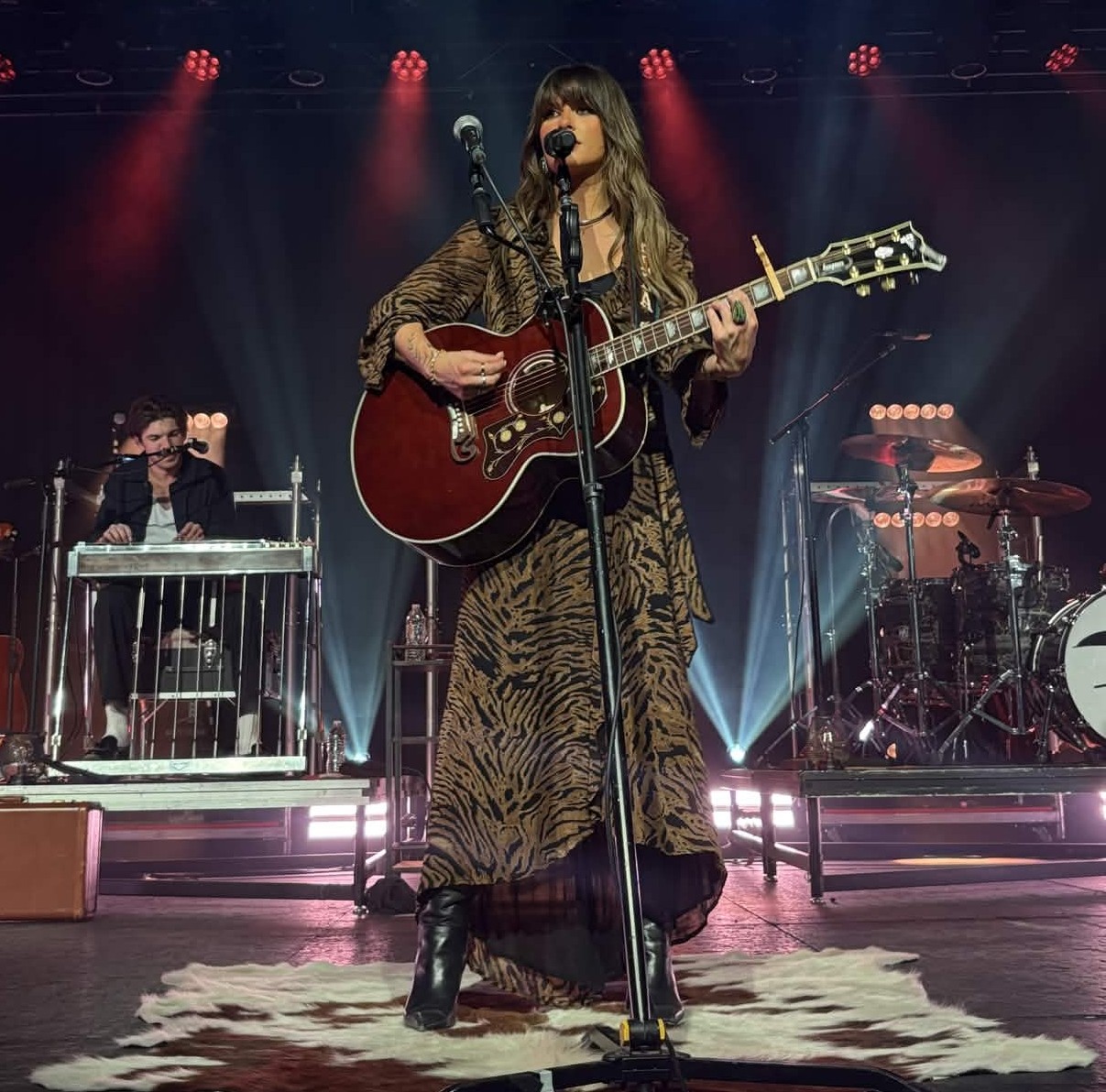
That trade-off becomes sharper for a fast-rising artist. Langley is no longer playing a small club where evacuation and access control are relatively simple. A 19,000-seat arena requires coordinated crowd screening, emergency routes, police coverage, private security and backstage protection. Once doors open, reversing course is harder and potentially more dangerous than stopping the event before admission.
The losses also extend beyond the headline act. Kameron Marlowe and Laci Kaye Booth lost a performance opportunity; vendors and hourly venue workers lost a night of income; local restaurants and hotels absorbed plans that changed at the last minute. Even if every ticket is refunded, travel, parking and time are not automatically restored.
Whose call was it? The police-vs.-artist tension
Two institutions, two thresholds for action
The Ella Langley BOK Center security threat exposed a familiar gap between law enforcement's standard and an artist team's duty of care. Police assess whether evidence establishes a credible and immediate danger. A touring organization asks a broader question: whether it is willing to accept the uncertainty that remains after police finish searching.
Meulenberg's public statement drew a firm boundary. Officers had not advised cancellation, he said, and had told the group that they “could not find a credible threat.” That matters because Langley's first announcement could reasonably be read as suggesting that local authorities supported the cancellation itself. The police account says their advice concerned the security response and search results, not the final business decision.
But that distinction does not mean Langley ignored police. Her team could take the all-clear seriously and still decide the residual risk was too high. The artist is the face of the decision, the venue controls the building, the promoter carries contractual exposure and police report what their investigation supports. Those responsibilities overlap without being identical.
So why Ella Langley canceled Tulsa concert plans after police said the area was safe is not a mystery or necessarily a contradiction. It was a precautionary judgment made under uncertainty—one that chose the consequences of cancellation over the possibility of a catastrophic miss.
A record-breaking year raised the stakes
The cancellation arrived during the most consequential run of Langley's career. The 27-year-old had moved from breakout country act to arena headliner behind her sophomore album Dandelion. Her single “Choosin' Texas” spent 23 weeks at No. 1 on the Billboard Hot 100, surpassing the 22-week benchmark associated with Mariah Carey's previous all-time record.
That achievement was not merely a chart statistic. It expanded Langley's audience, made the Dandelion tour a national event and put more pressure on every stop to function at arena scale. Signal Post News previously examined how “Choosin' Texas” passed Mariah Carey's record and what 23 weeks at No. 1 revealed about the reach of contemporary country music.
Tulsa is therefore a test of the infrastructure around a newly enlarged star: crisis communication, venue coordination, fan support and the ability to keep a national tour moving after a threat. A cancellation in a breakthrough year attracts more attention, but it also involves more people whose safety and livelihoods depend on the decision.
The broader concert-security-threat trend
Why a single call can stop an arena
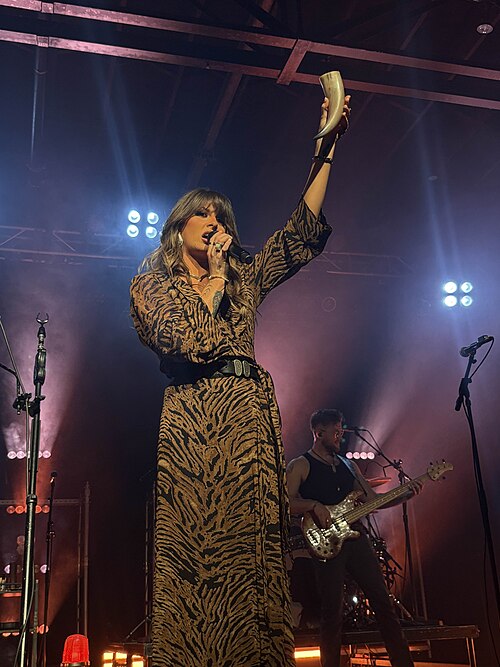
Large concerts are unusually vulnerable to disruption because their schedules, locations and crowd sizes are public by design. A threat does not need to be credible to force expensive precautions. It needs only enough specificity to require police, bomb-detection teams, venue operators and the artist's security staff to pause and investigate.
That creates an asymmetric problem. The caller can act in seconds; the response can consume hours, specialized officers and a full arena reset. Organizers must also account for copycat threats after publicity. The practical response is not to dismiss unverified calls, but to improve coordination: preserve evidence, establish who has final authority, plan thresholds for delaying doors versus canceling, and communicate precisely about what police did and did not find.
Other cancellations show how quickly the business cost compounds across borders and venues. Our report on the canceled Kanye West concerts in Russia examined a different dispute, but the operational lesson is similar: when a major show collapses late, ticket holders need a clear chain of information and a precise refund process, not competing statements.
What happens next
Ella Langley Dandelion tour Lubbock stop remains on the calendar
Langley's next scheduled performance is Saturday, October 10, at United Supermarkets Arena in Lubbock, Texas. No cancellation had been announced there as of publication. That makes Lubbock the immediate test of whether Tulsa remains an isolated disruption or changes security procedures across the tour.
Fans traveling to Lubbock should rely on the arena, the point of purchase and Langley's official channels for any schedule change. A quiet public feed does not prove that nothing changed backstage; touring teams can add screening, adjust arrival times or coordinate extra police without canceling the show.
Ella Langley Tulsa show refund and rescheduling questions
The BOK Center said it would update fans on refunds. The first notice did not establish whether refunds would be automatic, how long processing would take or whether Tulsa might receive a replacement date. Those details usually depend on the ticket seller, promoter, venue availability, production routing and insurance terms.
Rescheduling is harder than finding another night on Langley's calendar. The entire touring package—including Marlowe, Booth, crew, staging and transportation—must fit the same window, while the BOK Center must have an open date. If a new date cannot be aligned, a refund becomes the cleaner remedy, though it cannot cover every fan's secondary costs.
Police, meanwhile, can pursue the origin of the call. The security sweeps answered the immediate question of whether officers could locate a threat at the arena; identifying the caller could determine whether the warning was a hoax, targeted intimidation or something tied to a broader plan. Until that inquiry produces evidence, the most responsible conclusion is limited: the threat was serious enough to trigger two searches and a cancellation, but police found no credible danger at the venue.
Sources
- Reuters — cancellation timing, venue capacity and Tulsa police response
- USA Today — Langley's statement and the police account of the sweeps
- The Tennessean — show cancellation, fan impact and police clarification
Reporting separates confirmed police findings from the artist team's precautionary judgment. No credible threat had been found and no Lubbock cancellation had been announced as of publication.