Kanye West Russia concerts cancelled
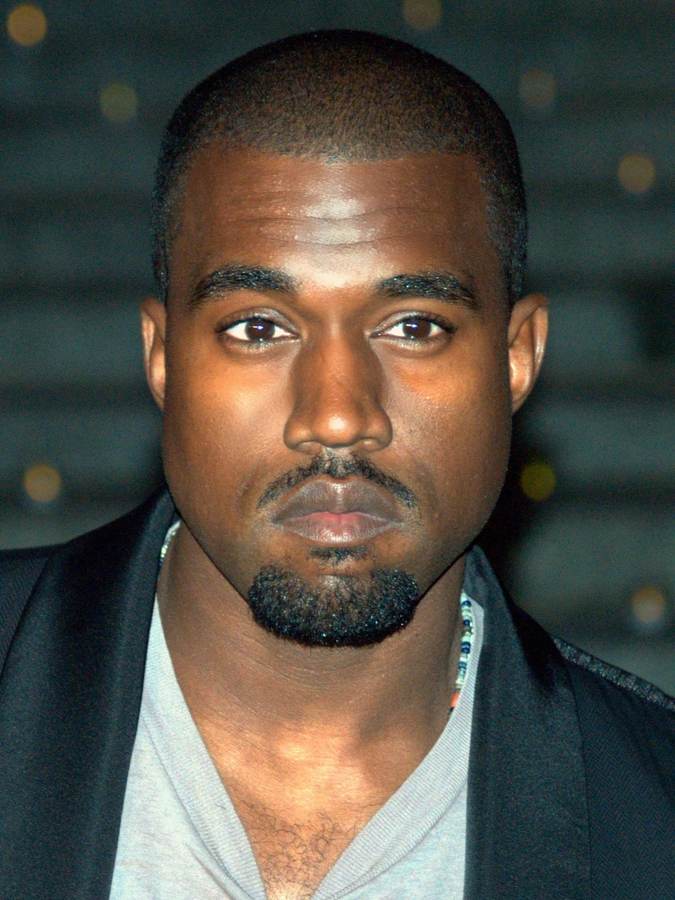
Kanye West Russia concerts cancelled: the phrase closes a strange two-month chapter that began with the promise of two St Petersburg stadium dates and ended without the venue ever confirming a signed contract. Say Agency said on Wednesday that the Ye concerts scheduled for October would not go ahead on the planned dates, according to Reuters. The promoter said a fuller statement on the project's status and future plans would follow.
The basic facts are unusually stark. Say Agency announced the concerts in mid-August. The dates were reported as October 10 and 11 at St Petersburg's Gazprom Arena. About a week after the announcement, the venue said it had not signed a contract with the organizers, described in reporting as a separate Moscow-based company. From that point, the shows were less a confirmed engagement than an unresolved proposition marketed in public.
That distinction matters. A concert is not secured because a poster exists, tickets appear to move or a promoter speaks confidently. It is secured when venue access, production, travel, insurance, payment, permits and artist obligations all align. Here, the most elementary piece of the chain — a venue contract — was publicly disputed before the cancellation was announced. The story is therefore not only that Ye will not perform. It is that the industry permitted certainty to travel faster than the paperwork.
Why this matters: a cultural opening that never became real
Had the shows gone forward, West would have been among the biggest international music stars to visit Russia since Moscow's full-scale invasion of Ukraine in 2022. That would have given the performances symbolic weight well beyond ticket sales. Russian officials and cultural institutions could have presented the booking as evidence that the country's international isolation was incomplete. Western critics would have treated it as a test of how much reputational cost still attaches to doing business in Russia during the war.
The cancellation denies both sides a simple image. Moscow does not get a packed arena as proof that sanctions and cultural boycotts have lost force. Western critics do not get a completed event around which to organize a clear rebuke. Instead, the collapse exposes a market caught between commercial hunger, political signaling and basic operational uncertainty.
That is why the Kanye West St Petersburg concert cancelled story matters beyond celebrity news. Russia's live-entertainment economy can still attract proposals, speculative announcements and consumer demand. What it struggles to demonstrate is predictable execution at the top international level. The failed booking is a reminder that isolation is not binary. A country can remain culturally porous while becoming commercially harder to navigate.
The Say Agency Ye concerts statement leaves the largest question open
The Say Agency Ye concerts statement was brief and carefully worded. As quoted by Reuters, the promoter told fans: “Friends, it is with sincere regret that we inform you that the YE concerts in St. Petersburg will not be able to take place on the scheduled dates. We will issue an official statement regarding the status of the project and our future plans in the near future.”
“Will not be able to take place on the scheduled dates” is not the same as “the project is permanently dead.” It leaves room for postponement, relocation, renegotiation or a face-saving conclusion in which neither the artist nor promoter accepts blame. But for ticket holders, semantic room does not replace a performance. The announced October weekend is gone, and any future proposal would need to be treated as new until a venue, date and ticketing plan are independently confirmed.
The promise of another statement also shifts attention to accountability. Fans need a clear refund process, not only an explanation. Business partners need to know whether payments were collected before essential contracts were in place. The artist's representatives need to clarify how far negotiations progressed. A credible follow-up should answer those questions with dates and documents rather than another layer of promotional language.
From a mid-August announcement to a Ye Russia venue contract dispute
The chronology makes the breakdown more revealing. The Kanye West Russia October 2026 tour was announced in mid-August, less than two months before the planned performances. Within roughly a week, Gazprom Arena said no contract had been signed. The concerts then remained in limbo until the cancellation notice at the start of October, barely more than a week before the first reported date.
That sequence reverses the normal hierarchy of certainty. A stadium date is an interlocking production project: stage design, power, security, rigging, freight, rehearsals, local labor, artist travel and crowd management all depend on venue control. Announcing first and resolving the venue later turns every downstream commitment into a wager.
The Ye Russia venue contract dispute also illustrates the difference between access and approval. A promoter may believe it has political support, an invitation, a letter of intent or verbal assurances. None of those necessarily binds an arena operator to deliver a building on two specific nights. The bigger the show, the more dangerous it is to blur those categories, because a stadium cannot be improvised at the last minute.
Reporting collected by LinksGraph said ticket holders would receive refunds and that tens of thousands of tickets had reportedly been sold soon after the August announcement. That sales figure was reported rather than independently audited, but even as an order-of-magnitude claim it shows the practical cost of ambiguity: large numbers of customers may have committed money while the venue relationship remained unsettled.
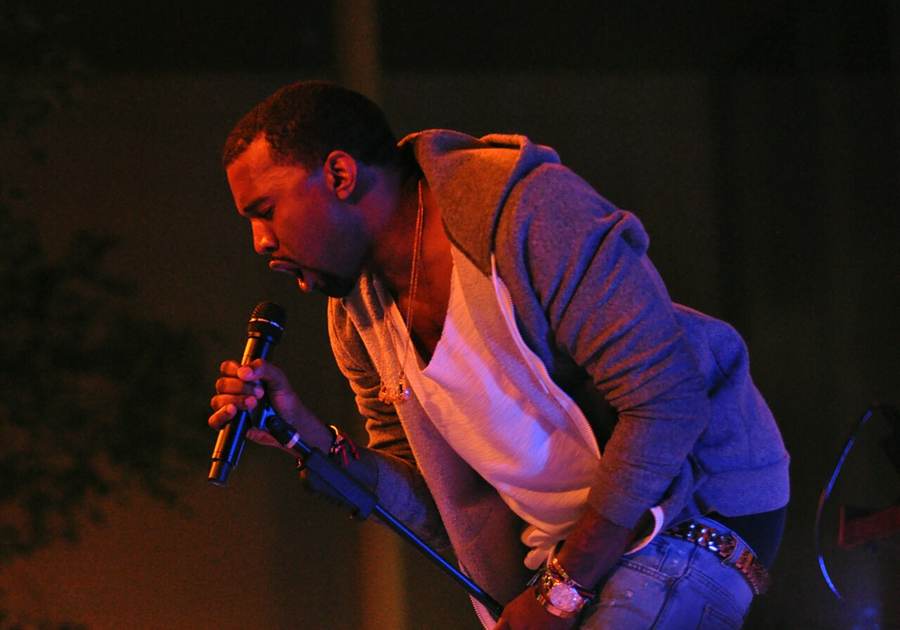
The concert economics: two dates, one venue and no margin for drift
The clearest data point is structural rather than financial: two shows were concentrated in one city and one stadium. That offers scale, but it also concentrates risk. If the venue falls away, both dates fall with it. There is no second Russian city to absorb production, no alternate arena announced and no gap in the itinerary large enough to disguise a major reset.
Stadium concerts carry high fixed costs before the first fan enters. Promoters pay or commit money for venue preparation, local crews, security, equipment, freight, hospitality and marketing. Artists and their teams face travel and production expenses. Ticket sellers process payments and, after cancellation, must reverse them. A promoter can sell heavily and still face a crisis if the contract stack underneath the event is incomplete.
This is why reported demand cannot be treated as proof of viability. Tens of thousands of sales would establish appetite, not deliverability. Revenue taken early can become a liability the moment refunds begin. Payment processors may hold reserves; advertising expenses are already spent; currency movement can change the value of returned funds; and dissatisfied buyers bear the temporary cost of having their money tied up. The business lesson is severe: scale amplifies success only after certainty exists. Before then, it amplifies exposure.
The cancellation pattern around West adds a second layer of risk. The two Russian dates did not collapse in isolation from his broader touring environment. He faced concert cancellations or performance bans in several European countries in 2026 after antisemitic remarks and displays involving Nazi imagery. Each lost or blocked appearance changes the assumptions behind routing, insurance and sponsorship. A one-off show becomes more expensive when a wider regional itinerary cannot share production costs.
Maria Zakharova Kanye West criticism turned the booking into politics
The controversy was not only imported from Europe. Russian pro-war military bloggers criticized the proposed concerts while Washington continued to support Ukraine. Foreign Ministry spokeswoman Maria Zakharova called the appearances unacceptable, pointing to West's “glorification” of Adolf Hitler. The Maria Zakharova Kanye West criticism mattered because it denied organizers an easy claim that opposition came only from abroad.
That domestic objection creates an unusual alignment. Some Western critics opposed a major artist normalizing business in wartime Russia. Russian nationalist voices objected to the identity and past statements of the visiting artist. Their reasons were different, even contradictory, but their pressure narrowed the promoter's room. A show positioned as a bold cultural event became politically homeless.
The episode also exposes selective cultural politics. A government can welcome the symbolic value of a Western star while objecting to that star's conduct. Critics can oppose the visit because it appears to validate Moscow while also opposing West's antisemitism. Those positions need not be collapsed into a single moral verdict. The relevant point is that the booking had accumulated too many political meanings for a weak commercial foundation to carry.
Kanye West Europe concert bans made every new booking harder
The Kanye West Europe concert bans and cancellations in 2026 changed the risk profile facing any promoter. Even where officials do not formally ban a performance, venues, sponsors and service providers can decide that the reputational or security exposure is too high. Touring is a chain of private decisions as much as a schedule of public permits. If several links decline, the show becomes impossible without any single authority issuing a universal prohibition.
West apologized in January 2026 for antisemitic statements, attributing them to an undiagnosed brain injury and untreated bipolar disorder. The Kanye West January apology brain injury was significant because it acknowledged harm and offered an explanation. It did not automatically restore trust. Apologies in public life are evaluated not only by wording but by sustained conduct, and commercial partners make their own judgments about whether reputational risk has actually changed.
That is not an argument that an artist should be permanently barred from performing. It is an argument that promoters cannot price a redemption narrative as though it were settled fact. A credible return to major venues requires reliable behavior, transparent agreements and enough time for counterparties to believe the change will last.
Who benefits, who loses
Ticket holders lose first. They bought access to a specific event on a specific date. Even when refunds are complete, fans may have paid for travel, hotels or time away from work. Those secondary costs are often harder to recover. The least organizers owe is a prompt, automatic refund process and plain communication that distinguishes cancellation from any hypothetical rescheduling.
The promoter loses credibility. Say Agency gained attention by announcing an extraordinary booking, but the venue's early denial placed the agency on notice that the foundation was contested. If the forthcoming explanation does not show a reasonable basis for selling the dates, future customers and venues will discount its announcements.
The venue may gain institutional distance. Gazprom Arena's statement that it had not signed a contract now looks less like procedural nitpicking than a decisive fact. By drawing the line publicly, the venue protected itself from being treated as the guarantor of promises made elsewhere.
Russian hawks gain a symbolic victory, but not a coherent cultural policy. Critics who opposed West can say the concerts were stopped. Yet the episode also publicized the demand for a major Western act and the fragility of Russia's ability to host one. Victory here advertises the very isolation some officials prefer not to emphasize.
Western critics avoid a propaganda-ready spectacle. A full stadium would have produced images useful to claims that Russia remained an ordinary destination for global entertainment. But the cancellation does not answer the broader question of how artists should engage audiences in countries whose governments are at war. Cultural contact and political legitimacy are related, not identical.
West loses another piece of touring certainty. His ability to command attention remains obvious; otherwise the announcement would not have traveled so widely. But attention is not the same asset as trust. Stadium touring depends on institutions willing to stake money, schedules and reputations on the artist arriving and the event proceeding.
The biggest Western star Russia since Ukraine invasion claim needs care
Descriptions of West as the biggest Western star Russia since Ukraine invasion are best understood as a measure of symbolic scale, not an audited ranking. “Biggest” can mean catalog reach, celebrity, venue size or global name recognition. What is clear is that a two-night stadium booking by a U.S. superstar would have stood out sharply against the reduced flow of major Western tours to Russia since 2022.
That contrast explains the intensity around the announcement. The concerts promised different things to different audiences: entertainment for fans, commercial opportunity for organizers, reputational leverage for Russia and a moral test for critics. When a single event is asked to carry all of those burdens, basic contractual weaknesses become politically explosive.
Calling the cancellation evidence of total cultural isolation would overstate it. Russian audiences still consume Western music, artists can pursue private deals and digital culture crosses borders more easily than tours do. But the practical barriers are real: travel, payments, insurance, sanctions compliance, venue governance and reputation all reduce the pool of acts and partners able or willing to proceed.
What happens next for West's touring future
The most optimistic scenario is procedural repair. Say Agency could return with a different venue, a later date and signed agreements. For that scenario to be credible, the announcement would need independent confirmation from the venue and ticket seller, a transparent refund policy for the abandoned dates and clarity from West's representatives. Anything less would repeat the original problem.
A second scenario is a pivot to smaller or privately controlled events in jurisdictions where promoters can limit institutional exposure. That can preserve revenue and fan access, but it sacrifices the prestige and economics of a large regional tour. It also concentrates the artist's brand in markets willing to tolerate controversy, which can further narrow mainstream options.
A third scenario is a longer pause designed to rebuild trust. That would require more than an apology or a surprise announcement. Venues and insurers would look for a sustained period without new incidents, clearer professional management and evidence that contractual obligations will be honored. The music business forgives controversy when demand is strong, but it is less forgiving of operational uncertainty.
The worst scenario for West is not a single cancelled weekend. It is a feedback loop in which cancellations make future partners more cautious, that caution raises costs, and higher costs make ambitious shows more fragile. The artist's celebrity can open conversations, but only reliability converts conversations into doors that stay open.
What happens next for Russia's cultural isolation
Russia will continue to seek globally recognizable performers because spectacle offers a low-cost political message: the country remains connected, normal and commercially attractive. Some artists will accept. Others will decline for ethical, legal, logistical or reputational reasons. The result is likely to be uneven rather than absolute isolation.
The West booking shows why replacement is difficult at the top end. A local promoter may find audience demand and political interest, yet still lack the stable cross-border machinery that major tours require. Each failed announcement teaches venues, agents and ticket buyers to demand stronger proof before committing. That caution itself becomes a form of isolation, imposed through risk rather than formal prohibition.
For Russian officials, the temptation will be to blame Western pressure or an unreliable celebrity. Both explanations may contain part of the truth, but neither erases the venue-contract problem that surfaced almost immediately. For Western policymakers, the temptation will be to treat the cancellation as proof that cultural sanctions work cleanly. They do not. The market remains contested, and symbolic bookings will keep appearing wherever demand and political utility meet.
The bottom line
The cancellation is less mysterious than the weeks of suspended disbelief that preceded it. Two stadium dates were marketed; the venue said no contract existed; political opposition intensified; the promoter eventually said the shows could not happen as scheduled. That is not a surprise ending. It is the resolution of a warning that had been public since August.
The next statement from Say Agency should be judged on practical answers: refund completion, contractual responsibility, the artist team's role and whether any future date has a venue willing to confirm it. Until those answers exist, talk of postponement is marketing, not news.
West remains famous enough to make an unrealized concert into an international story. Russia remains eager enough for cultural normalcy that the possibility drew official attention. But fame and political usefulness cannot substitute for execution. The lesson of St Petersburg is brutally ordinary: before a stadium can become a symbol, somebody has to sign for the stadium.
Sources
Reporting basis: The cancellation, Say Agency statement, announcement timeline, venue-contract dispute, European restrictions, January apology and Russian official reaction are based on Reuters' October 1 report. Reported ticket-sales and refund details are attributed to the cited developing-story summary. No direct public URL for Say Agency's Telegram post or an AFP-hosted copy was available at publication, so neither was invented or linked.