California noncitizen voter list: The US Justice Department has given California officials 48 hours to review a federal list of voters the department believes are likely noncitizens — delivered on a password-protected thumb drive — or face emergency legal action, in an escalation of the Trump administration's pre-election fight over who is on the voter rolls.
DOJ Gives California 48 Hours Over Alleged Noncitizen Voters on the Los Angeles Rolls
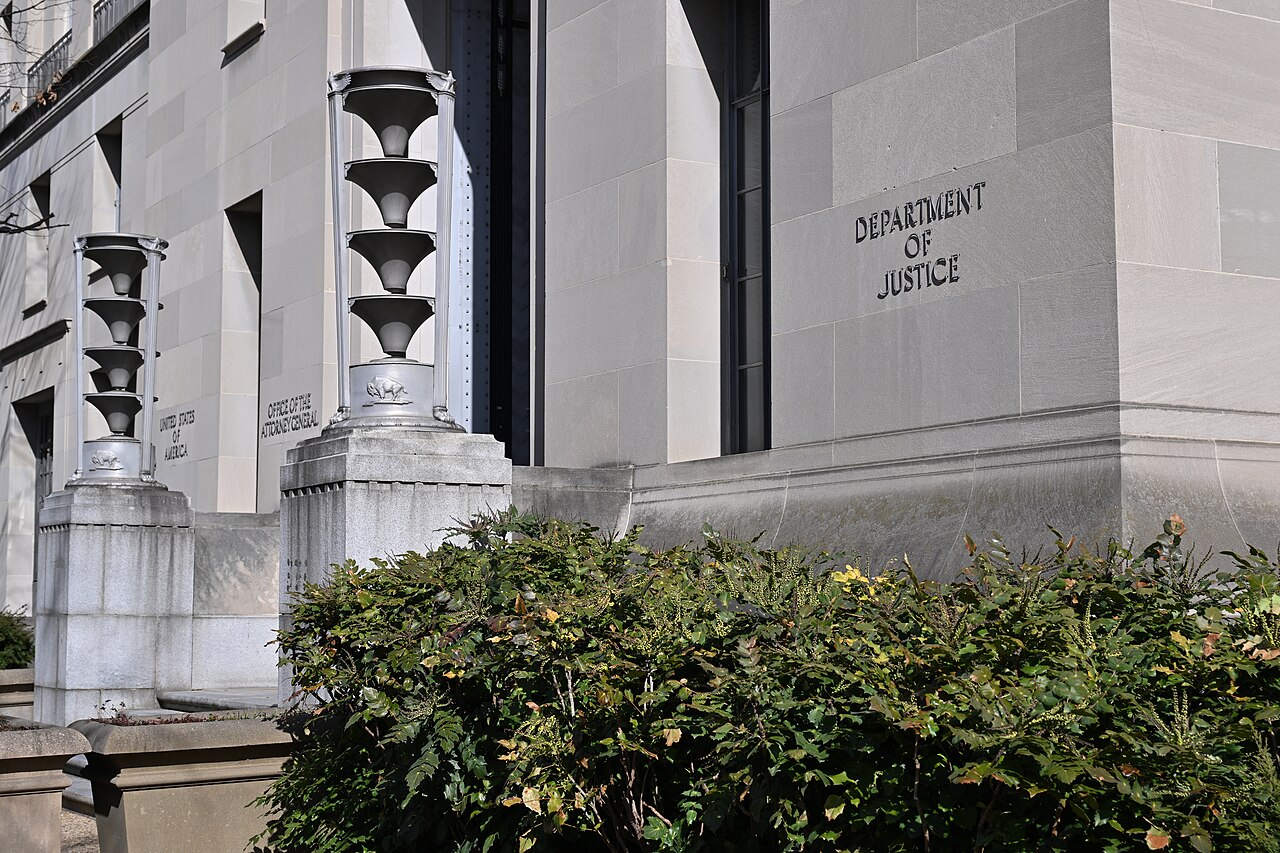
WASHINGTON — The Justice Department has threatened California with legal action unless state and Los Angeles County officials act within 48 hours on a list of voters the federal government believes are likely noncitizens who were sent mail-in ballots, according to letters reviewed by Reuters and obtained by CNN. The demand, sent on Tuesday and confirmed by a Justice Department spokeswoman on Wednesday, is the sharpest escalation yet in the administration's campaign to press states over alleged noncitizen voting — and it lands with ballots already in voters' hands across the largest state in the country.
What the letters demand
The letters were written by R. Trent McCotter, the acting deputy attorney general — the department's second-ranking official — and addressed to California Secretary of State Shirley Weber and to Los Angeles County Registrar-Recorder Dean Logan. According to both Reuters and CNN, the department provided Los Angeles County officials with a password-protected thumb drive containing the names of people the federal government believes are likely noncitizens and who were sent a mail ballot this year.
The demands attached to the list are specific. California is told to refuse to send ballots to anyone on the list until that person's citizenship status has been confirmed. Ballots from listed voters who have already received one are to be segregated when they are mailed back. Ballots already returned are not to be tabulated until citizenship has been determined. And the state is asked to work with the Department of Homeland Security to comply. If officials do not take those steps, McCotter wrote, the department will have no choice but to seek emergency relief — the language lawyers use for an urgent court order. In the letter's framing, allowing noncitizens to vote cancels out the votes of citizens.
A Justice Department spokeswoman, Kiersten Pels, confirmed the letters to Reuters and said the department would take all necessary legal action to protect election integrity and ensure compliance with federal law. The White House and the California secretary of state's office did not immediately respond to requests for comment when the letters were first reported.
California's first response
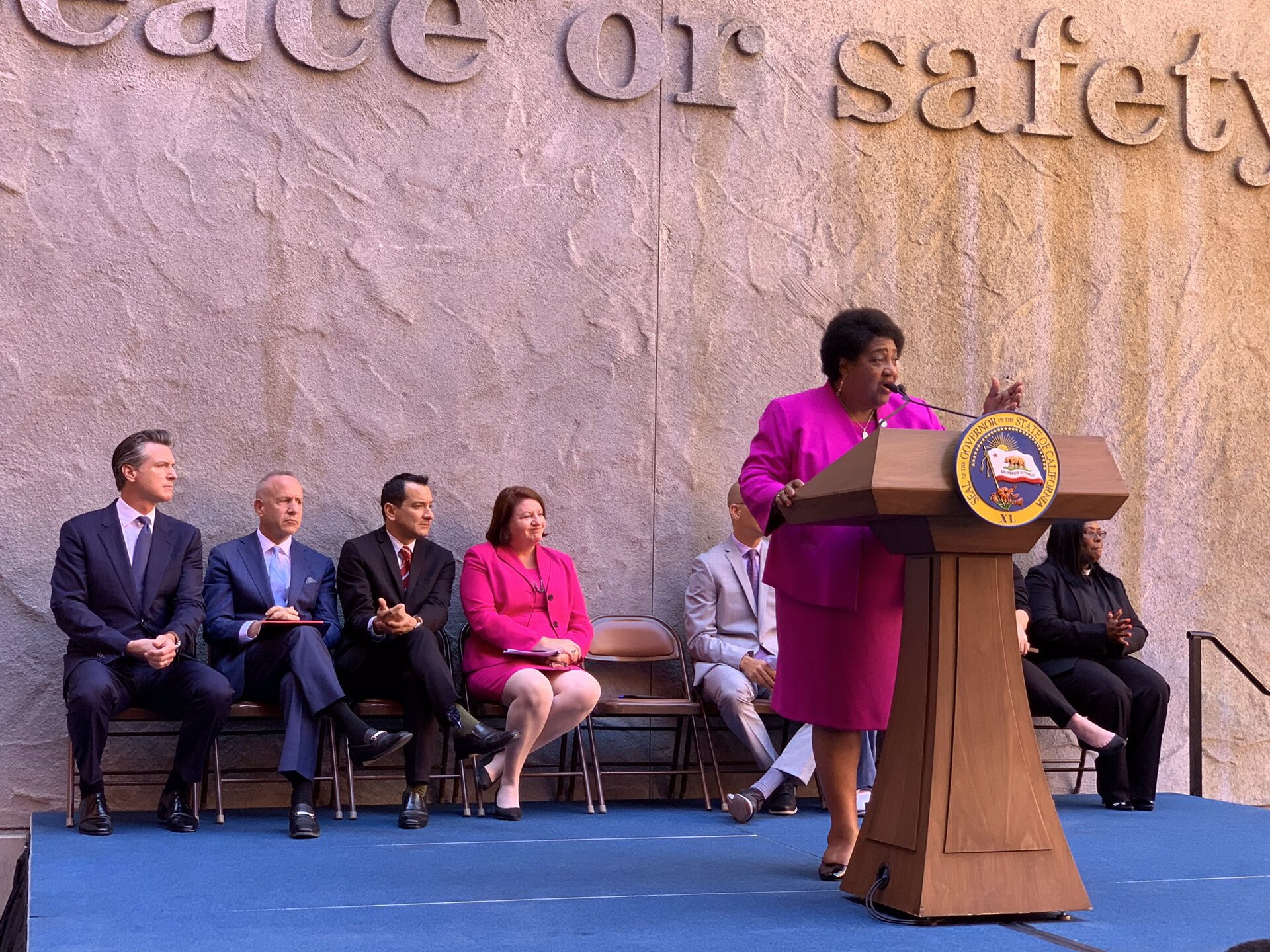
The first public word from the California side came from Los Angeles County. Registrar-Recorder Dean Logan said in a statement on Wednesday that his office was reviewing the Justice Department letter in coordination with the secretary of state and the California attorney general. That coordination matters: any decision to segregate or withhold ballots would be a state-level legal call, not a county one, and California's attorney general is the official who would defend the state's election procedures in court if the Justice Department files for emergency relief.
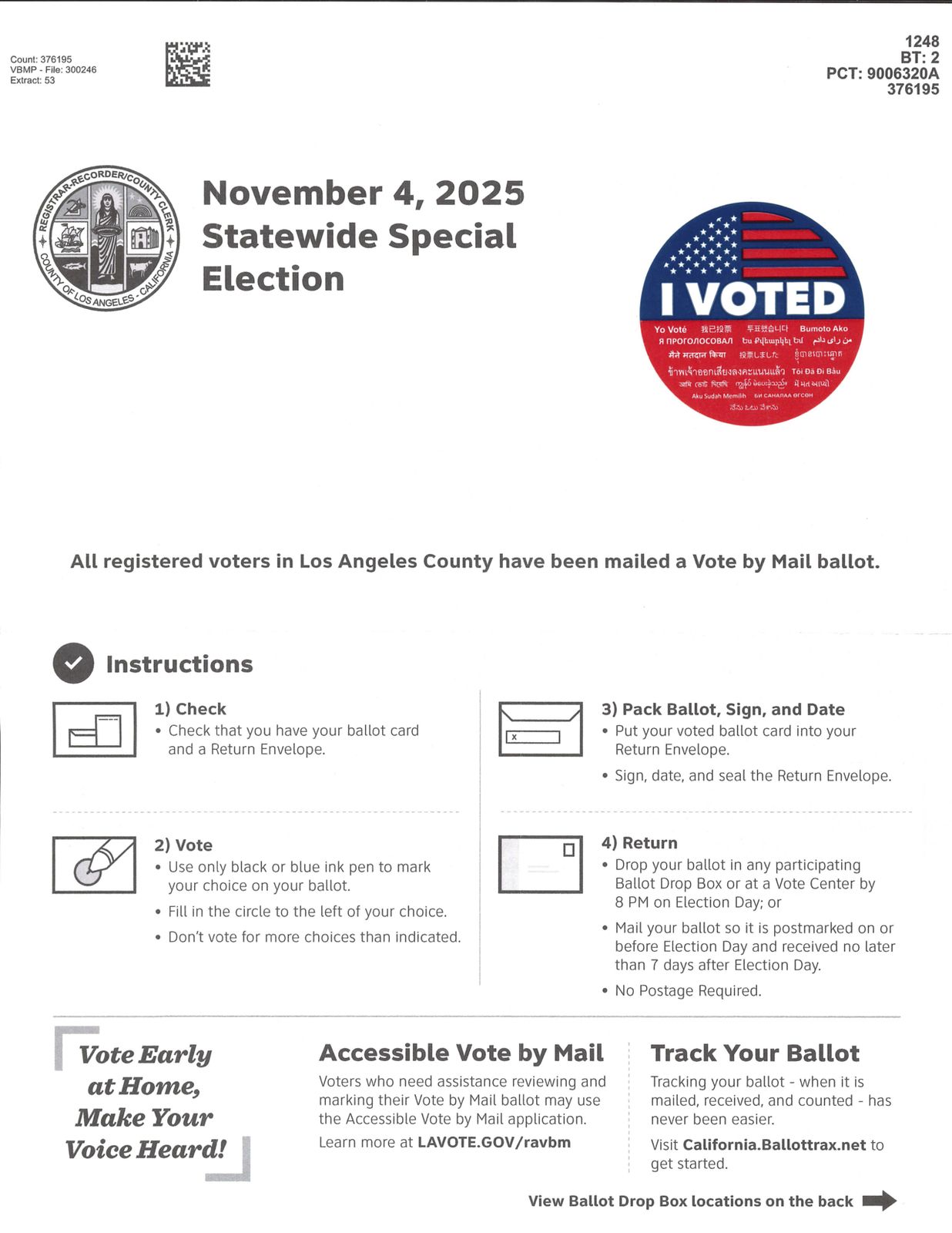
The practical problem is scale. California mails a ballot to every active registered voter, and Los Angeles County is the largest local election jurisdiction in the United States, administering voting for millions of registered voters — more than many states. Reviewing a federal list name by name, verifying citizenship status for each person on it, and building a segregation process for returned ballots, all inside 48 hours and in the middle of an active voting period, is the operational heart of the dispute. Neither the letters as reported nor the department has said publicly how many names are on the list.
Why this matters
This is not only a fight about a thumb drive. It is a fight about who controls American elections in the final weeks before a vote. The US Constitution leaves the running of elections to the states, and federal courts have repeatedly pushed back against this administration's attempts to insert itself into state election administration. The Justice Department's letter is written to test exactly that boundary: it does not announce a lawsuit, it sets a 48-hour clock and names the remedy — emergency relief — if the state does not move first.
The timing is the second reason it matters. Election Day is November 3. Republicans are defending narrow majorities in Congress, and President Trump has made claims of widespread election cheating a central theme of his politics for years — claims election officials of both parties and repeated court reviews have not substantiated at scale. A federal demand that the largest Democratic-led state set aside an unknown number of already-cast mail ballots three weeks before the election is, whatever its legal merits, guaranteed to become a central midterm story, and to be cited by both parties as evidence for the argument each was already making: the administration says it is protecting the integrity of the vote; its critics say it is manufacturing a fraud narrative and risking the disenfranchisement of eligible citizens whose names may be on the list in error.
The numbers in context
Some facts are not in dispute. Voting in federal elections by noncitizens is illegal, and has been for decades; a noncitizen who votes faces criminal penalties and deportation. What is disputed is frequency. State audits and academic studies over multiple election cycles have consistently found confirmed noncitizen voting to be exceedingly rare relative to the hundreds of millions of ballots cast — typically measured in dozens of cases nationally, not thousands — while voter-roll list maintenance routinely flags citizens in error, including naturalized citizens whose status changed after an older government record was created. That error rate is why the mechanics of this letter matter so much: segregating a ballot is reversible, but a process that mistakenly holds back the votes of eligible citizens, three weeks before an election and under court-order time pressure, creates exactly the kind of post-election litigation both sides say they want to avoid.
Both sides
The administration's case is straightforward, and the department made it in its own words this week: election integrity is a federal responsibility as well as a state one, federal law prohibits noncitizen voting, and a state that is told specific names are likely ineligible has a duty to check before those ballots are counted. Supporters of the move argue that even a small number of unlawful votes can decide a close House race, and that asking for segregation — holding ballots aside rather than destroying them — is a proportionate step that preserves everyone's rights while the checks are done.
Critics, including voting-rights advocates and Democratic election officials in other states who have received similar federal pressure this year, answer that the department has not shown its list is accurate, that citizenship data held by federal agencies is known to contain errors and outdated naturalization records, and that a 48-hour ultimatum delivered mid-election is designed to produce a court fight and headlines rather than a verified roll. They note that courts have repeatedly rejected or narrowed earlier administration efforts to direct state election procedures, and they warn that voters who learn their ballot has been segregated may simply not vote at all — an effect, they argue, that falls on lawful voters, including naturalized citizens.
What happens next
The clock in the letter runs out on Thursday. Three paths are open. California could comply in whole or part — Logan's statement leaves room for a negotiated process with the secretary of state and attorney general. It could refuse, inviting the Justice Department to file the threatened emergency action in federal court, where a judge would have to weigh federal election-integrity claims against state control of elections under extreme time pressure. Or the two sides could extend the deadline quietly while lawyers talk, which is how several earlier federal-state election standoffs this cycle have ended. What is certain is that California will not be the last state to receive such a letter if this one produces results the department wants — and that every other secretary of state in the country read this week's news as a preview.
Related coverage: Georgia Election Board Asks DOJ to Declare Its Voting Machines Unlawful · Hegseth Gives Troops a Day Off to Vote in the Midterms · Emerson Poll: Democrats Open an 11-Point Lead for the Midterms
Sources: Reuters (October 14); CNN (October 14); Associated Press news summary (October 14). This article summarises the letters as reported by Reuters and CNN, which reviewed them; the Justice Department has not published the letters or the list.