quiboloy extradition petition doj
World / Philippines / Law
Philippines DOJ Finalizing Extradition of Pastor Apollo Quiboloy to the U.S.
The quiboloy extradition petition doj is nearly ready for court, officials say. What the U.S. request means for his Philippine cases and treaty process.
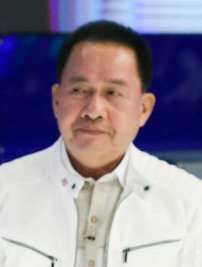
MANILA — The Philippines Department of Justice is in the final stages of preparing a court petition that could begin the formal process of extraditing pastor Apollo Quiboloy to the United States, Justice Secretary Fredderick Vida said Thursday. Vida told a press conference that officials were “just doing some legal scrubbing” and that the filing was “almost ready,” according to BusinessMirror and Balita reporting.
The petition is expected to be filed in a Philippine court, where the U.S. request will be tested under domestic procedure and the 1994 Philippines-U.S. extradition treaty. Quiboloy is being held at Pasig City Jail while facing separate Philippine prosecutions involving allegations of qualified human trafficking, child abuse and exploitation. He denies the allegations against him. The extradition filing would not itself decide guilt on either side of the Pacific; it would ask a Philippine judge to determine whether the legal conditions for surrender have been met.
U.S. prosecutors secured a California federal grand jury indictment in 2021 alleging conspiracy to engage in sex trafficking by force, fraud or coercion, child sex trafficking and bulk cash smuggling. Arrest warrants were unsealed in March 2024 by U.S. District Judge Terry Hatter Jr. The allegations remain unproven, and Quiboloy is entitled to contest both the request and the underlying accusations through the available legal processes.
Why it matters: two justice systems are now converging
The immediate significance is procedural, not theatrical. Extradition often looks like a diplomatic decision, but the next decisive actor is a court. The Philippines DOJ must present a petition that survives scrutiny over identity, treaty coverage, documentation and the relationship between the alleged conduct and extraditable offenses. Vida's reference to “legal scrubbing” suggests officials are checking those details before filing rather than treating the U.S. request as self-executing.
That matters because Quiboloy already faces serious domestic cases. The state must now manage two legitimate interests: allowing Philippine courts to address alleged harm within their jurisdiction, and honoring a treaty request from an ally seeking trial on a separate federal indictment. Moving too quickly could disrupt local proceedings; delaying without a legal basis could weaken treaty credibility. The rules provide mechanisms for balancing both.
The case also carries institutional weight. Quiboloy is the founder of the Kingdom of Jesus Christ and a nationally prominent religious figure. A transparent process is therefore essential. The legal standard should not rise because a defendant is powerful, nor fall because allegations are politically charged. Public confidence depends on courts showing how the treaty applies to the record presented, with the defense given a real opportunity to respond.
How the extradition request reached this point
According to the reports, the formal U.S. request was transmitted through the Department of Foreign Affairs on August 6 and 7, 2026. That diplomatic handoff began the Philippine review. The DOJ's role is to assess the material and take the request to a local court rather than simply place Quiboloy on a flight.
The legal foundation is the bilateral extradition treaty that has operated since 1994. In broad terms, such treaties establish covered offenses and procedures, while domestic courts assess whether the requesting state has supplied the required basis. The process is distinct from a criminal trial. An extradition judge does not determine final guilt on the California counts; the judge evaluates whether surrender is lawful under the treaty and Philippine rules.
The timing became more complicated because Quiboloy is already detained in the Philippines. The 2025 Supreme Court Rules on Extradition Proceedings recognize that an extradition matter can move while a person faces local charges. Treaty Article 11 also allows the requested state to defer surrender until domestic proceedings or punishment are complete, while permitting temporary surrender under agreed conditions. Those options keep the choice from becoming an all-or-nothing contest between Philippine and U.S. prosecutions.
Two other respondents are included in the U.S. matter, according to the cited reporting. Their individual circumstances may not be identical, and the court will have to assess each person's position on the record before it. That is another reason the petition's final drafting matters: group allegations cannot replace person-specific legal findings.
The allegations and the presumption of innocence
The U.S. indictment alleges a scheme involving sex trafficking by force, fraud or coercion, child sex trafficking and the movement of bulk cash. Those are prosecution claims, not findings of guilt. Quiboloy has denied wrongdoing. Any U.S. trial would require prosecutors to prove each charged offense beyond a reasonable doubt, and any Philippine trial must proceed under its own evidentiary and constitutional rules.
The Philippine allegations—qualified human trafficking, child abuse and exploitation—are likewise allegations until adjudicated. The overlap in subject matter may make the cases appear interchangeable, but they arise under different statutes, jurisdictions and evidentiary records. Public discussion should not collapse an extradition hearing, a Philippine prosecution and a U.S. trial into one proceeding.
Senator Risa Hontiveros has expressed support for extradition. Her position adds political pressure for action, but it does not substitute for a judicial ruling. The better measure of the system will be whether the government can file a complete petition, the defense can challenge it, and the judge can explain the outcome under law.
Who gains and who faces risk
U.S. prosecutors gain a formal route to seek custody. A filed petition moves the matter from diplomatic exchange into a court process with enforceable deadlines and findings. But prosecutors still depend on Philippine institutions and may have to accommodate the local cases.
Philippine authorities gain flexibility, but also responsibility. Deferral could preserve the priority of domestic prosecutions. Temporary surrender could allow a U.S. appearance while maintaining Philippine claims to custody. Either path requires detailed coordination over transport, detention, court dates and return obligations.
Complainants in both jurisdictions may gain momentum from a process that no longer sits only in diplomatic channels. Yet delay remains possible, and multiple proceedings can impose additional burdens on witnesses. The defense gains a defined forum in which to contest extradition, but faces simultaneous legal exposure and the logistical difficulty of coordinating cases across jurisdictions.
The institutional loser would be any shortcut. A poorly documented petition could cause delay or rejection. A rushed surrender could trigger legitimate due-process objections. A process perceived as political favoritism could damage trust whether it benefits the prosecution or defense.
What happens next
The first concrete milestone is the filing Vida described. The petition should identify the respondents, treaty provisions, alleged offenses and supporting materials. Once docketed, the court can set procedures for notice, representation and objections. The defense may challenge whether the request satisfies treaty and rule requirements.
If the court ultimately finds extradition permissible, the next question is sequencing. Philippine authorities could defer actual surrender while local cases proceed, or negotiate temporary surrender under the treaty. That decision will reveal how Manila weighs the interests of domestic complainants against Washington's request for custody.
Appeals or other review could extend the timeline. Extradition cases regularly turn on technical questions, which is why the DOJ's final review is consequential. “Almost ready” signals proximity to filing, not an imminent transfer.
For readers following Philippine accountability and the country's institutions, this proceeding belongs beside Signal Post News coverage of the Philippines' martial-law anniversary protests. Its cross-border legal mechanics also echo the U.S. extradition dimension in the Los Choneros case, while the careful separation of accusation from proof matters in South Africa's Sibiya trafficking case.
Sources and reporting notes
- BusinessMirror — DOJ finalizing extradition plea against Quiboloy
- Balita — DOJ almost ready to file Quiboloy extradition petition
Reporting note: Charges and indictment language are attributed to prosecutors. Quiboloy denies the allegations, and all defendants are presumed innocent unless proved guilty.
World Desk analysis · Published October 1, 2026Back to all stories
Disclosure: Signal Post News may earn a commission from qualifying purchases made through links on this page, at no extra cost to you. Learn more.