DNC sues Trump taxpayer-funded ads
The Democratic National Committee says $20 million in Homeland Security money spent on ads praising the president violates the federal ban on government propaganda — with less than a month until the midterms.
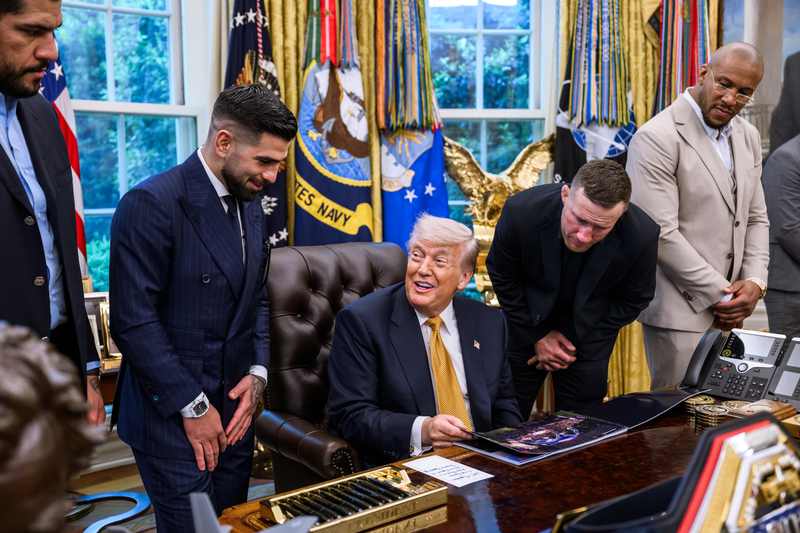
The DNC sues Trump over taxpayer-funded ads in a federal lawsuit filed Wednesday, October 7, 2026, in the U.S. District Court for the District of Columbia, asking a judge to block the administration from spending public money on television spots that praise the president personally. The complaint calls the campaign a “blatant violation” of the decades-old statutory ban on using congressionally appropriated funds for “publicity or propaganda purposes” — and lands with early voting already underway and 27 days until the November 3 midterms.
The complaint names President Donald Trump, the White House, the Department of Homeland Security and the Office of Management and Budget as defendants. It asks the court to declare the spending illegal and halt any further use of federal funds. Because the case was filed Wednesday, the administration has not yet filed a response, and no court has ruled on the DNC’s allegations.
Why this matters
At its core, the lawsuit asks where governing ends and campaigning begins. Federal agencies routinely explain policies and public programs; elected officials routinely defend their records. The “publicity or propaganda” restriction exists to keep that authority from becoming a publicly financed vehicle for an incumbent’s image. The question here is whether the spots inform viewers about government work or principally celebrate Trump in a way that resembles campaign advertising.
The timing sharpens the dispute. The spots began saturating television in late September and ran during football games as recently as Sunday, reaching broad audiences in the final weeks of an election Trump has urged crowds to treat as if he were on the ballot. That context does not by itself decide legality. It does explain why an ad campaign that might otherwise be argued as institutional promotion is being judged as election-season messaging.
A ruling could shape every future administration. If the court draws a firm line around personal praise, presidents of either party would face clearer limits when using agency budgets to promote their leadership. If the court rejects the challenge on standing, mootness or the merits, future White Houses may read the result as wider latitude. The precedent, not only these advertisements, is why the case matters.
How we got here
The $20 million Trump ad campaign
The ads began airing in late September. Reporting says $20 million in DHS funding was tapped for the campaign, with the money drawn from a $175 million package Congress provided for immigration enforcement. The New York Times reported that Trump personally directed the White House budget director to use taxpayer money for the spots. That history connects the lawsuit to Signal Post News’s earlier investigation of the ad buy.
AdImpact, which tracks political advertising, said more than $12 million in ads had already aired. That is not merely a future commitment sitting on an agency ledger; it is spending that has already purchased large television audiences. One spot features Trump declaring, “America will never be a communist country,” while a chorus repeats “love me.” Another pairs Mount Rushmore imagery with praise for a “golden age of America.” Those creative choices are central to the DNC’s argument that the campaign promotes the president rather than simply explaining a policy.

The backlash — and Monday’s pivot
Reuters and the Associated Press reported bipartisan criticism of the government-funded campaign. On Monday, Trump defended the commercials on Truth Social as “a positive promotion for our Great U.S.A.” while saying they would no longer be paid for by taxpayers. The White House said MAGA Inc., the super PAC aligned with Trump, would fund the ads going forward. That voluntary shift is the administration’s clearest answer to critics who objected to federal financing, and it could affect how much forward-looking relief a judge considers necessary.
The pivot was not instantaneous. A fifth ad aired Tuesday, October 6, carrying the disclaimer “paid for by the U.S. Government.” It promoted Trump’s military actions in Venezuela and featured ousted Venezuelan President Nicolás Maduro. The PAC will not reimburse money already spent. Asked Tuesday about repayment, Trump told reporters, “we’ll decide,” leaving the taxpayers’ share unresolved even if future placements move to outside funding.
What the lawsuit actually alleges
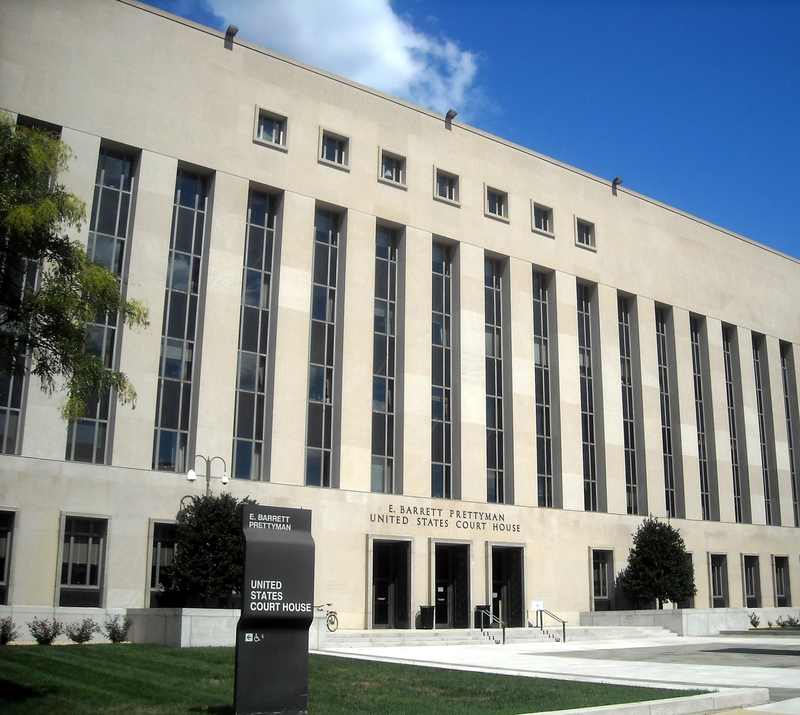
The DNC lawsuit filed in the District of Columbia relies on the federal appropriations restriction against using public money for “publicity or propaganda purposes.” The party asks for two forms of relief: a declaration that the ads are illegal and an order stopping any further federal spending. The theory is straightforward but untested in this specific setting: the ads’ praise of Trump, their style and their election-season timing allegedly convert government communication into personal political promotion.
“With less than 30 days remaining before the midterm election and millions of public dollars apportioned to pay for propaganda ads still unspent, the DNC has no choice but to take action in defense of free and fair elections,” the complaint says. DNC Chair Ken Martin accused Trump of misusing taxpayer dollars in “a last-ditch attempt to save Republicans in November,” adding that “Americans deserve better than to have their hard-earned tax dollars used for Trump’s illegal schemes.” Those are the plaintiffs’ claims, not judicial findings.
The defendants may challenge the DNC’s standing, dispute that the ads meet the statutory meaning of propaganda, argue that the content legitimately promotes the country or its policies, or say the shift to private funding makes an injunction unnecessary. The administration has not yet filed its response. Until it does, the legal record contains only one side’s formal argument.
The numbers that frame the fight
The gap between $20 million authorized and more than $12 million already aired is the case’s practical center. Roughly $8 million may remain unspent, depending on the precise contract terms and placements. An injunction could preserve that balance; it cannot by itself put aired commercials back in the bottle. The unresolved question is whether any mechanism could recover the taxpayer money already used, especially after the White House said MAGA Inc. would not reimburse prior spending.
In a midterm cycle, $20 million buys sustained exposure in competitive media markets and major national broadcasts. Running during football games as recently as Sunday placed the message before audiences far beyond dedicated political-news viewers. The fifth ad then appeared Tuesday, one day after Trump announced the funding change, illustrating how quickly — and imperfectly — a large campaign can pivot from government money to PAC support.
The source also matters: the $20 million was reportedly drawn from a $175 million DHS immigration-enforcement package. The ad campaign represents a little more than one-ninth of that package. Supporters may argue that promoting government actions is part of implementing policy; critics answer that Congress appropriated the money for enforcement rather than burnishing a president’s image. The court will have to evaluate the statutory language and the ads themselves, not only the percentages.
Who stands to gain — and who stands to lose
The DNC could gain a precedent limiting taxpayer-funded political promotion, as well as a fundraising and organizing argument during the closing weeks of the campaign. A loss on standing or the merits could blunt that legal theory and allow Republicans to portray the suit as partisan theater. Either outcome will be folded into the election narrative even if the judge’s reasoning is procedural.
The White House may argue that the immediate practical dispute is already narrowing. A source told Reuters the government-funded spots will end this week and outside groups will pay afterward. If that happens, the PAC takeover could defuse the strongest forward-looking claim and support a mootness argument. Trump’s stated rationale also deserves a fair hearing: he called the ads a positive promotion of the United States, and the administration voluntarily moved future costs away from taxpayers after criticism.
Taxpayers have the most direct financial stake. More than $12 million has already aired, the PAC will not reimburse it, and no one has established whether the government can recover any amount if the court eventually finds the spending unlawful. The unanswered reimbursement question may outlast the commercials themselves.
Republican candidates in tight races could gain from national messages praising a president whose standing shapes turnout, or lose if the spending controversy reinforces voter concerns about self-promotion and public money. The Paxton–Talarico contest in Texas and other closely watched races sit against that backdrop. Separate spending decisions are already reshaping the map, as shown by the pullback in North Carolina’s Senate ad war. Critics from both parties, meanwhile, have an institutional interest in a rule that would bind presidents regardless of party.
What happens next
The DNC could seek a temporary restraining order or preliminary injunction on an accelerated schedule. With 27 days until November 3 and early voting underway in parts of the country, every day matters. To win emergency relief, the party would have to clear familiar hurdles: standing, a likelihood of success on the merits, irreparable harm and the balance of equities.
Mootness may become the threshold fight. If government-funded buys truly end this week, the administration could argue there is nothing left for an injunction to stop. The DNC could respond that millions remain apportioned, the voluntary cessation does not guarantee the conduct will not recur, and a declaration of illegality still matters. How the contracts are structured — and whether unspent funds can be redirected back to their original purpose — may therefore be as important as the White House’s public pledge.
Congress could revisit the propaganda rider, demand spending records or write a more precise election-season restriction. Legislators may also press for an accounting of who approved each placement and whether the remaining balance has been frozen. Those oversight decisions can proceed even if the federal court declines to intervene.
Politically, the case joins other Trump announcements that draw scrutiny over the boundary between official power and campaign advantage, including the Wisconsin disaster-aid announcement. A quick DNC win would keep the spending issue in headlines and restrict the final weeks of the campaign. A White House win — or dismissal on procedural grounds — would let Trump argue that the challenge failed. Neither outcome would settle the broader political argument over whether the advertisements promoted America, the administration’s policies or Trump personally.
The legal answer is uncertain, and the factual picture may change before a judge acts. The first things to watch are whether the federal placements actually stop this week, whether the DNC asks for emergency relief, how the defendants answer the propaganda allegation and what becomes of the unspent portion of the $20 million.
Sources
- Reuters — Jan Wolfe’s October 7 report on the filing, spending totals, funding shift and bipartisan criticism.
- Associated Press — Ali Swenson’s October 7 report on the ads, the DNC’s claims and the political response.
- Democracy Docket — summary of the complaint and the relief requested.