A sharp but undisclosed fall in international applications helped push Columbia's specialized M.A. toward a one-year reset. The school calls it a curricular evaluation; its dean says visas were part of the calculation.
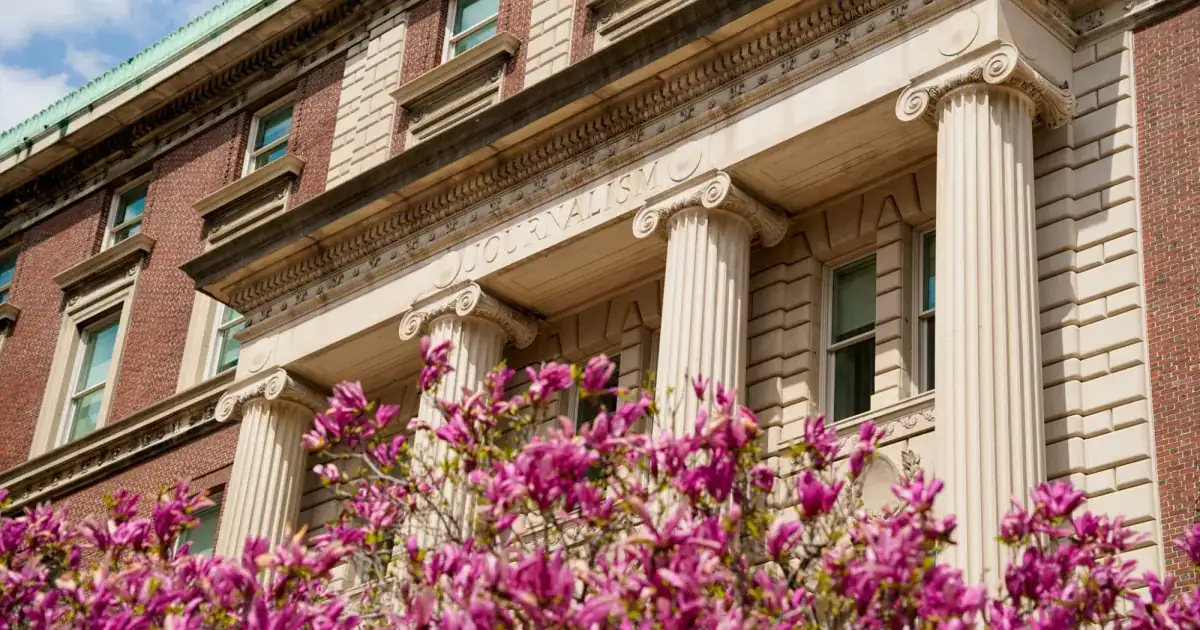
NEW YORK — The Columbia journalism admissions pause is a curriculum review with an immigration shock behind it. Columbia University has stopped admissions to its Master of Arts journalism program for one year after international applications fell sharply amid changing Trump administration visa policies, four people familiar with the matter told Reuters. The school publicly described a “critical evaluation” of the degree. Dean Jelani Cobb then supplied the missing context: “The dynamics of visas and all those other kinds of things were part of the consideration.”
The exact application decline was not disclosed, and the pause applies to one specialized program rather than the entire journalism school. Current M.A. students continue their nine-month course without interruption. Columbia's on-campus Master of Science and Data Journalism programs continue to admit students. Precision matters because “Columbia pauses journalism admissions” can sound like a shutdown; this is a bounded, one-cycle reworking of a degree created in 2005.
Why this matters
International enrollment is both an academic asset and a financial stabilizer for American graduate schools. Foreign reporters bring sources, languages and political experience that cannot be reproduced by a domestic-only cohort. They also make a global journalism degree genuinely global. When visa uncertainty suppresses applications, the loss is not only tuition revenue. It narrows the field of experience inside classrooms and the professional network graduates carry into newsrooms.
Columbia is a particularly revealing case because its Journalism School is a prestige institution with worldwide name recognition and responsibility for the Pulitzer Prize. If prospective students hesitate here, lesser-known programs have even less insulation. The pause also lands while universities are adapting to political pressure, high tuition, newsroom contraction and artificial intelligence — conditions that make an expensive, residential graduate degree harder to defend on reputation alone.
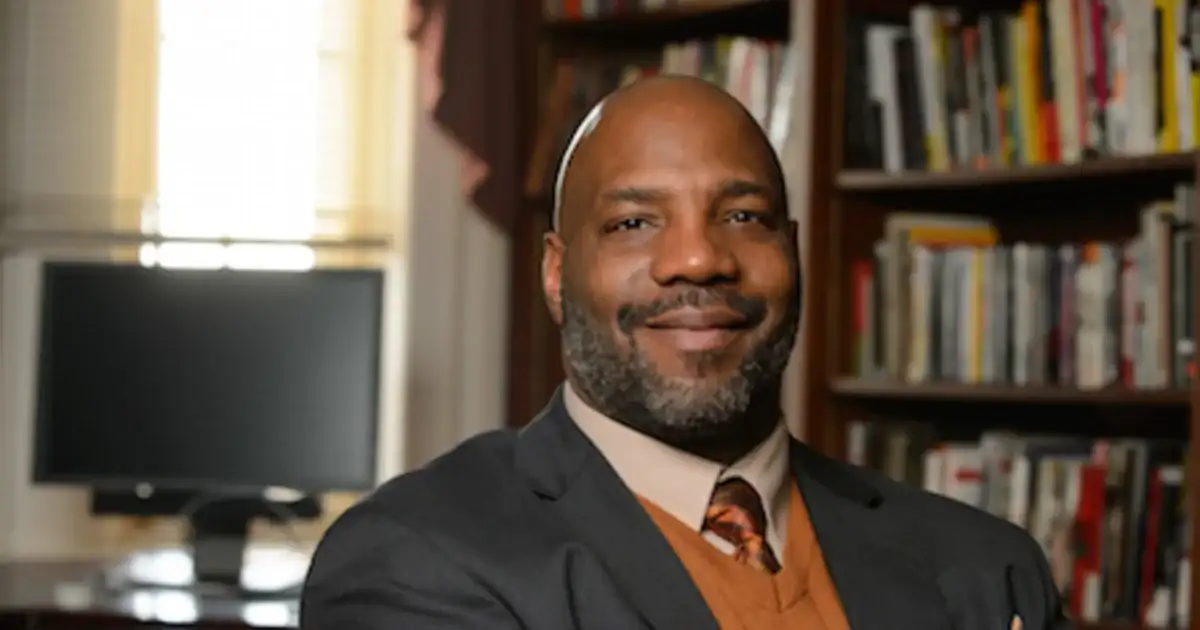
Jelani Cobb dean: visas were one part of a larger rework
Cobb told Reuters the M.A. was created in 2005, when the “journalism marketplace looked different.” That is a restrained way of describing two decades of upheaval: collapsing print advertising, widespread layoffs, the rise of nonprofit and independent outlets, social platforms displacing homepages, and generative AI changing reporting workflows. A program designed for experienced journalists to deepen subject expertise must now prepare them for a market in which employment structures, revenue models and production tools are all less stable.
Columbia's official M.A. page says the school regularly reviews degrees to keep pace with global reporting and is temporarily pausing admissions to focus on a strategic evaluation. It describes the program as a selective course for experienced journalists seeking deeper reporting and subject expertise in Arts and Culture, Business and Economics, Politics or Science. The same page says its network includes more than 828 graduates.
The public explanation and visa reporting are not mutually exclusive. A drop in the applicant pool can create the moment for a review that was already intellectually necessary. The danger is treating “marketplace rework” as a slogan rather than asking which skills, concentrations, price points and delivery formats make the degree worth a year out of work.
Trump visa policies and international students
Last year the administration temporarily halted new student-visa appointments and later resumed them with expanded screening of applicants' online activity. Officials said the checks were necessary to identify potential threats to national security. For a prospective student, however, the policy effect begins before any visa is denied: uncertain appointment dates, unpredictable screening and fear that political speech may be misread can make an application too risky or too late.
Graduate programs operate on synchronized calendars. A student must accept an offer, arrange financing, secure housing, leave a job and obtain a visa before orientation. Even a temporary appointment freeze can break that chain. The cost is asymmetric: the university may lose one enrollee, while the applicant may lose deposits, months of planning or legal status. That imbalance encourages candidates to choose Canada, Britain, Europe or Australia when those routes appear more predictable.
The administration's supporters argue that student visas are permissions, not entitlements, and that online screening is a reasonable security tool. Critics answer that broad scrutiny chills lawful speech, lacks transparent standards and makes American campuses less competitive. The Columbia case does not settle that argument, but it supplies a measurable institutional consequence: a prominent program's applicant pool changed enough for visa dynamics to become part of a one-year pause.
Columbia's $200 million settlement is the wider backdrop
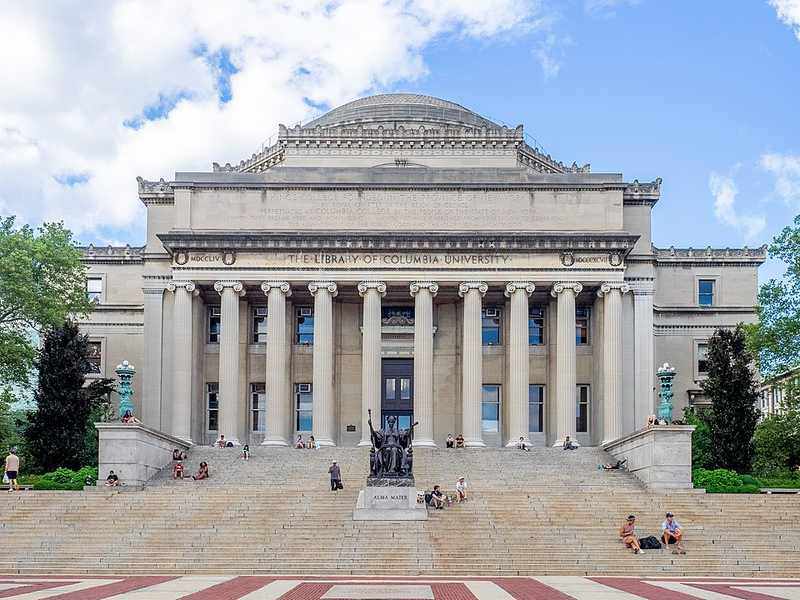
Visa uncertainty is not the university's only federal pressure. Columbia was among institutions targeted after pro-Palestinian campus protests in 2024. Last year it agreed to pay more than $200 million to settle federal investigations and regain most suspended federal funding. The settlement and the journalism pause are distinct decisions, but together they describe a university operating under extraordinary political and financial scrutiny.
That climate affects governance. Administrators must consider legal exposure, federal research money, donor confidence, campus security and the reputational cost of appearing to yield. Journalism schools face an additional tension because they teach scrutiny of power while depending on the larger university's institutional bargaining. Recent political interventions in education, including the public fight over the Cornell investigation and Letitia James, show how quickly campus controversies become national partisan disputes.
The economics of pausing instead of shrinking quietly
A one-year pause concentrates pain but can preserve the brand. Running a very small cohort may raise per-student costs, thin classroom discussion and signal decline. Suspending admissions gives faculty time to redesign the curriculum without asking new students to buy into a degree that is about to change. It also creates urgency.
The losers are immediate. Prospective applicants lose a year or must choose another program. Faculty and adjuncts tied to M.A. teaching may face workload uncertainty. International applicants lose one of the most visible U.S. pathways into specialized reporting. Competing schools gain candidates, while Columbia risks losing momentum if its relaunch is vague or delayed.
The beneficiaries could emerge later. A redesigned degree might combine subject expertise with investigative methods, audience strategy, product thinking, AI verification and entrepreneurial economics. Hybrid or lower-residency elements could reduce visa and relocation exposure. Yet an online answer is not automatically equivalent: much of journalism education's value comes from reporting in New York, working face to face with editors and building trust across a cohort.
Historical parallel: 2005's journalism market is gone
When the M.A. began in 2005, newspapers still carried far more classified and display advertising, social media had not become the main distribution gate, and smartphones had not reorganized news consumption. Specialized expertise was valuable then and remains valuable now; what changed is the business structure around it. Newsrooms increasingly ask one reporter to write, record, appear on camera, analyze data and cultivate an audience across platforms.
The historical lesson is not that deep reporting has become obsolete. It is the opposite: expertise matters more in a polluted information environment, but the institution selling it must connect rigor to employability and sustainable production. A journalism marketplace rework that merely adds trendy software would miss the point. The degree must explain how authoritative reporting survives economically.
What happens next
Scenario one: a redesigned residential M.A. returns
Columbia could keep the nine-month, specialist model while updating concentrations and adding verification, AI, product and business training. This would preserve the program's identity but would not solve visa uncertainty or the cost of living in New York.
Scenario two: hybrid access becomes central
A lower-residency format could let international and working journalists begin remotely, reducing relocation risk. The challenge is preserving the reporting intensity, faculty access and cohort bonds that justify Columbia's premium.
Scenario three: the pause lasts longer
Cobb described one year, but relaunches depend on faculty agreement, budgets and applicant demand. If visa policy remains volatile or the redesign lacks a clear market, the school could extend the suspension. Prospective students should treat the stated year as the plan, not a guaranteed reopening date.
Scenario four: visa policy shifts faster than the curriculum
Appointment capacity or screening rules could change before the next admissions cycle. A more predictable system might restore international demand, but Columbia would still face the 2005-versus-2026 marketplace question. Visa relief alone would not be a curriculum.
The bottom line
The Reuters exclusive establishes the previously unreported link between visa uncertainty, falling international applications and the M.A. pause. Columbia's own materials establish the narrower operational facts: the pause is temporary, current students continue and the school is evaluating the program.
The test of the relaunch will be whether Columbia solves both problems rather than choosing between them. It needs a degree built for today's journalism market and an admissions path resilient enough for talented reporters outside the United States to reach it. One is curricular. The other is national policy. The school controls only the first.