China lays on an extra Havana flight — as fuel runs short and travellers wait
What happened: a "replacement" flight, added at short notice
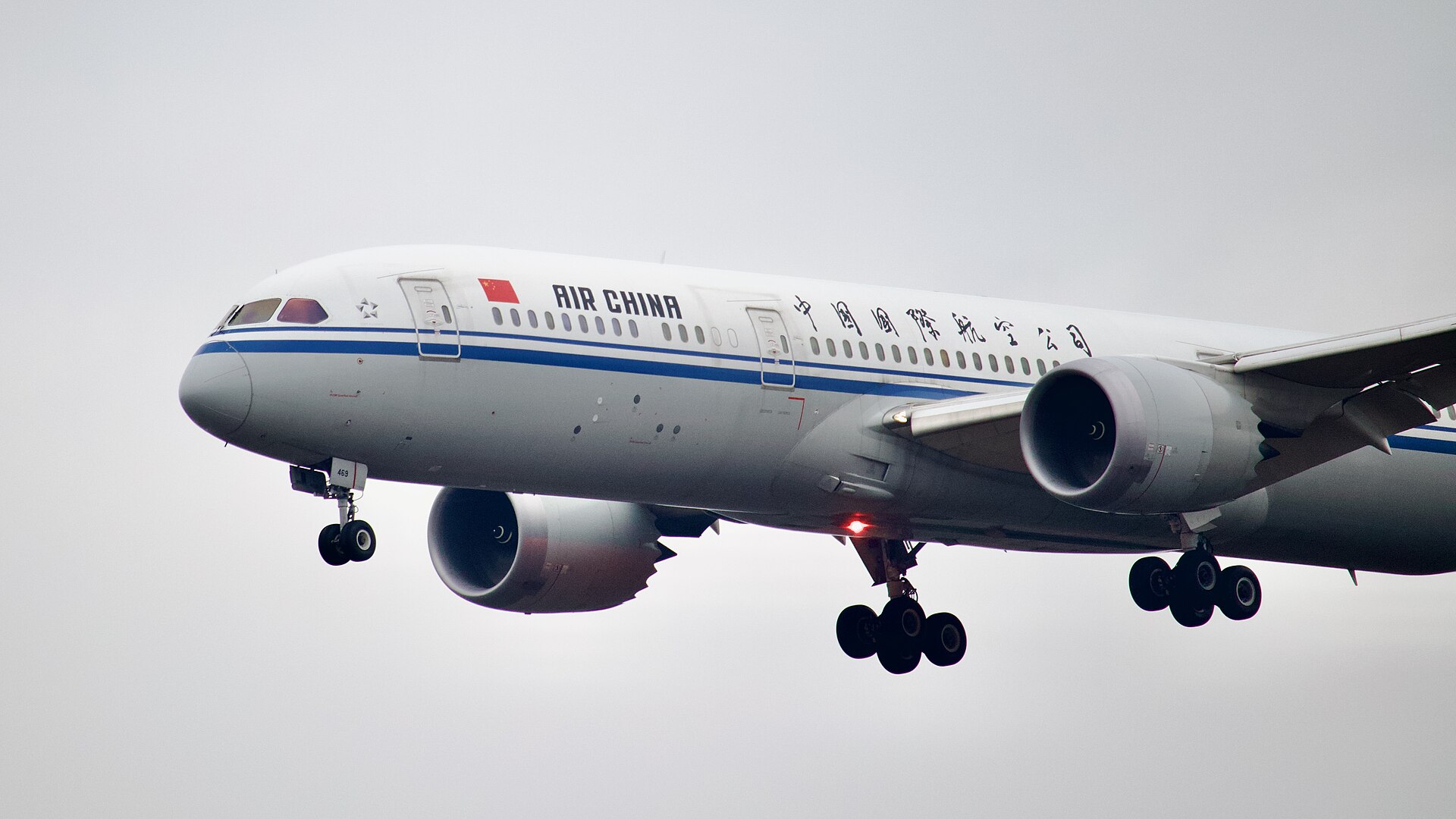
The Chinese embassy in Cuba said on Monday that a "replacement" flight for Air China's regular Havana–Beijing service, flight CA866, had been added under a new number, CA590, and was scheduled to depart Havana at 22:30 on October 19, Reuters reported. The inbound leg had already operated: flight CA589 arrived in Havana, according to the travel agency Umetrip, which Reuters cited. At the time of reporting, however, CA590 itself had not yet departed — a reminder that in Havana this month, a flight on the departure board and a flight in the air are two different things. Reuters described the move as China organising a rare supplementary flight for passengers who had been unable to leave the island.
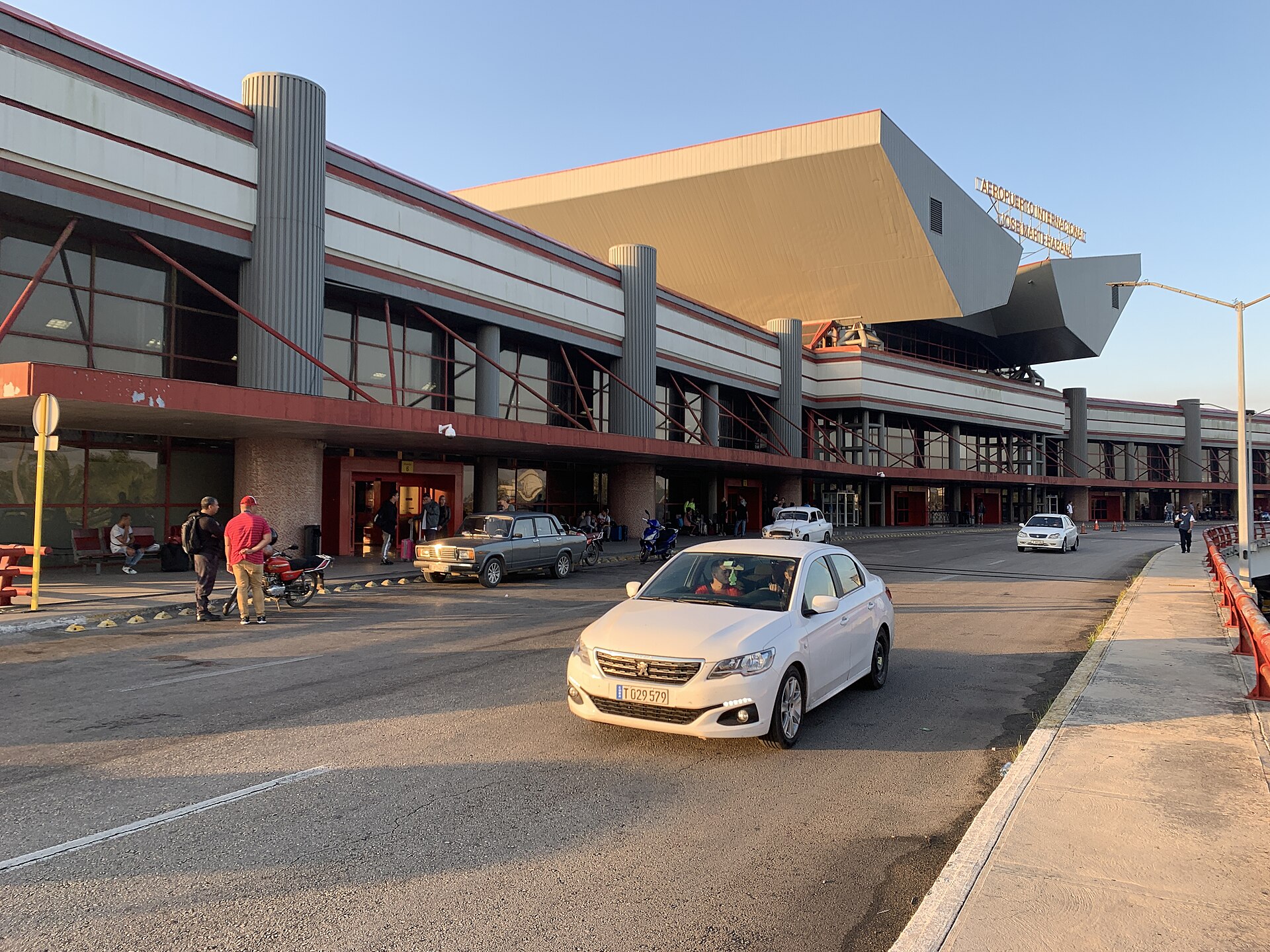
That a single extra departure qualifies as news tells its own story. Havana's José Martí International Airport is Cuba's main international gateway, and the Air China link is one of the island's few remaining long-haul connections to Asia. When a route that thin becomes unreliable, there is no rival airline to rebook onto, no alliance partner with a later departure, and no easy overland alternative from an island. Passengers do not merely wait for the next flight; they wait for the next flight that exists.
A schedule that kept changing — for stated "technical reasons"
The extra flight was needed because the regular service had become unpredictable. The schedule for CA866 had changed frequently in recent weeks, with cancellations attributed, in the airline's and embassy's wording, to "technical reasons" — even as the wider cause was visible across the airport. Notably, the Chinese embassy's statement did not mention the oil crisis at all. That silence is itself informative. Airlines routinely describe fuel-driven cancellations in neutral operational language, and an embassy arranging an evacuation-adjacent departure has diplomatic reasons to keep its wording narrow: it was announcing a remedy, not assigning blame for the problem.
The pattern, though, extends well beyond one route. International airlines have been suspending flights to Cuba over refuelling problems, Reuters reported, as the island's oil shortage deepens. An aircraft that cannot reliably uplift fuel at its destination must carry extra fuel from its origin, tanker it in at significant cost, add a refuelling stop, or stop flying the route. On long, thin routes with modest passenger numbers, the arithmetic quickly stops working — which is why services disappear first exactly where travellers have the fewest alternatives.
Nine months of fuel pressure behind one departure board
Behind the cancellations sits the fuel itself. The United States has piled pressure on Cuba, including what Reuters described as a nine-month de facto fuel blockade and reinforced sanctions, producing what the agency called an unprecedented economic crisis on the island. We have reported separately on how Washington's interdiction effort has reached the tankers themselves, in our coverage of how the U.S. seized Cuba-bound fuel shipments. Aviation fuel is where an energy crisis becomes immediately visible to outsiders: a country can queue for petrol, ration electricity and dim streetlights for months, but an airport either can or cannot fuel a departing wide-body aircraft on a given evening, and the answer is published, in effect, on every departure board.
Two accounts of the same crisis
Why the fuel is short depends on who is explaining it. U.S. officials have long argued that sanctions are intended to press Cuba's government over its political system and human rights record, and to deny its state and military apparatus resources — pressure, in Washington's framing, aimed at the government rather than the population. Cuba's government frames the same measures as a blockade: an embargo maintained for more than six decades that Havana blames for shortages across the economy, from fuel and medicine to food. China, Cuba's partner and the operator of Monday's extra flight, has consistently criticised unilateral sanctions and presented its role in practical terms — on Monday, simply getting its passengers home. Travellers in the departures hall are not required to adjudicate any of that. They experience the argument as a cancelled flight, whichever account they believe.
Why this matters
This story matters because it shows where sanctions stop being an abstraction. Economic pressure is usually measured in trade figures, tanker movements and GDP estimates. On Monday it was measured in seats: one extra aircraft, added by an embassy, for people who could not leave an island. That is the human unit of account in a fuel crisis, and it cuts in several directions at once. For Cuba's government, every stranded traveller is evidence for its blockade argument, broadcast by events rather than speeches. For Washington, the counter-argument is that the pressure is the point — that a government facing an unprecedented economic crisis is a government being forced to reckon with the costs of its system. For China, the flight is soft power in its most concrete form: not a loan or a communiqué, but an aircraft, visibly rescuing a route that the crisis had broken.
There is also a harder, structural lesson for travel itself. Cuba's air links were already thin before this year — a small long-haul network, a tourism sector still rebuilding, and an economy with little slack. Thin networks fail differently from dense ones. A cancelled flight between two European capitals is an inconvenience absorbed by a dozen alternatives; a cancelled flight out of Havana can be a week. Travellers choosing island destinations with fragile fuel and power systems are, whether they know it or not, underwriting that fragility, and Monday's extra flight is a case study in what the downside looks like: not danger, but indefinite waiting, resolved only when a government decides its nationals have waited long enough.

If you are stranded in Havana: a practical guide
The following is general guidance for travellers caught by the current disruption, not official advice — always follow your airline and your embassy's own channels first. Work the official channels, in order. Check your airline's app and airport desks and your embassy's notices before third-party rumours; Monday's CA590 existed on an embassy statement before it existed anywhere else. Protect your rebooking position. Stay ticketed rather than accepting a refund you do not want — a refund ends the airline's obligation to carry you — keep every cancellation notice and receipt, and ask explicitly what later departures you are waitlisted for. Keep the essentials with you. Medication, documents, chargers and a change of clothes belong in hand luggage, never in a checked bag that may travel on a different day from you. Time the airport carefully. José Martí International is about 15 kilometres southwest of central Havana; in a disruption, arrive early enough for rebooking queues, but confirm the flight is still listed before leaving your hotel, because departure times have been moving. Expect refuelling logic, not just delays. Flights may depart at unusual hours, route via a refuelling stop, or be consolidated onto a single extra aircraft, as CA590 was — a changed flight number is a sign your flight has been replaced, not necessarily cancelled. Basics on the ground: keep cash for taxis and food during long waits, agree taxi fares before setting off, be patient with airport staff who usually know no more than the board shows, and treat official information as the only kind worth acting on. Travellers used to dense, competitive route networks may also find our reporting on semi-private flights between New York and Florida a reminder of how different the other end of the aviation market looks.
What happens next
The immediate test is whether CA590's departure marks a stabilised schedule or a one-off rescue. If Air China's regular CA866 resumes and holds, Monday will read as an emergency patch. If cancellations continue — and the fuel shortage behind them is measured in months, not days — more airlines will face the same refuelling arithmetic, and more embassies may face the same choice Beijing faced: say nothing about the cause, and send an aeroplane. Watch the fuel, and you can predict the departure board.
Sources: Reuters, Oct. 20, 2026 (Chinese embassy statement; replacement flight CA590 for CA866, scheduled 22:30 Oct. 19; CA589 arrival via Umetrip; CA590 not yet departed at reporting time; airlines suspending flights over refuelling; nine-month de facto fuel blockade and reinforced U.S. sanctions). Related on Signal Post News: U.S. seizes Cuba-bound fuel shipments · BladeOne semi-private flights, New York–Florida.