US News / Politics / Health — Calley Means resigns from the White House 12 days before the midterm elections. The senior adviser to Health Secretary Robert F. Kennedy Jr. said he leaves with "tremendous respect" for President Donald Trump — but people familiar with his decision say he quit over delays to the MAHA food agenda he was hired to deliver, including a federal definition of ultraprocessed food that never arrived.
Calley Means resigns — and with that short sentence, posted to X on Thursday, the Trump administration lost the person who arguably did more than anyone else to build its strangest and most consequential political alliance. Means, a senior adviser to Health Secretary Robert F. Kennedy Jr. and a chief advocate of the Make America Healthy Again (MAHA) movement, confirmed his departure to STAT and in his own public statement, after the Wall Street Journal first reported the news. Reuters and the Associated Press confirmed the resignation the same day. The Department of Health and Human Services did not immediately respond to Reuters' request for comment.
Means did not give a reason in public. "I am resigning from the White House with tremendous respect for President Trump and Bobby Kennedy," he wrote. "They laid out a vision of combatting the entrenched, dark forces in DC that profit from Americans getting sick. More policy and cultural change has happened around these goals in the past 2 years than any time in history — and I know this movement is just getting started." Behind that gracious wording, however, three people familiar with his decision told CNN that he quit primarily because of delays in advancing the policies at the center of the MAHA agenda — above all, a long-promised federal definition of ultraprocessed foods that officials had hoped to finalize well before the midterm elections, and that instead ran into continued White House delays and sharp pushback from major agriculture industry groups. The timing is the story: 12 days before Election Day, in the middle of a campaign in which administration officials have stressed that food policy would motivate the Kennedy supporters who backed Trump in 2024 to turn out again for Republicans.
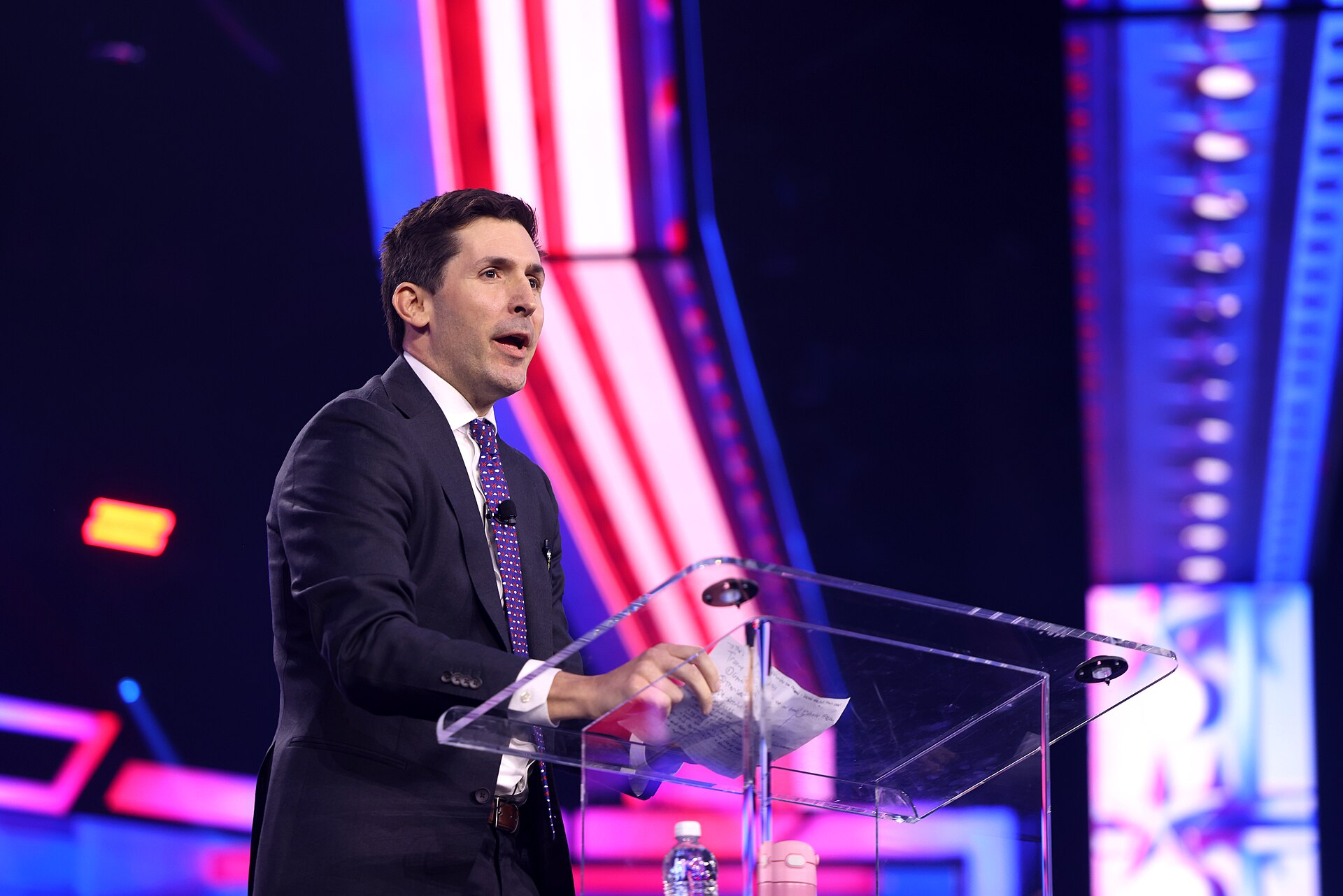
What happened on Thursday
The sequence, assembled from the Journal, CNN, STAT, Politico's reporting and Means' own post, is tight. Means had been scheduled to meet this week with Kennedy and White House officials to discuss defining ultraprocessed foods — a MAHA priority that had been billed internally as a deliverable for disaffected MAHA voters. That meeting was postponed, after having been leaked to Politico the week before. On Thursday, Means resigned. The Journal, citing people familiar with the matter, reported that he was greatly frustrated by White House delays of some of Kennedy's most popular policy ideas, blamed others in the administration for allowing food companies and special interests too much sway, and was described by one person as "disillusioned." He declined to comment on his reasons to the Journal, and he told STAT only that he was leaving with respect for Trump and Kennedy — "two historic figures who are committed to confronting a corrupt DC bureaucracy that is doing everything possible to protect the status quo."
The White House response was warm and brief. "We are grateful for Calley Means' time in the Trump Administration," spokeswoman Allison Schuster said. "He has done a fantastic job for the MAHA movement." Trump himself, asked by reporters on Thursday afternoon, distanced himself personally while endorsing the brand: "I don't know him very well," the president said, before adding, "MAHA is great." That pairing — gratitude from the press office, near-anonymity from the president — is a familiar Washington exit pattern for advisers whose departures are meant to be absorbed quietly. What makes this one hard to absorb quietly is who Means is, and when he chose to leave.
Why this matters
Resignations of senior advisers happen in every administration. This one matters for three distinct reasons. First, Means was not a fungible staffer. He was, as the Daily Caller put it, a chief architect of the Trump–Kennedy alliance itself: during the 2024 campaign he arranged the phone call that helped clinch Kennedy's endorsement of Trump, and CNN credits him with introducing the two men — the introduction that eventually put Kennedy in the Cabinet as the nation's most powerful health official. When the broker of an alliance walks out saying the alliance's agenda is being obstructed, that is a data point about the alliance, not just about personnel.
Second, the substance of the frustration is a specific, checkable policy record. Two Kennedy food priorities were deferred, according to the Journal: the ultraprocessed-foods definition, intended to support eventual labelling, and a school-meals regulation mandating less added sugar and more protein. A regulation replacing the "generally recognized as safe" (GRAS) pathway — which has allowed food companies to introduce new additives without notifying the FDA — sits under review at the Office of Information and Regulatory Affairs. In August, Means stood beside Kennedy at an HHS event promising a crackdown on artificial food dyes, sweeteners and other additives; the announcement stopped short of requiring manufacturers to prove their ingredients are safe, a long-held MAHA priority. And in February, Trump signed an executive order invoking the Defense Production Act to prioritize domestic supply of glyphosate, the weed killer many MAHA activists want restricted — a move AP noted was part of the movement's wider discontent, alongside food security. Means' own resignation post reads, in that light, like a list of the wins he is choosing to remember: dietary guidelines reform, psychedelic reform, removing soda from SNAP, removing food dyes, GRAS reform, overhauling government food procurement. Several of those items are, on the public record, partial or in progress — which is precisely the argument now raging inside the movement.
Third, the electoral clock. This month, a coalition of MAHA activists released a "scorecard" claiming the administration had failed most of its promises to restrict pesticide use, promote healthier foods and break up special interests, CNN reported — and the delay has stoked anger among advocates promising retribution at the ballot box. STAT framed the departure as putting MAHA "on even shakier ground ahead of the elections," with the movement struggling to find a financial or messaging foothold and some of its candidates lagging in polls. An administration that planned to run on food policy in the final fortnight now has to explain why its most visible food-policy advocate concluded he could do more from outside.
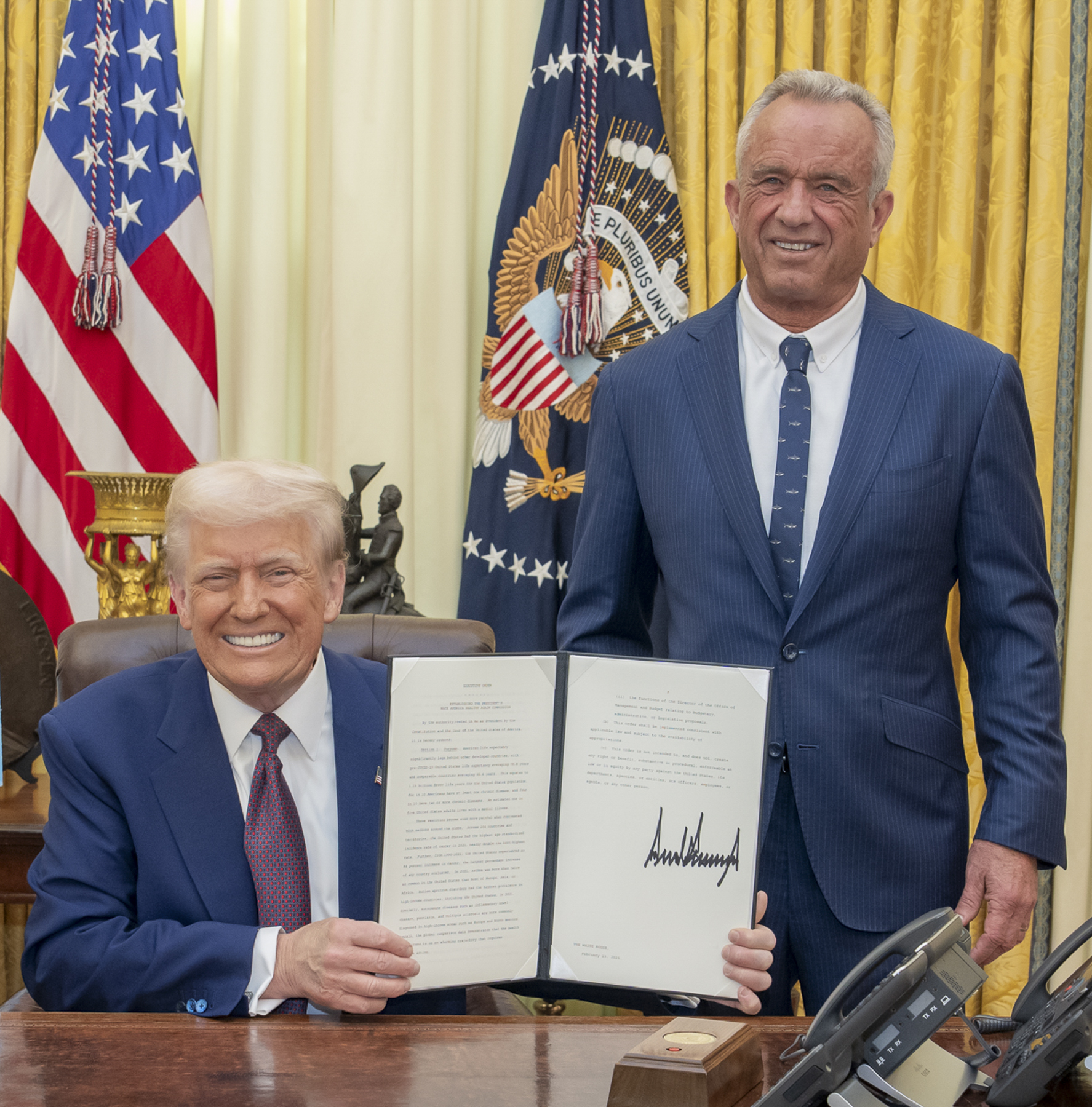
How we got here: the broker, the book and the alliance
Means came to politics through personal loss and a bestseller. He and his sister, Dr. Casey Means, rose to prominence in conservative circles after their mother's death, arguing that America's chronic-disease crisis is driven by a health-care and food system that profits from sickness. Their 2024 book, Good Energy: The Surprising Connection Between Metabolism and Limitless Health, made the case in accessible language and made the siblings fixtures of the wellness-politics circuit. Before government, Calley Means founded Truemed, a company that lets people use tax-advantaged FSA and HSA funds to buy health and wellness products. He advised Kennedy's independent presidential campaign, then — in the move that changed two careers — helped bring Kennedy and Trump together in 2024. Kennedy suspended his campaign, endorsed Trump, and after the election became Secretary of Health and Human Services. Means joined the administration early in Trump's second term, first in a temporary White House role and later as a top adviser at HHS, where AP notes he used his perch to attack the nation's leading physician groups, federal agencies and government scientists, accusing them of protecting their own interests.
The family story carries its own cautionary subplot. Trump nominated Casey Means as surgeon general; the nomination was later withdrawn after senators raised concerns, which AP described as doubts over her vaccine stance and STAT as concern about her lack of medical experience. That episode was an early sign that the MAHA project's personnel politics would be as contested as its policy politics — a pattern that continued through a string of senior health officials quitting or being fired in recent months, as CNN reported, while voters soured on Kennedy's vaccine policies and the White House sought to pivot the health agenda toward more popular priorities like food.
The stalled agenda, item by item
Ultraprocessed foods: the definition that never landed
Defining "ultraprocessed food" in federal regulation sounds technical; politically, it is the keystone. A definition is what would let the government label products, change school-lunch standards and rewrite procurement rules with legal force. Officials initially hoped to finalize it well before the midterms. Instead, per CNN's three sources, it faced continued delays in the White House and sharp pushback from major agriculture groups — and the meeting meant to move it this week was postponed. Politico reported, via STAT, that frustration over exactly this delay drove Means' decision. One administration official quoted by Newsmax's summary of the Journal reporting said of the school-meals proposal: "It basically got endlessly delayed because of industry concerns."
School meals, GRAS and glyphosate
The school-meals rule — less added sugar, more protein — was the second deferred priority named by the Journal. The GRAS reform Means listed among his achievements remains a proposed rule under regulatory review, not a finished one. And glyphosate cuts the other way entirely: where MAHA activists see a carcinogen to restrict, the administration's February executive order treated domestic supply as a national-security priority. Supporters of the administration argue — fairly — that dietary guidelines were rewritten, state SNAP soda waivers advanced, food-dye commitments were extracted from major companies, and procurement rules are genuinely being overhauled, all inside two years, against a regulatory process that is slow by design. Critics inside the movement answer that the pattern is consistent: the popular, voluntary, headline-friendly items moved; the binding rules that would cost industry money are the ones that slipped. Means' resignation does not settle that argument, but the fact that the movement's own insider made it — by leaving — gives it a weight no outside critic could.
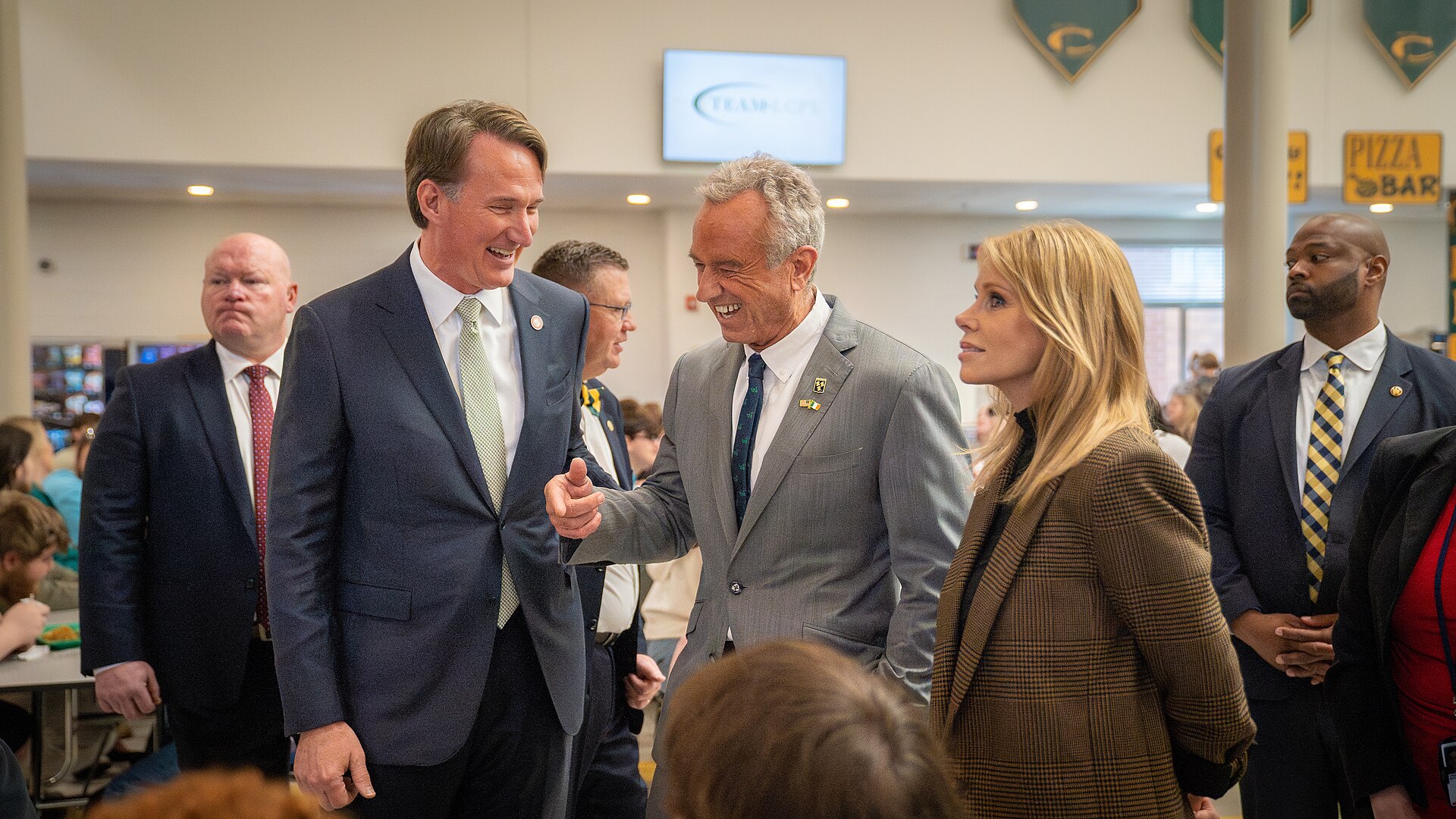
Both sides: what supporters and critics say
Inside the movement, the reaction was grief mixed with vindication. Kelly Ryerson, a health activist who leads American Regeneration, told AP she was "impressed that he completed over two years at HHS fighting the food battle, despite all of the obstacles presented by corporate interests," adding: "At the heart of MAHA is a shared belief that the nation's health must not be sacrificed to corporate profit." To CNN she was blunter: "Sophisticated legal roadblocks and political shenanigans designed to appease corporate interests have made progress nearly impossible. Big Food and Big Ag only continue to survive by owning our elected officials and regulators, and they are currently succeeding." Alex Clark, who runs a MAHA-themed podcast for Turning Point USA, called the exit "devastating, but had to be done," adding: "I would have had no choice but to leave too." A former official quoted by the Daily Caller called Means "the last principled warrior willing to stand up to corruption and special interests."
The administration's defenders make two points, both worth weighing. The first is process: rulemaking that survives court challenge takes time, and several of the delayed items are in formal review rather than buried. The second is temperament: the Journal has previously reported that Means clashed with other White House officials, sometimes raising his voice, and that some colleagues found him unwilling to make the practical concessions that make policies feasible. Both points can be true alongside the movement's complaint — Washington history is full of reformers who were simultaneously right about the obstruction and difficult about the compromise. What neither side disputes is the political fact: the exit happened 12 days before an election in which MAHA turnout was supposed to be a Republican asset, and as we reported in our look at the Reuters/Ipsos enthusiasm gap, the administration could ill afford another reason for a coalition partner's voters to stay home. It is also the second high-profile White House personnel rupture in a week, after the events covered in our report on the press secretary's seven-day tenure — very different stories, but the same late-October story of an administration shedding people faster than it can replace them.
What the numbers imply
Strip away the personalities and the arithmetic is stark. The MAHA experiment was always a coalition trade: Kennedy delivered a slice of health-focused, formerly independent voters in 2024; in exchange, his agenda got the machinery of HHS. Two years on, the delivered half of the trade is measurable — revised dietary guidelines, SNAP soda waivers spreading state by state, voluntary dye commitments, a chronic-disease report (one that STAT notes included AI-driven errors), a psychedelics access effort. The undelivered half is equally measurable: zero finalized federal definition of ultraprocessed food, zero finalized school-meals sugar rule, zero finalized GRAS replacement, and an executive order actively protecting glyphosate supply. A movement scorecard grading "most promises failed" is an activist document, not an audit — but when the movement's own White House advocate resigns over the same list, the scorecard stops being easy to dismiss as outside noise. For a midterm electorate, the question is whether MAHA voters blame "dark forces" and stay loyal, as Means' gracious statement invites them to, or blame the administration and stay home, as the scorecard's authors are urging in reverse.
What happens next
Three things to watch. First, the two stalled rules: if the ultraprocessed definition or the school-meals standard suddenly accelerates in the next 12 days, that will confirm both the delay story and the electoral motive for ending it; if they slip past Election Day quietly, Means' account of obstruction will be hard to refute. Second, Means himself: he says he will continue working to further Kennedy's MAHA agenda from outside, and an outside Means — unbound by administration message discipline, with a bestseller's platform and a movement's trust — may be a louder problem for the White House than an inside one ever was, especially if the scorecard campaign grows. Third, Kennedy: his closest political broker has left while insisting the secretary himself remains committed, a framing that protects Kennedy personally while indicting the building around him. Whether Kennedy echoes that framing, distances himself from it, or loses more senior staff will tell voters which of Thursday's two stories is true — a principled resignation inside a healthy movement, or the first visible crack in the alliance that helped win 2024.
Sources: Associated Press (Oct. 22, 2026); Reuters (Oct. 22, 2026); Wall Street Journal (Oct. 22, 2026); CNN (Oct. 22, 2026); STAT (Oct. 22, 2026); Politico reporting via STAT and the Daily Caller (Oct. 22, 2026); Calley Means' resignation statement on X (Oct. 22, 2026); Bloomberg Law (Oct. 22, 2026). Frustration and delay claims are attributed to people familiar with the matter in the cited reporting; Means declined to state his reasons publicly, and his on-record statement is quoted in full context above.