Santa Ana is the city newcomers underestimate and longtime Orange County residents quietly covet. As the county seat, it anchors the region's courts, government, and civic life — but for home buyers, its real advantage is position. Few cities put you closer to everything: the 5, the 22, the 55, and the 405 all pass through or beside Santa Ana, the Metrolink and Amtrak stop at the Santa Ana Regional Transportation Center, and John Wayne Airport sits a few minutes south. That centrality is why commuters, first-time buyers, and investors all end up circling the same map.
Why Santa Ana draws home buyers
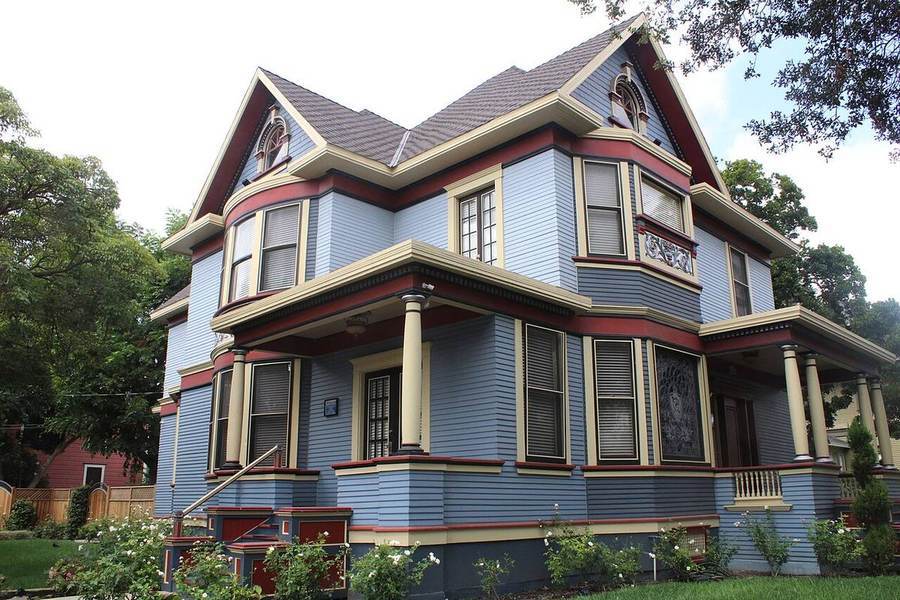
Santa Ana offers something most Orange County cities cannot: a real downtown with a lived-in pulse, plus relative affordability for the location. The city's housing stock runs the full arc of Southern California architecture — Victorian and Craftsman homes from the early 1900s in the historic districts, Spanish and ranch houses from the postwar boom, midcentury apartments, and modern lofts in the Artists Village downtown. That variety means buyers with very different budgets and tastes can all find a foothold in the same city.
The city is also culturally rich in a way that matters to daily life. Fourth Street's downtown corridor, the Artists Village, the Bowers Museum, and a deep bench of family-owned restaurants give Santa Ana a flavor no master-planned community can manufacture. Buyers who want walkability, character, and a genuine sense of place — rather than a subdivision that looks like every other — tend to fall for Santa Ana fast.
There is a practical side too. Because Santa Ana sits at the county's geographic center, the commute math works for an unusually wide radius: Irvine's job centers to the south, Anaheim and the resort corridor to the north, Costa Mesa and the airport to the southwest. For two-income households working in different parts of the county, that centrality can be the deciding factor.
Santa Ana neighborhoods at a glance
Floral Park is the city's showcase historic district — grand, tree-lined streets of restored homes north of downtown, protected by historic designation. French Park, east of downtown, holds some of the city's oldest Victorian and Craftsman homes and a strong preservation community. Both districts attract buyers who specifically want historic character and are willing to accept the responsibilities that come with it, including design review for exterior changes and the maintenance demands of century-old construction.
Downtown Santa Ana and the Artists Village offer a different proposition: lofts, condos, and live-work spaces steps from galleries, restaurants, and the 4th Street corridor. This is the walkable urban option — smaller square footage, bigger lifestyle — popular with professionals who want nightlife and culture outside their front door.
West Floral Park and Washington Square sit in the middle ground: charming midcentury and ranch neighborhoods with strong community feel, often a step more affordable than the flagship historic districts. The city's south side, toward the airport and the South Coast Metro edge, mixes apartments, condos, and townhomes that work well for first-time buyers prioritizing location and a shorter commute.
Compared with its coastal neighbors, Santa Ana also deserves a look from anyone weighing buying a house in Garden Grove — the two cities share central-OC convenience, and comparing them block by block is a smart move.
Commute and getting around: the 5, 22, 55, and 405
No city in Orange County is better wired for freeways. The 5 runs along the city's western edge, the 22 cuts through the middle, the 55 heads straight to the coast and the airport, and the 405 is minutes to the south. That means buyers can realistically commute to Irvine, Costa Mesa, Newport Beach, Anaheim, or even north county — though "realistically" still means Southern California traffic, and buyers should test-drive their actual commute at rush hour before committing.
The Santa Ana Regional Transportation Center gives the city a genuine transit option most suburbs lack: Metrolink's Orange County and Inland Empire–Orange County lines, Amtrak's Pacific Surfliner, and OCTA bus connections all converge there. For buyers working near a rail corridor, a home near the station can cut driving dramatically. And John Wayne Airport, just south of the city line, makes Santa Ana one of the easiest places in the county to live if you travel for work.
Buying an older home: what Santa Ana inspections must cover
A large share of Santa Ana's most desirable homes were built before 1960, and old houses hide old problems. A general home inspection is table stakes; buyers of vintage property should also budget for targeted inspections of the foundation, the electrical system (knob-and-tube wiring still surfaces in prewar homes), the plumbing (galvanized or cast-iron lines nearing end of life), and the roof. Termite inspection is non-negotiable in Southern California, and many Santa Ana buyers add a sewer-line camera inspection for older neighborhoods.
In the historic districts, buyers need to understand preservation rules before they buy, not after. Floral Park and French Park carry design-review requirements for exterior changes — additions, window replacements, and even paint colors in some cases. Those rules protect the character (and values) of the district, but they limit what a flip-minded buyer can do. Ask your agent specifically about Mills Act contracts too: qualifying historic homeowners can get meaningful property-tax relief in exchange for maintaining the home's historic character.
If you are still mapping your budget, our first-time home buyer guide for Orange County walks through pre-approval, down payments, and the full buying sequence.
How the buying process works in Santa Ana
The mechanics of buying here follow the California standard: get pre-approved, tour with an agent who knows the city's micro-neighborhoods, write an offer with inspection and appraisal contingencies, then work through escrow. Where Santa Ana differs is the due-diligence list. Older homes demand deeper inspections; historic-district homes demand a review of preservation rules; and condos or lofts downtown demand a hard look at HOA health, reserves, and any pending special assessments.
Buyers should also plan for California home buyer closing costs on top of the down payment — typically a few percent of the purchase price in lender fees, escrow, title, and prepaid taxes and insurance. In competitive situations, some buyers waive contingencies to win; in Santa Ana's older stock, waiving the inspection contingency is a gamble that can turn expensive fast.
Competition varies by segment. Restored historic homes in Floral Park draw bidding wars when they hit the market because supply is tiny. Condos and townhomes, and homes needing work, tend to give buyers more breathing room — and more negotiating leverage. Knowing which segment you are shopping in changes your entire strategy.
Who wins — and who should keep looking
Santa Ana rewards buyers who value location, character, and relative value over newness. First-time buyers get central-OC access without coastal prices. Commuters get the best freeway web in the county. History lovers get genuine architectural stock, not reproductions. And investors get a deep rental market anchored by the county's civic and medical employment base.
It is a weaker fit for buyers who want a brand-new home with no maintenance surprises — new construction is scarce here — or who need top-tier school-district branding as the centerpiece of the purchase. Buyers who want master-planned uniformity should look south: buying a house in Irvine is the mirror-image decision, trading Santa Ana's character for Irvine's newness and order. The right answer depends entirely on which tradeoffs you are happy to live with.
Frequently asked questions
Is Santa Ana a good place to buy a house?
For many buyers, yes. Santa Ana offers central Orange County location with access to the 5, 22, 55, and 405 freeways, Metrolink and Amtrak service, a genuine downtown with restaurants and culture, and historic neighborhoods like Floral Park and French Park. Buyers trade some newness for character and centrality — the housing stock skews older, so inspections matter more here than in newer cities.
What are the best neighborhoods in Santa Ana for home buyers?
Floral Park and French Park are the flagship historic districts, prized for restored early-1900s homes. Downtown's Artists Village offers lofts and condos with walkable nightlife. West Floral Park and Washington Square provide midcentury charm at a relative discount, while the south side near the airport offers condos and townhomes popular with first-time buyers.
Are Santa Ana's historic homes hard to maintain?
They demand more attention than new construction — older wiring, plumbing, foundations, and roofs are common inspection findings — and the historic districts carry design-review rules for exterior changes. Many owners find the tradeoff worthwhile, and Mills Act contracts can reduce property taxes for qualifying historic homes. Go in with a specialized inspector and realistic maintenance budget.
How is the commute from Santa Ana?
Among the best in Orange County for flexibility: the 5, 22, 55, and 405 converge around the city, and the Santa Ana Regional Transportation Center offers Metrolink and Amtrak service. Commutes to Irvine, Costa Mesa, Anaheim, and the airport are all manageable — but buyers should still test-drive their specific route at rush hour before buying.
Thinking of buying or selling in Orange County?
Get a free, no-pressure consultation. Tell us what you are looking for and get a fast callback. Casa Blanca Realtors is our featured local pick for Orange County buyers (partner).
Get My Free ConsultationFree consultation · Fast callback · No pressure.
Sources and further reading
Consumer Financial Protection Bureau: home-buying resources · U.S. Department of Housing and Urban Development · California Department of Real Estate