The city of Orange is often confused with the county that shares its name, which is a shame — because the city is one of the most distinctive places to buy a home in Southern California. Old Towne Orange, centered on the historic plaza circle, is the largest National Register historic district in California, a square mile of preserved early-1900s streetscapes. Around it, Chapman University brings college-town vitality, and the city's central location puts the 55, 22, and 57 freeways within easy reach.
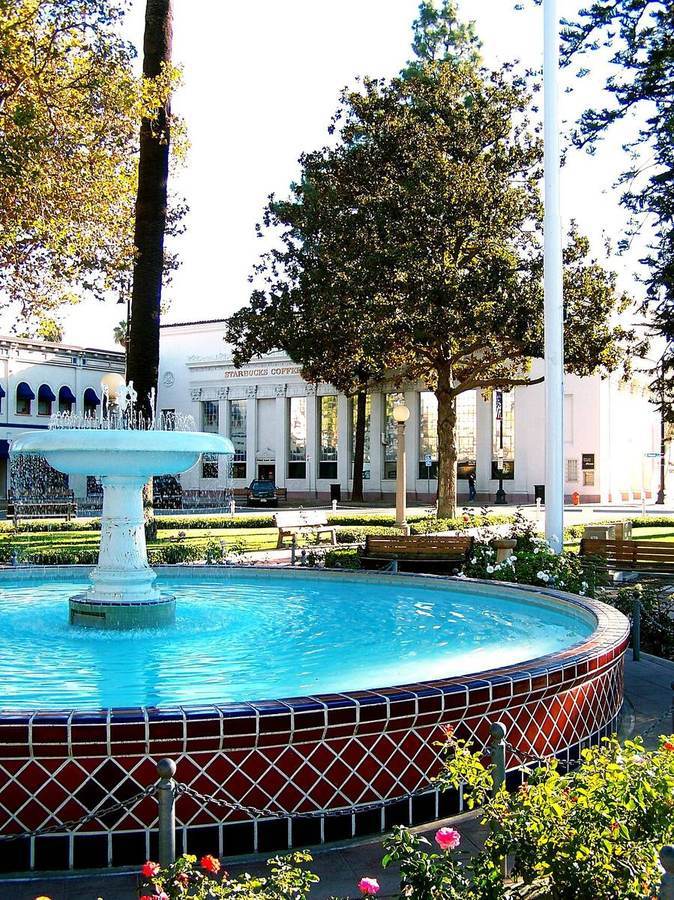
Old Towne: the historic district
Old Towne is the reason buyers come to Orange. The plaza — a circular park with a fountain at the intersection of Chapman Avenue and Glassell Street — anchors blocks of Craftsman bungalows, Victorian homes, and early-20th-century commercial buildings, many meticulously restored. Antique shops, cafes, and restaurants fill the historic storefronts, and the district hosts beloved events that give it a genuine small-town calendar.
Buying in the historic district means buying into preservation. The city's design-review standards govern exterior changes — additions, window replacements, roofing materials, even paint in some cases — to protect the district's character. Those rules preserve the values buyers are paying for, but they constrain the flip-and-modernize playbook. Understand the rules for your specific property before you write an offer, not after closing.
The financial upside of historic ownership here is the Mills Act: qualifying historic homeowners can receive significant property-tax reductions in exchange for maintaining the home's historic character. For the right buyer, it meaningfully improves the monthly math — ask a local agent which properties carry or qualify for Mills Act contracts.
Chapman University and the college-town effect
Chapman University, a private university whose campus blends into Old Towne's historic fabric, shapes the city's east side. The university brings cultural programming — film screenings, concerts, lectures — a major employment base, and a steady stream of faculty and staff buyers. It also brings student-rental demand: streets near campus have higher investor activity and turnover than the deep residential blocks.
For owner-occupants, the Chapman area offers the classic college-town bargain: walkable streets, coffee shops and bookstores, evening energy — with the historic district's architecture as the backdrop. For investors, the rental market is deep but competitive, and HOA and city rental rules should be verified before counting on income.
Beyond Old Towne: El Modena and the wider city
Orange extends well beyond the historic core. El Modena, in the city's east, offers postwar tracts and a more suburban feel at more accessible prices. The areas around the Village of Orange shopping district and the city's western edge toward Santa Ana and Garden Grove mix midcentury homes with strong commuter positioning.
Villa Park, the tiny city-within-the-area to the northeast, is technically separate but functionally part of Orange's orbit — buyers often tour both. And the city's southern edge touches Irvine's planning boundary, offering newer stock for buyers who want Orange's centrality with modern floor plans.
This variety means Orange works for multiple buyer profiles: historic-district purists, Chapman-area college-town seekers, and practical families wanting central-OC value. Buyers comparing historic options across the county should also see our guide to buying a house in Santa Ana, whose Floral Park and French Park districts offer a parallel historic proposition.
Commute and centrality
The city of Orange sits at a freeway crossroads: the 55 along its western edge, the 22 to the south, the 57 to the east. That triangle serves Irvine and the Spectrum to the south, Anaheim and the resort corridor to the north, and the 91 corridor east. For buyers working across the county, Orange's centrality rivals Santa Ana's — with a very different residential feel.
Chapman-area buyers working at the university or the nearby medical and professional corridors can achieve genuinely short commutes. And the historic district's walkability — the plaza, the shops, the restaurants — reduces car dependence for daily life in a way few OC neighborhoods can match.
What to inspect in Orange's historic stock
Old Towne's homes are among the oldest in the county, and the inspection list is the full vintage workup: foundations (many predate modern codes), electrical systems (knob-and-tube still appears), galvanized or cast-iron plumbing, old roofs, and termites — always termites in Southern California. Use inspectors who specialize in historic construction; a generalist can miss the era-specific issues.
Beyond structure, verify the historic-designation status of the specific property: what rules apply, what changes require review, and whether a Mills Act contract is in place or achievable. These are not deal-breakers — they are the terms of the bargain — but they must be understood during escrow, when you still have leverage. For negotiation strategy, see negotiating after a home inspection in California.
How the buying process works here
Old Towne inventory is limited and beloved — well-priced historic homes draw multiple offers, and sellers often favor buyers who signal they will steward the home's character. A heartfelt buyer letter (where permitted) and a clean offer go far. Outside the district, the market behaves more conventionally, with El Modena and the wider city offering more inventory and more negotiating room.
Everywhere in the city, the California fundamentals apply: pre-approval first, inspection and appraisal contingencies, escrow, close — plus California closing costs on top of the down payment. First-time buyers should start with our first-time buyer guide for Orange County.
Who wins — and who should keep looking
The city of Orange rewards preservation-minded buyers who want historic character, walkability, and college-town energy in one package — and who accept design review and vintage maintenance as the price of living in a National Register district. Chapman-affiliated buyers and central-county commuters find a uniquely complete proposition.
It is a weaker fit for buyers who want new construction, maximum square footage per dollar, or freedom to remodel without review. Those buyers will be happier in the newer or more conventional segments nearby — or in Tustin, where Old Town charm comes with a different regulatory texture. Orange's pitch is specific: the past, preserved, as a place to live.
Frequently asked questions
Is this guide about Orange County or the city of Orange?
The city of Orange, California — a specific city in central Orange County, home to Old Towne Orange and Chapman University. It is often confused with the county of the same name. If you are shopping the county broadly, this guide covers just one (very distinctive) city within it.
What is Old Towne Orange?
Old Towne Orange is a roughly one-square-mile National Register historic district centered on the plaza circle at Chapman and Glassell — the largest such district in California. It holds preserved Craftsman, Victorian, and early-1900s commercial buildings, antique shops, and restaurants. Homes here carry historic design-review standards for exterior changes.
What is the Mills Act and how does it help Orange buyers?
The Mills Act is a California program letting cities grant property-tax reductions to owners of qualifying historic homes in exchange for maintaining the property's historic character. In Old Towne Orange, a Mills Act contract can meaningfully lower annual property taxes — ask a local agent whether a target property carries or qualifies for one.
What should I inspect in an Old Towne home?
Foundations predating modern codes, knob-and-tube or aging electrical, galvanized plumbing, old roofs, and termites — plus verification of the property's historic-designation rules and any Mills Act terms. Use inspectors experienced with historic construction, and resolve designation questions during escrow.
Thinking of buying or selling in Orange County?
Get a free, no-pressure consultation. Tell us what you are looking for and get a fast callback. Casa Blanca Realtors is our featured local pick for Orange County buyers (partner).
Get My Free ConsultationFree consultation · Fast callback · No pressure.
Sources and further reading
Consumer Financial Protection Bureau: home-buying resources · U.S. Department of Housing and Urban Development · California Department of Real Estate