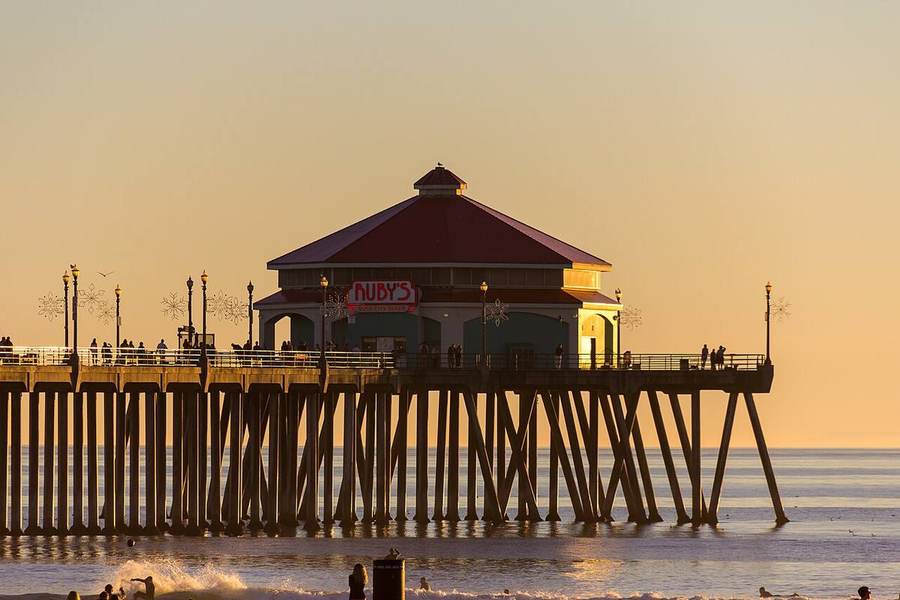
Huntington Beach sells itself in four words: Surf City USA. The 8.5 miles of uninterrupted beach, the pier, the surf culture woven into the city's identity — these are why buyers pay the coastal premium. But Huntington Beach is a big, varied city, and most of its housing stock sits well inland of the sand. The smartest buyers here learn the city's internal geography before they learn its listings, because the difference between beach-adjacent and inland HB is the difference between two different markets.
Surf City neighborhoods at a glance
Downtown Huntington Beach, around Main Street and the pier, is the cultural core: walkable, energetic, dense with restaurants, bars, and surf shops. Housing here means condos, townhomes, and smaller beach cottages on tight lots — lifestyle-rich, space-constrained, and priced for the address. This is the choice for buyers who want the beach as a daily habit, not a weekend trip.
Huntington Harbour offers a different waterfront: a man-made harbor of channels and waterways in the city's northwest corner, where many homes have private docks. It is quieter than downtown, more boating than surfing, and its own distinct market — waterfront premiums apply, and seawall and dock maintenance enter the inspection conversation.
Seacliff and the south side mix bluff-top homes with ocean views, established neighborhoods, and proximity to the Bolsa Chica wetlands. Old World Village adds a pocket of European-themed character near the city's center. And the vast inland tracts — the neighborhoods east of Beach Boulevard — deliver the Huntington Beach address and school district at the most accessible prices, with the beach a short drive rather than a walk.
The beach-vs.-inland decision
This is the central tradeoff of buying in Huntington Beach. Beach-adjacent homes — downtown, the harbour, bluff-top south side — command the coastal premium: higher prices per square foot, smaller lots, older stock, and the intangible value of ocean proximity. Inland homes offer more space, newer construction, quieter streets, and meaningfully lower prices, at the cost of a drive to the sand.
Neither choice is wrong; they serve different buyers. The beach buyer is purchasing a lifestyle they will use daily — morning surf, sunset walks, the pier as a front yard. The inland buyer is purchasing the Huntington Beach address, schools, and community while keeping the monthly payment manageable. Be honest about which buyer you are: paying the coastal premium for a beach you visit monthly is an expensive mistake.
Buyers weighing the inland-coastal spectrum across the county should also compare buying a house in Costa Mesa — HB's inland-adjacent neighbor with its own arts-and-dining identity and easier freeway access.
Coastal buying realities: insurance, flood, and salt air
Coastal homes carry coastal costs. Flood insurance is the big one: homes in FEMA-mapped flood zones near the beach and harbour may require it, and even where not required, buyers should price it. Get an elevation certificate and a flood-zone determination for any property near the water before you remove contingencies.
Salt air is the slow tax on beach-adjacent homes. It corrodes metal fixtures, degrades exterior paint faster, and punishes cheap materials. Inspectors in coastal zones look harder at roofing, window frames, HVAC units, and any exterior metal. Budget for more frequent exterior maintenance than an inland buyer would — it is the real carrying cost of the ocean view.
Wildfire exposure is lower here than in the foothill cities, but wind-driven events and the usual California earthquake considerations still apply. Standard homeowners insurance covers most perils, but buyers should confirm coverage details and costs early — insurance surprises late in escrow kill deals.
Commute and getting around
Huntington Beach's coastal position is a lifestyle asset and a commute liability. Pacific Coast Highway is beautiful and slow; the 405 is the workhorse freeway, and its congestion is legendary. Buyers commuting to Irvine, the Spectrum, or John Wayne Airport should test the drive at rush hour — the miles are short, the minutes are not.
The city's saving grace is its own employment base: tourism, hospitality, and a growing set of professional employers mean some buyers can work close to home. And the beach itself is the amenity that justifies the commute for thousands of residents — the tradeoff is explicit and, for surf families, worth it.
How the buying process works here
Competition is fiercest for the iconic segments: beach-adjacent cottages, harbour waterfront, and view homes on the south bluffs. These draw multiple offers and often sell with tight contingencies. Inland tract homes offer more inventory and more negotiating room — a meaningful advantage for first-time buyers.
Whatever the segment, the California playbook applies: pre-approval first, then tour with an agent who knows the flood maps and HOA landscape, then offer with inspection and appraisal contingencies. Coastal inspections should add the salt-air and flood-zone checks described above. And budget for California closing costs on top of the down payment — coastal prices make those percentages hurt more in absolute dollars.
Appraisal gaps deserve special attention in HB's premium segments, where emotional bidding can outrun comparable sales. Read our guide on what to do when the appraisal comes in low before you bid on a view property.
Who wins — and who should keep looking
Huntington Beach rewards buyers who will actually live the coastal life — surfers, beach families, boaters in the harbour — and who accept the premium and the maintenance as the price of admission. Inland HB rewards practical buyers who want the address, the schools, and the community without the waterfront markup.
It is a weaker fit for buyers whose commute points north or east — the 405 will grind you down — or who want maximum house for the money; the coastal premium is real at every price point. Those buyers often find better value in Garden Grove or Anaheim, trading the beach for space and keeping the drive to the sand under half an hour.
Frequently asked questions
Is Huntington Beach a good place to buy a house?
For coastal-lifestyle buyers, yes — 8.5 miles of beach, surf culture, and a strong community identity. But buyers should weigh the coastal premium, flood-insurance considerations near the water, salt-air maintenance, and 405 commute realities. Inland neighborhoods offer the HB address and schools at more accessible prices.
What are the best neighborhoods in Huntington Beach?
Downtown and the pier area for walkable beach life; Huntington Harbour for waterfront boating; Seacliff and the south side for bluff-top views; Old World Village for character; and the inland tracts east of Beach Boulevard for space and value. Each is effectively a different market — tour them all before choosing.
Do I need flood insurance in Huntington Beach?
It depends on the property's FEMA flood zone. Homes near the beach and harbour may sit in mapped zones where lenders require flood insurance; elsewhere it is optional but worth pricing. Get a flood-zone determination and elevation certificate for any waterfront-adjacent property during escrow.
How bad is the commute from Huntington Beach?
PCH is scenic and slow; the 405 is the main artery and heavily congested at peak hours. Commutes to Irvine, Costa Mesa, and the airport are manageable but time-variable — test-drive your exact route at rush hour. The city's own tourism and hospitality employment base lets some residents work close to home.
Thinking of buying or selling in Orange County?
Get a free, no-pressure consultation. Tell us what you are looking for and get a fast callback. Casa Blanca Realtors is our featured local pick for Orange County buyers (partner).
Get My Free ConsultationFree consultation · Fast callback · No pressure.
Sources and further reading
Consumer Financial Protection Bureau: home-buying resources · U.S. Department of Housing and Urban Development · California Department of Real Estate