Fullerton has something most Orange County cities don't: a genuine downtown that comes alive at night. The blocks around Harbor Boulevard mix historic buildings, restaurants, craft breweries, and live music venues — a walkable core that gives the city an energy closer to Pasadena than to a typical suburb. Add Cal State Fullerton, one of the CSU system's largest campuses, plus historic neighborhoods and direct rail to LA, and Fullerton becomes one of the county's most well-rounded places to buy.
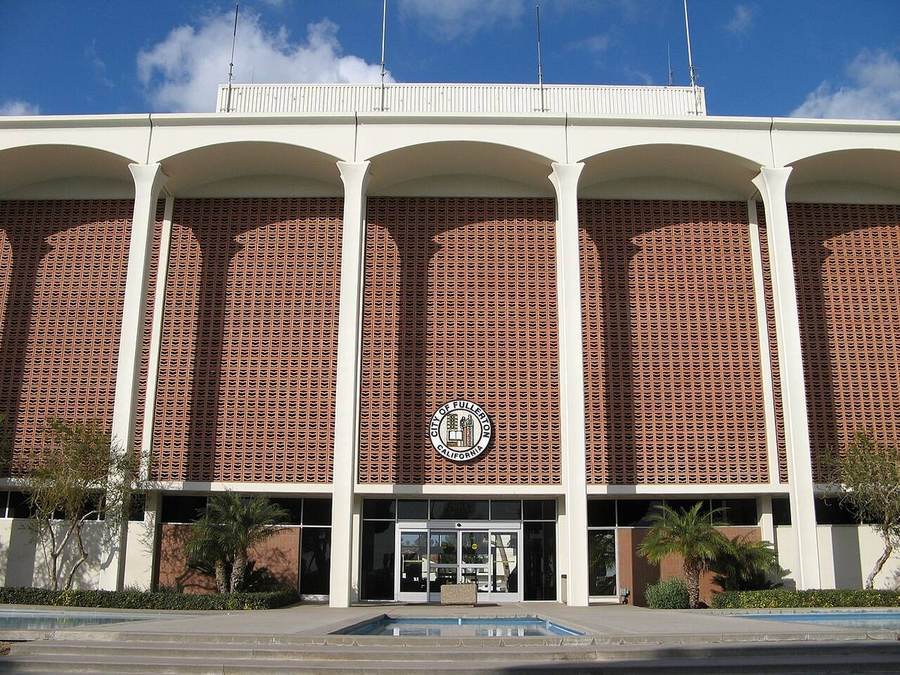
Downtown Fullerton: the walkable core
Downtown is Fullerton's signature. The SOCO district and the surrounding blocks offer dining, nightlife, and entertainment in historic buildings — the kind of evening-out-without-driving lifestyle that is rare in Orange County. Housing near downtown means condos, townhomes, apartments, and the occasional historic home on the district's edges.
Buyers drawn to downtown should weigh the tradeoffs honestly: walkability and energy come with nightlife noise, event traffic, and parking pressure on busy weekends. Visit on a Friday night before you commit — the downtown you tour at noon on Tuesday is not the downtown you will live in. For buyers who want the energy without the noise, the residential streets a few blocks out offer the best of both.
Historic districts and the college-town effect
Fullerton's historic neighborhoods — areas with early-1900s Craftsman, Victorian, and Spanish homes — give the city architectural depth that new suburbs can't replicate. These districts attract preservation-minded buyers and carry the usual historic-home considerations: older systems to inspect, potential design-review rules, and the maintenance rhythm of vintage construction.
Cal State Fullerton shapes the city in ways buyers should understand. The university brings cultural programming, a major employment base, and a steady rental market — good news for buyers considering a future rental or house-hack. It also means student-rental pockets near campus, where turnover is higher and the neighborhood feel differs from the family streets further out. Know which side of that line your target home sits on.
The Fullerton Arboretum, on the campus's edge, adds 26 acres of botanical gardens — a quiet amenity that lifts the whole northeast side of the city.
North vs. south Fullerton
The city divides roughly along the 91 freeway. North Fullerton climbs toward the hills with larger homes, more established neighborhoods, and a suburban feel. South Fullerton holds the downtown, the university, the historic districts, and the transit center — denser, more walkable, more varied. Amerige Heights, on the west side, offers newer planned-community living for buyers who want modern floor plans without leaving the city.
This internal variety is a strategic advantage: buyers priced out of one Fullerton segment can often find their fit in another without leaving the city. It also means school assignments, commute patterns, and neighborhood character vary block by block — tour widely before narrowing.
Buyers comparing north-county college towns might also look at buying a house in Orange, where Chapman University plays a similar anchor role in a smaller, more historic package.
Transit: the Fullerton Transportation Center
Fullerton's rail access is a genuine differentiator. The Fullerton Transportation Center serves Metrolink's Orange County and 91/Perris Valley lines plus Amtrak's Pacific Surfliner and Southwest Chief — connecting to Los Angeles, San Diego, and the Inland Empire. For buyers commuting to downtown LA, the train converts a freeway ordeal into productive time.
Homes near the station command a transit premium and suit car-light households. The 57 and 91 freeways handle the driving commutes: the 57 south to the Irvine job centers, the 91 east to the Inland Empire (and its notorious congestion — test the drive). Fullerton's position at the county's northern edge makes it the natural choice for buyers whose work points north.
What to inspect in Fullerton's housing stock
Fullerton's homes span from 1900s Victorians to 2000s planned-community builds, so the inspection list follows the address. Historic-district homes need the full vintage workup: foundation, knob-and-tube or aging wiring, galvanized plumbing, old roofs, and termites. Postwar tracts need the same midcentury checklist. Newer Amerige Heights homes need less structural scrutiny but the usual HOA financial review.
Hillside homes in north Fullerton add drainage and slope considerations. And near the university, investors and house-hackers should verify rental regulations and HOA rental caps before counting on rental income. For the negotiation playbook when inspections find issues, see negotiating after a home inspection in California.
How the buying process works here
Fullerton's market has distinct segments with distinct rhythms. Restored historic homes and north-side family homes move fastest; condos near downtown and the university offer more inventory and more negotiating room. First-time buyers should get pre-approved early — competition at the entry level is real — and budget for California closing costs beyond the down payment.
For buyers new to the process entirely, our first-time home buyer guide for Orange County maps pre-approval through closing. And Fullerton's variety rewards the patient: buyers who tour downtown, the historic districts, north Fullerton, and Amerige Heights before choosing end up with a far better fit than buyers who fixate on one segment.
Who wins — and who should keep looking
Fullerton rewards buyers who want a complete city: walkable downtown, college-town culture, historic character, rail to LA, and neighborhood variety from hillside to historic to new-planned. Young professionals, CSUF-affiliated buyers, LA commuters who prefer trains, and preservation-minded families all find their logic here.
It is a weaker fit for buyers seeking coastal lifestyle or the newest master-planned uniformity — Fullerton is proudly a little gritty, a little historic, a little college-town. Those wanting the master-plan experience should compare buying a house in Irvine; those wanting the beach should look west. Fullerton's pitch is different: a real city, with a real downtown, at the top of the county.
Frequently asked questions
Is Fullerton a good place to buy a house?
For buyers wanting a complete city, yes: a walkable downtown with dining and nightlife, Cal State Fullerton's cultural and employment anchor, historic districts, and Metrolink/Amtrak service to Los Angeles. The city offers unusual variety — hillside, historic, downtown, and new-planned segments — so most buyer profiles can find a fit.
What are the best neighborhoods in Fullerton?
North Fullerton for hillside suburban living; the historic districts for vintage character; downtown and SOCO for walkable urban energy; Amerige Heights for newer planned-community homes; and the areas around CSUF for college-town convenience (with student-rental pockets to be aware of). Tour all segments before narrowing.
How is the commute from Fullerton to Los Angeles?
Among the best rail options in the county: the Fullerton Transportation Center offers Metrolink and Amtrak service to LA. By car, the 57 and 91 connect north and east, though the 91's congestion is significant at peak hours. Fullerton suits buyers whose work points north better than those commuting to south-county job centers.
What should I inspect in a historic Fullerton home?
Foundation, electrical (including possible knob-and-tube in the oldest homes), galvanized plumbing, roof age, and termites — plus a review of any historic-district design rules affecting exterior changes. Hillside homes add drainage and slope-stability checks. Always use inspectors experienced with vintage construction.
Thinking of buying or selling in Orange County?
Get a free, no-pressure consultation. Tell us what you are looking for and get a fast callback. Casa Blanca Realtors is our featured local pick for Orange County buyers (partner).
Get My Free ConsultationFree consultation · Fast callback · No pressure.
Sources and further reading
Consumer Financial Protection Bureau: home-buying resources · U.S. Department of Housing and Urban Development · California Department of Real Estate